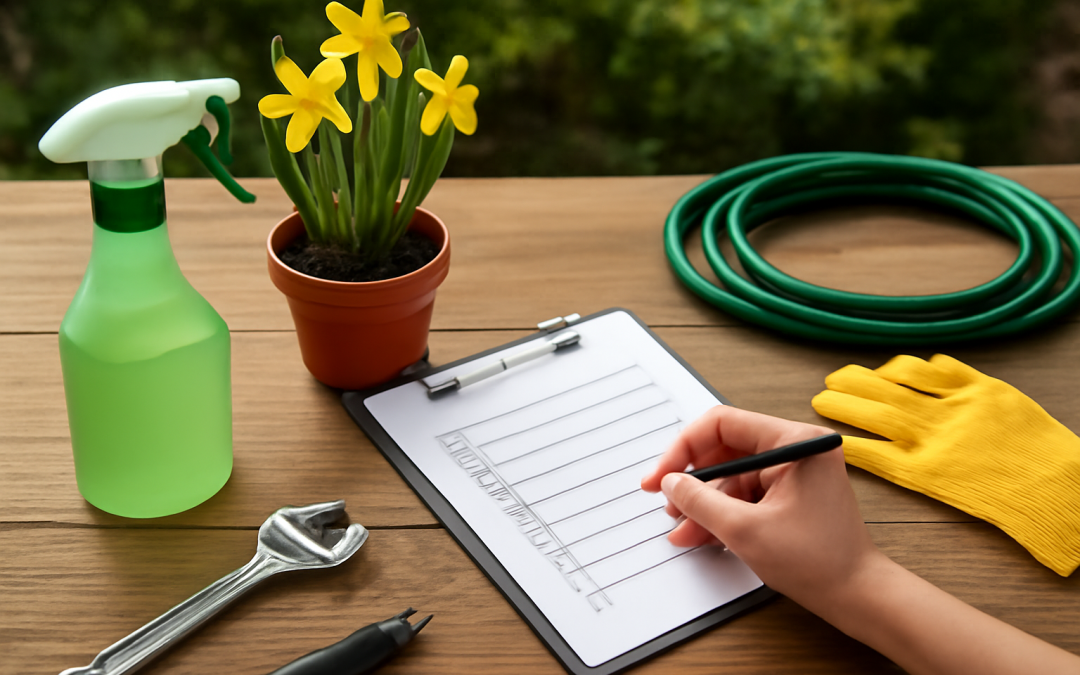
As the chill of winter fades and the days grow longer, the arrival of spring brings with it a perfect opportunity to give your home a thorough refresh. The changing season encourages homeowners to take stock of their property’s condition and perform essential upkeep to ensure everything is functioning efficiently and safely throughout the year. Spring marks the ideal time to address a variety of maintenance tasks that may have been overlooked during the colder months. By following a comprehensive spring home maintenance checklist, you can protect your investment, enhance comfort, and even save money on costly repairs down the road.
One of the first areas to focus on during spring maintenance is the exterior of the house. Winter weather can be tough on siding, paint, and trim, so it is wise to inspect for any damage such as cracks, peeling paint, or loose panels. When minor repairs are attended to early, further deterioration can be avoided. Pressure washing the exterior surfaces is an effective way to remove accumulated grime, mold, and mildew, instantly improving curb appeal. Additionally, check gutters and downspouts to ensure they are clear of leaves and debris, allowing rainwater to flow freely and prevent water damage to the foundation.
Roof inspection is another essential part of spring home maintenance. Harsh weather can loosen or damage shingles and flashing, creating potential entry points for leaks. Carefully examining the roof for missing or broken shingles, as well as signs of wear, will help you identify any areas that require repair or replacement. Should you notice any issues, scheduling professional roof maintenance sooner rather than later can help avoid costly interior damage caused by water intrusion. Moreover, clearing debris from roof valleys and around chimney bases is crucial to maintaining proper drainage.
Windows and doors are often subjected to harsh weather elements and should be examined to ensure they remain weather-tight. Inspect the caulking and weather-stripping around all openings, replacing them if worn or cracked. Proper sealing helps keep your home energy-efficient by preventing drafts, reducing heating and cooling costs throughout the year. Cleaning window panes and tracks not only enhances natural light but also allows for smoother operation. Consider having doors and locks checked to confirm they function securely, maintaining both comfort and safety.
A critical component of spring home maintenance involves assessing your heating, ventilation, and air conditioning (HVAC) system. As you transition from cooler to warmer months, your HVAC system will shift from heating to cooling, so it’s important to prepare it accordingly. Start by replacing air filters, which ensures better air quality and system efficiency. Scheduling a professional tune-up can help detect any underlying issues early, prolong the lifespan of your system, and provide peace of mind during peak usage. Regular maintenance reduces the likelihood of breakdowns when you need your cooling system the most.
Attention should also be given to plumbing elements during your spring home maintenance routine. Inspect exposed pipes and faucets for leaks or signs of wear, especially in basements and crawl spaces where freezing may have caused damage. Draining and flushing your water heater can improve efficiency and extend its lifespan by removing sediment buildup that impairs heating performance. Outdoor spigots and irrigation lines are particularly vulnerable to frozen pipes; testing these fixtures and addressing any leaks helps conserve water and prevents potential damage.
Spring provides an excellent opportunity to care for your home’s outdoor living spaces. Decks, patios, porches, and walkways often suffer from winter weather exposure and can become slippery or unsafe without proper maintenance. Cleaning and sealing wood decks protects against moisture and decay, while inspecting stairs and railings for loose or broken components enhances safety. Additionally, consider refreshing your outdoor furniture and accessories for the season ahead, making your space inviting and comfortable for warmer weather gatherings.
Landscaping plays an integral part in curb appeal and the overall health of your property. Remove winter debris such as dead leaves, fallen branches, and weeds from flower beds and around shrubs to promote healthy growth. Pruning overgrown perennials and trees improves air circulation and prevents damage during stormy weather. Composting organic matter benefits your soil while minimizing waste. Early spring is also a good time to apply mulch to retain soil moisture and suppress weeds. Finally, inspect irrigation systems for leaks or blockages to ensure your plants receive adequate watering throughout the growing season.
Indoor maintenance should not be overlooked during your seasonal refresh. Deep cleaning is essential to making your home feel new and revitalized. This includes washing walls, baseboards, and window treatments, as well as cleaning carpets and upholstery to remove winter dirt and allergens. Checking smoke detectors and carbon monoxide alarms ensures these life-saving devices operate correctly. Change batteries as needed and test each unit so your household stays protected year-round.
Spring is also the perfect time to examine your home’s safety features and prepare for the coming seasons. Inspect and clean chimney flues and fireplace components if you plan to use them during cooler evenings. Verify the integrity of fire extinguishers and replace them according to manufacturer recommendations. Assess your emergency supply kits, including flashlights, batteries, and first aid materials, replenishing items where necessary. Planning ahead for potential summer storms or power outages ensures you and your family remain safe and comfortable.
Energy efficiency improvements during spring maintenance can deliver noticeable savings on utility bills. Consider adding or upgrading insulation in attics and crawl spaces to maintain consistent indoor temperatures. Evaluate your window coverings and blinds to optimize natural light while reducing heat gain. Installing programmable thermostats offers better climate control and convenience. For homeowners interested in sustainability, spring is an ideal time to explore options such as solar panel installation or rainwater harvesting systems.
Taking the time to complete a thorough spring home maintenance checklist benefits not only the appearance but also the longevity and value of your property. Addressing minor repairs early helps avoid more extensive and costly problems later. Regular upkeep also enhances the comfort and safety of your living environment, providing peace of mind year-round. Implementing a strategic approach to seasonal maintenance encourages a proactive mindset and ensures your home remains a sanctuary through every change in weather.
In conclusion, a diligent spring maintenance routine is essential for keeping your home in optimal condition. By methodically inspecting and caring for both the interior and exterior, you can safeguard your property against the wear and tear of time and the elements. This seasonal reset not only refreshes your living space but also fosters pride in homeownership while protecting your investment. When performed consistently, spring home maintenance lays the groundwork for a year of comfort, safety, and enjoyment in your home.