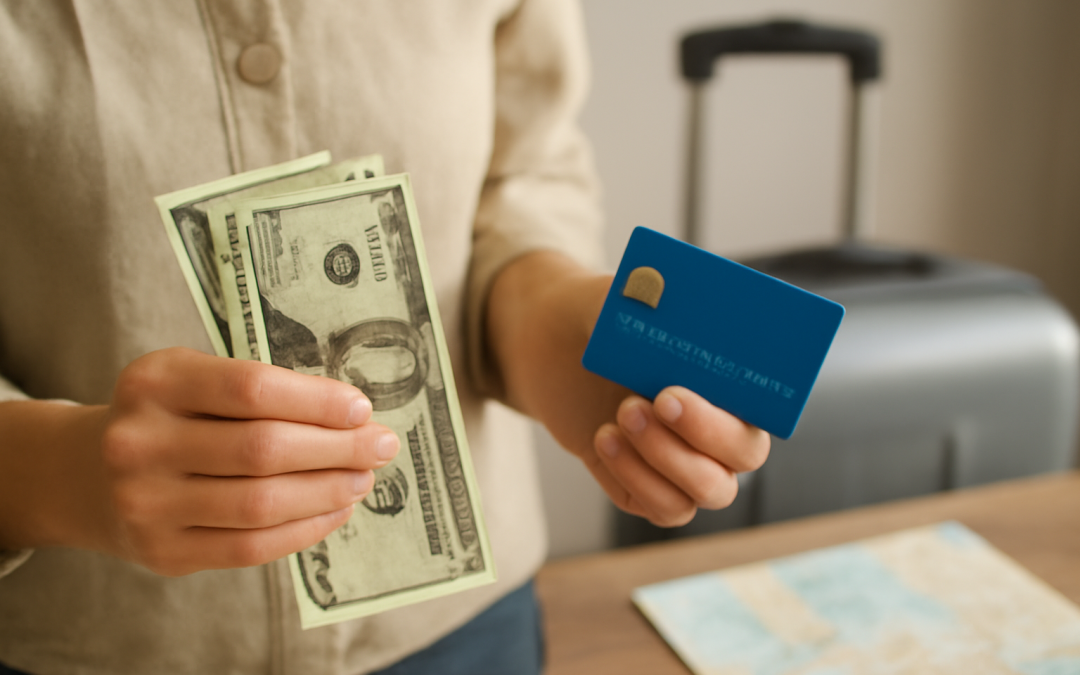
When planning a trip, one of the most common questions travelers face is whether to carry cash or rely on cards for their expenses. The decision is not as straightforward as it might appear because each method of payment comes with its own set of advantages and disadvantages. Understanding these can help travelers make smarter choices that enhance convenience, security, and budget control while abroad.
Cash has long been the traditional way to manage money during travel. It offers immediate access to funds without the need for technology or authentication devices. This can be especially useful in regions where electronic payment systems are not well-developed, or where electricity and internet access may be inconsistent. Small vendors, street markets, and local transport services often prefer or exclusively accept cash, making it an indispensable resource in many destinations. Removing the barrier of needing a card reader or smartphone app, cash facilitates smooth and quick transactions in these environments.
Moreover, carrying cash allows travelers to have a tangible sense of their spending. Physically handing over money makes it easier for many to track expenses and avoid overspending. It also provides a level of privacy since cash payments do not leave an electronic trail that can potentially be accessed or hacked. This anonymity can be valued by those who prioritize discreet financial management during their travels.
However, using cash is not without downsides. One significant risk is the potential loss or theft of money. Unlike a card that can often be canceled remotely, stolen cash is gone for good. This makes carrying large sums impractical and unsafe in many cases. Furthermore, currency exchange can be a hassle, and using cash often leads to less favorable exchange rates when compared to cards or digital payment alternatives. Finding reliable exchange booths or banks, especially in remote areas, can also be time-consuming and inconvenient.
On the other hand, cards have revolutionized the way travelers manage their finances on the go. Credit and debit cards provide a secure and convenient method of payment that is widely accepted across the globe. They eliminate the need to carry large amounts of cash, reducing the risk of loss or theft. Additionally, cards often offer built-in protections such as fraud detection, zero-liability policies, and the ability to dispute unauthorized charges, which create a safety net that cash cannot provide.
Cards also offer practical benefits such as real-time tracking of expenses through online banking apps or statements. This capability helps in budgeting and monitoring spending habits more accurately. Many credit cards come with rewards programs, travel insurance, and other perks that can enhance the travel experience. These resources can save money and add value to the trip in ways that cash simply cannot replicate.
Nevertheless, cards are not infallible. They require access to electronic payment infrastructure, which may not always be available in more remote or less developed areas. Power outages, network failures, or terminal malfunctions can leave cardholders unable to complete transactions. Additionally, some vendors may impose minimum purchase amounts for card payments or charge extra fees, pushing travelers to use cash anyway. Card fraud is another concern, though modern security measures have significantly mitigated this risk.
Foreign transaction fees and unfavorable exchange rates on card payments can quietly add to the cost of travel. Not all cards are equal in their global acceptance or fee structures, so travelers must carefully select cards that are optimized for international use. Informing banks of travel plans is also essential to prevent cards from being blocked due to suspicious activity alerts. Without proper preparation, a cardholder might find themselves without access to funds, which can lead to stressful situations far from home.
The choice between cash and card is not necessarily an either-or decision. Most savvy travelers adopt a balanced approach, carrying a modest amount of local currency while relying on cards for the bulk of their expenses. This strategy combines the flexibility of cash with the convenience and security of card payments. It ensures readiness for different scenarios, whether it’s bargaining at a local market or paying for accommodation and dining where cards are accepted.
When withdrawing cash, using ATMs inside banks or reputable locations is recommended to avoid scams and higher fees. Many banks have partnerships abroad that allow free or reduced-charge ATM withdrawals. Carrying multiple cards from different providers is a wise failsafe in case one card is lost, stolen, or not accepted. Additionally, travelers should keep emergency contact numbers for their card issuers handy to report issues promptly.
Awareness of cultural norms and payment habits in the destination country is crucial. Some countries are highly cash-based, with limited card acceptance, while others have embraced contactless and mobile payments extensively. Research ahead of departure can provide insights that guide how much cash to carry and which cards to bring. For instance, in countries like Japan or Germany, cash is still king in many situations, whereas in Scandinavian countries, cash usage has almost vanished.
Security concerns should influence how both cash and cards are handled. Keeping cash divided in different safe spots reduces the impact of loss or theft. Using RFID-blocking wallets and secure card carriers helps protect cards from electronic pickpocketing. Vigilance against skimming devices at ATMs and point-of-sale terminals is also important. Practicing basic security measures helps avoid common pitfalls that can spoil an otherwise enjoyable journey.
Budget management is easier with cards for larger transactions, as they provide detailed records; however, cash enhances mindfulness about everyday spending. Some travelers find budgeting envelopes for cash to be an effective tool to control daily outlays, preventing surprise expenses from creeping in. Combining both methods allows for stricter personal budgeting while maintaining flexibility.
The technological evolution in payments continues to change the landscape. Mobile wallets and payment apps link bank accounts and cards to smartphones, enabling payments without physical cards or cash. However, reliance on technology brings its own challenges, such as the need for reliable internet access, battery life management, and cybersecurity risks. For long-term travel or destinations lacking infrastructure, traditional cash and cards remain essential.
In summary, the choice of using cash vs card when traveling involves weighing convenience, security, acceptance, cost, and personal preference. Both have roles to play, and informed travelers leverage the strengths of each to create a seamless financial experience. Smart preparation, understanding the destination’s financial environment, and cautious handling of money contribute significantly to worry-free travel.
Success in managing money while abroad comes from flexibility and readiness to adapt. Carrying a reasonable amount of local currency covers small purchases and emergencies, while having reliable cards provides safety, budgeting tools, and broader acceptance. Combining strategies mitigates risks and taps into the best aspects of each payment method, ultimately enhancing the overall travel experience.
Navigating the financial side of travel conscientiously helps prevent common frustrations and financial mishaps. The peace of mind that comes from knowing exactly how and when to use cash or card allows travelers to focus on what truly matters — exploring new places, connecting with different cultures, and creating unforgettable memories. Making smart financial choices is part of the journey, enriching both the adventure and the story it tells.