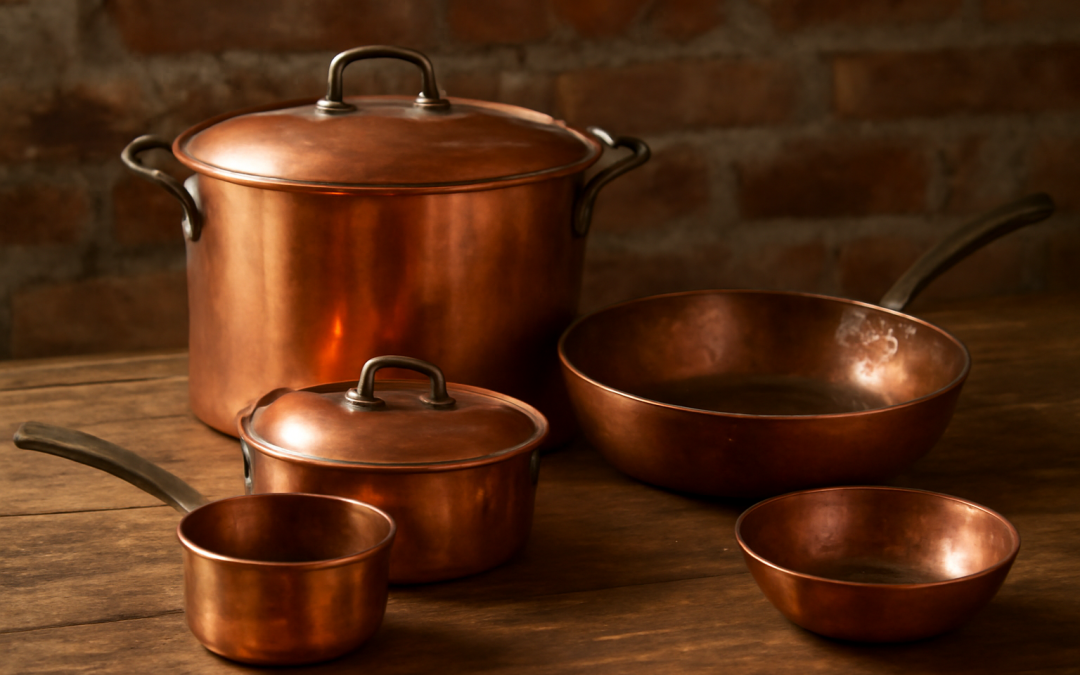
Copper cookware has been a central element in culinary traditions across the globe for centuries, valued not only for its striking appearance but also for its exceptional properties in heat conduction and cooking performance. The story of this versatile kitchen tool stretches back thousands of years, showcasing the ingenuity and craftsmanship of ancient civilizations as they discovered the remarkable potential of copper in enhancing the cooking process. Understanding the origins of copper cookware offers insight into how culinary practices and material technology have evolved hand in hand, reflecting cultural shifts, technological advancements, and human creativity.
From as early as 8000 BCE, copper was recognized by humans for its utility beyond mere ornamental uses. Archaeological finds have demonstrated that ancient people quickly learned to extract copper from ores and transform it into utensils and tools. In terms of culinary applications, copper’s ability to evenly distribute heat was a game changer, allowing cooks to prepare food with greater precision. Early civilizations in the Near East and the Mediterranean region used copper vessels for cooking and storage, establishing the metal’s importance in both domestic and ceremonial contexts. These early artifacts were often handmade, hammered and shaped by skilled artisans who combined function with intricate design, setting a standard for the craft that would endure for millennia.
The ancient Egyptians were among the first to adopt copper cookware widely, appreciating its antimicrobial properties in addition to its heat conduction capabilities. Historical records and tomb artifacts reveal copper pots and pans that were used to prepare and serve food as part of ritual offerings and everyday meals alike. The Egyptians valued copper not only for its practicality but also for its symbolic qualities, often associating the shiny metal with the sun and divine protection. This fusion of utility and symbolism underscored copper’s significance in ancient households, highly prized for both physical and metaphysical reasons.
Moving into the classical era, cultures such as the Greeks and Romans further refined the use of copper in the kitchen. The Romans, renowned for their advancements in both engineering and daily living standards, embraced copper cookware enthusiastically. They developed techniques to alloy copper with tin to produce bronze, which offered additional strength and corrosion resistance. Copper and bronze pots became staples in wealthier households, enabling more sophisticated culinary techniques. Roman cookbooks from antiquity mention the use of copper vessels for boiling, frying, and simmering, highlighting the material’s versatility. Copper’s responsiveness to temperature changes made it ideal for the complex recipes and precise cooking methods that defined Roman gastronomy.
The spread of copper cookware continued with the rise of the Islamic Golden Age, where metalwork flourished not only for aesthetics but for culinary advancements as well. Metalworkers in Persia and the broader Middle East mastered methods of crafting copper pots that were both durable and beautifully decorated, often engraved with intricate patterns. These vessels were prized in the palaces and homes of the elite, prized not only for cooking but also for their status and artistry. In this period, the knowledge of working with copper was transmitted to Europe through trade routes and cultural exchanges, integrating with local traditions and catalyzing developments in cookware design.
During the Middle Ages in Europe, copper cookware became more widespread, particularly among the emerging middle classes in cities and towns. Copper’s superior heat conduction compared to iron or clay made it a preferred choice for many cooks, despite its higher cost. As metallurgy techniques advanced, the production of copper vessels became more standardized, with workshops and guilds specializing in their manufacture. The Renaissance period saw further refinement, with skilled coppersmiths creating cookware that combined utility with elaborate craftsmanship. Copper pans with hammered patterns or polished surfaces became status symbols in noble households, and the material’s ability to enhance cooking quality gained recognition among professional chefs.
By the 18th and 19th centuries, copper cookware had solidified its place as the standard in professional kitchens, particularly in France, which is often credited with elevating culinary arts to new heights. French chefs favored copper pots and pans because of the metal’s rapid response to temperature adjustments, crucial in preparing delicate sauces and complex dishes. The iconic image of copper cookware lining the walls of classic French kitchens originated during this period, as the metal symbolized both excellence and tradition in cooking. Innovations such as lining copper pots with tin helped reduce reactivity with acidic foods, improving the metal’s safety and durability.
The Industrial Revolution introduced both opportunities and challenges to copper cookware production. Mechanized manufacturing enabled greater quantities of copper pots and pans to be produced, reducing their cost and increasing accessibility to a broader population. However, new materials like cast iron and later stainless steel began to vie for popularity due to their durability and lower maintenance demands. Despite this, copper retained its loyal following among chefs and culinary enthusiasts who appreciated not only its functional benefits but also its aesthetic appeal. The shiny, warm glow of copper cookware became synonymous with gourmet cooking and tradition.
The late 20th and early 21st centuries have witnessed a renewed interest in copper cookware, driven by a modern appreciation for artisanal kitchen tools and performance cookware. Advances in metallurgy and the use of safer lining materials such as stainless steel or silver have enhanced copper pots’ usability and longevity. Collectors and professional chefs alike cherish copper cookware for its unique blend of beauty and performance, often viewing it as a connection to culinary heritage. Moreover, the emphasis on sustainable and natural materials in kitchen environments has reinforced copper’s appeal as a recyclable, durable, and non-toxic metal, reaffirming its relevance in contemporary cooking.
Globally, different cultures have adapted copper cookware to their traditional culinary styles, incorporating unique designs and techniques. For example, in India, hammered copper utensils have been used for centuries, believed not only to enhance cooking but also to promote health through copper’s antimicrobial properties. In Japan, copper cookware is specially crafted to meet the precision required for certain regional dishes, incorporating meticulous craftsmanship. These variations illustrate how copper cookware transcends mere utility, becoming a cultural artifact that embodies regional identities and culinary philosophies.
The process of creating copper cookware has also evolved but retains much of the artisan spirit that characterized its origins. Traditional techniques such as hand-hammering remain valued for producing cookware that is both durable and offers superior heat conduction due to the work-hardening of the metal. However, modern techniques involving advanced tempering and lining technologies significantly improve the product’s lifespan and safety when exposed to various ingredients. The balance between preserving historic craftsmanship and integrating technological enhancements highlights the dynamic journey of copper cookware from its earliest origins to its current form.
Copper’s chemical and physical properties have played a fundamental role in its adoption for cookware use. With a thermal conductivity roughly 15 times greater than stainless steel, copper allows for fast, even heating—reducing hot spots and cooking times. This characteristic was especially important in times before the advent of precise temperature controls on cooking apparatuses. Early cooks could rely on the temperature responsiveness of copper pots to adjust their heat quickly, avoiding burning or uneven cooking. The origin of copper cookware is closely linked to this practical advantage, revealing how an understanding of material science, even if intuitive, directly influenced culinary innovation.
In addition to its functional strengths, copper’s visual appeal contributed to its popularity throughout history. The metal’s warm, reddish hue is aesthetically pleasing and becomes more patinated with use, developing a rich character over time. This beauty made copper cookware a centerpiece in ornate kitchens, often displayed proudly on racks or walls rather than hidden away. This dual combination of form and function created a lasting legacy, influencing not only culinary practices but also kitchen design and culture. Copper cookware served as symbols of hospitality, craftsmanship, and the art of cooking, woven seamlessly into the fabric of daily life.
The interplay of copper’s origins, culture, and technology can also be seen in the conservation and restoration of antique cookware. Collectors and historians recognize that preserving these vessels enables a direct link to past culinary traditions and manufacturing techniques. Restoring copper cookware involves understanding historic methods of working the metal, as well as the chemical processes used in lining and finishing. These efforts underscore the enduring fascination with copper’s heritage and emphasize its continued importance beyond mere utility. Antiquities in copper offer tangible evidence of humanity’s evolving relationship with food and cookware technology, providing valuable lessons and inspiration for modern cooks.
Examining copper cookware’s origins also illuminates larger themes in human history, such as the shift from nomadic lifestyles to settled agriculture, the emergence of metallurgy, and the social stratification that influenced kitchen culture. The ability to produce and maintain copper cookware was often indicative of wealth and status, reinforcing social hierarchies even in domestic spheres. Over time, as production methods improved and the metal became more available, copper cookware reached a wider audience, symbolizing broader access to culinary refinement. This democratization echoes broader economic and social transformations, linking the history of copper cooking vessels to the fabric of civilization itself.
In the contemporary culinary world, copper cookware is celebrated both for its historical significance and its superior performance. While it requires more maintenance compared to other materials — including regular polishing and careful handling to avoid denting — many chefs insist that the benefits outweigh these inconveniences. Its ability to allow precise temperature control makes it ideal for tasks such as making delicate sauces, caramelizing sugar, or cooking seafood. This precision aligns with the continued emphasis on quality and technique in modern gastronomy, reflecting an enduring legacy rooted in the cookware’s early origins.
In conclusion, the origins of copper cookware reveal an intricate narrative that intertwines technological innovation, cultural expression, and culinary artistry. From ancient craftsmen hammering copper vessels by hand to modern kitchens gleaming with tinned or stainless-steel-lined pots, the journey of copper cookware encapsulates humanity’s ongoing quest to perfect the art and science of cooking. This iconic material has transcended time and geography, continuously adapted to meet changing tastes and techniques while retaining its core identity as a symbol of precision and elegance in the kitchen. The legacy of copper cookware endures, bridging past and present in a way that continues to inspire and elevate the culinary experience.