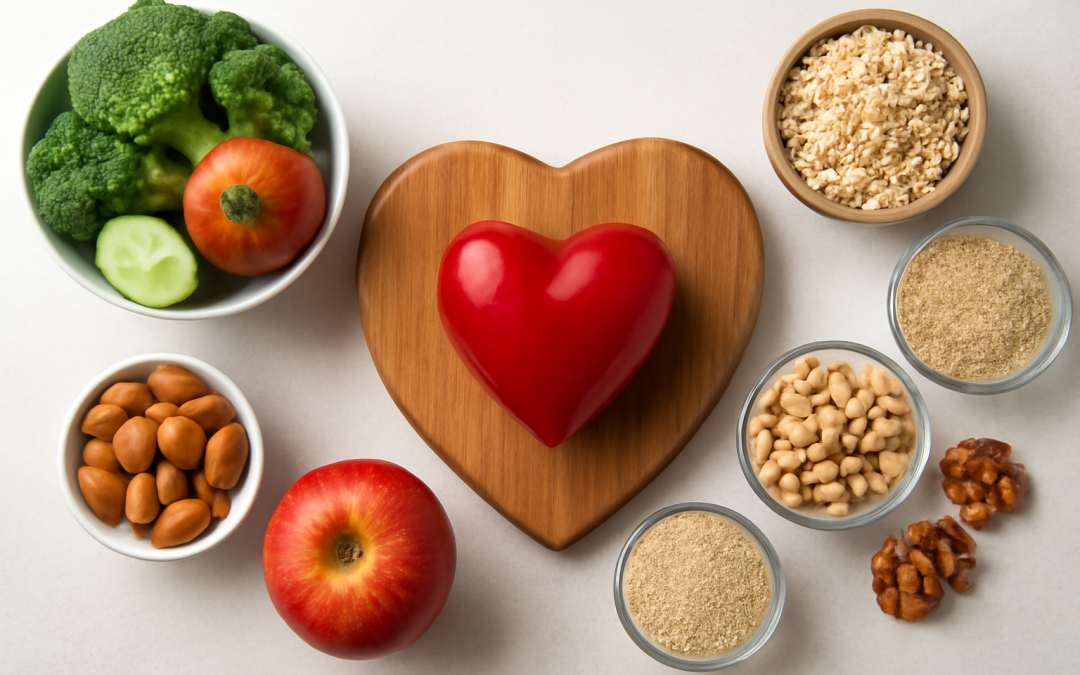
The connection between diet and cardiovascular well-being is a crucial area of study, given the prevalence of heart disease as a leading cause of mortality worldwide. Understanding how what we eat influences heart health can empower individuals to make informed choices that support a strong, resilient cardiovascular system. Nutrition plays a fundamental role not only in preventing heart-related conditions but also in managing and potentially reversing some of the damage caused by poor dietary habits. Through the quality and quantity of the foods consumed, the heart’s function and the vascular system’s integrity can be profoundly affected.
The impact of diet on heart health begins with the types of fats present in a person’s nutrition. Not all fats are equal; some promote heart disease, while others protect against it. Saturated fats and trans fats have been shown to increase low-density lipoprotein (LDL) cholesterol, known as “bad” cholesterol, which can lead to plaque buildup in arteries and elevate the risk of atherosclerosis. Conversely, unsaturated fats, such as those found in olive oil, nuts, avocados, and fatty fish, can improve cholesterol profiles by increasing high-density lipoprotein (HDL) or “good” cholesterol and reducing inflammation. A diet emphasizing healthy fats, therefore, can significantly reduce the incidence of coronary artery disease.
Beyond fats, the consumption of refined carbohydrates and sugars also plays a pivotal role in cardiovascular risk. Diets high in added sugars contribute to obesity, insulin resistance, and inflammation, all of which are risk factors for heart disease. Excessive intake of refined grains, which can cause rapid spikes in blood glucose levels, exacerbates metabolic stress and promotes conditions like type 2 diabetes—another major contributor to poor heart health. On the other hand, whole grains provide beneficial nutrients and fiber that slow digestion, improve blood sugar control, and support a healthy lipid profile.
Fiber intake is another critical dietary element related to heart health. Soluble fiber, found in foods like oats, legumes, fruits, and vegetables, can help lower LDL cholesterol by binding to cholesterol particles in the digestive system and aiding their excretion. A high-fiber diet is also linked to better regulation of blood pressure and reduced inflammation, both important factors in minimizing cardiovascular risk. The promotion of daily fiber-rich foods can lead to long-term benefits for those seeking to protect and improve their heart’s functionality.
Fruits and vegetables are cornerstones of a heart-healthy diet, offering a rich array of antioxidants, vitamins, minerals, and phytochemicals that combat oxidative stress and inflammation—two underlying processes in many cardiovascular diseases. Potassium, abundant in many fruits and vegetables, is particularly vital for maintaining healthy blood pressure by counteracting the effects of sodium. Additionally, diets abundant in plant-based foods tend to be lower in calories and saturated fat, which helps in maintaining a healthy weight, a key factor in heart health.
The role of sodium intake deserves special attention in its influence on cardiovascular well-being. Excessive consumption of sodium, often through processed and packaged foods, is strongly associated with increased blood pressure. Hypertension, in turn, significantly elevates the risk for heart attacks, strokes, and heart failure. Reducing sodium intake and emphasizing fresh, minimally processed foods can help prevent the rise in blood pressure and reduce the overall strain on the heart and blood vessels.
Alcohol consumption has complex effects on heart health, depending on the amount and frequency of intake. Moderate alcohol consumption, particularly red wine in small amounts, has been linked to certain heart health benefits due to its antioxidant content. However, excessive alcohol intake contributes to high blood pressure, cardiomyopathy, and arrhythmias. It also increases the risk of developing obesity and diabetes, which further compromise cardiovascular health. Consequently, moderation and mindful consumption are essential when considering alcohol’s place in a heart-healthy diet.
Another important consideration in how diet affects the heart is the impact of overall calorie intake and energy balance. Overeating, especially of calorie-dense, nutrient-poor foods, leads to obesity, which is a well-established risk factor for cardiovascular disease. Excess body fat increases inflammation and insulin resistance, and places added stress on the heart. Thus, maintaining a balanced diet that aligns calorie consumption with energy expenditure is fundamental to preventing heart disease.
In addition to macronutrients and calorie control, micronutrients such as magnesium, calcium, and vitamins D and K play important roles in maintaining cardiovascular function. Magnesium aids in regulating blood pressure and heart rhythm, while calcium and vitamin D are implicated in vascular health and the prevention of hypertension. Vitamin K is essential for proper blood clotting and may reduce arterial calcification. Ensuring a varied diet that supplies these essential nutrients supports the structural and functional health of the cardiovascular system.
Emerging research also suggests that gut health and the microbiome may influence heart health, linking diet to cardiovascular risk through this axis. Dietary choices that include fermented foods, probiotics, and prebiotic fibers can promote a healthy gut flora balance. These beneficial bacteria may contribute to reduced systemic inflammation and improved metabolic profiles, which indirectly support cardiovascular health. This growing area emphasizes the holistic nature of nutrition as it relates to overall well-being.
Adopting dietary patterns rather than focusing on individual nutrients can be more effective for heart health. Well-studied diets such as the Mediterranean diet, DASH (Dietary Approaches to Stop Hypertension), and plant-based diets highlight the importance of balanced meals rich in fruits, vegetables, whole grains, nuts, lean proteins, and healthy fats. These dietary approaches consistently demonstrate reductions in heart disease markers and improved cardiovascular outcomes. They emphasize variety, moderation, and the inclusion of nutrient-dense foods, making them achievable and sustainable lifestyle approaches.
The Mediterranean diet, in particular, has gained widespread recognition for its cardiovascular benefits. Centered around olive oil, fresh produce, nuts, legumes, fish, and moderate wine intake, this diet is associated with reduced inflammation, improved lipid profiles, and better endothelial function. Several large-scale studies have shown that adherence to this diet reduces the risk of heart attacks, strokes, and cardiovascular death. This evidence reinforces the concept that long-term dietary habits, rather than short-term changes, are the foundation of heart health.
Similarly, the DASH diet was specifically developed to combat hypertension. By emphasizing fruits, vegetables, low-fat dairy, whole grains, and lean proteins while limiting salt, sugar, and red meat, this eating pattern has proven effective in lowering blood pressure and improving heart health. Many individuals experience beneficial effects on cardiovascular risk factors within weeks of adopting the DASH dietary pattern, illustrating the powerful influence of dietary choices.
Beyond diet composition, the timing and regularity of meals can also affect cardiovascular health. Irregular eating patterns and late-night snacking have been associated with metabolic disturbances, increased inflammation, and poorer lipid profiles. Consistent meal timing supports metabolic stability, while mindful eating habits improve digestion and modulation of appetite. These factors underscore the importance of a comprehensive approach to nutrition that includes how, when, and what is consumed.
It is also essential to consider the broader lifestyle context in which diet operates. Physical activity, stress management, sleep quality, and avoidance of tobacco use all interplay with nutrition to influence heart health outcomes. While diet is a powerful tool, it cannot be entirely separated from these factors. Together, they form an integrated lifestyle strategy that can significantly lower the risk of heart disease and enhance overall longevity.
Individuals with existing cardiovascular conditions or risk factors such as hypertension, high cholesterol, or diabetes may benefit from personalized dietary guidance. Working with healthcare professionals, including dietitians and physicians, can help tailor dietary plans that address specific health needs and preferences. Such partnerships optimize adherence and effectiveness, ensuring that dietary changes translate into measurable improvements in heart health.
In conclusion, the profound impact of diet on cardiovascular health is supported by extensive scientific evidence. Choices surrounding fats, carbohydrates, fiber, sodium, and micronutrients directly influence blood pressure, lipid profiles, inflammation, and body weight—key determinants of heart disease risk. The adoption of dietary patterns rich in whole, minimally processed foods, combined with moderation and meal regularity, forms the cornerstone of a heart-friendly lifestyle. By recognizing and harnessing the power of nutrition, individuals can actively protect their cardiovascular system, reduce the likelihood of disease, and promote long-term health and vitality.