by admin | Oct 24, 2026 | Reviews
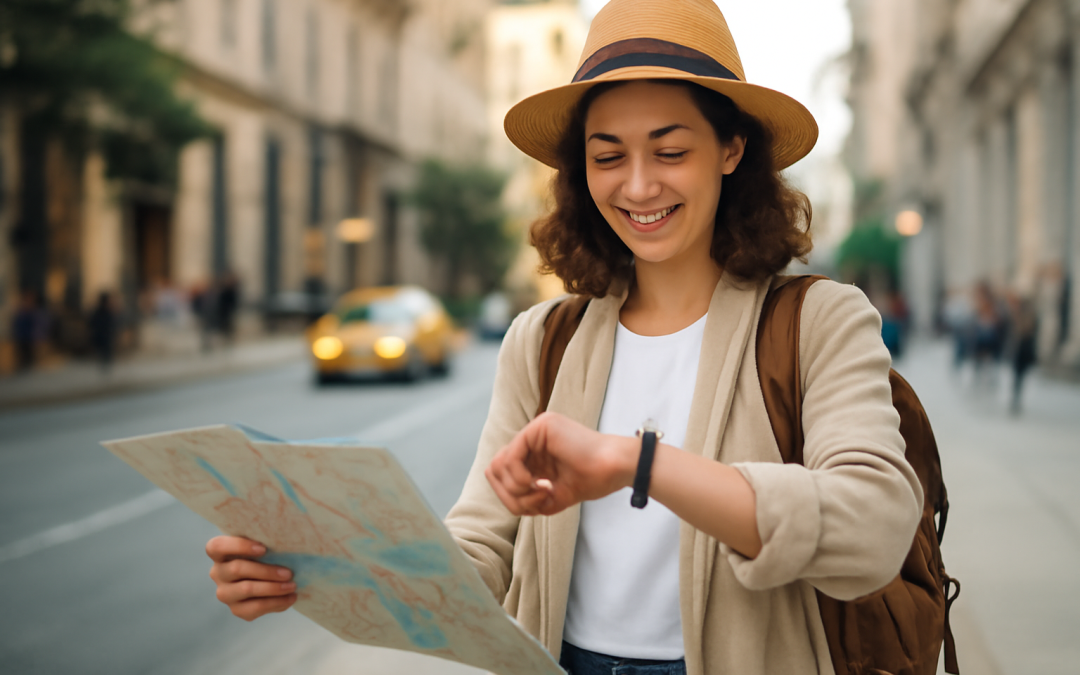
Traveling can be a transformative experience, but when the clock is against you and the itinerary tight, the prospect of enjoying a trip can feel daunting. Many people believe that meaningful travel requires lengthy vacations and unhurried exploration, but this is a misconception. It is possible to savor new destinations, immerse yourself in different cultures, and create lasting memories even when time is limited. The key lies in thoughtful planning, mindful choices, and embracing flexibility, allowing you to make the most of every moment without feeling rushed or overwhelmed.
One of the most important steps in ensuring a fulfilling trip within a tight schedule is selecting destinations and activities that align well with your available time and personal interests. Rather than trying to cram numerous sites into an impossibly busy agenda, focus on quality over quantity. Prioritize experiences that resonate with you personally, whether that’s sampling local cuisine, visiting a particular landmark, or simply walking through the streets to observe daily life. This intentional approach helps transform brief moments into meaningful encounters and reduces the stress that often accompanies hurried travel.
Maximizing the efficiency of your travel logistics is another critical factor. Booking flights, accommodations, and transfers in advance not only secures better rates but also minimizes delays. Opting for centrally located lodging can significantly cut down on transit time to attractions, allowing more time for immersion rather than commuting. Consider utilizing public transportation, ride-share services, or even renting a bike—these options can often navigate traffic and crowded areas more swiftly than walking or taxis, making each minute count when your time is tight.
Packing strategically also contributes to a smoother travel experience. Traveling light with versatile clothing and essentials tailored to the climate and activities planned prevents unnecessary baggage and hassle. Carry-on luggage is ideal for short trips as it eliminates time-consuming waits at baggage claim, and having travel organization tools like packing cubes helps streamline the process. Additionally, packing snacks, a reusable water bottle, and portable entertainment supports energy and comfort during busy days, reducing downtime caused by hunger or boredom.
Embracing a mindset of flexibility and openness fosters enjoyment even when plans must change unexpectedly. Tight schedules leave little room for error, but travel often involves unforeseen delays or attractions that take longer than anticipated. Rather than becoming frustrated, adaptability allows you to adjust your itinerary or find alternative activities that might prove equally rewarding. This ability to pivot amidst a busy schedule reduces stress and often leads to the discovery of hidden gems that a rigid plan might overlook.
Another technique for enriching a short trip is to immerse yourself quickly and deeply rather than superficially scanning sights. Engage with locals, try authentic food, and absorb the atmosphere through sensory experiences. Listening to street music, browsing in small shops, or visiting local markets can offer profound insights into a place’s character without consuming significant time. Even brief conversations or moments of quiet observation can imprint lasting travel memories that go beyond the obvious tourist hotspots.
Technology and digital tools can serve as excellent allies when traveling on a tight schedule. Travel apps for navigation, language translation, or itinerary organization help save time and reduce cognitive load. Moreover, many destinations now offer online reservation systems or timed tickets for attractions, which prevent long lines and waiting. Pre-booking tours or entry passes means you can bypass crowds and make every minute count. However, it’s important to balance technology use with real-world engagement to avoid missing out on spontaneous moments of joy and discovery.
While tight schedules often imply fast-paced days, incorporating moments of rest and reflection enhances overall enjoyment. Making time for a leisurely coffee break or a sunset viewpoint can provide emotional and physical rejuvenation, helping sustain energy and appreciation throughout your trip. These pauses also offer opportunities to absorb the environment more fully and recalibrate your travel priorities if needed. Even in a brief journey, treating these slow moments as integral parts of the experience contributes to a deeper connection to your destination.
When dining during short travels, focus on local specialties that reflect the region’s heritage and lifestyle. Meals are more than sustenance; they are experiences that connect you directly to culture and community. Seeking out popular eateries, street food vendors, or small family-run restaurants enables you to taste authentic flavors quickly. Additionally, sharing meals with travel companions or locals can deepen interpersonal connections and provide insights that guide your exploration. Even with limited time, savoring the local cuisine enriches your understanding of a destination’s identity.
It’s also valuable to temper expectations and appreciate the value of traveling with a compact schedule. Instead of trying to “do it all,” recognize the charm in selective exploration. This approach allows you to enjoy activities at a comfortable pace without the exhaustion that accompanies over-scheduling. Adjusting your mindset to see travel as a collection of meaningful snapshots rather than a comprehensive capture alleviates pressure while fostering gratitude for the experiences you do have. This perspective helps sustain a positive attitude and heightens the enjoyment of every activity you undertake.
Time zone changes and physical exhaustion can challenge travelers when schedules don’t allow extended adjustment periods. Planning strategies such as arriving at your destination with ample daylight, getting rest before setting off on high-energy activities, and staying hydrated can mitigate jet lag and fatigue. Staying mindful of your body’s needs prevents burnout and maintains enthusiasm throughout the trip. Paying attention to wellness ensures that even a compressed schedule doesn’t detract from your capacity to engage fully in new environments.
In some cases, traveling with a tight schedule inspires creativity. For example, instead of traditional sightseeing, you might choose walking tours that combine history with physical activity, or short excursions that involve hands-on learning like cooking classes or craft workshops. These compact, immersive experiences often deliver greater satisfaction because they engage multiple senses and foster active participation. Designing your itinerary around such activities maximizes both enjoyment and impact when time is constrained.
Traveling alone or with a companion also affects how you manage a condensed trip. Solo travelers often have the freedom to move at their own pace, pivot plans spontaneously, and focus on personal interests without negotiation. Collaboration is key in group travel, requiring clear communication and compromise to align priorities and optimize the schedule. Having a shared philosophy of flexibility and mutual respect helps ensure that every participant feels fulfilled. Whether traveling solo or with others, good planning and openness to experience enhance satisfaction despite time limits.
Lastly, capturing memories in a manageable way can amplify the pleasure of a short trip without adding stress. Rather than obsessively taking photos of every moment, focus on meaningful images or journaling concise reflections. This practice encourages mindful engagement and preserves feelings associated with the journey. When you look back on the trip, these curated memories often evoke the richness of the experience more vividly than a large quantity of snapshots. A thoughtful approach to documenting travel reinforces your connection to the places visited even after you return home.
Making the decision to travel under time constraints doesn’t mean sacrificing joy or depth. With deliberate planning, focused priorities, and a willingness to remain present, even the briefest journeys can become fulfilling adventures. By embracing quality experiences, flexibility, and mindful engagement, you cultivate a travel experience rich with discovery and personal growth regardless of how packed the schedule. Every trip, no matter its duration, holds the potential for transformation when approached with intention and openness.
by admin | Oct 23, 2026 | Reviews
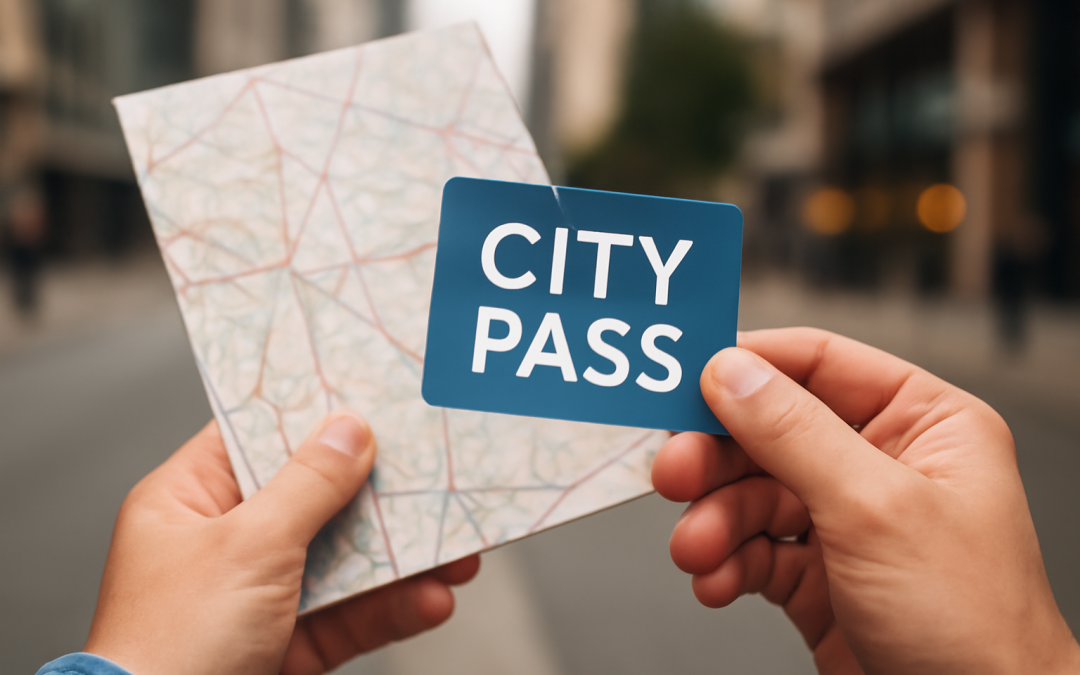
Exploring a new city often comes with a list of must-see attractions, museums, tours, and experiences. While the excitement of discovering these places is incomparable, the cumulative costs can quickly add up. This is where city passes and discount cards become invaluable tools, offering visitors a streamlined and cost-effective way to enjoy the best a city has to offer. Understanding how to use city passes and discount cards not only saves money but can also enhance your overall travel experience by simplifying logistics and providing additional benefits.
City passes are typically bundled ticket packages that grant access to a selection of popular attractions, public transport, and sometimes even dining or shopping discounts. Many cities around the world have developed their own versions, aiming to attract tourists while promoting local sites and services. When used correctly, these passes can transform the way you navigate and explore a city, making it easier to prioritize your itinerary without financially stressing over entrance fees or transport costs.
Before purchasing any city pass or discount card, it’s essential to assess your interests and travel plans. Not all passes suit every traveler, as each comes with different inclusions, validity periods, and pricing structures. Some passes focus predominantly on museums and cultural venues, while others extend their coverage to transportation services and tours. By researching and selecting a card that aligns with your must-visit spots, you ensure maximum value for your money.
One of the key steps in effectively using city passes and discount cards is understanding their validity period and usage rules. Most passes operate on a timed basis, such as 24, 48, or 72 hours, or they may be valid for a set number of entries. Activation usually occurs the first time you use the pass, so planning when and where to start your sightseeing becomes crucial. For example, activating the card early in the morning allows for full-day benefits, maximizing your access to various venues and activities.
In addition to entrance savings, many passes offer skip-the-line privileges, which can be a significant time saver, especially during peak tourist seasons. Long queues at popular attractions can eat away precious vacation time, so using a pass that grants priority access helps maintain a smoother and more enjoyable itinerary. Some passes also provide reservation services or early access to certain events, giving travelers an edge over standard ticket holders.
Public transportation inclusion is another valuable feature found in some city passes. Traveling around a city can be costly if you rely solely on taxis or rideshare services. Passes that include buses, trams, subways, or even bike-sharing programs encourage visitors to explore beyond the main tourist zones affordably and efficiently. Understanding the transportation component of your chosen pass can help you navigate the city with ease without worrying about buying separate transit tickets.
Using discount cards goes beyond attractions and transportation; many cards provide additional perks like dining discounts, shopping vouchers, and deals on entertainment options such as theaters and concerts. Taking advantage of these benefits requires some proactive planning. Before heading out for meals or shopping trips, check the card’s guide or app for participating businesses and available offers to ensure you don’t miss out on savings or experiences exclusive to cardholders.
It’s also important to track your spending versus pass costs as you go. While city passes offer significant savings, trying to include too many paid attractions in a short time frame can result in feeling rushed or missing out on non-included activities. Prioritize your must-see places and use the pass to enhance these visits rather than to scramble through every available option. Sometimes, focusing on a handful of significant spots with the pass can offer a more meaningful and relaxed experience.
Many city passes now come with digital apps or websites that provide useful functionality, such as electronic tickets, on-the-go itinerary management, and real-time information about opening hours and temporary closures. Making use of these tools can vastly improve your ability to plan days effectively and adjust plans as needed without confusion. Also, some apps provide interactive maps, tips from locals, and even route suggestions to maximize the pass’s benefits.
When purchasing city passes, consider where and how you buy them. Options include official city tourism websites, trusted travel agencies, airport kiosks, or even vendors at popular tourist spots. Avoid buying from unauthorized sellers to prevent scams or receiving passes that are not valid. Some passes may also come at a discount if booked in advance, so researching early not only secures your card but can also save additional money.
Another valuable tip for using city passes is to stay flexible. Part of the charm of exploring a new city is discovering unexpected places and experiences that may not be included in your pass. If something interesting catches your eye that isn’t covered, consider whether to use the pass or pay separately. Keep an open mind and enjoy what the city offers beyond the planned list – these moments often become the most memorable parts of any trip.
Families and groups traveling together may find city passes particularly advantageous, as many offer discounted rates for children or group tickets. Additionally, some passes might include free admission for young children or senior travelers, giving families an opportunity to save more collectively. Clarifying the age criteria and group rules before buying ensures everyone in your travel party benefits and avoids any unwanted surprises.
Using city passes can also provide unique educational opportunities. Museums, historical tours, and galleries often included in these packages present carefully curated insights into the city’s culture, art, or history. Many passes provide access to special exhibitions or guided tours at no extra cost, enriching your understanding and appreciation of the local heritage. Viewing the city through this learning lens can deepen the overall travel experience far beyond casual sightseeing.
While city passes are excellent for convenience and savings, it is equally important to recognize when they may not be the best option. If you prefer less touristy areas, local neighborhoods, or off-the-beaten-path attractions, individual entries and transport tickets might be more economical. Similarly, if your visit is brief or you plan to spend most of your time exploring parks or free attractions, investing in a city pass may not yield significant savings. Assess your preferences and trip duration carefully.
Understanding how to maximize your city pass can also extend to the end of your trip. If you finish using the pass before its expiration, make sure to utilize remaining benefits fully, whether it’s transport rides or smaller cultural spots. Sometimes small museums or less famous attractions included in the pass can provide a relaxing finish to your travel, avoiding the stress of cramming last-minute visits to iconic but crowded locations.
For travelers who stay longer or plan multiple visits to the same city, some cities offer flexible multi-day or even monthly passes. These extended options cater to tourists and business travelers alike, providing substantial cost reductions for frequent exploration and easy access to local experiences. Checking whether these passes exist and how they differ from shorter validity cards can inform better decision-making for longer stays.
A savvy traveler should keep track of their daily itinerary while using city passes to avoid missing out on included services. Making a rough schedule in advance using the card’s listings helps allocate time optimally and prevents wasting the pass’s potential due to poor time management. Allowing breaks and factoring in transit times between attractions also contribute to a more pleasant and relaxed day.
One often overlooked advantage of city passes and discount cards is their environmental impact. By encouraging the use of public transportation and reducing the need for individual tickets, these passes help reduce paper waste and lower carbon footprints associated with private vehicle use. Travelers prioritizing sustainable tourism can view a city pass as a small yet meaningful contribution to eco-friendly travel habits.
Since city passes differ widely from place to place, reading user reviews and travel blogs can provide insights and real-world tips from fellow travelers. Their experiences highlight common pitfalls or hidden gems about how to use city passes effectively. Forums and social media groups dedicated to travel often have up-to-date discussions on the best passes, their value, and practical advice for various cities.
In conclusion, city passes and discount cards are powerful tools that, when used thoughtfully, can significantly enhance the travel experience by saving money, simplifying access, and providing exclusive benefits. By carefully selecting a pass that aligns with your interests, understanding its features and restrictions, and planning your itinerary to fully use its advantages, you can explore a city more thoroughly and enjoyably. These passes offer not just financial savings but also the convenience of pre-planned cultural immersion, streamlined transportation, and insider perks that elevate any city visit. Embracing city passes as part of your travel strategy turns ordinary sightseeing into a well-organized adventure, making every moment count in your journey.
by admin | Oct 22, 2026 | Reviews
Exploring a new city or even your own hometown without spending a fortune is both gratifying and adventurous. The thrill of discovering hidden gems, free activities, and cultural experiences can transform any outing into a memorable moment. Finding free things to do in any city requires a mix of curiosity, resourcefulness, and a willingness to look beyond the obvious tourist traps. Many people assume that exploring requires a hefty budget, but countless opportunities exist to enjoy urban life fully without opening your wallet.
One of the best ways to uncover free activities is to engage with local community resources. City libraries are an often overlooked treasure trove of information. Besides lending books and media, many libraries host free workshops, lectures, art exhibits, and film screenings. These events present a fun and educational way to connect with the community, learn something new, and meet like-minded individuals. Checking the city’s public library website or visiting in person can open doors to unexpected experiences that enrich your visit or daily routine.
Parks and public spaces are another hotspot for cost-free activities. Most cities pride themselves on their green spaces, fountains, botanical gardens, and walking or biking trails. Whether it’s a sprawling urban park featuring free yoga classes, a picturesque riverwalk, or a monthly outdoor movie series, the possibilities are vast. Taking a stroll through these areas allows you to soak in local scenery, people-watch, or simply enjoy some quiet time away from the city’s hustle and bustle. Seasonally, parks may also host festivals, concerts, or farmers’ markets that are open to the public at no charge.
Museums often come to mind as expensive outings, but many cities have museums with free admission days or sections that remain open to the public without an entrance fee. Art galleries, historical museums, and science centers frequently provide free access on specified days, encouraging locals and tourists alike to discover their cultural offerings. Additionally, some smaller, niche museums rely on donations rather than mandatory fees, and the stories and exhibits they provide can be deeply insightful and unique. It pays off to research a city’s museum schedule in advance to plan your visit accordingly.
Public art can also serve as a delightful and free way to engage with a city’s culture. Sculptures, murals, and street art are displayed in many downtown areas and neighborhoods. Taking a self-guided walking tour to map out these installations encourages exploration beyond the typical landmarks and unveils the city’s creative expression. Many cities or local arts organizations publish free guides or apps highlighting street art tours, connecting visitors to an artistic narrative woven through the urban landscape.
Another valuable approach to finding no-cost activities is tapping into community calendars and event listings, which include free concerts, cultural festivals, workshops, and open mic nights. Many cities have websites or social media pages dedicated to aggregating free local events, making it easier for residents and visitors to spot upcoming opportunities. These events often foster a festive atmosphere while providing authentic experiences that reflect the city’s pulse. Attending such gatherings not only supports local artists and organizers but also nurtures a sense of belonging in the community.
Markets and flea markets also present an opportunity to browse and people-watch without needing to spend money. Many of these venues are lively hubs where local artisans and farmers showcase their goods. Strolling through a bustling market, even if you do not purchase anything, offers insight into the city’s culinary diversity, handmade crafts, and cultural influences. Occasionally, markets also feature live music or cooking demonstrations, adding to the free entertainment value.
Historic districts are a natural attraction when exploring a new locale for free. Cities with rich histories usually have preserved neighborhoods with striking architecture, monuments, and plaques that tell stories of the past. Walking through these areas and reading informational signs can provide a self-guided history lesson that enriches your understanding of the place. Most of these experiences only require time and curiosity, making them perfect for travelers and locals seeking a budget-friendly day out.
Public transportation itself can sometimes be a source of entertainment, especially if the system includes heritage trams or ferries. Some cities offer free rides on certain transit lines or during special events, allowing you to observe life from a different vantage point. Riding buses or trains through varied neighborhoods can form an impromptu city tour and create a deeper connection with the urban environment.
Dance and fitness classes offered in parks or community centers are additional options worth considering. Many cities promote healthy lifestyles by providing free yoga, Tai Chi, or Zumba sessions in public spaces. Participating in these classes can be an excellent way to meet locals, improve well-being, and take part in community engagement. These activities often do not require reservations and encourage all skill levels, so dropping in is easy.
University campuses can also serve as abundant resources for free cultural and intellectual events. Public lectures, art shows, campus theater productions, and exhibitions often welcome community members to attend without any charge. Campuses may also have open access botanical gardens and libraries that welcome visitors. Exploring these grounds can offer a refreshing and educational dimension to your city adventure.
Another often overlooked resource comes from smartphone apps and websites dedicated to promoting free activities. Using these digital tools can save time and effort in discovering what’s currently available. Apps often allow filtering by date, type of activity, and user reviews, helping you pick the best options tailored to your preferences. Staying connected through such platforms also provides instant access to newly announced free events, increasing the chances of stumbling upon exciting opportunities.
Volunteering is an enriching way to combine sightseeing with meaningful community involvement. Many organizations seeking hands-on help welcome visitors and locals for various activities, from urban gardening to assisting at cultural events. Volunteering not only introduces new social connections but can also offer unique behind-the-scenes experiences within the city. Time invested in these roles often pays off in unexpected discoveries and personal growth.
Food-related events such as free tastings, cooking demonstrations, or community potlucks add another interactive dimension. Local specialty stores, markets, and cultural organizations occasionally host these gatherings to promote regional ingredients or culinary traditions. Participating as a guest is a way to engage directly with local culture and learn about food customs without needing to spend money on formal dining.
Exploring religious and spiritual sites—including churches, temples, mosques, and synagogues—can offer meaningful insights into a city’s diversity. Many of these places welcome visitors for free and encourage exploration of their histories, architecture, and community roles. Attending open services or events can foster understanding and reflection and present opportunities to appreciate beauty and culture in a peaceful setting.
When looking for free things to do in any city, networking with locals provides invaluable insider knowledge. Engaging store clerks, baristas, or street musicians in casual conversation may lead to recommendations for secret spots or upcoming events not widely advertised. Social interaction often reveals nuggets of wisdom that no guidebook or website can offer. Embracing a friendly and open approach while exploring enhances the overall experience in unexpected ways.
Libraries and cultural centers often provide free access to computers and the internet, assisting visitors in spontaneous research and planning. Taking advantage of these resources can deepen your exploration beyond surface-level activities. Moreover, these centers sometimes host cultural exchange programs or language conversation groups, which can add a social and educational element to your itinerary.
Seasonal activities contribute to a city’s vibrant free options as well. During certain times of the year, cities stage parades, outdoor light displays, craft fairs, and cultural celebrations that draw large crowds at no cost. These events often embody the spirit and traditions of the area, allowing visitors an immersive glimpse into local life. Planning a trip around one of these occasions can multiply the joy of exploring without increasing expenses.
Taking advantage of free fitness trails, bike rentals available through local sharing programs, or designated exercise zones offers health-conscious explorers ways to stay active without a gym membership. Many cities are enhancing their infrastructure to encourage outdoor physical activity, which also invites discovery of neighborhoods and hidden spots. This dual benefit of recreation and exploration is a particularly gratifying way to engage with urban surroundings.
Often, cities will have designated “open studios” or art walks where local artists and creators invite the public to view their work and discuss their practice. These events typically take place monthly or quarterly and allow visitors to tour galleries, workshops, and studios for free. Attending such gatherings provides insight into the creative process and exposes you to genuine, evolving cultural scenes.
Many cities’ tourism offices provide brochures or digital guides highlighting free or low-cost attractions tailored to visitors. These materials offer an excellent starting point and often include maps, discount cards, and up-to-date event calendars. Accessing these resources before or upon arrival can streamline planning and ensure you make the most of your time without financial burden.
Local podcasts, YouTube channels, or blogs produced by residents can also serve as rich sources of information about free things to do. These sources frequently cover neighborhood secrets, ongoing events, and personal perspectives that are invaluable for immersing yourself in the city’s vibe. Following such content helps keep pulse with the city’s free offerings and cultural shifts.
Sometimes just exploring neighborhoods on foot without any set agenda can lead to delightful discoveries. Walking slowly through streets, watching shopkeepers, dining spots, and parks unfold around you brings a deeper connection to place. The sensory experience of sights, sounds, and smells enriches free exploration and opens up the potential for spontaneous engagements and photo opportunities.
Understanding public holiday schedules can unlock free or special access to city attractions. Monuments might open their doors for national holidays or remembrance days, creating perfect occasions to visit places that normally charge admission. Celebrations tied to these holidays often also involve performances, parades, or community gatherings that welcome everyone.
Another avenue is to search for free classes or workshops at cultural associations or community centers. Many of these organizations encourage newcomers to learn traditional dance, crafting, or cooking in an informal environment. Such experiences stimulate creativity and cultural appreciation, broadening your connection to the city in an authentic and enjoyable manner.
Free movie nights are regularly hosted in parks or squares, especially in the warmer months. These events turn usual outdoor spaces into communal cinemas, often featuring classic films or family-friendly selections. Attending these screenings connects you with others, providing entertainment that involves little more than bringing a blanket or chair.
Engaging in geocaching or urban treasure hunts can add an element of adventure to city exploration. Many municipalities have set up these interactive games as a way to encourage residents and tourists to discover lesser-known spots. The only requirement is a smartphone or a handheld GPS device and a sense of curiosity. This activity promotes physical movement, puzzle-solving, and the thrill of uncovering something unexpected.
In all, finding free things to do in any city involves blending resourcefulness with a spirit of adventure. With an abundance of cultural offerings, community activities, and natural spaces available to explore, economic constraints do not need to limit your experience. By tapping into local knowledge, embracing serendipity, and engaging with public events, the richness of any city reveals itself without cost. Ultimately, the best discoveries come from openness to new experiences and a willingness to look beyond the surface, making every day a chance to explore and enjoy without spending a dime.
by admin | Oct 21, 2026 | Reviews
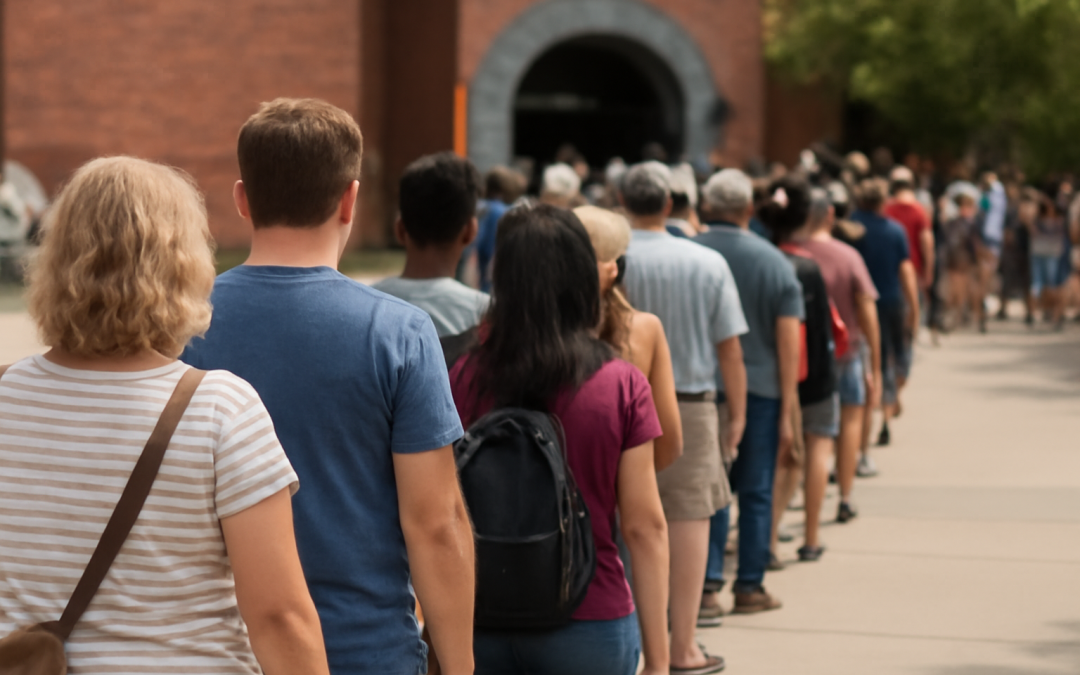
Visiting popular attractions often means encountering long lines, a reality that can test even the most patient traveler’s resolve. Whether it’s a renowned museum, a historic landmark, or a theme park ride, the wait to gain entry or experience a highlight can sometimes feel like a test of endurance. Yet, mastering the art of how to handle long lines at popular attractions can transform a potentially frustrating experience into a manageable and even enjoyable part of the journey. With thoughtful strategies, keen timing, and a positive mindset, it’s possible to make the wait less burdensome and maximize the overall experience.
One of the most effective ways to cope with heavy crowds is to plan ahead. Researching peak hours and busy seasons can provide valuable insights into when lines are likely to be the longest. Many popular destinations experience a surge in visitors during weekends, holidays, and school vacations, so avoiding these peak times whenever possible can significantly reduce wait times. Early morning or late afternoon visits often see fewer crowds, as most tourists and locals tend to arrive midday. Armed with this knowledge, visitors can schedule their day strategically to enjoy key points of interest with minimal time spent in line.
Another proactive approach is to secure tickets or passes in advance. Many attractions now offer timed-entry tickets or skip-the-line passes that allow visitors to bypass the most congested queues. Purchasing such tickets online not only saves time on arrival but also provides the security of knowing exactly when you will enter. While these options sometimes come with an additional cost, the benefits often outweigh the expense, especially if the attraction is a once-in-a-lifetime experience or part of a tightly packed itinerary. Additionally, some attractions have loyalty programs or membership options that grant priority access, so it can be worthwhile to explore and consider these alternatives.
Engaging with the line itself strategically can also alleviate the sense of wasted time. Instead of passively standing, using the queue time to socialize, read, or listen to podcasts can make the wait feel shorter and more productive. For families or groups, having activities or games planned can keep everyone entertained and reduce restlessness. Some attractions have begun introducing interactive experiences within the waiting areas, which can distract and delight visitors during the wait. If no formal entertainment is available, bringing along a book, audiobooks, or a mobile game offers a personal escape and can preserve energy for the attraction ahead.
Physical comfort is another key factor when facing long lines. Ensuring that everyone is dressed appropriately for the weather and has enough water and snacks can prevent discomfort from turning into frustration. Standing for extended periods can be tough, especially for young children, elderly visitors, or those with physical challenges. Bringing a lightweight folding chair or seeking periodic spots to sit, if permitted, can help alleviate physical strain. It’s also wise to wear comfortable footwear, as even the shortest attractions might require considerable standing, and crossed legs or constant shifting can only help so much.
Adopting a positive mindset is crucial. Viewing waiting as part of the shared experience rather than a nuisance can transform one’s attitude. Observing the anticipation around, chatting with fellow visitors, or simply enjoying time outside in good weather can contribute to an uplifting atmosphere. Remembering the worth and excitement of the attraction at the end of the line can bolster patience. Keeping calm and pacing one’s emotions reduces tension not only for oneself but also for companions.
Technology can be a valuable ally when navigating crowds. Many attractions and cities have apps that provide real-time updates on current wait times, crowd levels, and estimated delay. Using these resources helps visitors avoid wasting precious time standing unnecessarily. Some apps also allow users to book virtual queues or reserve spots digitally, allowing for greater flexibility to explore nearby shops or relax instead of physically waiting.
Flexibility in plans is another essential tool in managing long waits. Knowing which attractions are must-sees and which can be skipped or revisited later gives freedom to adapt as conditions change. If a line looks particularly daunting, simply moving on to a less crowded location and returning later can save valuable time and energy. This approach encourages a more relaxed and stress-free experience, preventing burnout and disappointment.
Travelers should also be aware of alternative access points or less obvious attractions nearby. Sometimes, a less popular entrance, secondary exhibition, or parallel attraction offers similar enjoyment without the long wait. Exploring these hidden gems can lead to unique experiences that larger crowds might overlook. Additionally, some attractions offer early access tours for an additional fee, which, although pricier, provide a much quieter and more intimate visit. When time allows, this approach is often well worth the investment.
On a larger scale, understanding how attractions manage crowd flow can prove insightful. Many venues use timed entry, separate lines for groups, single riders, or express passes to distribute visitors efficiently. Being informed about these systems can help visitors choose the options that best suit their needs. For instance, single riders lines are typically shorter, and while they might scatter a group, they offer quicker access to rides or exhibits. Strategic use of such alternatives demonstrates an adaptive and pragmatic approach to long lines.
In some cases, guided tours offer a streamlined entry experience. These tours often have reserved access or early entry privileges, ensuring a smoother, faster journey through crowds. Moreover, a knowledgeable guide provides context and stories that enrich the visit, making the time investment doubly rewarding. For those willing to spend a bit more, combining entry and guide can transform a typical visit into a memorable adventure. Researching and booking guided tours ahead of time can be a key tactic for those intent on maximizing their time at popular spots.
Patience and empathy also play a role in the collective experience of waiting. Recognizing that everyone in line shares the same goal and challenges fosters a cooperative spirit rather than one of competition or frustration. Being courteous, keeping noise levels reasonable, and following posted guidelines create a respectful environment that benefits all visitors. This social harmony can make the line feel less like a chore and more like a shared adventure with strangers.
Finally, hydration and nutrition should never be overlooked when dealing with prolonged waits. Hunger and thirst can quickly turn excitement into irritability, so bringing snacks, staying hydrated, and knowing where to find refreshment points nearby can maintain energy levels. Healthy, compact snacks and a refillable water bottle are essential items for a day at any popular attraction. Managing physical needs well contributes significantly to mental stamina.
Overall, handling long waits at popular tourist locations requires a combination of preparation, adaptability, and mindset. By planning visit times carefully, utilizing technology, securing advanced tickets, and maintaining comfort and positivity, visitors can enjoy a smoother experience. Viewing queues as part of the journey rather than a frustrating obstacle can transform patience into pleasure, allowing travelers to savor every moment of their adventure. Ultimately, the reward lies not only in crossing the attraction off the list but in mastering the art of navigating busy venues with grace and strategy.

by admin | Sep 16, 2026 | Reviews
The Renaissance period represents a profound resurgence of art, culture, and intellectual exploration, a time when the human spirit sought new ways to express itself beyond the rigidity of medieval constraints. One of the most compelling aspects of this era is its relationship with dance, a mode of physical expression that encapsulates personal and collective freedom. Dance during the Renaissance was far more than mere entertainment; it served as a conduit for social interaction, political symbolism, and artistic innovation. Through dance, individuals could explore notions of identity, freedom, and creativity, establishing a lasting legacy that would influence centuries of artistic practice.
The Renaissance era saw an extraordinary revitalization of classical ideals, emphasizing balance, harmony, and proportion. These principles naturally extended to dance, which began to shed the formal and often religiously imbued movements of the Middle Ages in favor of more secular, expressive forms. Dancing was no longer confined to church holidays or courts; rather, it blossomed as an art form that fostered individuality and human connection. Nobles and commoners alike engaged in dances that celebrated vitality and movement, often reflecting the social hierarchies and politics of the day but simultaneously challenging the restrictions placed on personal freedoms through choreographic innovation.
Court dances such as the pavane and the galliard embody the Renaissance spirit. They were structured yet elegant, symbolizing both control and liberation. The pavane’s slow, deliberate steps conveyed dignity and order, mirroring the hierarchical nature of Renaissance society. In contrast, the galliard was lively and more physically demanding, offering an opportunity for dancers to exhibit agility and personal flair. These contrasting styles illustrate the tensions between societal expectations and individual expression. Dance masters, who were highly respected figures at court, crafted complex routines that balanced communal uniformity with moments of improvisation, allowing dancers to experience a sense of freedom within a prescribed framework.
Freedom through dance in the Renaissance also transcended the physical to involve intellectual and emotional dimensions. The choreography of the time often employed symbolism and allegory, turning each movement into a narrative or philosophical statement. Dance became a language through which people could communicate ideas about beauty, heroism, love, and even political power. The intricate patterns traced by dancers were not just visually pleasing; they conveyed messages that reinforced or challenged the prevailing order. This intellectual engagement with physical movement elevated dance from simple pastime to a reflection of the Renaissance humanist ideal—the belief in the potential and freedom of the individual.
Moreover, the Renaissance witnessed the early development of dance notation, a revolutionary step in recognizing dance as an art form worthy of preservation and study. The ability to record dance movements on paper allowed for the dissemination of choreographies beyond their immediate geographic constraints, spreading cultural ideas about freedom and expression across Europe. This innovation helped to standardize dance techniques while encouraging experimentation, as dancers and choreographers learned from one another and pushed the boundaries of what dance could represent. The documentation of dance during this period marks one of the earliest intersections of art and scholarship, reinforcing the Renaissance commitment to knowledge and cultural exchange.
The social function of dance during the Renaissance cannot be overstated, as it was a critical arena for negotiating freedom, especially within the complex structures of courtly life. Dance floors became spaces where social ranks could be both affirmed and subtly subverted. Through masterful performances, dancers could display their social grace, political alliances, and even their wit. The exclusivity of court dance events highlighted the privileges of nobility, yet the shared physicality of dance also created moments of equality and collective joy. This duality allowed dance to operate as a subtle tool of resistance and affirmation, where freedom was enacted bodily amid strict social conventions.
Additionally, the incorporation of music and costume enhanced the experiential freedom found in Renaissance dance. Music composed specifically for dance sequences imbued movement with emotional depth and rhythmic complexity. Costume design, often elaborate and symbolically charged, augmented the visual spectacle and enabled dancers to adopt personas that transcended their daily lives. These creative elements turned dance into a multifaceted experience that freed individuals from ordinary existence, allowing them to embody characters, enact stories, and participate in rituals of transformation. The performative nature of Renaissance dance thus functioned as a form of escapism and self-realization, essential components of cultural freedom at the time.
The impact of dance freedom extended beyond the courts into popular festivities and communal celebrations. Festivals, carnivals, and public dances offered opportunities for broader participation and cross-class interaction. These occasions emphasized the collective joy derived from movement and music, challenging rigid class boundaries and revealing a common human desire for expression. The lively dances of peasants and townspeople, though less formally documented, were equally vital expressions of freedom, often blending regional traditions with innovative steps inspired by courtly styles. This dynamic interplay between elite and popular dance forms illustrates the permeable nature of cultural boundaries during the Renaissance and highlights dance as an enduring symbol of human vitality.
At the heart of the Renaissance’s celebration of dance and freedom is the recognition of the body as an empowered site of knowledge and creativity. The Renaissance humanists emphasized the importance of the whole person, combining mind and body in the pursuit of excellence and beauty. Dance exemplified this philosophy; through precise control, rhythmic awareness, and expressive movement, dancers engaged their physical selves in a dialogue with their intellectual and emotional faculties. This holistic approach to art and existence contrasted sharply with the more ascetic views of earlier periods, framing freedom as a harmonious balance rather than a negation of control.
Furthermore, the legacy of Renaissance dance freedom is evident in the subsequent evolution of Western dance traditions. Baroque court dances, Romantic ballet, and even modern dance owe much to the innovations and cultural attitudes forged during this period. The Renaissance introduced choreography as a sophisticated art form, expanded the audience for dance, and highlighted the transformative potential of movement. These developments laid the groundwork for later artists to explore dance’s capacity to express identity, emotion, and freedom on new levels. Contemporary dancers, whether in classical or experimental settings, continue to draw on the Renaissance’s celebration of movement as a liberating act.
Importantly, the Renaissance approach to dance freedom also challenges modern readers to reconsider the connections between art, society, and personal agency. While the era was marked by many hierarchical structures and limitations, dance reveals a more nuanced picture of how individuals navigated these constraints. The ability to find liberation within formality, to communicate complex ideas through movement, and to engage with communal rituals affirms the human capacity for creativity even under conditions of restriction. This enduring lesson encourages a deeper appreciation of how artistic practices can serve as vehicles for freedom, both historically and in contemporary life.
The resurgence of classical ideals that defined the Renaissance also fostered an appreciation for balance within freedom itself. Dance was never about unbounded chaos but about the disciplined exploration of movement possibilities within a framework of order and elegance. This balance reflects a broader philosophical tension in Renaissance thought between the individual’s right to freedom and the necessity of societal structure. Dance, as a performative art, not only embodied this tension but provided a practical resolution that allowed people to experience freedom through cooperation and shared cultural meaning. In this sense, Renaissance dance stands as an enduring metaphor for the human search for freedom that is both personal and collective.
In examining Renaissance dance, one must also consider the influence of gender and power dynamics in defining the expression of freedom. Dance roles were often clearly delineated along gender lines, with different steps, movements, and symbolic meanings assigned to men and women. However, this division did not preclude the possibility of agency and expression for all participants. Women in particular used dance to carve out spaces for social engagement and self-representation within patriarchal structures. The elegance expected of female dancers communicated ideals of grace and virtue, while also providing a platform for social visibility and influence. Men’s dances, characterized by leaps and vigorous movements, signaled virility and strength. Together, these gendered expressions contributed to a complex dialogue about identity and freedom on the dance floor.
The sustained popularity and evolution of dance throughout the Renaissance makes clear that its role was far more than superficial or recreational. It was an essential element of cultural production and human experience. Dance embraced the era’s spirit of inquiry and transformation, allowing individuals to experiment with the boundaries of their bodies and social roles. The freedom found in dance was simultaneously personal—offering moments of transcendence and joy—and political, engaging with and sometimes resisting the power structures that framed daily life. In doing so, Renaissance dance established itself as a vital expression of the era’s deepest aspirations toward human freedom and artistic achievement.
In conclusion, the dance of the Renaissance epitomizes a dynamic interplay between tradition and innovation, constraint and liberation, body and mind. It serves as a powerful symbol of the era’s humanist priorities and its unyielding quest for freedom—freedom not only in movement but in thought, identity, and community. Through dance, individuals of the Renaissance were able to articulate their desires for self-expression, social engagement, and intellectual fulfillment, leaving an artistic heritage that continues to inspire and inform contemporary understandings of freedom. Ultimately, the Renaissance proves that freedom, while never absolute, flourishes most profoundly when expressed through the creative and disciplined movement of the human body.

by admin | Sep 15, 2026 | Reviews
In a musical landscape often dominated by fleeting trends and formulaic productions, *Pop Noir* emerges as a compelling testament to the enduring allure of atmospheric pop infused with a darker, more introspective edge. This album invites listeners into a sonic world where shadowy synths mingle with haunting melodies, evoking a sense of nocturnal mystery and emotional depth rarely explored in contemporary mainstream pop. From the very first track, the mood is set with a cinematic quality that feels both intimate and expansive, allowing the artist to navigate themes of longing, identity, and the human experience with both vulnerability and confidence.
The production throughout *Pop Noir* is carefully layered and textured, showcasing a meticulous attention to detail that rewards repeated listens. Synthesizers shimmer with a neon glow, while pulsating bass lines provide a steady heartbeat beneath the atmospheric instrumentation. This blend of retro-futuristic sounds married to modern pop sensibilities creates an immersive experience that feels simultaneously nostalgic and fresh. The album’s soundscape is vast, shifting effortlessly between moments of energetic intensity and quiet introspection, which keeps the listener engaged and emotionally connected from start to finish.
Lyrically, *Pop Noir* excels in storytelling, using metaphor and evocative imagery to delve into universal emotions—love, loss, hope, and despair—without ever becoming clichéd or overly sentimental. The songwriting strikes a delicate balance: it’s evocative yet accessible, poetic yet grounded. By avoiding straightforward narratives, the lyrics invite listeners to project their own experiences and feelings onto the music, deepening personal engagement and resonance. This is especially evident in the more contemplative tracks, where the sparse arrangements and haunting vocal delivery amplify the introspective mood.
The vocal performance on *Pop Noir* demonstrates a remarkable range and emotional nuance. The artist’s voice shifts effortlessly from breathy whispers to soaring choruses, capturing the tension between fragility and strength that defines much of the album’s thematic core. There is a raw honesty in the delivery here, a sense that the artist is unafraid to lay bare their inner world even as they cloak it in a veneer of stylized darkness. This vulnerability is a key element in what makes the album so compelling and relatable, bridging the gap between the personal and the universal.
One of the album’s standout features is its seamless blend of genres, showing an impressive versatility in its influences. While the foundation remains firmly rooted in synth-pop, there are clear nods to new wave, electronic, and even elements of trip-hop and indie rock. This eclectic approach enriches the listening experience, preventing the album from falling into predictable patterns and highlighting the artist’s willingness to experiment within the boundaries of pop music. Tracks vary in tempo and intensity, from driving, danceable beats to more subdued, atmospheric compositions, creating a dynamic ebb and flow that sustains interest throughout the record.
A key aspect that sets *Pop Noir* apart is its ability to evoke a strong sense of place and time despite its genre-melding tendencies. Listening to the album often feels like being enveloped in a neon-lit cityscape at twilight, with all the complexity and nuance that such a setting implies. This urban nocturne vibe is not merely an aesthetic choice but deeply intertwined with the album’s themes, exploring the contradictions and complexities of modern life—alienation and connection, isolation and community, despair and hope. Such a vivid sonic imagery creates an immersive experience that is as much about mood and atmosphere as it is about melody and lyrics.
Outstanding tracks such as the brooding opener grab attention immediately with their compelling hooks and layered instrumentation, setting a high bar for the rest of the album. Mid-album songs often delve deeper into introspective territories, offering quieter moments that highlight lyrical sophistication and emotional intimacy. These shifts in mood and pacing showcase strong songwriting and an understanding of album structure as a narrative device. Rather than sequencing songs purely for radio-friendly appeal, the track order encourages the listener to embark on a journey, one that unfolds gradually and reveals new facets upon each playthrough.
Another notable element is the album’s use of contrast, both sonically and thematically. Bright melodies are often juxtaposed with darker lyrical content, creating a tension that keeps the music engaging and thought-provoking. This interplay allows *Pop Noir* to explore themes of duality—light and shadow, joy and sorrow—without ever feeling heavy-handed or overwrought. Instead, these contrasts serve to deepen the emotional impact, resonating long after the listening experience ends.
The album’s artwork and visual presentation complement its musical themes perfectly, reinforcing its identity as a carefully crafted work of art. The visual aesthetics—often featuring stark contrasts of light and darkness, urban motifs, and stylized imagery—enhance the immersive quality of the music, encouraging listeners to engage not just with the sound but with the atmosphere and mood that the artist has created. This attention to the visual component further elevates *Pop Noir*, positioning it as a multidimensional experience that transcends the boundaries of conventional pop music.
While the album firmly establishes a unique mood and sonic palette, it also demonstrates an impressive accessibility. *Pop Noir* manages to balance artistic ambition with catchy melodies and hooks that remain memorable without sacrificing depth or complexity. This balance is a difficult one to strike but is essential for an album aiming to appeal to both casual listeners and more discerning music fans. It invites exploration and rewards it, offering layers of meaning and sonic detail that reveal themselves gradually, encouraging repeated listens and sustained engagement.
In terms of broader cultural relevance, *Pop Noir* comes at a moment when there is a growing appetite for music that offers more than surface-level enjoyment. Audiences are increasingly seeking out artists who communicate honestly about their experiences and emotions while experimenting with new sounds and approaches. This album fits perfectly within that movement, providing a fresh voice that is both contemporary and timeless. It reflects the complexities of modern existence while remaining thoroughly rooted in the pop tradition, making it a compelling listen for those who want their music to challenge, inspire, and resonate.
What also deserves mention is the collaborative effort behind the album’s creation. The production, songwriting, and instrumental performances all show a high level of craftsmanship and synergy. There is a clear vision guiding the project, yet it is executed with a fluidity and openness that allows each contributor’s strengths to shine through. This cohesive teamwork is essential in realizing the album’s ambitious sound and emotional scope, resulting in a polished yet organic listening experience.
Moreover, *Pop Noir* demonstrates a confident embrace of mood and tone as fundamental elements of pop music. In an industry often preoccupied with beats per minute and chart positions, this album reminds listeners that atmosphere and emotional nuance can be just as vital in creating impactful songs. It underscores the importance of sonic texture and the power of subtlety, showing that pop music can be both accessible and artistically rich. This approach not only sets *Pop Noir* apart but also contributes to the evolving definition of what pop music can be in the 21st century.
The album also addresses contemporary themes of identity and self-discovery, often exploring the tensions between external expectations and internal desires. Through its lyrics and mood, it captures the struggles and triumphs inherent in defining oneself in a world that is increasingly complex and fragmented. This emotional honesty adds an additional layer of meaning to the music, making it not only enjoyable but also relevant and thought-provoking.
In conclusion, *Pop Noir* is a masterful work that redefines the boundaries of synth-infused pop music. It combines rich, moody production with intelligent songwriting and expressive vocals to create an immersive and emotionally resonant listening experience. Far from being just another entry in the pop landscape, it stands out as a haunting and evocative journey into the interplay of light and shadow, sound and silence, joy and sorrow. This album invites listeners to lose themselves in its depths, promising both catharsis and connection, and firmly establishing itself as a noteworthy milestone in contemporary music.