by admin | Aug 17, 2026 | Reviews
In the realm of children’s literature, few works have sustained such enduring appeal and critical acclaim as the tale that unfolds in a seemingly ordinary wardrobe. This narrative weaves together elements of fantasy, adventure, and moral allegory, inviting readers into a world where innocence confronts darkness and hope prevails despite overwhelming odds. From its captivating characters to its richly imagined setting, this story has become a cornerstone of literary discussion, particularly for its intricate blend of symbolic meaning beneath an engaging adventurous façade.
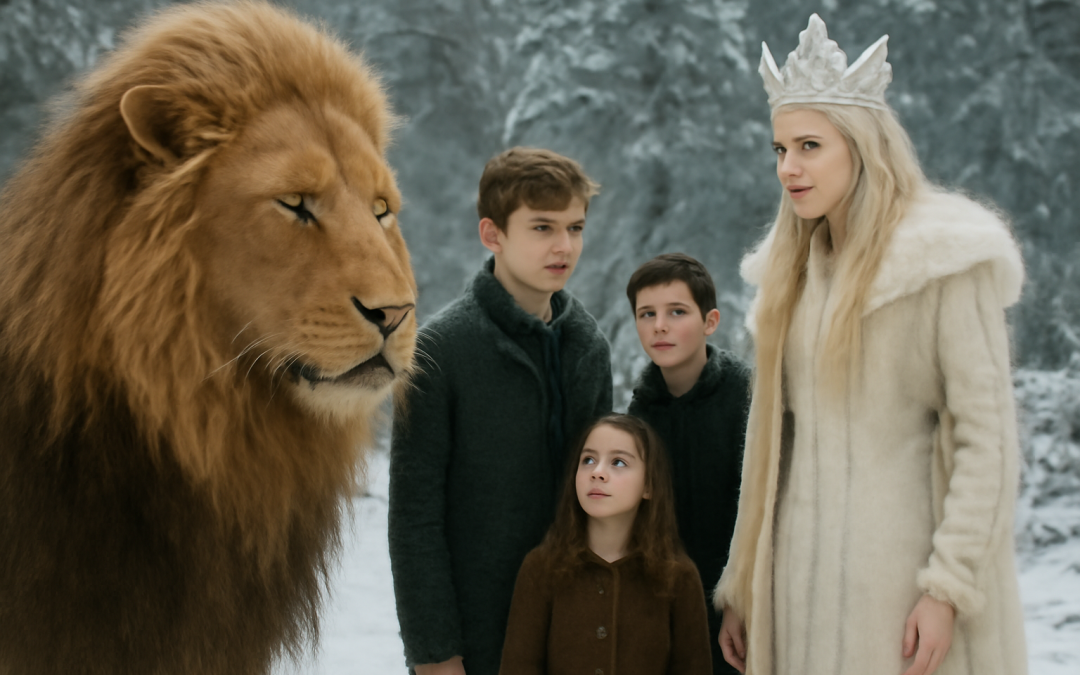
At the heart of the story lies a journey that begins with an innocent act of curiosity—four siblings seeking refuge from wartime dangers stumble upon a magical portal leading to a realm trapped in eternal winter. What follows is a complex interplay of power, betrayal, and redemption, anchored by the characters’ evolving relationships and personal growth. The white witch, a figure embodying cold tyranny and fear, holds the land in a frozen grip, denying the inhabitants the warmth and renewal symbolized by spring’s return. Opposing her is a majestic lion whose presence evokes strength, sacrifice, and the hope for liberation. This duality not only drives the plot forward but also serves as a foundation for interpreting the narrative as a layered allegory.
The allegorical dimensions embedded in this tale offer fertile ground for analysis, particularly in its allusion to spiritual and moral themes. Beyond the surface adventure lies a meditation on sacrifice and resurrection, themes that resonate deeply with a broad audience. The lion, often perceived as a Christ-like figure, sacrifices himself to save another and later rises triumphantly, delivering ultimate justice and restoring balance to the realm. These powerful motifs enrich the story, enabling multiple readings and a deeper appreciation of its symbolic complexity. Additionally, the struggle between good and evil unfolds through the characters’ choices, emphasizing the enduring importance of courage, loyalty, and forgiveness.
The depiction of childhood innocence in this narrative is both tender and realistic, imbuing the characters with qualities that enhance the story’s appeal. The siblings each embody distinct traits—from adventurous bravery to thoughtful prudence—that facilitate varied interactions with the magical world. Their encounters challenge preconceived notions and prompt them to grow and adapt, reinforcing the timeless theme that growth often arises out of adversity. This multifaceted portrayal of youth invites readers of all ages to connect, reflect, and learn alongside the protagonists.
Setting plays a crucial role in enhancing the story’s atmosphere and thematic resonance. The enchanted land, with its snow-covered landscapes and hidden mystical creatures, offers a vivid backdrop that complements the narrative’s emotional highs and lows. The perpetual winter imposed by the white witch is a powerful metaphor for oppression and despair, while the eventual thaw symbolizes renewal and hope. This contrast serves not only to heighten suspense but also to underscore the story’s larger message of transformation—both personal and societal. Moreover, interactions with fantastic beings such as fauns, talking animals, and spirits contribute to the richness of the world-building, inviting readers to immerse themselves fully in this imaginative universe.
One of the story’s strengths lies in its ability to balance universal themes with accessible storytelling. While the allegory provides depth, the adventure elements sustain engagement through thrilling encounters, dramatic confrontations, and moments of humor and warmth. This fusion protects the story from becoming overly didactic, instead presenting moral lessons in a compelling, organic way. Such balance ensures that the narrative remains a captivating read, encouraging both children and adults to revisit it over time. The tension between light and darkness, innocence and experience, continues to resonate because it reflects fundamental human experiences.
Character development is another area where the story excels. Each sibling undergoes a journey that tests their character and reveals latent strengths. Through trials and challenges, they learn to trust themselves and one another, cultivating virtues that are pivotal to their ultimate success. Their individual stories intertwine seamlessly, creating a tapestry of interpersonal dynamics that enhances the emotional impact. Perhaps most striking is the transformation of the youngest, whose curiosity propels much of the narrative and whose courage ultimately aids in overcoming the witch’s machinations. Such character arcs offer readers relatable models of growth, resilience, and empathy.
The interplay of fantasy and allegory extends to the story’s depiction of power and authority. The white witch’s reign is marked by fear and control, manipulating others through enchantments and deception. Her coldness contrasts sharply with the lion’s warm majesty, offering a clear representation of tyrannical versus benevolent leadership. This conflict invites reflection on the nature of authority, justice, and redemption, suggesting that true power arises not from fear but from selflessness and love. The narrative’s resolution affirms that oppressive regimes are ultimately unsustainable, a timeless lesson that echoes across cultures and historical contexts.
Another remarkable aspect is the story’s treatment of sacrifice and forgiveness. The lion’s willing submission to a fate he does not deserve illustrates an act of supreme compassion and bravery. His resurrection not only symbolizes hope but also demonstrates the power of forgiveness to heal and restore broken relationships. This theme transcends the confines of the narrative world, offering a message that has resonated deeply with religious and secular audiences alike. It reinforces the belief that love and sacrifice are transformative forces capable of overcoming even the darkest evils.
Beyond its thematic and narrative strengths, the story’s language and style contribute to its enduring popularity. The prose is accessible yet evocative, striking a balance between simplicity and literary richness that appeals to readers across age groups. Descriptive passages conjure vivid images without overwhelming the reader, while dialogue reveals character nuances and advances the plot effectively. This stylistic approach complements the story’s blend of allegory and adventure, making it an ideal entry point into the fantasy genre for younger readers while still engaging more mature audiences.
The cultural impact of this story cannot be overstated. Since its publication, it has inspired numerous adaptations in film, theater, and other media, each exploring different facets of its rich narrative. These adaptations have introduced the tale to wider audiences, ensuring its themes and characters remain relevant and influential. The story’s ability to speak across generations attests to the power of its allegorical core combined with its adventurous spirit. It continues to spark conversations about morality, faith, and courage, illustrating the vitality of well-crafted storytelling.
It is also important to consider the story’s place within a broader literary tradition. Drawing from myth, folklore, and religious symbolism, it stands alongside classics that use fantasy to explore profound truths about human nature and society. The merging of fantastical elements with moral allegory invites comparisons with other enduring works, yet its unique voice and narrative charm set it apart. This integration of different genres and themes exemplifies the creative possibilities inherent in fantasy literature and underscores its potential as a medium for serious reflection.
In conclusion, the narrative’s unique combination of allegory and adventure offers a compelling and multifaceted experience. It masterfully interlaces spiritual and moral symbolism with engaging plotlines and vibrant characters, providing both entertainment and enlightenment. Its lasting appeal lies in this ability to speak to the imagination and the conscience simultaneously, inviting readers into a world where courage, sacrifice, and hope triumph over tyranny and despair. As a touchstone of children’s literature and a profound allegorical work, it continues to inspire reflection and wonder, reaffirming the power of storytelling to shape hearts and minds across generations.

by admin | Aug 16, 2026 | Reviews
J.R.R. Tolkien’s masterpiece, *The Fellowship of the Ring*, marks the beginning of an epic journey that has captivated readers for generations. The novel serves as the gateway to Middle-earth, introducing readers not only to a richly imagined world but also to a complex tapestry of characters, themes, and adventures. More than just a fantasy story, it weaves together the ideas of friendship, sacrifice, and the struggle between good and evil, all centered around the pivotal quest to destroy the One Ring. The depth of Tolkien’s world-building and the intricate relationships of the fellowship make this work a cornerstone of modern fantasy literature.
At its core, the story revolves around the formation of the Fellowship, a group united by their common goal to prevent the Dark Lord Sauron from reclaiming the One Ring and thus plunging the world into darkness. The Fellowship consists of nine members: Frodo Baggins, the humble hobbit tasked with carrying the Ring; his loyal friends Samwise Gamgee, Meriadoc Brandybuck, and Peregrin Took; the wise wizard Gandalf; the noble Aragorn; the steadfast Boromir; the mysterious Legolas; and the stoic Gimli. The dynamic between these characters highlights themes of diversity and unity, emphasizing that strength is found not just in power but in cooperation and trust.
One of the strengths of the narrative is Tolkien’s ability to balance the epic scope of the quest with the intimate, personal struggles of the characters. Frodo’s burden as the Ring-bearer is both a literal and metaphorical weight, representing the temptation of power and the resilience required to resist corruption. His journey is fraught with peril, but it also reveals his growth from a simple hobbit of the Shire into a figure of profound courage and resolve. This personal dimension elevates the novel beyond a mere adventure story, inviting readers to contemplate the nature of sacrifice and the cost of heroism.
The setting itself is a remarkable feat of imagination. Tolkien’s Middle-earth is detailed and vivid, with diverse landscapes ranging from the peaceful Shire to the dark, foreboding Mines of Moria and the ancient woods of Lothlórien. These locations are not only backdrops but integral to the story, influencing the characters and the tone of their journey. The language Tolkien uses to describe these realms is poetic yet accessible, painting pictures that immerse readers fully into the fantasy world. Additionally, the inclusion of different races and cultures adds layers of complexity and richness to the narrative, showcasing Tolkien’s deep lore and history.
The novel also delves into themes of loyalty and leadership. Aragorn, as the rightful heir to the throne of Gondor, embodies the responsibilities and burdens of leadership. His reluctant acceptance of his destiny and his unwavering commitment to the quest serve as a counterpoint to Frodo’s more personal and vulnerable mission. The Fellowship’s interactions often revolve around conflicts and alliances shaped by different worldviews and loyalties, yet their ultimate goal unites them. Boromir’s internal struggle and eventual redemption highlight the fragility of human nature and the enduring power of remorse and courage.
Tolkien’s portrayal of evil in *The Fellowship of the Ring* is equally nuanced. The Ring itself is a symbol of absolute power and its corruptive influence, and it functions almost as a character in its own right, exerting its will over those who come into contact with it. This malevolent force adds a psychological dimension to the story, as characters must confront their own desires and fears. The ever-present threat of Sauron’s shadow looms over the narrative, infusing it with tension and urgency, but it also serves to highlight the bravery of those who stand in opposition to darkness.
In addition to the high stakes and grand battles, the novel is rich with moments of reflection and quiet beauty. The Fellowship’s journey is interrupted by periods of respite where friendship and appreciation for their environment shine through. Scenes in Rivendell and Lothlórien, in particular, offer a sense of sanctuary and wisdom, contrasting with the danger that surrounds the travelers. These moments deepen the emotional impact of the story, reminding readers that hope and light can still be found amidst encroaching darkness.
The pacing of the narrative is carefully crafted, allowing the reader to absorb the magnitude of the journey while maintaining suspense. Early chapters introduce the Shire and its simple charms, grounding the story in familiarity before plunging into the wider world of Middle-earth. As the Fellowship departs Rivendell and their path grows more perilous, the tone becomes increasingly tense and urgent, culminating in the harrowing events in the Mines of Moria. The sense of impending doom and the sacrifices made along the way heighten the emotional stakes, culminating in a climax that sets the stage for the following volumes.
Tolkien’s linguistic expertise is evident throughout the novel. He incorporates invented languages and names, which add authenticity and depth to the world-building. This linguistic detail not only enriches the reading experience but also demonstrates Tolkien’s meticulous attention to cultural and historical consistency. The prose is both lyrical and precise, balancing descriptive passages with dialogue that reveals character and advances the plot. This combination makes the narrative accessible yet immersive, a hallmark of Tolkien’s storytelling.
The friendships within the Fellowship are among the most compelling aspects of the novel. The rapport between Frodo and Sam exemplifies loyalty and devotion, providing an emotional anchor for the story. Sam’s unwavering support for Frodo, often in the face of overwhelming despair, underscores the importance of companionship in the face of adversity. The camaraderie between the members of the Fellowship, despite their varied backgrounds and sometimes conflicting personalities, underscores a powerful message about unity and cooperation.
Moreover, *The Fellowship of the Ring* explores the concept of destiny and free will. Several characters, including Frodo, Aragorn, and Gandalf, are aware of the larger forces at play but must navigate their own choices within these constraints. This interplay adds philosophical depth to the story, encouraging readers to consider the balance between fate and agency. The characters’ struggles with temptation, doubt, and responsibility make their victories and sacrifices more meaningful.
In summary, *The Fellowship of the Ring* is a masterful blend of adventure, mythology, and character study. Its success lies in Tolkien’s ability to create a world that feels both vast and intimate, where the fate of all rests on the shoulders of the smallest and seemingly least significant individuals. The themes of friendship, sacrifice, and the battle against overwhelming darkness resonate deeply, making the novel not only a thrilling quest but also a profound exploration of the human spirit. For those willing to embark on this journey, it offers an unforgettable reading experience filled with wonder, emotion, and timeless truths.

by admin | Aug 15, 2026 | Reviews
From its very first frames, the film invites the audience into a world brimming with enchantment, wonder, and the unmistakable thrill of discovery. The story follows a seemingly ordinary boy who learns that he is anything but, thrust into a realm of magic, mythical creatures, and an age-old battle between good and evil. This cinematic journey is not just a visual feast but an emotional one, capturing the innocence of childhood and the profound impact of belonging and bravery. Through its vivid storytelling and immersive atmosphere, the movie captures the essence of fantasy and adventure, easily capturing the imagination of audiences both young and old.
With carefully crafted characters, the narrative introduces us to a boy who has lived a difficult life, largely unaware of his true heritage and potential. The transformation that the protagonist undergoes is central to the story’s charm, as he transitions from an unassuming child into a hero in the making. The supporting cast, from loyal friends to quirky mentors, enhances this journey, each bringing depth and warmth to the unfolding tale. Their interactions weave together a rich tapestry of friendship, loyalty, and courage, emphasizing the power of unity and the importance of standing against darkness.
One of the film’s most impressive achievements lies in its ability to translate an intricate world of magic into a believable, tangible setting. The craftsmanship involved in creating everything—from towering castles to enchanted classrooms—is nothing short of extraordinary. Visual effects are used sparingly but effectively, ensuring that the magical elements never feel overwhelming or detract from the story’s emotional core. Instead, the magic becomes an extension of the characters’ experiences, making their world feel authentic and lived-in. The blending of practical sets with visual technology invites viewers to suspend disbelief and fully immerse themselves in the fantasy without losing sight of the human emotions at its heart.
The story’s pacing is deliberate yet engaging, giving audiences time to understand the rules and lore of this magical universe. The narrative balances moments of suspense with lightheartedness, making it accessible to a broad audience. Themes of courage, identity, and the struggle between right and wrong resonate throughout, encouraging viewers to reflect on their own values and choices. The screenplay skillfully balances exposition with action, ensuring that the plot progresses smoothly while allowing for moments of character development and mystery.
Casting choices further elevate the film, with actors who bring authenticity and charm to their roles. The protagonist’s portrayal captures the essence of youthful curiosity and resilience, making him relatable and compelling. The chemistry among the three main friends feels natural, highlighting the importance of camaraderie in facing challenges. The nuanced performances of the antagonists add layers of complexity, making the story’s conflicts feel genuine rather than one-dimensional. The talent behind the camera and in front of it merge seamlessly, breathing life into the written page and transforming it into an unforgettable cinematic experience.
Musically, the score complements the film’s magical atmosphere, enhancing moments of suspense and awe alike. The orchestral arrangements evoke a timeless quality, fitting perfectly with the story’s themes of ancient secrets and coming-of-age adventures. Sound design also helps to envelop viewers in this enchanted world, with subtle audio cues that heighten the sense of wonder and danger. These auditory elements work in harmony with the visual storytelling, creating a fully immersive sensory experience that resonates long after the credits roll.
Beneath the spectacle of spells and mythical settings lies a universal story of self-discovery and courage. At its core, this film explores what it means to face the unknown and embrace one’s true identity amidst adversity. It reminds viewers that heroism often begins with small acts of bravery and kindness and that friendship and loyalty are powerful forces in overcoming darkness. These themes are woven throughout the narrative with care and subtlety, making the story not just entertaining but also meaningful and inspirational.
The screenplay also cleverly incorporates humor, often stemming from the quirks and personalities of its young characters. These light moments bring balance to the storyline, preventing any sense of heaviness or gloom. This interplay of humor and tension is crucial, as it keeps the narrative engaging and relatable. The film’s ability to navigate between these tonal shifts is a testament to its thoughtful writing and direction, ensuring that audiences of all ages can find something to cherish.
Visually, the cinematography captures the contrasts between the familiar and the fantastical. Scenes within the protagonist’s ordinary world are depicted with muted tones and restrained framing, emphasizing his mundane beginnings. In contrast, moments spent within the magical realm burst with vibrant colors and dynamic camera movements, amplifying a sense of discovery and excitement. This visual dichotomy underscores the protagonist’s journey, symbolizing a transition from confinement to freedom and self-realization.
The script carefully constructs a hierarchy of magical education, introducing rules, traditions, and challenges that enrich the plot without overwhelming it. The protagonist’s experiences at the school feel authentic, highlighting the joys and trials of learning something entirely new. This educational backdrop grounds the story, making the fantasy elements more believable and providing a framework for character growth. The inclusion of magical creatures and legendary artifacts adds layers of intrigue, fueling the narrative’s momentum and offering moments of wonder that captivate the imagination.
Importantly, the film also delves into themes of destiny and choice, presenting the idea that everyone has a path but that it is ultimately shaped by the decisions they make. The protagonist’s struggle against a looming darkness is not only a physical battle but a moral one, underscoring the importance of integrity and sacrifice. This moral dimension enriches the plot, elevating it beyond a simple tale of adventure and into a timeless narrative about good versus evil.
The film’s conclusion sets the stage for further adventures, leaving audiences eager to see what lies ahead. It resolves key plot points while maintaining enough mystery and suspense to sustain interest. The emotional payoff is satisfying, as the character arcs reach meaningful milestones and the overarching themes are reinforced. This balance of closure and anticipation is essential, providing a fulfilling viewing experience that encourages repeat watches and continued engagement with the story.
At every level, from writing and acting to design and music, the production quality exemplifies dedication to storytelling. The collaboration between creative teams results in a cohesive work that respects the source material while crafting its own identity. This film is a celebration of imagination and storytelling craft, offering a gateway to a magical world that feels both wondrous and enduring. Its impact on popular culture is undeniable, inspiring countless fans and sparking a renewed interest in fantasy cinema.
Ultimately, the enduring appeal lies in its capacity to connect emotionally and transport audiences beyond the constraints of everyday life. It is a testament to the power of stories to inspire, challenge, and bring people together. The film reminds viewers that within each of us lies a spark of magic—waiting to be uncovered through courage, friendship, and the willingness to embrace the unknown. As such, it remains a beloved introduction to a larger universe that continues to enchant and captivate generations.
To appreciate the full magic of this film is to recognize how it weaves timeless storytelling with innovative cinematic techniques. Its faithfulness to character development and atmospheric world-building makes it a standout in its genre. The movie not only entertains but also invites reflection on themes that resonate deeply with human experience. This blend of fantasy and reality crafts a narrative that is as meaningful as it is captivating, ensuring its place as a cherished classic in the landscape of modern film.
In summation, this cinematic journey merges heart, imagination, and artistry into a seamless whole. It invites viewers to rediscover the joy of magical discovery and the enduring power of friendship and bravery. More than just a fantasy tale, it becomes a beacon of hope and possibility, encouraging audiences to believe in the extraordinary potential within themselves. This story is where the magic begins, and it leaves an indelible mark on all who venture into its enchanted world.

by admin | Aug 14, 2026 | Reviews
The Color Purple stands as a monumental work in American literature, offering a profound exploration of voice and identity within a historical context often marked by silence and invisibility. Alice Walker’s novel is not merely a story; it is a powerful testament to resilience, self-discovery, and the innate human yearning for expression. At its core, the narrative unfolds through the intimate and revealing letters of Celie, a black woman in the early 20th century American South, who gradually uncovers her own self-worth amid overwhelming oppression.
From the very beginning, Celie’s voice emerges from a place of subjugation, as she endures physical, emotional, and sexual abuse at the hands of those who should protect her. The raw authenticity of her narration invites readers deep into her personal struggles and triumphs. As the story progresses, the gradual transformation in Celie’s voice becomes the beating heart of the novel. Walker masterfully captures the evolution of a character finding the courage to speak her truth and assert her identity against forces designed to silence her.
What makes this narrative exceptionally compelling is the way it juxtaposes themes of pain with the discovery of sisterhood and solidarity. Celie’s relationships with other women—especially with Shug Avery and her sister Nettie—serve as conduits for healing and empowerment. The Color Purple does not soften the brutal realities faced by its characters; instead, it embraces them and reveals the strength that arises from confronting trauma and seeking connection. These connections provide Celie with new perspectives and hope, helping her to reclaim her voice and reshape her understanding of herself.
The stylistic choice of epistolary form—a series of letters addressed initially to God and later to her sister—allows for an intimate glimpse into Celie’s innermost thoughts and feelings. This narrative structure is more than just a storytelling device; it mirrors the theme of finding a voice within enforced silence. Each letter is a step toward self-expression, a declaration of existence, and a plea for recognition. This technique immerses readers in the protagonist’s internal world and creates a sense of immediacy and emotional intensity that invites deep empathy.
The historical and cultural context woven throughout the novel enriches its themes further. Set during a period of intense racial and gender discrimination, The Color Purple exposes the multifaceted layers of oppression experienced by African American women at the intersection of race, gender, and poverty. The systemic injustice that colors the backdrop of Celie’s life is portrayed realistically and unflinchingly, yet it never diminishes the humanity or vibrancy of the characters. Rather, it highlights the courage required to resist and transcend societal constraints.
Moreover, spirituality plays a significant and nuanced role in the novel’s portrayal of voice. Celie’s initial letters to God represent her childhood understanding of faith, marked by fear and confusion. However, as her story unfolds, her spiritual perspective transforms into something more personal and empowering. This evolving spirituality resembles a reclaiming of her connection to the divine on her own terms—an essential aspect of her journey toward self-assertion and liberation. Walker challenges traditional religious dogma while opening avenues for a more inclusive, compassionate, and individualized spirituality.
Another crucial element that enriches the novel is its candid depiction of sexuality and identity. The Color Purple boldly addresses topics that were often taboo in literature of its time, especially relating to lesbian relationships and female desire. The relationship between Celie and Shug Avery is portrayed with warmth and realism, adding depth and complexity to Celie’s character. This exploration of sexuality is linked to the broader theme of finding one’s authentic voice; it symbolizes refusal to be confined by societal expectations and celebrates the freedom that comes from embracing one’s true self.
Alice Walker’s prose reflects the vernacular speech of her characters, adding authenticity and texture to the narrative voice. This linguistic choice reinforces the sense of immediacy and personal connection, making the reader feel as though they are being confided in directly. It also symbolizes cultural identity and heritage, affirming value in a voice that mainstream literature had often marginalized. This stylistic approach challenges traditional standards of literary language, emphasizing that power and beauty lie in the oral traditions and lived experiences of ordinary people.
The novel’s emphasis on empowerment is not limited to Celie alone but extends to a broader portrayal of womanhood and resilience. Characters such as Sofia, who resists submissiveness with fierce dignity, and Nettie, who pursues education abroad to create a better future, contribute to a mosaic that celebrates diverse experiences and forms of strength. This ensemble of women’s stories underscores the idea that voice and identity are deeply connected to community and shared struggle. Through these interconnected lives, Walker illustrates how individual empowerment can ripple outward, fostering collective change.
Importantly, The Color Purple also critiques patriarchal oppression while avoiding one-dimensional villainy. The men in the story are complex, flawed, and sometimes capable of growth. For instance, the character of Mr. ______, Celie’s abusive husband, eventually experiences transformation, highlighting themes of redemption and the possibility of change. This complexity adds realism to the novel and deepens its exploration of human relationships. It suggests that the journey toward finding one’s voice is not solely about confrontation, but also about forgiveness, understanding, and healing.
The narrative also challenges the reader to consider the power dynamics embedded within family and social structures. Celie’s journey towards independence entails redefining her relationships—crafting boundaries, claiming space, and asserting autonomy. It reveals how voice is intricately tied to power and control but also to love and empathy. Walker conveys that gaining a voice is as much about self-acceptance as it is about navigating the external world with courage and integrity.
In terms of literary impact, The Color Purple has earned a place as a classic that continues to resonate with contemporary audiences. Its exploration of voice, identity, and liberation transcends its specific historical setting to address universal human experiences. The novel has inspired adaptations in theater and film, attesting to its emotional and cultural significance. Its enduring legacy lies precisely in its ability to give a voice to those who have long been unheard, and in doing so, it reshapes cultural narratives around race, gender, and power.
Reading The Color Purple is an immersive experience that confronts the reader with both sorrow and hope. It invites reflection on how silence is imposed and maintained through social structures, but also how it can be broken through courage, connection, and self-expression. Celie’s journey is emblematic of a larger struggle for recognition and respect, one that continues to hold relevance in today’s ongoing conversations about equality and justice.
Ultimately, the novel is a celebration of voice found—both the personal voice of one woman and the collective voice of those historically marginalized. It is a call to acknowledge the power embedded in storytelling and to listen actively to voices that have been pushed to the margins. The Color Purple offers an unflinching yet hopeful portrayal of transformation, reminding us that every individual’s story matters and that reclaiming one’s voice is an act of profound liberation.

by admin | Aug 13, 2026 | Reviews
In a world where emotions are regulated, memories are shared selectively, and individuality is suppressed for the sake of societal harmony, the concept of control takes on a profoundly new dimension. The story unfolds in a seemingly utopian community, where every aspect of life is meticulously managed to prevent conflict, pain, and inefficiency. However, beneath this serene exterior, a simmering tension brews—one involving the control of memory and the implications it has on free will, identity, and humanity itself. This controlled manipulation of collective memory becomes the very axis upon which the entire society balances, raising profound questions about freedom and the cost of order.
The narrative centers around a young protagonist who is chosen to inherit the memories of the past from an elder known as the Receiver. This Receiver holds a unique and almost sacred role, carrying the burden of memories that no one else in the community is permitted to know or experience. Through this position, the Receiver becomes the keeper of history, pain, and pleasure that were deliberately removed to maintain societal tranquility. The passing of memories serves as both a gift and a curse, offering deep insight into human experience but also exposing harsh realities that challenge the foundations of the society itself.
This dynamic between control and memory is the heart of the story. The community’s strict governance over individual experiences and emotions stems from a collective agreement to avoid the chaos of human nature’s darker facets. By limiting knowledge and orchestrating every aspect of life, the society aims to create an environment devoid of suffering. But in doing so, it sacrifices the richness of life—spontaneity, choice, and emotional depth—to a bland uniformity. This raises the question of whether the elimination of pain justifies the loss of freedom and the true essence of living.
The Receiver’s journey is one fraught with revelation and internal conflict. As memories flood in, the protagonist gains awareness of colors, love, war, and loss—experiences long-forgotten in the commune’s pursuit of sameness. This awakening provides a stark contrast to the community’s emotionally restrained existence. It also imposes a heavy psychological burden, as the young Receiver grapples with feelings that others are deliberately kept from having. This duality of enlightenment and isolation elegantly captures the cost of bearing truth in a world engineered to avoid it.
A crucial aspect of the story’s tension arises from the relationship between the Receiver and the community’s leadership, who enforce the strict rules regarding memory and emotional expression. This authoritarian structure, while ostensibly created to protect its citizens, exemplifies how control can be wielded under the guise of benevolence. The leadership’s fear of chaos leads to an oppressive system in which every choice is preordained and every deviation punished. Such a scenario reflects real-world tensions around governance, surveillance, and the price societies pay for perceived security.
Further complicating the narrative is the ethical dilemma faced by the protagonist as he confronts the limitations imposed on his people. With the knowledge of history and pain comes the realization of what has been lost—freedom, love, and the ability to shape one’s own destiny. The Receiver’s resistance to blindly accepting the community’s rules is a powerful act of defiance and a plea for individuality. Through this character’s inner turmoil, the story explores the deep human need for autonomy and authentic experience, making it resonate beyond its dystopian setting.
The thematic exploration of memory as a form of control is particularly compelling in today’s digital age, where information can be curated, hidden, or erased with ease. This allegory reminds readers that while memories—both personal and collective—can be sources of pain, they also provide identity, continuity, and meaning. The deliberate suppression or alteration of memory, whether by governments, technology, or societal norms, raises profound concerns about manipulation and the loss of truth. The narrative cautions against the seductive appeal of control when it comes at the cost of essential human qualities.
Stylistically, the storytelling is marked by its austere, measured tone, mirroring the rigidity of the society it depicts. The prose is economical, reflecting the blankness of a culture where excess is forbidden. Despite this restrained style, the story’s emotional undercurrents run deep, creating moments of quiet power that invite reflection. The author skillfully balances bleakness and hope, illustrating that even in the most controlled environments, the human spirit seeks connection and meaning.
As the plot progresses, the tension escalates toward a critical choice: to maintain the status quo with its enforced peace or to embrace disorder with its inherent risks and rewards. This climactic decision serves as an allegory for the universal struggle between security and freedom, conformity and individuality. It challenges readers to consider their own values and the compromises made in the name of societal good. This thought-provoking element is one of the strongest aspects of the story’s appeal.
Throughout the narrative, supporting characters enrich the world and deepen its moral complexity. Friends, family members, and authority figures each represent different facets of acceptance or resistance to the system. Their interactions with the protagonist underscore the emotional cost of conformity, the pain of separation, and the courage required for change. These relationships are nuanced and believable, avoiding simplistic dichotomies of good versus evil, instead portraying a society caught in shades of gray.
The visual and symbolic motifs scattered throughout the story enhance its thematic resonance. The recurring references to color symbolize the awakening of perception and emotion, serving as a metaphor for the broadening of consciousness beyond imposed limitations. Similarly, the motif of release—both literal and figurative—echoes the community’s ambivalence toward mortality and memory. These symbols add layers of meaning and invite deeper analysis, making the story a rich text for discussion and interpretation.
Beyond the narrative itself, the work engages with questions about the role of memory in shaping culture and identity. It posits that memory is not just individual but communal, the foundation of shared values and history. The erasure or control of collective memory threatens the integrity of society, turning people into passive participants rather than active agents in their world. This idea resonates strongly in contexts ranging from authoritarian regimes to historical revisionism and censorship.
Moreover, the story prompts reflection on the ethical responsibilities that come with knowledge and power. The burden carried by the Receiver underscores that greater awareness often comes with isolation and responsibility. The tension between protecting people from painful truths and respecting their right to know is a central moral conundrum. It is this complexity that elevates the work beyond a simple dystopian narrative, positioning it as a thoughtful exploration of human nature and governance.
The emotional impact of the story is considerable, owing to its exploration of loss, love, and the human spirit’s resilience. Moments of tenderness and connection stand in stark contrast to the clinical impersonal world, highlighting what is at stake. The protagonist’s growing understanding and eventual willingness to challenge his society’s norms serve as a compelling call to recognize the importance of memory—both painful and joyful—in defining who we are.
In addition, the story resonates on a philosophical level, exploring the nature of reality and truth. If memories can be controlled, how does one know what is real? The story raises epistemological questions about knowledge and belief, encouraging readers to ponder the foundations of their own understanding of the world. This contributes to the narrative’s enduring relevance and depth.
The societal critique embedded within the story is sharp but nuanced. It critiques any system that prioritizes order over freedom, safety over individuality, and homogeneity over diversity. The dystopian setting is a cautionary tableau that reflects real-world tendencies toward overreach and suppression of difference. The story’s message seems clear: true peace cannot be achieved by erasing the complexities of human life but must be forged through acceptance and reconciliation.
Ultimately, the story encourages a balanced perspective on the tension between collective wellbeing and personal freedom. It acknowledges the fear that drives control but also champions the courage it takes to embrace uncertainty and authentic experience. This timeless theme resonates with readers navigating their own relationships with authority, truth, and self-expression in an increasingly complex world.
The work’s lasting appeal lies in its ability to provoke thought and emotion simultaneously. It draws readers into a world that is at once alien and familiar, using the lens of a controlled society to explore fundamental human experiences. The skillful interplay of narrative, theme, and character creates a compelling and memorable reading experience that lingers long after the final page.
In conclusion, the review of this powerful narrative reveals a profound meditation on memory as both a form of control and a source of liberation. It presents a world where the careful management of human experience comes at a steep price, forcing readers to grapple with difficult questions about freedom, identity, and the nature of truth. Through its compelling story and rich thematic complexity, the work stands as a significant contribution to dystopian literature and an enduring exploration of what it means to be human. Its resonance extends well beyond the page, inviting ongoing reflection on the delicate balance between security and liberty in any society.

by admin | Aug 12, 2026 | Reviews
When William Gibson’s *Neuromancer* first surfaced on the literary scene in 1984, it unleashed a wave of ideas that would forever alter the landscape of science fiction and popular culture. The novel’s intricate depiction of cyberspace and its fusion of technology, noir, and corporate dystopia did more than entertain; it laid the groundwork for an entirely new subgenre known as cyberpunk. In a world on the cusp of the digital revolution, *Neuromancer* provided both a prescient vision and a cultural blueprint that continues to resonate. Its influence is not confined to literature but stretches into film, gaming, and the very way society conceptualizes the digital age.
At its core, *Neuromancer* is a story about a washed-up hacker named Case who is recruited by a mysterious employer for a seemingly impossible mission. Yet the novel transcends the plot to explore broader themes such as artificial intelligence, corporate power, identity, and the tenuous relationship between human consciousness and technology. The narrative’s setting—a world dominated by multinational corporations and sprawling urban decay—captures a gritty and realistic future that feels all too plausible, making the novel’s imagined world compelling and immersive.
One of the most revolutionary aspects of *Neuromancer* is its introduction of “cyberspace,” a term Gibson coined and popularized. The depiction of a virtual reality data space where hackers navigate a digital landscape as if it were physical terrain redefined how authors and audiences conceptualized the digital world. This innovation sparked not only a literary movement but also inspired early technologists and futurists to envision new possibilities for human-computer interaction. Even decades later, the concept of cyberspace remains integral to discussions about the internet, virtual reality, and digital identity, underscoring the novel’s lasting relevance.
The characters in *Neuromancer* are archetypes of the cyberpunk ethos—marginalized, morally ambiguous, and often fractured by the demands of a high-tech world. Case, the protagonist, epitomizes the “console cowboy,” a skilled operator who exists on the fringes of legality and social acceptance, emblematic of the hacker culture that was emerging in the 1980s. Alongside him, other figures such as Molly, a street samurai with cybernetic enhancements, introduce readers to a fusion of human and machine, a motif that questions what it means to be human in a world where technology blurs physical and mental boundaries.
Gibson’s prose itself contributes heavily to the immersive quality of the novel. His writing is dense, atmospheric, and richly detailed, evoking a sensory experience of the urban sprawl and the digital environment alike. The pace is relentless, mirroring the chaotic and fragmented reality of the characters. This style elevates the book from a simple thriller to an experiential journey, immersing the reader in a future both fascinating and unsettling. The language of *Neuromancer* is often enigmatic, challenging but rewarding, demanding an active engagement that deepens the impact of its speculative vision.
In addition to its thematic and stylistic achievements, *Neuromancer* remains significant for its cultural critique. The novel paints a dystopic vision where corporate entities wield more power than governments, surveillance is ubiquitous, and individuals struggle to maintain autonomy amidst technological and economic forces beyond their control. This critique resonates particularly strongly today, in an era of advanced digital surveillance, cyberwarfare, and the dominance of tech giants. Gibson predicted the rise of a hyper-commercialized and interconnected world, highlighting concerns about privacy, control, and the erosion of individual freedoms—issues that continue to challenge society.
The technological innovations imagined in the book, such as artificial intelligences with distinct personalities, cybernetic implants, and neural interfaces, feel prescient, many of them bordering on reality today or influencing real-world research directions. The AI characters in *Neuromancer* grapple with their own existence and limitations, introducing philosophical questions about consciousness and autonomy in artificial entities. These ideas have inspired not only science fiction but also ethical debates within the realms of AI research and policy, further amplifying the novel’s significance beyond entertainment.
Furthermore, the novel’s world-building is intricately layered, portraying a global economy and culture where national boundaries have become porous, and cybernetic enhancement is commonplace. This vision reflects globalization and technological integration trends but also warns of societal fragmentation and inequality. The sprawling cityscapes, ranging from the underworld of Chiba City to the virtual constructs that define cyberspace, evoke a future where technology both connects and isolates, creating new hierarchies and forms of oppression.
*Neuromancer* is also notable for its influence on visual media. The cyberpunk aesthetics it helped define—neon-lit skylines, rain-soaked streets, and an omnipresent digital network—have become staples in films, television shows, and video games. Productions like *Blade Runner*, *The Matrix*, and countless video games owe a debt to the novel’s world-building and thematic explorations. By bridging literature and visual storytelling, Gibson’s ideas have not only inspired other creators but also shaped the imaginations of audiences worldwide, embedding cyberpunk into the cultural psyche.
That said, the novel’s complexity and unconventional style can be challenging. Readers unfamiliar with the cyberpunk genre or the technological terminology used might find the narrative dense and at times difficult to follow. However, this complexity is part of the novel’s appeal, as it invites readers to engage deeply with its speculative world and to piece together its puzzles. The sense of discovery aligns with the novel’s themes of hacking and penetration, both literal and metaphorical, reinforcing the reader’s immersion in a decentralized, fragmented reality.
Critically, *Neuromancer*’s status as a foundational text means it also sets a benchmark against which other cyberpunk works are measured. It combines high-concept speculation with gripping storytelling, avoiding the pitfalls of becoming mere technical manuals or dystopian lamentations. The book’s influence extends to discussions on virtual identity, the ethics of artificial intelligence, and the societal impact of rapidly advancing technology, making it a touchstone for interdisciplinary analysis and creative inspiration.
It’s important to recognize the role *Neuromancer* played in legitimizing science fiction as a serious form of literary art. The novel’s reception garnered prestigious awards, including the Hugo, Nebula, and Philip K. Dick awards, which helped establish Gibson’s reputation and bring speculative fiction into broader cultural conversations. This recognition reflects the book’s ability to transcend genre conventions and explore urgent issues through a compelling narrative structure.
The novel also serves as a cautionary tale about the unintended consequences of technological advancement. While its world brims with opportunity, it is also rife with exploitation, alienation, and existential uncertainty. This dichotomy continues to resonate with contemporary readers as society wrestles with the promises and perils of digital technology, artificial intelligence, and cyberspace. *Neuromancer* remains a vital exploration of the pressures that technology exerts on identity, society, and human connection.
In examining the legacy of *Neuromancer*, one must consider the racial and cultural dynamics depicted in the novel. Gibson’s vision includes a multicultural and transnational future but often shaded by a Western gaze, reflecting the era’s limitations and biases. While it embraces diversity in its characters and locations, the novel invites ongoing discussion about representation and inclusivity within speculative fiction and cyberpunk as a genre. These conversations have inspired later creators to expand and revise the boundaries of cyberpunk to better reflect global perspectives.
Moreover, the novel’s portrayal of gender and technology provides fertile ground for feminist critique. Characters like Molly with her technologically enhanced body challenge traditional gender norms, simultaneously empowering and objectifying. The interplay between flesh and machine raises questions about agency, embodiment, and the politics of cybernetic enhancement. Such themes have become central to cyberpunk literature and scholarship, with *Neuromancer* serving as a foundational text from which nuanced discussions can emerge.
Ultimately, the enduring power of *Neuromancer* lies in its capacity to captivate and provoke thought, engaging readers in a speculative world that feels both alien and familiar. As society continues to navigate the complexities of digital life, artificial intelligence, and virtual environments, the novel’s insights remain strikingly pertinent. It is a testament to William Gibson’s imagination and literary craft that a novel written nearly four decades ago still challenges and inspires, holding up a mirror to the techno-cultural dynamics shaping our times.
In conclusion, *Neuromancer* stands as a landmark achievement in science fiction that not only birthed the cyberpunk genre but also transformed the way we envision the future. Its visionary narrative, complex characters, and incisive social commentary combine to produce a work that is as thrilling as it is thought-provoking. Far from being a relic of its time, the novel continues to illuminate the ever-evolving relationship between humanity and technology, urging readers to question, explore, and imagine beyond the confines of the present. Its legacy is secure, etched into the foundation of speculative storytelling and the collective imagination of the digital age.