In the realm of children’s literature, few works have sustained such enduring appeal and critical acclaim as the tale that unfolds in a seemingly ordinary wardrobe. This narrative weaves together elements of fantasy, adventure, and moral allegory, inviting readers into a world where innocence confronts darkness and hope prevails despite overwhelming odds. From its captivating characters to its richly imagined setting, this story has become a cornerstone of literary discussion, particularly for its intricate blend of symbolic meaning beneath an engaging adventurous façade.
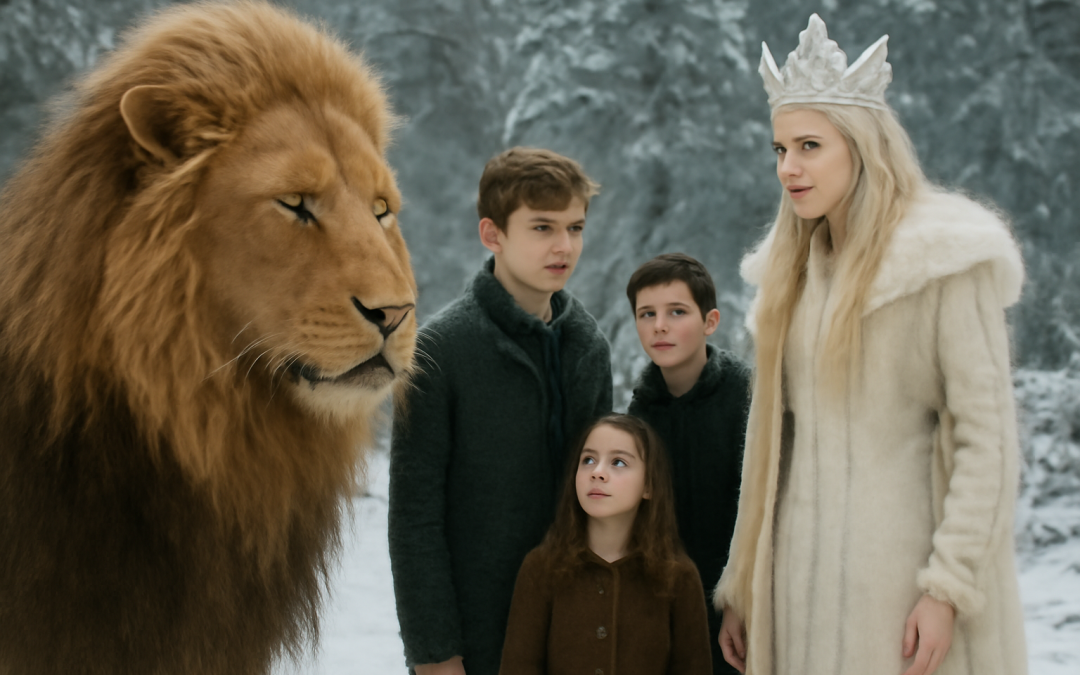
At the heart of the story lies a journey that begins with an innocent act of curiosity—four siblings seeking refuge from wartime dangers stumble upon a magical portal leading to a realm trapped in eternal winter. What follows is a complex interplay of power, betrayal, and redemption, anchored by the characters’ evolving relationships and personal growth. The white witch, a figure embodying cold tyranny and fear, holds the land in a frozen grip, denying the inhabitants the warmth and renewal symbolized by spring’s return. Opposing her is a majestic lion whose presence evokes strength, sacrifice, and the hope for liberation. This duality not only drives the plot forward but also serves as a foundation for interpreting the narrative as a layered allegory.
The allegorical dimensions embedded in this tale offer fertile ground for analysis, particularly in its allusion to spiritual and moral themes. Beyond the surface adventure lies a meditation on sacrifice and resurrection, themes that resonate deeply with a broad audience. The lion, often perceived as a Christ-like figure, sacrifices himself to save another and later rises triumphantly, delivering ultimate justice and restoring balance to the realm. These powerful motifs enrich the story, enabling multiple readings and a deeper appreciation of its symbolic complexity. Additionally, the struggle between good and evil unfolds through the characters’ choices, emphasizing the enduring importance of courage, loyalty, and forgiveness.
The depiction of childhood innocence in this narrative is both tender and realistic, imbuing the characters with qualities that enhance the story’s appeal. The siblings each embody distinct traits—from adventurous bravery to thoughtful prudence—that facilitate varied interactions with the magical world. Their encounters challenge preconceived notions and prompt them to grow and adapt, reinforcing the timeless theme that growth often arises out of adversity. This multifaceted portrayal of youth invites readers of all ages to connect, reflect, and learn alongside the protagonists.
Setting plays a crucial role in enhancing the story’s atmosphere and thematic resonance. The enchanted land, with its snow-covered landscapes and hidden mystical creatures, offers a vivid backdrop that complements the narrative’s emotional highs and lows. The perpetual winter imposed by the white witch is a powerful metaphor for oppression and despair, while the eventual thaw symbolizes renewal and hope. This contrast serves not only to heighten suspense but also to underscore the story’s larger message of transformation—both personal and societal. Moreover, interactions with fantastic beings such as fauns, talking animals, and spirits contribute to the richness of the world-building, inviting readers to immerse themselves fully in this imaginative universe.
One of the story’s strengths lies in its ability to balance universal themes with accessible storytelling. While the allegory provides depth, the adventure elements sustain engagement through thrilling encounters, dramatic confrontations, and moments of humor and warmth. This fusion protects the story from becoming overly didactic, instead presenting moral lessons in a compelling, organic way. Such balance ensures that the narrative remains a captivating read, encouraging both children and adults to revisit it over time. The tension between light and darkness, innocence and experience, continues to resonate because it reflects fundamental human experiences.
Character development is another area where the story excels. Each sibling undergoes a journey that tests their character and reveals latent strengths. Through trials and challenges, they learn to trust themselves and one another, cultivating virtues that are pivotal to their ultimate success. Their individual stories intertwine seamlessly, creating a tapestry of interpersonal dynamics that enhances the emotional impact. Perhaps most striking is the transformation of the youngest, whose curiosity propels much of the narrative and whose courage ultimately aids in overcoming the witch’s machinations. Such character arcs offer readers relatable models of growth, resilience, and empathy.
The interplay of fantasy and allegory extends to the story’s depiction of power and authority. The white witch’s reign is marked by fear and control, manipulating others through enchantments and deception. Her coldness contrasts sharply with the lion’s warm majesty, offering a clear representation of tyrannical versus benevolent leadership. This conflict invites reflection on the nature of authority, justice, and redemption, suggesting that true power arises not from fear but from selflessness and love. The narrative’s resolution affirms that oppressive regimes are ultimately unsustainable, a timeless lesson that echoes across cultures and historical contexts.
Another remarkable aspect is the story’s treatment of sacrifice and forgiveness. The lion’s willing submission to a fate he does not deserve illustrates an act of supreme compassion and bravery. His resurrection not only symbolizes hope but also demonstrates the power of forgiveness to heal and restore broken relationships. This theme transcends the confines of the narrative world, offering a message that has resonated deeply with religious and secular audiences alike. It reinforces the belief that love and sacrifice are transformative forces capable of overcoming even the darkest evils.
Beyond its thematic and narrative strengths, the story’s language and style contribute to its enduring popularity. The prose is accessible yet evocative, striking a balance between simplicity and literary richness that appeals to readers across age groups. Descriptive passages conjure vivid images without overwhelming the reader, while dialogue reveals character nuances and advances the plot effectively. This stylistic approach complements the story’s blend of allegory and adventure, making it an ideal entry point into the fantasy genre for younger readers while still engaging more mature audiences.
The cultural impact of this story cannot be overstated. Since its publication, it has inspired numerous adaptations in film, theater, and other media, each exploring different facets of its rich narrative. These adaptations have introduced the tale to wider audiences, ensuring its themes and characters remain relevant and influential. The story’s ability to speak across generations attests to the power of its allegorical core combined with its adventurous spirit. It continues to spark conversations about morality, faith, and courage, illustrating the vitality of well-crafted storytelling.
It is also important to consider the story’s place within a broader literary tradition. Drawing from myth, folklore, and religious symbolism, it stands alongside classics that use fantasy to explore profound truths about human nature and society. The merging of fantastical elements with moral allegory invites comparisons with other enduring works, yet its unique voice and narrative charm set it apart. This integration of different genres and themes exemplifies the creative possibilities inherent in fantasy literature and underscores its potential as a medium for serious reflection.
In conclusion, the narrative’s unique combination of allegory and adventure offers a compelling and multifaceted experience. It masterfully interlaces spiritual and moral symbolism with engaging plotlines and vibrant characters, providing both entertainment and enlightenment. Its lasting appeal lies in this ability to speak to the imagination and the conscience simultaneously, inviting readers into a world where courage, sacrifice, and hope triumph over tyranny and despair. As a touchstone of children’s literature and a profound allegorical work, it continues to inspire reflection and wonder, reaffirming the power of storytelling to shape hearts and minds across generations.