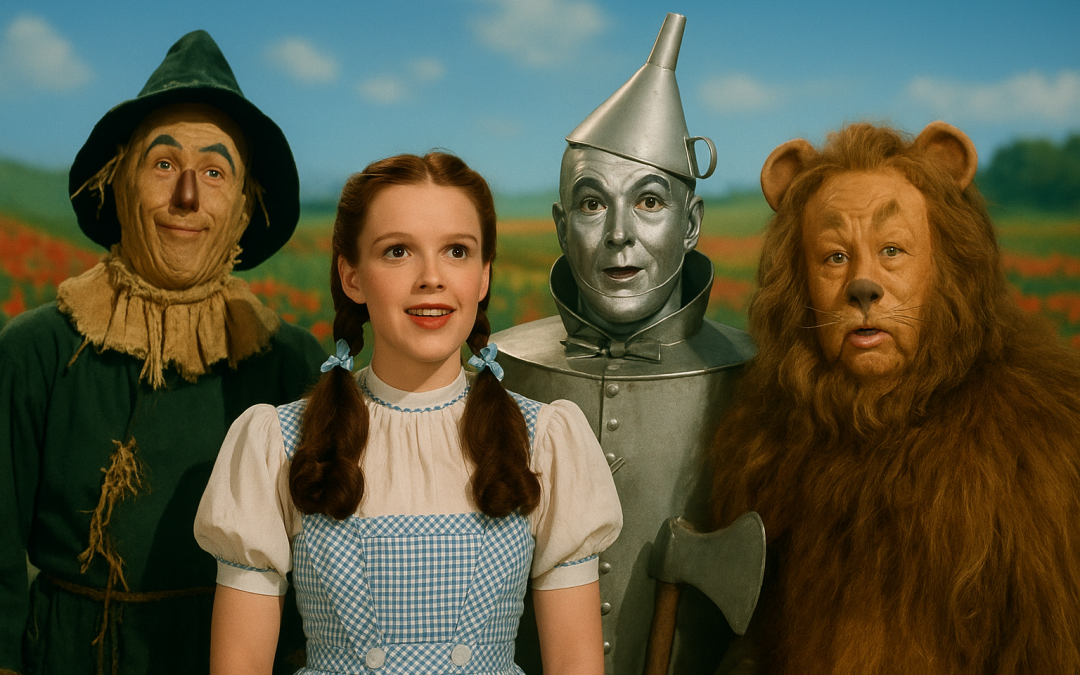
Few films have managed to capture the imagination of audiences across generations quite like The Wizard of Oz. Released in 1939 and directed by Victor Fleming, the film has long been celebrated as an enduring classic of American cinema. With its groundbreaking use of Technicolor, memorable characters, and timeless story, it continues to be a touchstone for both movie lovers and cultural historians. The combination of fantasy, music, and the universal theme of self-discovery creates a magical tapestry that still resonates today.
At its core, The Wizard of Oz tells the story of Dorothy Gale, a young girl from Kansas who finds herself swept away by a tornado to the fantastical Land of Oz. From the very beginning, the film paints a vivid contrast between Dorothy’s sepia-toned reality and the vibrant, colorful world she enters. This visual transition marked one of the earliest uses of Technicolor in cinema, making the moment when Dorothy steps from her monochrome home into Oz not just a narrative shift, but a technical marvel. This color transformation still amazes viewers with its boldness, symbolizing the journey from the mundane to the extraordinary.
The film thrives on its rich characterizations, introducing a gallery of beloved figures that have entered the pantheon of classic film icons. Dorothy, portrayed with earnest charm by Judy Garland, is the heart of the story and the emotional anchor for viewers. Her longing to return home grounds the fantastical elements, creating a relatable motivation that drives the narrative forward. Along her journey, she encounters the Scarecrow, Tin Man, and Cowardly Lion, each embodying traits that are at once humorous and deeply human. These characters are not only companions but also reflections of Dorothy’s internal quest for courage, heart, and wisdom.
The performances across the board are noteworthy, but Judy Garland’s portrayal remains particularly impactful. Her rendition of “Over the Rainbow” is a highlight not only within the film but also in the history of movie musicals. The song captures a profound sense of hope and yearning that transcends the film’s fantasy elements. Garland’s voice, imbued with a delicate combination of innocence and strength, perfectly encapsulates the essence of Dorothy’s character and adds emotional depth that elevates the entire narrative.
Beyond its story and characters, The Wizard of Oz is a technical achievement that helped pave the way for future filmmaking. The use of Technicolor was cutting-edge at the time and gave the film its distinct look, transporting audiences into a vivid world unlike anything they had seen on screen. The seamless integration of special effects, such as the tornado scene and the flying monkeys, showcased pioneering techniques that are still impressive today. These visual elements not only enhance the spectacle but also underscore the film’s imaginative spirit.
The film’s musical score and songs, crafted by Harold Arlen and E.Y. Harburg, contribute significantly to its long-lasting appeal. Each song serves a purpose, whether to advance the plot or deepen character development. From the exuberant “If I Only Had a Brain” to the spirited “We’re Off to See the Wizard,” the music is infectious and memorable. It captures the whimsy and heart of the story while also appealing to audiences of all ages, making it a true family favorite.
Adding to the film’s success is its appeal to a broad demographic. Though often categorized as a children’s movie, its layers of symbolism and thematic complexity invite adult viewers to find their own interpretations. Themes of friendship, courage, and the search for identity resonate on a universal level. The film’s simple yet profound message—that the qualities we seek are often within us already—continues to inspire. This dual appeal helps explain why The Wizard of Oz has enjoyed such enduring popularity and scholarly interest alike.
The film’s narrative structure is also worth noting, as it follows a classic hero’s journey. Dorothy’s adventure follows a clear trajectory marked by trials and growth. Each new character and obstacle contributes to her transformation, culminating in her realization that “there’s no place like home.” The cyclical nature of her journey anchors the film and provides a satisfying resolution, reinforcing its moral lessons without becoming overly didactic or sentimental. This narrative clarity is part of what makes the film so accessible and enduring.
Moreover, The Wizard of Oz holds a unique place in American cultural history. Released on the cusp of World War II, it offered escapism and hope during an uncertain era. Its imagery and phrases have since permeated popular culture, with references found in everything from literature to political discourse. The film’s influence extends beyond entertainment, shaping how generations envision fantasy, adventure, and the concept of “home.” The cultural imprint it has left is a testimony to its resonant storytelling and artistic ambition.
The production itself was fraught with challenges, from technical difficulties to cast changes, but the final product belies the struggles behind the scenes. Stories of Judy Garland’s difficult working conditions and the demanding nature of the film shoot remind us that cinematic masterpieces are often born out of dedication and perseverance. Despite these obstacles, the film maintained a lightness and joy that continue to engage audiences. This behind-the-scenes history adds an additional layer of appreciation for the finished work.
In the years since its release, The Wizard of Oz has been preserved and restored in various formats, ensuring its accessibility for future generations. Its inclusion in film archives and educational programs underlines its significance as both art and cultural artifact. Modern viewers can appreciate the film not only as entertainment but as an example of the evolution of filmmaking techniques and storytelling conventions. This ongoing legacy is a testament to the film’s artistry and the emotional connection it fosters.
The film also paved the way for the musical genre in Hollywood. Its success demonstrated the commercial viability and artistic potential of combining narrative and song. Many films that followed drew inspiration from its formula, including its integration of fantasy elements and musical storytelling. The Wizard of Oz set a standard for how musicals could function not just as light entertainment but as immersive, emotionally resonant experiences. Its blending of spectacle and sentiment continues to influence directors and composers to this day.
Critically, the film has been analyzed through various lenses, from its representation of American values to its interpretations as an allegory. Some readings suggest it reflects political and economic concerns of the 1930s, while others emphasize its fairy-tale qualities. These scholarly discussions enrich the viewing experience, adding depth to what might otherwise be dismissed as mere children’s fare. The dialogue surrounding the film demonstrates the kind of timeless interest and layered meaning that few movies achieve.
The impact on the careers of its cast was also notable. Judy Garland became an icon, her association with Dorothy defining much of her public persona. Similarly, the supporting actors who embodied the Scarecrow, Tin Man, and Cowardly Lion received acclaim and continued to be identified with these roles throughout their careers. The performances contributed to the film’s authenticity and charm, ensuring that the characters remain vibrant in popular memory. This speaks to the power of casting and interpretation in establishing a film’s legacy.
Costume and set design are other areas in which the film excels. The colorful wardrobe, particularly the ruby slippers worn by Dorothy, has become emblematic. The film’s landscapes, combining hand-crafted designs and matte paintings, create a fairy-tale environment that is both immersive and imaginative. This attention to detail enhances the film’s ability to transport viewers to a different world, supporting the narrative’s emotional and thematic goals. These visual elements have inspired countless adaptations and homages.
The Wizard of Oz also highlights the importance of friendship and cooperation in overcoming adversity. Dorothy’s companions each have distinct abilities and insecurities, yet together, they succeed where they might not alone. This message of unity and mutual support resonates strongly, especially for younger audiences who encounter the film as a formative experience. It reinforces values of empathy and trust that contribute to the film’s reputation as not only entertaining but morally instructive.
Beyond the immediate narrative, the film encourages viewers to question the nature of reality and illusion. The Wizard himself, a seemingly omnipotent figure, is ultimately revealed to be an ordinary man behind a curtain. This revelation underscores themes of skepticism and the deconstruction of authority. It invites audiences to consider the difference between appearances and truth, a sophisticated idea cleverly woven into a family-friendly story. This subtlety enriches the film’s appeal and sets it apart from more straightforward fare.
In terms of pacing and direction, the film balances moments of tension, humor, and song with expert timing. The narrative unfolds smoothly, holding viewer interest throughout. The contrast between the vibrant Oz and the quieter Kansas scenes creates rhythm and variety, preventing any sense of monotony. Victor Fleming’s direction ensures that each element supports the central story and character arcs, resulting in a cohesive and memorable film experience.
The movie’s climax beautifully ties together its themes as Dorothy confronts the Wizard and ultimately learns the power to change her circumstances comes from within. The resolution affirms the importance of self-belief and familial love, concluding the narrative on an uplifting note. This emotional payoff reinforces the story’s enduring appeal and leaves audiences with a lasting sense of hope and inspiration.
In addition to its artistic and cultural significance, the film’s commercial success helped establish MGM as a major studio capable of producing lavish and innovative projects. The Wizard of Oz stands as a landmark achievement within the studio system era, exemplifying how studio resources and creative talents can combine to produce a timeless masterpiece. Its enduring revenue generation through re-releases and merchandising further attests to its status as a beloved institution in the entertainment world.
Ultimately, the film’s enduring power lies in its ability to connect with audiences at a fundamental level. The themes of home, friendship, and personal growth are universal and relatable across cultures and eras. The vibrant imagery and memorable music create an immersive experience that invites repeated viewings. Decades after its debut, The Wizard of Oz remains a cherished film that continues to inspire, entertain, and evoke nostalgia.
In an era dominated by fast-paced blockbusters and digital effects, few films manage to maintain their magic quite like this one. It serves as a reminder of the artistry and heart that can be infused into cinema, creating works that transcend time. For those who have journeyed down the yellow brick road with Dorothy, or for those just discovering its wonders, the film offers an unforgettable glimpse into a world where dreams take flight, and the true magic is the courage to believe.