Ensuring that toiletries remain secure and leak-free during travel is a challenge that many face, especially when packing for extended trips or tight itineraries. A single burst shampoo bottle or melted lotion can not only create a mess but also ruin clothes and other essentials. The frustration and inconvenience caused by leaking toiletries can easily overshadow the excitement of a journey, making it critical to pack these items properly. By adopting smart strategies and using appropriate materials, travelers can greatly reduce the chances of leaks and spills, keeping their luggage clean and organized throughout their trip.
One of the fundamental steps to prevent leaks is selecting the right containers before even beginning to pack. Many commercial toiletry bottles are designed for everyday bathroom use and aren’t always travel-friendly. Original packaging often lacks airtight seals, and pressure changes in air travel can exacerbate the problem. Investing in high-quality, travel-sized bottles specifically designed for flying or road trips is a wise move. These bottles typically come with secure screw tops or flip lids that lock in place, providing a stronger barrier against leaks. Silicone travel bottles, for instance, are flexible and squeezable, making dispensing easier while maintaining a leak-proof seal. Additionally, clear or translucent bottles help travelers easily identify contents without the need to open them, minimizing the risk of spills due to handling.
Before placing these bottles into luggage, it is crucial to check their closure by performing a simple leak test. This can be done by filling the bottle, capping it tightly, and turning it upside down or shaking it gently. Any leaks discovered at this stage mean the cap needs tightening or replacing. For extra assurance, wrapping bottle tops with a small piece of plastic wrap or petroleum jelly can create an additional seal. This simple technique acts as a secondary barrier to liquid escape, especially for caps that screw on but might loosen slightly during transit. Bottles with pump dispensers should have their pumps locked, if possible, or covered with plastic wrap before being capped to prevent accidental dispensing.
Separating toiletries into individual containers is another tactic to prevent catastrophic spills. Instead of carrying one large bottle of shampoo or lotion, it is safer to divide the liquid into several smaller bottles. This limits the amount of liquid that can leak if a container fails and also adheres to airline regulations for carry-on liquids, which typically restrict container capacity to 3.4 ounces (100 milliliters). Travelers who prefer to bring larger quantities of their favorite products for longer trips can pack some containers in checked baggage with extra precautions. However, it’s always a good idea to keep critical personal care products in carry-on luggage in case checked luggage is delayed or lost.
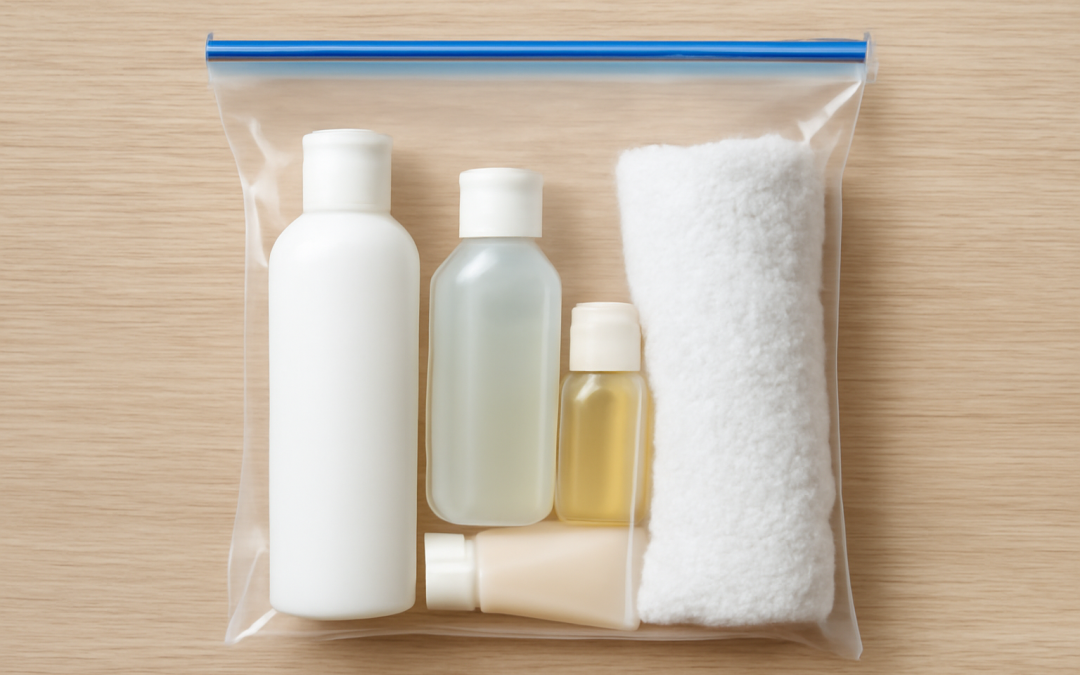
Using zip-top bags is a simple, affordable, and highly effective method of protecting belongings from leaky toiletries. Placing each bottle inside a clear, sealable plastic bag creates a second layer of defense against leaks. If one bottle bursts or oozes, the liquid is contained within the bag, preventing it from spreading to other items. Often, travelers will opt for heavy-duty freezer bags or designated toiletry bags that feature waterproof linings. These specialized bags combine convenience with leak protection and usually have compartments or elastic holders to keep containers upright and separated, reducing the risk of accidental opening or damage during shifting in the bag.
Another advanced solution is to invest in toiletry bags engineered specifically to combat leaks. These bags often feature waterproof materials, reinforced seams, and airtight compartments. Many are designed with double zippers that seal tightly or additional flap covers inside to contain spills. Some models even include absorbent fabrics or removable liners, allowing easy cleaning in case of minor leaks. When selecting such a bag, consider durability, size, and organizational features tailored to your personal grooming routine, as this will streamline your packing process and safeguard your items more effectively.
Proper organization and packing technique further ensure minimal chances of leaks. Placing heavier bottles at the bottom of toiletry bags provides stable support to avoid unnecessary movement or impact on delicate caps. Lighters, powders, and solid bars should occupy empty spaces to cushion liquid containers and reduce rattling or pressure. Moreover, keeping flammable items such as alcohol-based sanitizers separate from fragile bottles decreases the risk of spillage accompanied by fire hazards. Packing toiletries in layers, alternating liquids with absorbent fabrics like washcloths or microfiber towels, can buffer the preventable damages resulting from unintended leaks.
Being mindful of temperature changes and pressure differences can also lower leakage risk. Airplanes, for example, experience significant pressure shifts that can cause liquid products to expand and push out of poorly sealed containers. Before flying, it is advisable to leave some empty space in bottles or not fill them entirely to allow for expansion. Temperature fluctuations during travel, particularly for glass bottles or products with thick consistencies like creams, can affect the integrity of seals. Storing fragile or sensitive toiletries in insulated pockets or within clothing layers can moderate temperature exposure and reduce leak risks.
In addition to liquids, it’s important to consider the packaging of solid and semi-solid toiletries, such as deodorants, balms, or bar soaps, as these too require thoughtful packing to avoid messes. Solid deodorants packaged in twist-up tubes usually don’t leak but can break or soften under heat, which may mess up other items. Transferring solid products to compact, sturdy containers designed for travel can safeguard both the product and other possessions. For balm-based items like lip salves or ointments, small screw jars or tins with secure lids help prevent leakage, preserving their form and cleanliness within the bag.
One cannot overlook natural remedies to leakage, such as using homemade sealing tricks or repurposing household items while traveling. Applying tape, such as masking or packing tape, around bottle caps adds an extra layer of security. Straws or plastic drinking straws cut to size and inserted into pump bottles can sometimes prevent accidental pumping during transit while keeping the pump cleaner. Additionally, employing rubber bands around lids and necks of bottles can reinforce grip and fortify closures, reducing the likelihood of loosening through vibrations or handling.
For frequent travelers, preparation before packing becomes a repetitive yet crucial habit to master. Maintaining a dedicated travel toiletry kit stocked with travel-sized containers and necessary tools helps streamline packing sessions, ensuring no last-minute rushing that can lead to carelessness. Regularly cleaning bottle threads and caps to remove product build-up avoids obstruction of seals and maintains their tightness. Routinely inspecting products for expiry dates or separation also minimizes leakage risks, as aged formulas may deteriorate and become harder to contain effectively.
In addition, savvy travelers often consider alternative toiletry options that inherently reduce the issue of leakage. Solid shampoo bars, conditioner bars, and other dry personal care products have surged in popularity due to their convenience and zero-spill properties. These items occupy less space, weigh less, and almost completely eliminate the possibility of liquid leaks or spills. Utilizing these for certain parts of your grooming routine during travel lightens your load and adds peace of mind. Similarly, multi-purpose products reduce the number of containers needed, decreasing the overall chance of leaks.
An often-overlooked factor is the placement of toiletry bags within the main luggage. Tucking these bags inside suitcase compartments where they rest securely between layers of clothes prevents unnecessary movement. Avoiding loose packing or overstuffed luggage helps reduce external pressure on bottles and containers. If the toiletry bag is in a backpack, ensure it is upright and secured in a dedicated compartment rather than being tossed haphazardly among other items. The level of care given to how and where toiletries are placed inside bags complements the physical precautions taken with containers and packaging.
When traveling with others or sharing bathrooms at hotels and accommodations, it is wise to keep personal toiletries separated. This practice avoids confusion or accidental damage to someone else’s products. Shared toiletry bags may increase the risk of mishandling and spills due to varied packing methods or less attention to detail. Maintaining individual toiletry systems ensures consistent care and easier identification of items, reducing the probability of leakage incidents caused by unfamiliar or careless handling.
Finally, while the goal is to prevent leakage altogether, travelers should prepare for the worst-case scenario by including absorbent items and cleaning supplies within their toiletry kit. A small pack of tissues or wipes, paper towels, or a microfiber cloth can quickly clean up minor messes. Keeping an empty zip-lock bag on hand serves as a temporary reservoir for any contaminated clothing or items until permanent cleaning solutions are available. Such preparation minimizes damage and inconvenience while signaling a responsible and thoughtful approach to travel hygiene and maintenance.
Taking time to thoughtfully pack toiletries with an emphasis on preventing leaks transforms the often-stressful act of packing into a much smoother experience. With a combination of the right containers, smart sealing techniques, organized placement, and practical backup measures, travelers can confidently carry their personal care essentials without worry. The result is not only a cleaner and more efficient packing process but also enhanced enjoyment of the journey, free from the distractions and frustrations of spills and messes. Prioritizing these practices ultimately leads to better travel preparation, happier trips, and well-maintained belongings throughout every adventure.