Traveling with toiletries can often turn into a messy ordeal if even a small leak occurs inside the luggage. Whether it’s your shampoo, conditioner, facial cleanser, or lotion, a sudden spill can ruin clothes, important documents, or electronic devices. The frustration of dealing with such leaks usually stems not from unpredictable events but from inadequate preparation. Avoiding this issue starts with knowing how to pack toiletries without leaks, which involves strategic selection of containers, proper sealing techniques, and clever packing methods.
The first step in preventing leakage lies in choosing the right containers for your liquids. Many people tend to bring full-sized bottles from home, but these are more prone to breaking or leaking due to the jostling in transit. Opting for travel-sized containers is a wise decision. Travel bottles are designed to be compact, lightweight, and often come with secure caps that reduce the chances of spillage. When purchasing travel bottles, look for those made of durable materials like silicone or hard plastic and those equipped with locking caps or flip-top lids with snap closures.
Before filling any bottles, ensure they are clean and dry. This minimizes the risk of leftover product reacting with new liquids, which could cause unwanted pressure build-up or degradation of the container’s seal. When transferring shampoos, conditioners, or other liquids into new bottles, avoid filling them to the brim. Leave a small air gap to accommodate expansion during changes in temperature or air pressure, especially if you are traveling by air.
In addition to selecting suitable containers, how you seal them can make a significant difference. Many clearest mistakes leading to leaks come from improperly closed caps or missing secondary seals. After securely tightening the cap, consider adding an extra barrier such as plastic wrap under the cap before screwing it on. This creates a protective layer that prevents liquid from seeping out, even if the bottle experiences pressure or agitation.
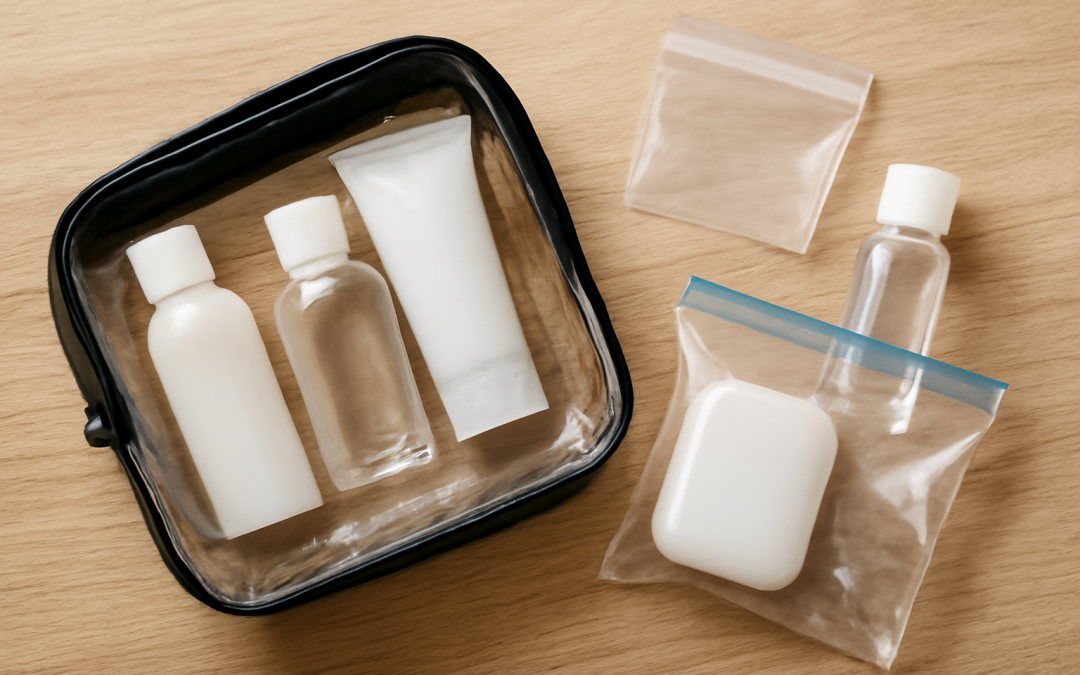
Using zip-top plastic bags or toiletry bags with waterproof linings further guards against leaks. Placing each container or group of containers into separate baggies reduces the risk that a single spill will affect everything else inside the suitcase. Quality plastic bags with a strong seal are ideal because they can contain any liquid that escapes its bottle, and can be easily identified and replaced if necessary. Toiletry bags with waterproof linings are also beneficial as they provide both organization and leak protection in one solution.
Packing method plays a critical role as well. Heavy shampoo or lotion bottles should be packed at the bottom of the toiletry bag or suitcase to prevent them from crushing lighter, more delicate items. Laying bottles horizontally can sometimes be safer than standing them upright, especially if the lid isn’t completely secure. When bottles are horizontal, pressure is distributed along the side of the bottle rather than forcing the cap open. Just be mindful of how the bag is packed—avoid situations where a bottle is pressed against a seam or edge that could potentially break the container during transit.
Choosing solid or semi-solid alternatives can also reduce the chances of messes. For example, solid shampoo bars or lotions in balm form offer a spill-proof solution. These are especially useful for travelers who want to carry toiletries without worrying about strict liquid restrictions at airports or risk of leaks. Solid bars also tend to be lighter and more compact, offering practical benefits beyond preventing leaks.
When it comes to toothbrushes or other small, fragile items with rigid shapes, it’s best to store them in protective cases that can keep them separate from wet liquids. This prevents cross-contamination or damage in case of a spillage. If you’re bringing fragrances or colognes, choose rollerball formats or solid perfumes that are less likely to leak compared to spray bottles or fragile glass containers.
If you must carry original containers from home, especially if the product is expensive or irreplaceable, verify that the caps are firmly tightened and check for any signs of wear or cracks before packing. Reinforcing the bottle with tape around the cap can provide extra security. Some travelers use specialized travel caps or bottle stoppers designed to provide a tighter seal. Additionally, separating these bottles into smaller quantities can prevent a total loss—carry just enough for your trip and leave the rest at home.
To manage the risk after packing, it’s beneficial to periodically inspect the toiletries during your trip, especially after flights or long drives. If any bottle shows signs of leakage, it’s easier to clean up immediately and repackage items than to deal with widespread damage later. Keep a roll of paper towels or absorbent wipes handy inside your toiletry bag for quick clean-ups. If a leak occurs, remove the affected bottles from your luggage, clean surrounding areas, and replace the bag if necessary.
Humidity and temperature variations throughout your journey can also affect the likelihood of leaks. Warmer temperatures cause liquids to expand, which increases pressure inside sealed containers. This is why leaving some air space in bottles is crucial. If you’re traveling to hot climates, take extra care to minimize fill levels and consider storing containers in cooler parts of your luggage. When flying, the changes in air pressure between cabin and ground can sometimes force liquids out of poorly sealed bottles. Using the techniques previously described—extra plastic wrap, zip-top bags, and sturdy containers—helps prevent mishaps caused by these environmental changes.
Another often overlooked tip is to keep liquids that are prone to leakage separate from the rest of your belongings. Designate a specific compartment or a clear toiletry bag within your suitcase just for liquids and gels. This not only helps contain any spillages but also speeds up airport security checks where rules about liquids are strictly enforced. Transparent bags that seal tightly are favored by frequent travelers for this reason, as they allow easy visibility and quick access while meeting legal requirements.
Technology offers solutions as well. Some companies manufacture spill-proof travel bottles with built-in valves that allow dispensing of liquids without removing caps. These advanced features reduce the risk of accidental opening during transit. Additionally, reusable bottles with secure locking systems designed for outdoor or sports use can offer better seal integrity than typical travel bottles.
Beyond packing, being mindful of how you handle your luggage can also contribute to avoiding leaks. Avoid placing heavy items on top of toiletry bags, and don’t stuff your suitcase so full that the pressure on bottles becomes excessive. Packing a toiletry kit last, so it can be placed on top or in an easy-to-access area, allows you to check on it quickly if needed. If traveling by air, carry a small selection of essential toiletries in a personal bag or carry-on to reduce reliance on checked luggage, which is more susceptible to rough handling.
Ultimately, mastering how to pack toiletries without leaks is an exercise in preparation, protection, and prudence. It’s about anticipating possible causes of spills and taking multiple precautions to prevent them. From choosing the appropriate containers and sealing methods to packing strategically and adapting to environmental changes, each step contributes to safeguarding your belongings and ensuring a stress-free travel experience.
By implementing these strategies consistently, you can eliminate the anxiety caused by potential toiletry leaks and focus entirely on the adventure ahead. Traveling with confidence means knowing your belongings are secure, clean, and ready for use no matter where your journey takes you. Keeping your toiletries leak-proof not only protects your luggage but preserves the quality of your toiletries themselves, saving you money and hassle in the long run. The peace of mind gained from proper packing is worth every extra moment taken in preparation. With a little effort and attention, you can transform your travel routine into a well-organized and efficient system that leaves no room for surprise spills or leaks, making the entire experience more enjoyable from start to finish.