Water leaks are one of the most common and costly problems homeowners face, yet many leaks remain unnoticed for extended periods. These hidden leaks can silently damage your property, inflate utility bills, and even pose health risks due to mold and mildew growth. Detecting leaks early is crucial, but because they often occur behind walls, under floors, or within ceilings, they can be extremely difficult to spot without a trained eye. Understanding the methods to identify these concealed issues can save you time, money, and stress.
One of the first indicators of a hidden water leak is an unexpectedly high water bill. If you notice a spike in your monthly charges without any significant change in water usage, it might suggest that water is escaping somewhere within your plumbing system. While slight variances do happen, consistent increases over several billing cycles should prompt a closer inspection of your pipes and fixtures. Monitoring your water usage regularly is a simple yet effective way to detect irregularities early.
Another common symptom of concealed leakage is the presence of damp or discolored patches on walls, ceilings, or floors. These may appear as water stains, peeling paint, or bubbling wallpaper. While these signs may take some time to develop, they clearly indicate that moisture is migrating through building materials. In some cases, you might also notice a musty odor, which often accompanies mold growth encouraged by hidden moisture. Given that such damage can worsen rapidly, it is essential not to ignore any suspicious visual or olfactory cues.
The sound of running water when all taps and appliances are off can also signal a hidden leak. This faint hissing or dripping sound is sometimes barely audible but can be detected if you are in a quiet environment and listen closely near suspected plumbing areas. Pipes operating under pressure leak at the smallest opening, and even a slight leakage can cause continuous water movement sounds. This auditory clue, combined with physical evidence, can guide you toward the leak’s source.
In addition to visual and auditory signs, water meters provide a practical tool for detecting hidden leaks. To use this method, ensure that all water-using appliances and taps in your home are turned off. Then, observe your water meter for several minutes. If the dial or digital reading continues to move, it is a clear indication that water is flowing somewhere—possibly due to a leak. This test is one of the simplest and most effective ways to determine whether hidden leaks exist.
Locating the precise origin of a concealed leak often involves a combination of traditional inspection and technology. Infrared thermography, for instance, is a non-invasive technique that detects temperature differences caused by moisture behind surfaces. A thermal camera can reveal cooler, damp areas that water has penetrated, helping professionals and homeowners identify leak zones without destructive exploration. This method is particularly useful in walls and ceilings where the leak has not yet manifested in obvious damage.
Acoustic leak detection employs sensitive microphones or listening devices to capture the sound of water escaping under pressure. Specialized professionals use this technique to pinpoint leaks in pipes buried underground or hidden within walls. Sound travels through plumbing systems differently depending on the leak’s size and location, allowing experts to zero in on the source with remarkable accuracy. For homeowners, hiring a leak detection service that uses acoustic tools can be a worthwhile investment to avoid unnecessary demolition.
Pressure testing of water supply lines is another valuable way to uncover leaks. By isolating sections of the plumbing system and applying pressure, professionals monitor whether it decreases over time. A steady drop in pressure typically indicates a breach in the pipes or fittings. DIY pressure tests can be risky and sometimes require specialized valves and equipment, so it’s advisable to seek expert assistance unless you’re confident in handling plumbing systems.
Sometimes, simple, manual checks can also reveal hidden leaks. Inspecting under sinks, around toilets, and near water heaters for moisture or corrosion is a good practice. Flex connectors, pipe joints, and shut-off valves are common leak points due to wear and tear or improper installation. A flashlight and careful observation can help identify slow drips or copper-colored stains caused by leaking water. Early detection during routine maintenance cuts down the chance of extensive damage later.
It’s also important to understand the role of external factors in hidden leak formation. For example, ground movement, such as settling foundations or tree root intrusion, can cause pipes to shift, crack, or rupture. Similarly, freezing temperatures may lead to burst pipes that leak once thawed but remain concealed until water penetrates walls or floors. Awareness of environmental conditions in your area contributes to proactive leak detection and prevention strategies.
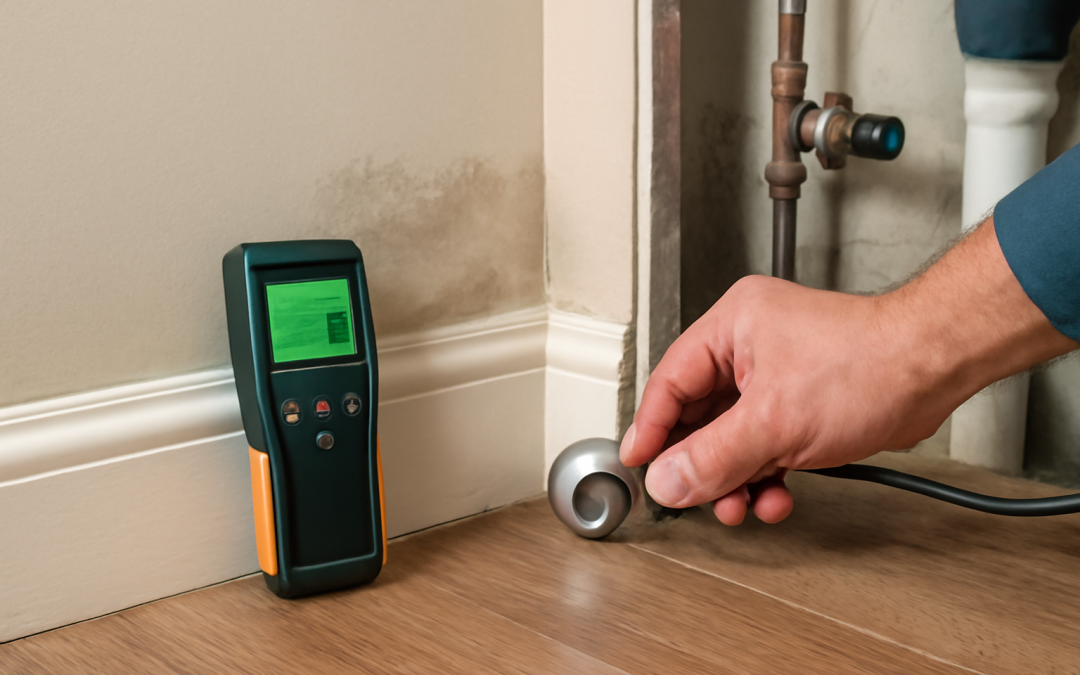
Moisture meters are handheld tools that measure the presence of water within materials like drywall, wood, or concrete. Using a moisture meter offers a quick and non-destructive way to detect elevated moisture levels that may signal a hidden leak. These devices provide readings on moisture content as a percentage, helping pinpoint wet zones that require further investigation. Moisture meters are especially handy after events like floods or during inspections of older homes.
Homeowners should also consider the role of plumbing fixtures in early leak detection. Modern fixtures often come equipped with shut-off valves or sensors that indicate abnormal flow or pressure decreases. Installing smart water monitoring systems with built-in leak detection capabilities can alert you via smartphone apps about irregular water use or hidden leaks. Such technologies are becoming increasingly accessible and provide peace of mind by offering real-time monitoring and timely notifications.
Performing regular inspections around water entry points into the home can prevent hidden leaks from going unnoticed. Plumbing systems transition from outdoor to indoor, and the integrity of these connections must be checked periodically. Look for signs of scratching, corrosion, or moisture where pipes enter foundations, crawl spaces, or basements. These vulnerable areas often develop leaks first, especially in older homes or regions with harsh weather conditions.
In commercial properties or large residential buildings, hidden leaks can have even more severe consequences. Leaks in shared plumbing lines or underground mains may affect multiple units or cause structural damage that impacts the entire property. Employing routine leak detection services involving advanced diagnostic tools is crucial for property managers to maintain infrastructure health and avoid costly repairs. Preventative maintenance extends the lifespan of plumbing systems and protects the investment.
When a hidden leak is detected, prompt action is vital. The longer a leak continues unabated, the more extensive the damage becomes, affecting walls, flooring, and even electrical systems. Mold and mildew not only degrade building materials but also pose serious health risks, potentially exacerbating respiratory issues for occupants. Professional plumbing repair ensures that the source of the leak is properly identified and resolved, preventing recurrence and restoring integrity to your home’s infrastructure.
Good maintenance habits significantly reduce the risk of hidden leaks developing unnoticed. Flushing water heaters, replacing old fixtures, and insulating pipes during cold months are simple steps that minimize damage caused by leaks. Additionally, upgrading aging plumbing systems before failures occur helps avoid emergency situations. Consulting licensed plumbers for periodic assessments supports the long-term health of your home’s water supply and drainage systems.
In some instances, homeowners may choose to perform minor repairs themselves, such as tightening loose connections or replacing worn washers. However, caution is essential as improper repairs can worsen leaks or create new problems. Knowing when to call a professional can save considerable time and expense. Licensed plumbers are trained to handle the complexities of modern plumbing, including ensuring compliance with local codes and standards.
Hidden water leaks often result in increased humidity inside the home, which can lead to condensation and further structural issues. Monitoring indoor humidity levels provides an indirect method for identifying areas potentially affected by moisture infiltration. Dehumidifiers and proper ventilation improve air quality and reduce the chance of hidden leaks exacerbating problems like wood rot or deterioration of insulation materials.
Additionally, local water utility companies sometimes offer leak detection assistance or advice to residents. Taking advantage of such community resources may provide valuable support and reduce the burden of identifying leaks. Many utilities also have programs designed to encourage conservation by helping customers detect and repair leaks, thereby lowering water consumption and promoting environmental responsibility.
Addressing the root causes of leaks is just as important as repairing them. Issues such as outdated plumbing materials, poor installation, or mechanical damage must be corrected to prevent recurring leaks. Investing in pipe replacement with durable materials like PEX or copper can offer long-term benefits. Furthermore, ensuring plumbing systems are properly supported and protected from external forces reduces the likelihood of future leaks.
Another challenge in detecting hidden leaks lies in the complexity of multi-story or split-level homes, where water pipes are often routed behind multiple layers of walls or ceilings. Accessing these pipes for inspection sometimes requires removing drywall or flooring, which can be disruptive. In such cases, utilizing non-invasive technologies like electronic leak detection equipment is invaluable to minimize damage during the investigative process.
Routine homeowner education regarding the signs and risks of hidden leaks empowers individuals to act quickly before problems escalate. Understanding the importance of regular plumbing system checks and knowing how to interpret early warning signs helps prevent significant property damage. Staying informed about available detection technologies and repair options ensures that homeowners can effectively manage their water systems.
Ultimately, vigilance is the best defense against hidden water leaks. Being attentive to unusual changes in water bills, physical signs of moisture, or strange sounds coming from your plumbing can lead to early detection. Combining simple observation techniques with modern technology provides the greatest chance of identifying leaks in their infancy. Taking swift corrective measures protects your home’s structural integrity and reduces unnecessary water waste, contributing to environmental sustainability as well.
The financial implications of ignoring hidden water leaks are considerable. Repairing extensive water damage, mold remediation, and structural repairs often cost significantly more than promptly fixing the leak itself. Additionally, wasted water translates to higher bills and unnecessary depletion of resources. Emphasizing prevention, early detection, and timely repair supports both economic and environmental goals for homeowners and the broader community.
While some hidden leaks remain elusive despite all efforts, utilizing a multifaceted approach enhances detection success. Combining visual inspection, sound monitoring, technological tools, and professional expertise creates a comprehensive strategy. This approach not only limits damage but also extends the lifespan of the entire plumbing system, maintaining a safe, efficient, and comfortable living environment.
Detecting concealed leaks is a critical component of home maintenance that often goes overlooked until substantial damage occurs. By adopting conscientious habits and embracing available technologies, homeowners can stay ahead of potential problems. Being proactive rather than reactive in managing water systems safeguards your investment and ensures a healthier and more sustainable home environment moving forward.
In conclusion, water leaks hide in places where they cause the most damage—out of sight and out of mind. Knowledge, vigilance, and technology together empower homeowners to uncover these silent threats early. Taking action as soon as a leak is suspected protects your property from destruction, preserves water resources, and helps maintain a safe, comfortable living space that can withstand the test of time.