
by admin | Oct 19, 2026 | Art & Design
The relationship between craft and concept is a fundamental tension that every creative discipline must navigate. Whether in writing, visual art, music, or design, the balance between the skillful execution of technical elements and the underlying ideas that drive a work’s meaning fundamentally shapes its impact. The craft refers to the mastery of technique and the ability to manipulate form and medium with precision, while the concept embodies the thematic substance, the message, or the innovation that the creator wishes to convey. Striking the right balance between these two is essential; too much emphasis on craft can lead to works that feel hollow yet technically flawless, while prioritizing concept without proper execution risks results that are confusing, incomplete, or unconvincing.
This interplay between craft and concept plays out differently depending on the creative field, but its importance is universal. In literature, for instance, an author might possess a brilliant idea for a story but without careful attention to language, structure, and character development, the narrative may struggle to resonate with readers. Conversely, a well-crafted story lacking a meaningful or original premise often fails to leave a lasting impression. The power of storytelling lies in the fusion of the two—where the writer’s craft breathes life into the concept, elevating it beyond a mere intellectual exercise and into an emotional, experiential realm.
The same principle applies in visual arts. A painting driven by a robust concept—say, a critique of consumerism or an exploration of identity—can stimulate profound reflection. However, if the technical skills are insufficient, the artwork might lose clarity or emotional intensity. On the other hand, paintings with impeccable technique and striking aesthetics but little conceptual depth risk being dismissed as decorative or superficial. Thus, the artistic value and longevity of a piece often hinge on the seamless integration of concept and craft, where each reinforces and enhances the other.
Musicians often grapple with this dynamic too: compositions that rely solely on novel ideas without refined skill may come off as amateurish, while technically flawless performances of uninspired material might fail to engage listeners. The most enduring music is typically that which embodies both innovation and mastery, transforming abstract concepts into sonic experiences that connect deeply with audiences. This synthesis is vital because it anchors conceptual boldness in a framework that is accessible, compelling, and emotionally compelling.
Understanding the nuanced balance between craft and concept requires a rethink of the way creativity is often presented—as a linear process beginning with idea and culminating in execution. Instead, creativity is iterative and dialogic: concept shapes craft, and craft refines concept. An initial idea inspires experimentation with form, which may reveal new dimensions of the concept or necessitate adjustments. This recursive dance allows for growth, depth, and cohesion in the creative work. Recognizing this fluidity prevents rigid compartmentalization, enabling creators to integrate technique and thought more organically.
Furthermore, the balance between craft and concept is influenced by context, including cultural, historical, and audience considerations. What feels innovative in one era or community might be perceived as conventional or cliché in another. Likewise, technical skills deemed impressive at one time could become foundational or expected later. Creators must therefore be attuned not only to their internal sense of balance but also to external benchmarks and shifting trends. This awareness helps maintain relevance while still pursuing personal or avant-garde expressions.
The educational environment plays a crucial role in shaping how artists, writers, and other creators understand and manage the craft-concept balance. Traditional art and writing programs often emphasize technical proficiency early on, which can instill confidence and discipline. However, an overemphasis on craft too soon risks stifling experimentation and ideological development. On the other hand, programs focusing solely on thematic or conceptual discussions might fail to equip students with the tools needed to realize their vision effectively. Optimal pedagogies foster both dimensions concurrently, encouraging learners to explore ideas while actively honing their skills, pushing the bounds of what both can achieve together.
Technology has further complicated the dynamic between craft and concept in recent decades. Digital tools have made technical execution more accessible, lowering certain barriers such as manual skill or specialized knowledge. For example, photo editing software can transform simple images into polished works with relative ease. This accessibility empowers creators to focus more intensely on idea generation but also raises new challenges—how to avoid over-reliance on tools that mask weak foundational skills, and how to ensure that concepts do not become superficial due to the ease of production. In many ways, technology demands a recalibration of the craft-concept balance, moving the conversation toward intentionality and critical thinking as much as technical mastery.
Within collaborative fields such as filmmaking, architecture, or game development, the balance between craft and concept becomes even more complex. Different specialists contribute varying levels of technical expertise and conceptual input. Success depends on a shared understanding that neither craft nor concept is subordinate but are interdependent pillars supporting the entire project. Directors, writers, designers, engineers, and performers must continually communicate and adjust to maintain alignment between what the work intends to say and how it physically manifests. This interplay between vision and realization often defines the coherence, depth, and ultimate effectiveness of collaborative creative endeavors.
In exploring examples from historical movements, the fluctuating emphasis on craft versus concept highlights how creative priorities evolve. During the Renaissance, the mastery of technique and anatomical precision was paramount, often seen as the foundation of artistic greatness. Conversely, in the 20th century, movements such as Dadaism and conceptual art questioned traditional craft, emphasizing idea and critique over aesthetic skill. These shifts underscore that neither craft nor concept maintains absolute supremacy; rather, the creative zeitgeist and the questions artists grapple with at any given time recalibrate their relationship. This perspective encourages openness and flexibility, allowing creators to navigate different balances as their practice and context evolve.
The balance between craft and concept also profoundly influences how audiences engage with creative work. Highly crafted but conceptually sparse works may be admired for technical brilliance but leave viewers or readers feeling empty or detached. Conversely, conceptually rich pieces that lack a certain degree of polish risk alienating audiences who find them inaccessible or frustrating. When craft and concept harmonize, the result often stimulates a multi-layered experience—one that appeals not only intellectually but also emotionally and sensorially. This engagement can foster deeper reflection, empathy, and connection, making the work memorable and significant.
For creators, finding this balance is often a continuous process rather than a fixed point. It involves self-reflection, critical feedback, and evolving practice. Many find that early attempts prioritize one over the other, but as confidence, sensitivity, and experience grow, the integration becomes more intuitive. This maturation allows the creator to take considered risks and innovate more seamlessly, confident that technical resources are in place to support conceptual ambitions. Ultimately, this balance enhances not only the quality of individual works but also the development of a distinctive creative voice.
The psychological dimension of managing craft versus concept is significant. Striving too rigidly for technical perfection can lead to paralysis by analysis or endless revision that diminishes creative spontaneity. Conversely, disregarding craft altogether in favor of immediate expression might produce work that feels raw or underdeveloped, weakening its communicative power. Creators often wrestle with questions about when a piece is ready or effective, and achieving an internal sense of equilibrium between form and content can ease these struggles. Embracing imperfection where appropriate and recognizing that both craft and concept evolve through trial and error can nurture resilience and sustained motivation.
Critically, the notion of balance does not imply a strict 50/50 split between craft and concept, nor does it intend to suggest that these two are always easily separable or quantifiable. Rather, it encompasses a dynamic interplay where the relative emphasis shifts with each project, medium, and individual approach. Some works may lean heavily into experimental ideas with minimal craft to challenge conventions, while others may celebrate technical virtuosity in service to more classical or accessible narratives. The key lies not in achieving a fixed ratio but in thoughtfully aligning form with meaning to serve creative intentions effectively.
In professional creative industries, the balance between craft and concept can also impact commercial success and critical reception. Markets and critics alike often reward innovation that is also well-crafted, although the weightings may vary by genre or audience segment. Creators who can comfortably navigate both aspects tend to find more opportunities for collaboration, funding, and distribution. Conversely, an imbalance—especially one that manifests as weak execution—can limit exposure despite strong ideas. Understanding this economic reality helps professionals position their work strategically without sacrificing artistic integrity.
Ultimately, the craft versus concept balance is a reflection of a deeper truth about human creativity: the synthesis of ideas and action. The most compelling creative works arise not from ideas alone or skills alone but from the merging of intellect and labor, conceptual insight, and expert handling of materials. This synthesis mirrors how humans learn, express themselves, and connect with others. As creators continue to explore this balance, they contribute to a rich tradition of producing work that challenges, moves, and endures. Embracing the dialogue between craft and concept offers a path to richer, more meaningful artistic expression and a fuller realization of creative potential.
by admin | Oct 18, 2026 | Art & Design
Art’s power lies not only in its ability to captivate the eye but also in its capacity to resonate deeply within the human experience. The question of what makes art memorable is a complex intersection of creativity, emotion, technique, and cultural context. Memorable art transcends mere aesthetics; it embeds itself in our consciousness, forging connections that linger long after the initial encounter. This enduring impact is what elevates certain pieces above countless others, allowing them to persist in collective memory and influence generations.
A key element contributing to an artwork’s memorability is its emotional resonance. Art that evokes a strong emotional response—whether joy, sorrow, awe, or discomfort—has a greater chance of imprinting itself on the mind. This emotional engagement transcends language and cultural barriers, as feelings are universal. Artists often achieve this effect through expressive use of color, form, and composition, crafting pieces that speak directly to the viewer’s inner world. The ability to stir authentic emotions encourages prolonged contemplation and personal connection, making the piece unforgettable.
Narrative depth also plays a significant role. Artworks that tell compelling stories or hint at complex histories invite viewers to explore layers of meaning. When an artwork conveys a narrative, whether explicit or implicit, it triggers imagination and curiosity. The stories behind a painting or sculpture—real or symbolic—invite individuals to interpret and relate the work to their own experiences. This dialog between the artwork and the audience fosters a dynamic, evolving memory that sustains its presence beyond the gallery or museum space.
Moreover, technical mastery and innovation contribute to an artwork’s lasting impression. People tend to remember works that showcase extraordinary skill or break new ground in artistic expression. The technical prowess demonstrated by the artist can inspire admiration and respect, adding to the piece’s memorability. Equally impactful is originality—art that challenges conventions or offers fresh perspectives invites attention and marks itself as unique. The synthesis of skill and imaginative vision often creates a magnetic quality that captivates viewers and lodges itself firmly in their recall.
Context is another crucial factor shaping the memorability of art. The historical, cultural, or social backdrop against which a piece is created or displayed influences how it is perceived and remembered. Artworks linked to significant events or movements carry added meaning, as they become symbols or artifacts of a particular time and place. The environment in which art is experienced—the setting, the audience, and even the cultural moment—can enhance the connection felt and the impression left behind. This contextual layering enriches the narrative and emotional power, creating a multi-dimensional memory anchor.
Symbolism and metaphor in art also deepen its memorability by engaging the intellect alongside the emotions. Symbolic elements invite viewers to decode meanings and discover hidden messages, stimulating greater cognitive involvement. When an artwork operates on several levels—literal, allegorical, philosophical—it gains complexity and invites repeated viewings. Each encounter can reveal new insights, making the experience perpetually fresh and intriguing. This intellectual stimulation, combined with sensory appeal, makes the art compelling and unforgettable.
The universality of themes explored in art further determines its ability to endure in memory. Works that touch on fundamental human concerns such as love, mortality, identity, and nature resonate widely. These subjects evoke shared experiences and questions that transcend cultural differences, creating a sense of belonging and empathy. Such art becomes a mirror reflecting the human condition, prompting introspection and dialogue. This shared recognition amplifies the artwork’s relevance and deepens its emotional impact, ensuring it remains vivid in the minds of diverse audiences.
Additionally, the use of innovative materials and techniques can heighten memorability by challenging expectations and expanding the boundaries of artistic practice. Whether through the use of unconventional media, mixed techniques, or cutting-edge technology, art that defies traditional norms invites viewers to reconsider what art can be. This boundary-pushing approach can spark curiosity and fascination, marking the artwork as a landmark in creative evolution. Experiential and interactive art, in particular, involve the audience in unique ways, creating personal memories that are difficult to forget.
The presence of a recognizable style or signature element also contributes to how art is remembered. Some artists cultivate distinctive visual languages or motifs that become synonymous with their work. These personal trademarks provide continuity across different pieces, making the artist’s oeuvre more memorable in totality. For the audience, familiar stylistic cues become a gateway to recalling not just a single artwork but the artist’s broader creative vision. This coherence and identity help embed the work deeply in the cultural psyche.
The physical scale and spatial dynamics of an artwork can equally influence its memorability. Large-scale installations or murals often have a commanding presence that engulfs the viewer, creating an immersive experience. The ability of art to transform a space and engage multiple senses adds to its impact. Conversely, smaller works that invite intimate scrutiny can create a different but equally memorable connection, drawing viewers into detailed exploration. The way an artwork inhabits and interacts with its surroundings shapes how it is experienced and remembered.
Audience participation and the shared experience of art enhance the capacity for memory retention as well. When people engage socially with art—discussing interpretations, attending exhibitions, or participating in performance pieces—the collective interaction compounds its significance. Social engagement turns the viewing experience into a communal event, embedding the artwork within personal and group narratives. This enrichment through interaction and dialogue fosters a sense of ownership and emotional investment, strengthening the memory associated with the art.
The impact of time and changing perspectives also plays a role in making art memorable. Certain pieces gain recognition only after years or centuries, as cultural values evolve and new interpretations emerge. This dynamic process of re-evaluation highlights that memorability is not fixed but can grow as art continues to inspire reflection and relevance. The endurance of a work through fluctuating contexts reaffirms its depth and adaptability, ensuring it remains a point of reference for future generations.
Finally, the personal relevance that viewers find in art profoundly affects how it is remembered. When individuals see their own experiences, beliefs, or aspirations reflected in a piece, a powerful and lasting bond is formed. This subjective connection can turn an artwork into a meaningful marker in one’s life, associated with specific memories or emotions. Such personally meaningful art becomes a touchstone for identity and reflection, enduring in the individual’s mind with unique significance.
In summary, the memorability of art arises from a synergy of factors: emotional intensity, narrative richness, technical excellence, contextual relevance, symbolic depth, universal themes, innovation, stylistic identity, spatial presence, audience engagement, temporal evolution, and personal connection. Together, these elements shape the profound and lasting impressions that certain artworks leave behind, allowing them to occupy a cherished place in both public consciousness and individual hearts. The art that endures in memory is not simply seen; it is felt, understood, and woven into the fabric of human experience.

by admin | Oct 17, 2026 | Art & Design
The manipulation of color properties plays a vital role in the way images are perceived, with saturation standing out as a critical factor influencing visual impact. Image saturation effects directly affect the intensity and vividness of colors within a photograph or digital graphic, altering how viewers emotionally and aesthetically connect with the content. By adjusting saturation, creators can enhance mood, emphasize specific elements, or generate entirely different visual experiences. Understanding the mechanics behind saturation and its psychological implications offers significant insight into the art and science of image creation and editing.
Saturation refers to the purity or richness of a color present in an image. When saturation levels are at their peak, colors appear intense and vibrant, exuding a sense of life and energy. Conversely, lower saturation results in muted, desaturated, or even monochromatic tones, which can convey calmness, nostalgia, or bleakness. This variability gives artists, photographers, and designers a powerful tool to direct viewer focus and evoke emotional responses. For instance, highly saturated imagery often grabs immediate attention due to its boldness, while subdued saturation may encourage deeper reflection or emphasize texture and composition in subtle ways.
In practical terms, image saturation effects can be achieved through various methods, from adjustments in camera settings to post-processing techniques in editing software. Photographers working with digital cameras might manipulate saturation by altering white balance or picture style profiles before capturing an image, setting the groundwork for the desired look. Post-capture, digital editors can apply saturation changes using sliders or curves, offering precise control over the intensity of individual colors or the entire image palette. Additionally, selective saturation adjustments allow enhancement of one or more specific hues without affecting others, a technique often employed to highlight subjects or create visual contrast within the frame.
While enhancing saturation might seem straightforward, it requires careful consideration to avoid oversaturation, which can make images appear unnatural or distorted. Oversaturated images may suffer from loss of detail as colors bleed into each other and become uncomfortable to view. This artificial look can undermine the authenticity of a photograph and lessen its emotional impact. In contrast, undersaturation can render images dull and lifeless, potentially failing to capture viewer interest altogether. Balancing saturation is thus an artistic challenge, demanding an understanding of color theory, composition, and the intended message of the image.
Different genres of photography and design rely on saturation effects to achieve specific goals. In fashion photography, highly saturated images often underscore boldness and excitement, aligning with vibrant clothing designs and dynamic poses. Nature photography usually benefits from rich saturation to emphasize the lushness of landscapes or the brilliance of sunsets. Meanwhile, portrait photography might lean towards moderate saturation levels, preserving skin tones’ natural qualities while enhancing subtle coloration for a flattering appearance. Graphic design also utilizes saturation strategically; for example, advertising campaigns might use vivid colors to attract consumer attention, whereas corporate designs may employ more restrained saturation for a professional and clean aesthetic.
The psychological impact of saturation on viewers is profound and well-documented across visual arts research. Bright, saturated colors can heighten emotions, increase alertness, and stimulate brain regions related to pleasure and reward. This phenomenon is why red or orange hues in advertisements often create urgency, compelling consumers to engage with the product or message. On the other hand, muted colors with low saturation tend to promote feelings of calmness and tranquility, which can be useful in contexts like interior design imagery or wellness branding. Understanding these emotional triggers allows image creators to tailor their saturation manipulations for targeted audience reactions.
Technological advances have expanded the possibilities for exploring image saturation effects. Modern digital editing software now supports non-destructive editing, enabling creators to experiment with saturation without permanently altering the original image. Automated tools enhanced by artificial intelligence can suggest optimal saturation adjustments based on the image’s content and context, simplifying the creative process. High dynamic range (HDR) imaging and color grading techniques in video production also use sophisticated saturation adjustments to generate cinematic looks or realistic portrayals. These innovations demonstrate how saturation remains a dynamic and evolving component of visual storytelling in the digital age.
Understanding color spaces is crucial for managing saturation properly. Color spaces such as sRGB, Adobe RGB, and ProPhoto RGB define the range of colors—also called the gamut—that can be represented and manipulated in digital images. Different color spaces offer varying levels of saturation potential; for instance, ProPhoto RGB encompasses a wider gamut than sRGB, allowing for more intense colors without clipping or loss of detail. Choosing the appropriate color space early in the creative workflow ensures that saturation effects can be implemented effectively, preserving color fidelity across devices and media platforms.
Image saturation effects are also significant in cultural and historical contexts. Different cultures associate colors and their intensities with distinct meanings and symbolic values, which can alter how a saturated color is interpreted. Eastern art, for example, might emphasize subtle gradations of saturation to evoke spiritual harmony, while Western traditions have often celebrated vibrant hues to represent vitality and extravagance. Historical photographic processes, from early black-and-white film to hand-painted color photos, illustrate evolving approaches to saturation and color expression. These cultural variations highlight the importance of context when applying saturation to ensure that images resonate as intended with diverse audiences.
Environmental conditions during image capture further influence how saturation is perceived and corrected. Natural lighting, weather, and time of day significantly affect colors captured by a camera, often necessitating post-processing adjustments to saturation for better alignment with the photographer’s vision. Overcast conditions typically produce softer, lower-saturation images, which may require boosts to color vibrancy to bring out detail and mood. Conversely, harsh sunlight can cause colors to appear overly saturated or washed out, demanding careful calibration to achieve balanced results. Awareness of these factors informs more controlled and intentional application of saturation in the editing phase.
Saturation also interacts with other visual elements such as contrast, exposure, and sharpness, collectively shaping the final appearance of an image. Increasing saturation without adjusting contrast, for example, might cause colors to clash or overwhelm the overall composition. Similarly, enhancing saturation in an underexposed photo can amplify noise or reveal imperfections, detracting from image quality. Skilled editing involves harmonizing saturation with these elements to achieve coherent, appealing visuals. Understanding how saturation effects complement or conflict with other adjustments enables creators to craft images that are both striking and technically sound.
In the context of branding and marketing, controlling image saturation is part of maintaining a consistent visual identity. Brands often define specific color palettes with particular saturation levels to evoke desired consumer perceptions and associations. Deviating from these established saturation norms can dilute brand recognition or confuse message delivery. Therefore, graphic designers and content creators must work within these parameters when modifying images, ensuring that saturation effects contribute positively to the brand’s visual narrative. This controlled use of saturation helps create a cohesive look across multiple platforms, reinforcing brand equity and consumer trust.
Recent developments in mobile photography and social media have democratized access to saturation modification tools. Smartphones today come equipped with intuitive filters and editing applications that allow users to experiment with saturation easily. These tools encourage creative expression but also introduce challenges in maintaining authenticity and visual integrity. Excessive saturation is a common pitfall on social media platforms, leading to unrealistic portrayals that might affect viewer expectations or contribute to visual fatigue. Educating casual users about the purposeful use of saturation can improve overall visual quality and support more meaningful engagement with digital imagery.
In specialized fields such as medical imaging, scientific visualization, and remote sensing, saturation adjustments often serve functional rather than purely aesthetic purposes. Enhancing or diminishing saturation can highlight specific structures, materials, or environmental features, facilitating better analysis or communication of information. For example, in satellite imagery, increasing saturation might make vegetation health or water quality more discernible, aiding researchers and policymakers. These applications illustrate how control over saturation transcends artistic domains, proving valuable in technical and analytical contexts where accurate color representation is paramount.
While many editing programs use a global saturation slider affecting the entire image uniformly, the future of saturation adjustment is moving towards more sophisticated, localized controls powered by machine learning. These tools can detect objects, faces, or areas of interest and apply precise saturation changes selectively, enhancing creative flexibility and efficiency. Such targeted interventions enable subtle or dramatic visual effects that preserve the natural look where necessary and emphasize colors where impactful. This advancement not only improves the quality of image editing workflows but also opens new avenues for innovative design and storytelling techniques.
In conclusion, the manipulation of image saturation effects is a nuanced and multifaceted aspect of visual creation that influences perception, emotion, and clarity. Whether aiming for vibrant allure or subdued serenity, mastery of saturation requires balancing technical considerations with artistic intent. Advances in technology and a deeper understanding of color science continue to enhance how saturation is applied across various media, ensuring that images can communicate more powerfully and authentically. As visual content remains central to communication and culture, the role of saturation in shaping these images will endure as a vital component in crafting compelling visual narratives.

by admin | Oct 16, 2026 | Art & Design
In today’s fast-paced world, the tension between speed and depth is increasingly evident across various fields, from technology and education to business and personal development. Speed often promises quick results, fast decisions, and immediate gratification. Depth, on the other hand, entails thorough understanding, careful analysis, and profound insights that come with time and effort. Finding the ideal balance between these two can significantly impact the quality of outcomes in almost every pursuit, making the concept of speed vs depth a critical consideration for individuals and organizations alike.
The appeal of speed lies in its efficiency and responsiveness. In business, the ability to launch products quickly or respond to market changes rapidly can offer a competitive edge. Startups, for example, thrive on rapid iteration and swift decision-making, often prioritizing speed to seize opportunities before rivals. Similarly, in communication, delivering information quickly allows for more dynamic interactions and faster feedback loops. Speed enables agility, which is essential in environments characterized by uncertainty and constant change.
However, the rapid pace often compromises depth. Speed can lead to superficial understanding, glossing over important nuances that only emerge through comprehensive examination. In education, for instance, rushing through material to cover more ground can result in poor retention and shallow comprehension. When individuals prioritize speed over depth, there is a risk of making poorly informed decisions, overlooking important details, and failing to grasp underlying causes or broader implications. Depth requires investment in time and reflection, which can be at odds with the desire for quick results.
Depth is particularly vital in domains where complexity and precision matter. Scientific research demands meticulous experimentation, thorough analysis, and careful interpretation to produce reliable knowledge. Skipping these processes for the sake of speed can lead to erroneous conclusions or incomplete findings. Similarly, in professions like law, medicine, or engineering, a deep understanding is essential to ensure accurate diagnoses, sound judgments, and safe implementations. Depth fosters mastery, which translates into higher quality and enduring value.
The tension between speed and depth also manifests in personal growth and creativity. Mastery in any skill or craft typically requires long-term commitment, deliberate practice, and immersive learning—all of which emphasize depth. Artists, writers, and musicians often talk about the importance of slow, thoughtful immersion into their work to generate authentic creativity. While quick brainstorming or improvisation may spark ideas, depth is needed to nurture those ideas into something meaningful and impactful. At the same time, an obsession with depth can sometimes lead to overthinking and paralysis by analysis, suggesting that speed also plays a role in keeping creative processes dynamic and evolving.
Balancing speed and depth is increasingly important in the digital age, where information overload and instantaneous communication are the norm. The internet makes vast amounts of knowledge readily accessible, encouraging people to skim headlines and consume content rapidly. This habit can undermine the ability to engage deeply with information, resulting in fragmented and surface-level understanding. Researchers and educators warn that the culture of speed fostered by social media and rapid news cycles diminishes critical thinking and encourages echo chambers. Yet, the digital environment also offers tools—such as interactive platforms and access to diverse perspectives—that can enhance depth if used with intentionality.
In the workplace, the speed vs depth dilemma affects productivity and innovation. Fast decision-making is essential in crisis management or when seizing fleeting opportunities. However, strategic planning, thoughtful problem-solving, and innovation often require deeper exploration and collaborative deliberation. Leaders who insist on rapid action without fostering depth risk short-sighted decisions that can have costly long-term consequences. Conversely, organizations that emphasize depth without regard for speed can struggle with inertia and missed market timing. The challenge lies in creating a culture and workflow that enable speed when necessary while reserving space for deep work, reflection, and learning.
Time management plays a crucial role in managing the trade-off between speed and depth. Allocating time appropriately to tasks that demand depth, such as complex problem-solving or learning new skills, ensures that quality is not sacrificed for haste. Productivity experts often recommend strategies like time blocking or setting aside distraction-free periods to encourage deep focus. At the same time, less critical or routine tasks can benefit from streamlined processes and faster execution. Recognizing that not all activities require the same balance helps optimize overall performance and effectiveness.
Technological advancements offer both challenges and solutions to this balance. Automation and artificial intelligence can accelerate processes that previously required extensive manual effort, freeing up human resources for deeper, more complex tasks. For example, data analysis tools can rapidly process large datasets, allowing analysts to spend more time interpreting results and crafting strategies. However, reliance on technology for speed can also lead to complacency and reduced critical engagement. Users must remain vigilant to ensure that speed facilitated by technology does not diminish the depth of thought and scrutiny necessary for sound decisions.
In education, the balance between speed and depth shapes curricula, teaching methods, and assessment. Traditional education systems often focus on covering a wide range of topics within limited timeframes, which can favor speed over depth. In contrast, approaches like inquiry-based learning and the Montessori method emphasize deep exploration, critical thinking, and personalized pacing. These methodologies recognize that developing a profound understanding enhances knowledge retention and fosters intellectual curiosity. Teachers face the challenge of meeting standardized requirements while nurturing depth, a task that becomes more complex with diverse student needs and learning styles.
The psychological dimension of speed vs depth is significant as well. Cognitive load theory suggests that the human brain has limited capacity to process information at once, meaning that excessive speed in learning or decision-making can overwhelm cognitive resources and impair performance. Depth, which involves deliberate mental effort, supports the formation of durable memory and the development of expertise. On the other hand, chronic slowness can cause frustration and reduce motivation. Individuals must find their own optimal pace, balancing the need to absorb material thoroughly with the desire to maintain momentum and engagement.
In personal decision-making, the interplay between speed and depth influences outcomes and satisfaction. Some decisions, such as daily choices or minor preferences, benefit from speed and intuition. Quick decisions save time and reduce stress when outcomes are low-risk or reversible. However, major life decisions—career shifts, financial investments, or selecting a life partner—require depth, including gathering information, reflecting on values, and considering long-term consequences. Relying solely on speed risks impulsiveness, while excessive deliberation can lead to missed opportunities. Developing the ability to discern when to prioritize speed or depth is a valuable skill.
Moreover, cultural perspectives shape attitudes toward speed and depth. Different societies value timeliness, thoroughness, or patience to varying degrees, impacting how individuals approach tasks and relationships. For example, Western cultures often emphasize efficiency and rapid progress, which aligns with prioritizing speed. In contrast, some Eastern philosophies promote mindfulness and gradual cultivation of knowledge, highlighting depth. Understanding these cultural nuances helps facilitate better communication and collaboration in our globalized world, where diverse expectations about speed and depth must be navigated.
The interplay between speed and depth is also evident in strategies for innovation and problem-solving. Rapid prototyping and lean startup methodologies advocate for speed to test ideas quickly and learn from failure. This approach reduces time to market and conserves resources. Yet, sustainable innovation usually requires a deeper investigation into customer needs, technical feasibility, and market dynamics. Depth provides the foundation for meaningful innovation that lasts beyond initial excitement. Innovators who integrate both speed and depth increase their chances of developing solutions that are not only novel but also viable and impactful.
Leadership effectiveness can hinge on how well one balances speed and depth. Leaders must make timely decisions, particularly during crises, but they also need to engage in thoughtful strategic planning and consider diverse viewpoints. Failing to appreciate depth can alienate team members who value thoroughness and increase the risk of poorly informed choices. Conversely, excessive caution can delay action and reduce responsiveness. Effective leaders create environments where speed and depth coexist, encouraging agility while fostering a culture of learning and critical thinking.
In creative industries, the speed vs depth balance influences both the process and the product. The pressure to produce content rapidly, driven by deadlines and market demand, can compromise the richness and originality of work. Writers, designers, and filmmakers often report that deep immersion is necessary to develop compelling narratives and authentic expression. However, faster workflows enabled by digital tools and collaborative platforms have democratized creativity and allowed rapid experimentation. The key is intentionality—choosing when to speed up and when to slow down to ensure that creativity is not sacrificed for the sake of output volume.
At a societal level, the conflict between speed and depth affects how communities engage with complex issues. Quick reactions to news and social media posts can mobilize action and awareness but may also spread misinformation or superficial understanding. Tackling systemic problems like climate change, inequality, or public health requires in-depth analysis, long-term planning, and sustained commitment. Policymakers and activists need to balance the urgency for action with the patience for comprehensive solutions. Societies that manage this balance are more likely to navigate challenges effectively and equitably.
Balancing speed and depth is not about choosing one over the other but about recognizing context and priorities. Some scenarios demand rapid responses, while others call for careful exploration and reflection. Individuals and organizations benefit from cultivating flexibility and situational awareness to adapt their approach accordingly. Developing systems that enable switching between modes—such as shifting from quick decision-making to deep work or from rapid prototyping to thorough research—enhances resilience and effectiveness.
This dynamic interplay also underscores the importance of continuous learning. As environments evolve, so do the demands for speed and depth. Lifelong learning equips people with the skills to manage this balance, including critical thinking, time management, and adaptability. It fosters a mindset that values both rapid acquisition of knowledge and deep understanding. Ultimately, cultivating this dual orientation supports personal growth, professional success, and societal progress.
In conclusion, the tension between speed and depth reflects a fundamental trade-off in how humans approach work, learning, creativity, and decision-making. Speed delivers agility, efficiency, and responsiveness, while depth brings rigor, insight, and mastery. Neither is inherently superior; their value emerges from how they are applied in specific contexts. Striking a thoughtful balance enables better outcomes, deeper satisfaction, and more sustainable progress across diverse domains. Embracing both speed and depth as complementary forces empowers individuals and organizations to navigate complexity with confidence and purpose.

by admin | Oct 15, 2026 | Art & Design
In an era saturated with information, entertainment, and endless streams of digital content, capturing and maintaining human focus has become one of the most valuable commodities. This phenomenon is at the heart of the attention economy, where individuals, companies, and platforms compete fiercely for the limited resource of human attention. Within this complex landscape, art has found itself both challenged and transformed. It must navigate the competing demands of capturing fleeting attention spans while preserving its deeper, intrinsic value. The intersection between the attention economy and art raises profound questions about how creativity is produced, consumed, and appreciated in contemporary society.
The attention economy treats human attention as a scarce, monetizable asset. Digital platforms utilize sophisticated algorithms designed to maximize engagement, often prioritizing content that is immediately gratifying or emotionally provocative. This environment presents a paradox for art: on the one hand, artistic expressions seek to evoke introspection, emotional depth, and nuanced understanding, which often require sustained attention; on the other hand, there is immense pressure on artists and institutions to craft works that can capture instant engagement in a crowded marketplace. As a consequence, some art forms have adapted to become shorter, more visually arresting, or designed to provoke immediate reactions, while others struggle to survive outside niche audiences or traditional galleries.
Historically, art was always, to some extent, dependent on its capacity to attract audiences and patrons. From Renaissance masters relying on wealthy commissioners to modern artists seeking gallery exhibitions, the artist’s livelihood has often hinged upon retaining the attention of a particular social class or demographic. However, the mechanisms today are radically different. Digital media democratizes access to artworks, allowing unprecedented exposure; yet, it also fragments the audience’s focus, creating a landscape where viral moments overshadow more enduring masterpieces. The result is a reshaping of not only who encounters art, but also the very forms and standards it takes.
In the context of social media platforms, art is often consumed alongside a barrage of competing content, from news stories to memes to advertisements. These platforms reward content that can quickly amass likes, shares, and comments. Artists willing to employ clickbait tactics or design shock value into their work may gain significant visibility, but at what cost? The subtlety and complexity that traditionally characterized many artistic movements may become liabilities rather than strengths. Consequently, the artistic community is faced with the dilemma of balancing authenticity with accessibility, of embracing new formats without sacrificing their meaningful messages.
The attention economy also invites a reevaluation of audience engagement. Passive consumption is declining in favor of interactive, participatory experiences. Art installations incorporating virtual reality, augmented reality, or digital interactivity aim to disrupt habitual scrolling and create immersive encounters. These technological innovations can help art reclaim attention by offering unique forms of engagement that cannot be replicated in other content forms. However, they also raise questions about the nature of artistic experience. Does the inclusion of technological gimmicks enhance or dilute the essence of the creative expression? This debate highlights the ongoing tension between innovation driven by economic incentives and the preservation of artistic integrity.
Economic structures surrounding art consumption have also evolved dramatically under the influence of the attention economy. With artworks increasingly circulating on social media platforms, exposure translates directly into potential market value. The rise of NFTs (non-fungible tokens) is a vivid example, where digital art commands substantial investments based largely on visibility and hype rather than traditional appraisal metrics. While this phenomenon expands revenue streams for some artists, it risks commodifying art solely as an attention-grabbing asset. The intrinsic value of the artwork—the emotional or intellectual impact on its audience—can become secondary to its marketability within the attention economy.
Furthermore, the ubiquitous presence of advertising blurs the lines between art and commercial content. Sponsored posts and brand collaborations intertwine with artistic output, making it difficult to discern where art ends and marketing begins. While financial support from commercial partnerships can increase resources available to artists and institutions, this dependence may compromise the autonomy of the creative process. The need to appeal to corporate sponsors or fit within branded narratives can steer artists towards safer, low-risk propositions that are more likely to attract mass attention but less likely to challenge or innovate.
Despite these challenges, the attention economy also offers unprecedented opportunities for artists. Digital platforms provide direct access to audiences without traditional gatekeepers such as art dealers, critics, or galleries. This empowerment enables diverse voices and unconventional art forms to find their place in the cultural conversation. Artists can experiment with formats like short videos, memes, or micro-poetry, reaching international audiences instantaneously. Moreover, the analytics tools embedded in platforms offer real-time feedback, allowing creatives to refine their work based on audience responses, though this metric-driven approach can sometimes encourage formulaic content.
The reshaping of artistic consumption to fit the attention economy also affects educational institutions and museums. Museums increasingly leverage digital campaigns, social media presence, and interactive exhibits to attract the attention of younger, tech-savvy demographics. They face the challenge of making collections relevant and engaging without resorting to sensationalism or diluting the educational value. This has led to collaborations with artists and technologists to create experiences that blend learning with entertainment. These hybrid models, sometimes termed “edutainment,” illustrate the potential for the attention economy to foster new forms of cultural participation and appreciation.
At the same time, the rapid consumption patterns encouraged by the attention economy risk cultivating a superficial engagement with art. When viewing becomes a matter of scrolling past images or snippets in seconds, there is a danger of losing the contemplative space needed to appreciate complexity or deeper meaning. The challenge for both artists and audiences is to resist the pull of instant gratification and invest time in slower, more thoughtful interactions. This requires cultivating new habits of attention and possibly reclaiming offline spaces where art can be engaged with uninterrupted by the distractions of digital life.
Certain art movements and practices have been purposefully designed as a critique or response to the attention economy itself. Conceptual and minimalist art, for example, slow down the experience of viewing by emphasizing subtlety, absence, or paradox, demanding viewers’ patience and active interpretation. These forms challenge the notion that art must be immediately consumable or widely popular. Similarly, art that explores themes of digital overload, surveillance, or media manipulation offers a self-reflexive examination of the very economic and cultural structures defining attention today. Such works remind audiences of the stakes involved in the battle for focus and invite critical reflection on their own habits.
The economics of attention also influence the way art history and criticism are evolving. Traditional scholarly writing and exhibitions that require deep engagement can seem out of step with the rapid consumption culture. Platforms that present bite-sized content, such as image-rich social media posts or video essays, have become primary modes of communication about art. This shift democratizes discourse but also risks simplification and loss of nuance. The challenge for art critics and historians is to adapt their methods to remain relevant without compromising intellectual rigor.
One of the most compelling consequences of the attention economy is its impact on the creative process itself. Artists often create with the awareness that their work may be reduced to shareable clips or viral images. This awareness can shape choices from the outset, favoring bold visuals or easily understandable themes. While this adaptation can foster innovation in format and delivery, it may also restrict the range of subject matter artists feel empowered to tackle. On the other hand, some artists deliberately resist these pressures by creating works intended for offline experiences or slow contemplation, carving out spaces that defy the imperatives of the attention economy.
In parallel, audiences are becoming more discerning about how they allocate their attention to art and culture. There is a growing awareness of the psychological costs associated with digital overstimulation and the desire to reclaim focus as a form of self-care. This trend has spurred interest in practices such as mindful viewing, slow media, and immersive experiences that encourage deeper engagement. Festivals, retreats, and curated exhibitions promoting concentrated attention to art align with this movement, suggesting that the attention economy’s dominance is neither total nor irreversible.
The global nature of the attention economy has also impacted the diversity of artistic voices and cultural exchanges. Artists from various backgrounds can find international audiences without the traditional intermediaries. This accessibility fosters cross-cultural dialogues and broadens the range of perspectives represented in the art world. However, it also introduces the risk of homogenization, as artists may feel compelled to cater to global tastes and trends driven by dominant platforms. Maintaining cultural specificity and authenticity while navigating a globalized attention marketplace remains a delicate balance.
Ultimately, the relationship between art and the attention economy is a dynamic, evolving one. While the economic structures and technological platforms currently shaping attention may impose constraints and challenges, they also inspire adaptation, innovation, and new opportunities for connection. Art’s enduring capacity to surprise, provoke, and move remains vital even in a world dominated by rapid consumption and fragmented focus. The future of art lies in its ability to harness the forces of the attention economy without relinquishing the depth, complexity, and authenticity that define its essence.
Greater awareness of the impact the attention economy has on artistic production and consumption is necessary for both creators and audiences. Artists must navigate these forces consciously, balancing the demands for visibility with their creative vision. Audiences, in turn, benefit from cultivating critical engagement and mindful attention, recognizing that true appreciation of art often requires time, patience, and reflection. Institutions and educators play crucial roles in fostering environments where art can thrive beyond distractions, preserving spaces for sustained contemplation and dialogue.
In the end, the struggle for attention is not merely a competition for economic gain but a battle over cultural meaning and human connection. Art’s power lies in its ability to hold attention not by accident or gimmickry but by resonating with the deepest parts of our experience. As the attention economy continues to evolve, so too will the ways in which art challenges, enriches, and sustains us, reminding us that attention given is a gift, and art is among its most profound recipients.
by admin | Oct 14, 2026 | Art & Design
The digital age has given rise to a new form of communication that transcends traditional language barriers, and this phenomenon is deeply rooted in meme culture and visual language. In an era dominated by rapid information exchange, memes have emerged not only as sources of entertainment but also as powerful carriers of meaning, humor, and social commentary. They function as a modern-day vernacular, blending images, text, and cultural references into a hybrid form of expression that resonates across diverse online communities. This evolution of communication highlights how visual language, enriched by meme culture, has reshaped the way people convey ideas, emotions, and identity.
Memes operate at the intersection of image and text, allowing individuals to communicate complex concepts succinctly. Unlike the linear nature of written or spoken language, memes utilize visual shorthand—often leveraging facial expressions, familiar scenarios, or pop culture icons—to deliver messages layered with nuance and irony. This capacity for brevity does not simplify content but, rather, condenses intricate social and emotional narratives into easily digestible pieces of media. The result is a shared cultural currency that facilitates rapid and meaningful exchanges between people who might otherwise struggle to express certain nuances verbally.
The malleability of memes also plays a crucial role in their communicative power. Meme culture thrives on remixing and repurposing existing images and formats to reflect current events, social attitudes, or collective moods. This iterative process creates an ongoing dialogue where each new version contributes different shades of meaning, humor, or critique. Visual language within memes becomes dynamic, evolving alongside the cultural landscape, and often capturing the zeitgeist in ways that traditional forms of media cannot. This allows memes to serve as reflective tools that encapsulate societal values, anxieties, and trends over short periods.
Memes’ ability to disseminate rapidly across social networks underscores their influence in shaping public discourse. The viral nature of memes means that they can reach vast audiences in a short time, influencing perceptions and sometimes even driving social movements. For example, memes have been instrumental in political activism, where visual language distills complex policies or ideological stances into accessible symbols that mobilize collective action. In this way, meme culture extends beyond amusement, asserting itself as a powerful medium for persuasion and awareness.
However, the visual language embedded in memes carries with it a unique syntax that requires cultural literacy to decode effectively. This often means that the meaning of a meme is highly context-dependent, relying on shared knowledge of current events, internet trends, or subcultural references. What may seem humorous or poignant within one online community might be baffling or offensive to another. This layered understanding fosters a sense of belonging among those “in the know” while simultaneously drawing boundaries around cultural participation. Thus, meme culture not only facilitates communication but also creates zones of inclusion and exclusion based on the mastery of its visual language.
The democratization of content creation is another driving force behind the prominence of memes in visual language. Unlike traditional media where production often requires specialized skills or resources, memes can be generated simply through basic image editing tools or even mobile apps. This accessibility empowers individuals to participate actively in cultural conversations, turning consumers into creators. The participatory nature of meme culture encourages innovation and diversity in expression, as countless voices contribute to the evolving tapestry of ideas and humor circulating online.
Moreover, memes challenge traditional notions of linguistic creativity by emphasizing intertextuality—the relationship between texts—and cultural remixing. By appropriating familiar images and formats, memes rely on users’ ability to identify references and contextual cues, thereby engaging cognitive and interpretive faculties differently from conventional language. This participatory decoding transforms viewers into co-creators of meaning, blurring the line between producer and audience. Visual language within meme culture thus operates as a collaborative form of storytelling, where meaning is constructed collectively rather than dictated hierarchically.
The rapid pace at which memes can propagate makes visual language extraordinarily responsive to societal shifts. In moments of crisis or significant cultural events, memes emerge almost instantaneously, capturing public sentiment, satire, or criticism with immediacy that traditional media often cannot match. This real-time communication offers valuable insights into collective consciousness, enabling researchers, marketers, and sociologists to gauge public mood and trends through the content and spread of memes. Consequently, meme culture serves as both a mirror and a catalyst for cultural change.
Despite their lighthearted appearance, memes can also reveal and perpetuate underlying social tensions and stereotypes. The visual language of memes sometimes simplifies complex issues to comedic tropes or caricatures, which can inadvertently reinforce prejudices or marginalize certain groups. This duality highlights the ethical considerations inherent in meme culture: while memes democratize communication and amplify diverse voices, they also wield the power to misinform or deepen divisions. Understanding the impact of such visual language requires critical engagement and media literacy to navigate the balance between humor and harm.
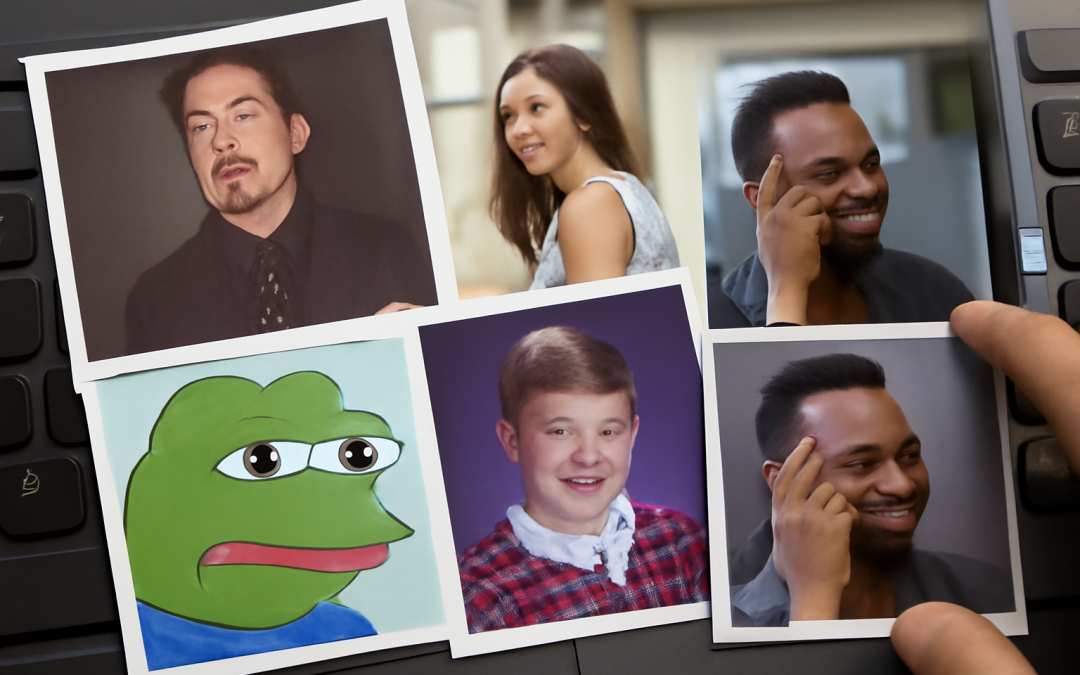
Importantly, the longevity of memes varies widely, with some fading quickly while others become enduring symbols embedded in internet history. Memes like “Distracted Boyfriend” or “Pepe the Frog” have transcended their original contexts, becoming part of the collective memory online and evolving as new layers of meaning accrue over time. Their visual language morphs alongside changing cultural narratives, serving as touchstones for community identity or social critique. This persistence demonstrates how meme culture captures snapshots of human experience that resonate beyond fleeting trends.
The global reach of meme culture further amplifies the significance of visual language in contemporary communication. Memes operate across linguistic and geographical boundaries more easily than text-heavy content, enabling cross-cultural exchanges at unprecedented scales. Despite originating in specific cultural contexts, many memes undergo localization as users adapt visual and textual elements to reflect local humor, politics, or traditions. This transnational flow enriches meme culture, making it a truly global phenomenon while highlighting shared human experiences through a unique visual vocabulary.
Additionally, the influence of meme culture extends into branding, advertising, and entertainment, where companies and creators harness its visual language to connect with audiences authentically. The clever use of memes in marketing campaigns taps into the participatory and viral nature of the format, often generating goodwill and relatability. By speaking the visual language of online communities, brands navigate the delicate balance between engagement and exploitation, seeking to embed themselves within cultural conversations without seeming disingenuous. This evolving relationship underscores the power of meme culture to shape consumer behavior and media consumption.
As meme culture continues to evolve, so does the complexity of its visual language. The emergence of video memes, GIFs, and augmented reality filters expands the toolkit available for expression, blending traditional static images with movement, sound, and interactivity. This multimedia approach enhances the emotional impact and narrative potential of memes, making the visual language richer and more immersive. The integration of these technologies invites new forms of creativity and communication, signaling ongoing innovation in how people use visual language to connect and express themselves.
The importance of meme culture and visual language also lies in its reflection of generational shifts. Younger generations, particularly digital natives, have grown up immersed in this hybrid mode of communication, shaping their cognitive and social skills around rapidly processed visual and textual stimuli. This evolution influences how knowledge is acquired, opinions are formed, and identities are constructed. Understanding the nuances of meme-driven visual language becomes crucial for educators, parents, and policymakers seeking to engage effectively with younger audiences and bridge generational divides.
Finally, the study of meme culture presents opportunities for academic inquiry across disciplines such as linguistics, media studies, sociology, and psychology. Analyzing the semiotics of memes—the signs and symbols they employ—offers insights into human communication, cultural dynamics, and social behavior in the digital era. Furthermore, exploring the ways visual language interacts with memory, emotion, and cognition can shed light on evolving patterns of human interaction mediated by technology. As an ever-expanding field of research, meme culture challenges scholars to rethink fundamental concepts of language and communication.
In sum, the intertwining of meme culture and visual language marks a transformative shift in how humans create and share meaning. This mode of communication harnesses the power of images and text to distill complex social realities into accessible, engaging, and quickly disseminatable formats. While it introduces new challenges related to interpretation, ethics, and inclusivity, it also democratizes expression and fosters cross-cultural dialogue. As digital ecosystems evolve, the significance of memes as both cultural artifacts and communicative tools is likely to deepen, continually redefining the boundaries of language and understanding in the 21st century.