
by admin | Oct 7, 2026 | Media
In today’s rapidly changing media landscape, ensuring the safety of journalists has become an increasingly complex and urgent challenge. The rise of digital technologies, the proliferation of social media, and the often volatile political environments in which reporters work contribute to an array of risks that threaten the well-being of media professionals worldwide. These risks range from physical violence and intimidation to digital surveillance and online harassment. As such, media safety and journalist training have emerged as crucial components in safeguarding press freedom and maintaining the integrity of journalism.
Journalists frequently operate in hostile environments, covering stories in conflict zones, exposing corruption, or investigating powerful interests. Their role requires them to gather, verify, and report facts, often under significant pressure and threat. Without adequate preparation and skills, journalists can find themselves vulnerable to attacks that jeopardize both their personal safety and the quality of their reporting. This is why media safety training is not merely a support service but a necessary foundation for journalists operating in today’s unpredictable contexts.
The training methods for media safety have evolved considerably over the years. Initially focused primarily on physical safety—such as risk assessment, use of protective gear, and first aid—modern journalist training programs now address a broad spectrum of threats. These include digital security, psychological resilience, and ethical challenges, reflecting the multifaceted dangers journalists face. For instance, digital threats like hacking, doxxing, and targeted misinformation campaigns require journalists to have a strong understanding of cybersecurity best practices and data encryption. By integrating these skills into their preparedness, reporters can better protect their sources, maintain the confidentiality of sensitive information, and reduce their exposure to online threats.
Another critical aspect of media safety and journalist training revolves around mental health and well-being. Covering traumatic events such as wars, natural disasters, or human rights abuses can cause intense emotional strain, leading to burnout, post-traumatic stress disorder, and other psychological hazards. Recognizing this, progressive training programs incorporate mental health support through stress management techniques, counseling access, and peer support networks. These initiatives empower journalists not only to endure the pressures of their work but also to maintain their capacity for objective, ethical reporting.
Media organizations, press freedom groups, and international bodies have increasingly emphasized the development of standardized training frameworks designed to equip journalists with comprehensive safety skills. These frameworks often emphasize context-specific training, acknowledging that threats vary significantly between regions and types of reporting. For example, the challenges faced by a journalist covering political protests in a repressive regime are different from those covering environmental crises or corporate misconduct. Tailored safety protocols and training modules ensure that journalists are well-prepared for their particular investigative environments, increasing their chances of remaining safe without compromising journalistic rigor.
Beyond individual skills, media safety training also stresses the importance of organizational support. News outlets must implement policies and infrastructure that prioritize the security of their journalists, including providing access to emergency legal aid, insurance, and secure communication tools. Moreover, fostering a culture where safety concerns are openly addressed and taken seriously encourages reporters to speak up about risks without fear of reprisal. In many situations, such organizational backing can mean the difference between surviving a dangerous assignment and succumbing to preventable harm.
The rapidly changing nature of media technologies also necessitates continual updates to journalist training curricula. With the advent of drones, deepfake videos, and increasingly sophisticated surveillance technologies, journalists face evolving threats that require adaptive safeguards. Continuous professional development opportunities enable media professionals to stay ahead of emerging risks and refine their responses. This dynamic approach ensures the training remains relevant and effective in a media environment characterized by rapid innovation and new methods of intimidation.
Furthermore, ethical considerations play a pivotal role in media safety training. Journalists must navigate the delicate balance between the public’s right to know and the imperative to protect their sources, colleagues, and themselves. Training helps journalists develop sound judgment, particularly in high-risk situations where the pursuit of a story might conflict with safety protocols. This ethical grounding reinforces the professional standards of journalism and promotes responsible reporting that takes into account the potential consequences of reckless behavior.
International cooperation has also become a cornerstone in advancing media safety and journalist training. Organizations such as UNESCO, Reporters Without Borders, and the Committee to Protect Journalists collaborate globally to offer resources, conduct training workshops, and advocate for better protections. Such cross-border efforts help share knowledge about best practices and mobilize resources to assist journalists working in especially dangerous conditions. The international dimension underscores the universal value of press freedom and the shared responsibility to protect those who serve the public through journalism.
Another significant development within media safety is the growing role of technology in both posing threats and providing solutions. Artificial intelligence tools, for example, can be used by malicious actors to generate fake news or target individuals with automated harassment. Conversely, these same technologies can be harnessed in training scenarios to simulate dangerous environments or refine threat detection and response strategies. Utilizing cutting-edge technology enables more immersive and realistic training experiences that better prepare journalists for real-world challenges.
In addition to formalized training programs, mentorship and peer-to-peer learning have gained importance within media communities. Experienced journalists often become invaluable guides for newcomers, imparting practical knowledge accumulated through years of fieldwork. This hands-on transfer of expertise complements structured training sessions by providing insights into navigating nuanced contexts that are hard to encapsulate in theoretical models. Peer support networks created through these relationships also serve as informal safety nets that can provide immediate assistance in crisis situations.
The financial constraints faced by many media organizations, especially in smaller markets or developing countries, often limit access to comprehensive safety training. Addressing this gap involves not only providing free or affordable training resources but also advocating for increased funding and policy support from governments and international donors. Investment in media safety is a critical safeguard for press freedom and democracy itself, as protecting journalists prevents censorship and allows a diverse range of voices to be heard without fear.
At the grassroots level, empowering citizen journalists and freelancers with safety training is equally vital. These groups frequently operate without the institutional support that staff journalists might enjoy but play an increasingly significant role in delivering news, especially from areas where traditional media presence is minimal. Tailored training programs for freelancers and citizen reporters help mitigate their vulnerabilities and enhance the overall quality and safety of journalism worldwide.
Moreover, the evolving geopolitical landscape further complicates media safety. The rise of authoritarianism, restrictions on press freedom, and the weaponization of information have intensified threats against journalists in many regions. Training programs now incorporate components that help reporters understand and navigate legal dangers, censorship, and political manipulation. This legal literacy equips journalists to better advocate for their rights and maneuver within challenging political climates without jeopardizing their safety.
Ultimately, media safety and journalist training are about more than protecting individuals; they are about upholding the very principles that sustain democratic societies. Without a free and secure press, citizens are deprived of vital information necessary to make informed decisions. By investing systematically in the safety and preparedness of journalists, societies reinforce the transparency and accountability that journalism fosters.
Continued commitment to developing robust media safety programs and comprehensive journalist training will be indispensable as threats grow more complex and media environments more fragmented. This dedication signals respect for the critical role that journalists play and acknowledges the sacrifices they make to bring truth to light. Sustaining this momentum requires collaborative efforts from media organizations, civil society, technology developers, policymakers, and the global community to create an environment where journalists can work confidently and safely, protected by both skill and solidarity.
In conclusion, the multifaceted nature of threats facing journalists today demands an equally multifaceted approach to media safety and journalist training. By combining physical security measures, digital literacy, mental health support, ethical guidance, and organizational backing, these programs build resilience in the media workforce. Empowered journalists can pursue their essential work with greater confidence and protection, ensuring that the vital function of free and independent journalism continues to thrive in the face of adversity. The future of journalism, and by extension democracy itself, hinges on the sustained prioritization of safety and training in the profession.
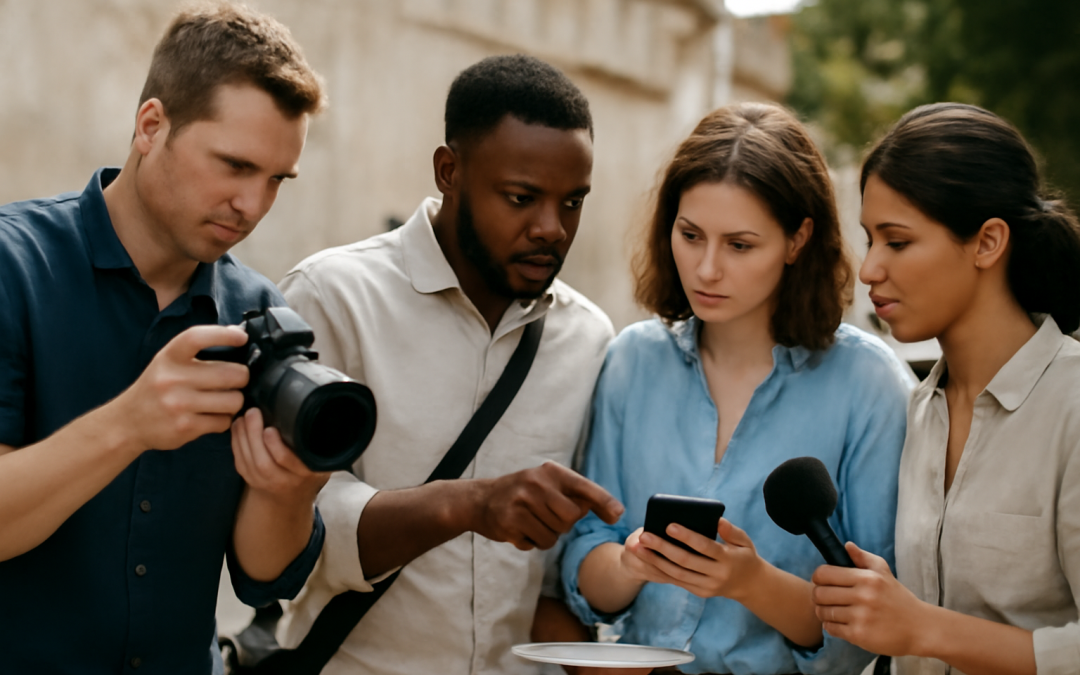
by admin | Oct 6, 2026 | Media
In the complex world of journalism, particularly in international reporting, the role of fixers and local media helpers is indispensable. These individuals provide the essential support that enables journalists to navigate unfamiliar terrains, gain access to local sources, and understand cultural nuances that would otherwise remain opaque. Their expertise often bridges the gap between foreign correspondents and the communities they seek to cover, making the pursuit of truth not only more efficient but also more accurate and contextually rich.
Fixers are typically local professionals who assist foreign journalists by arranging logistics, translating languages, and facilitating introductions to relevant contacts. Their deep local knowledge and networks allow journalists to access stories and voices that are difficult to reach. Without fixers, many reporters would struggle with language barriers, cultural misunderstandings, and the challenges of operating in politically sensitive or dangerous environments. They act not only as guides but also as mediators who help contextualize the environment, ensuring that reporting reflects the complexities of the locale.
Beyond logistical help, fixers often contribute significantly to the journalistic process by verifying information, advising on cultural sensitivities, and even suggesting story ideas based on their on-the-ground insight. Their role requires a balance of professionalism and discretion, as sometimes the matters at hand are delicate or politically charged. This alliance fosters trust and mutual respect, as fixers are invested in ensuring that stories are told accurately and ethically, while journalists rely heavily on their expertise to avoid misrepresentations or errors.
Local media helpers, who might include journalists, translators, or community contacts, complement the work of fixers by providing additional layers of support. They might assist with the interpretation of local customs, help interview subjects feel more comfortable, or provide background information that is often not found in official records. Their involvement can be crucial in areas where foreign media presence is minimal, and official channels are opaque or controlled by authorities. Local partners help reporters access a broader spectrum of perspectives and stories, contributing to more comprehensive and nuanced coverage.
The relationship between foreign correspondents and local media helpers is often symbiotic, but it can also present complexities. Issues such as trust, compensation, and the safety of local collaborators are constant considerations. In countries where press freedom is restricted, working with locals can put them at risk of retaliation or persecution. Responsible journalists recognize these dangers and take efforts to protect their collaborators by keeping identities confidential or sharing sensitive information cautiously. Ethical considerations in these partnerships are paramount, emphasizing the need for transparency, mutual respect, and a commitment to do no harm.
Funding and resource constraints in the media industry have further highlighted the value of fixers and local helpers. As newsrooms shrink and budgets tighten, foreign bureaus are often closed or reduced, making it necessary for remote reporters to rely even more heavily on the assistance of trusted local contacts. This dynamic reshapes reporting methods, with fixers sometimes taking on expanded roles such as conducting interviews or capturing footage themselves when journalists cannot be physically present. This evolution reflects the fluid nature of modern journalism and the adaptability required to tell stories in an increasingly complex global environment.
Language proficiency remains one of the most critical advantages provided by fixers and local media helpers. Even in locations where a journalist might speak the predominant language, subtleties in dialect, slang, and cultural references require a more nuanced understanding that locals possess. This linguistic insight enables interviews to be more natural and meaningful, allowing sources to express themselves fully without the distortions that might arise from direct translations or misunderstandings. It also aids journalists in deciphering official statements, local media, and social media chatter that might otherwise go unnoticed.
The cultural competence contributed by fixers cannot be overstated. Understanding social norms, taboos, and historical sensitivities helps avoid unintentional offenses or misinterpretations in coverage. This cultural lens enriches editorial decisions, guiding how stories are framed and which angles are pursued. For example, certain subjects may require a delicate approach or the involvement of community leaders to ensure respect and accuracy. Fixers and helpers often serve as cultural interpreters, providing context that enhances empathy and insight for those reporting from outside the community.
Security considerations also make the presence of fixers virtually mandatory in many areas. In conflict zones or regions with political instability, local guides who understand safe routes, potential threats, and appropriate conduct can be lifesavers. They help journalists avoid dangerous situations and navigate checkpoints, protests, or volatile environments with greater confidence. Beyond physical safety, fixers often manage interactions with authorities or armed groups, helping negotiate access or defuse tensions that could compromise a reporter’s mission.
Technological advancements have also transformed the roles of local helpers. From assisting with digital communications and verifying online information to managing social media and facilitating remote reporting setups, their contributions have become more varied. Some fixers double as technical experts who troubleshoot equipment or handle data security. In places where internet connectivity is limited or surveilled, this technical expertise ensures that journalists can maintain communication channels and protect the sources of their information.
Ethical dynamics around fixers and local media helpers are complex and increasingly scrutinized. While they are often valued professionals, the inherent power imbalance between foreign media and local collaborators sometimes raises concerns about exploitation or inequity. Fair compensation is a central issue, as is recognition for their contributions. Ensuring that local helpers are credited appropriately and treated with dignity is essential to fostering long-term, trustworthy relationships. Moreover, addressing gender dynamics is important, as female fixers and helpers may face particular risks or challenges that differ from their male counterparts.
The broader media ecosystem benefits from these partnerships in numerous ways. Stories informed by local insight tend to be richer, more balanced, and more impactful. They move beyond surface-level observations to reveal underlying social dynamics, historical grievances, and grassroots perspectives often missing in mainstream coverage. In humanitarian or conflict reporting, the inclusion of local voices through fixers and helpers helps humanize complex crises and challenges stereotypes. This approach potentially influences audiences and policymakers by providing a more accurate picture of the realities on the ground.
The training and professional development of fixers and local media helpers also plays an important role in elevating journalistic standards. Many experienced fixers share knowledge with newcomers, helping to professionalize the role and build capacities within local communities. Workshops on journalistic ethics, fact-checking, and digital security are increasingly common, sometimes supported by international organizations. This investment not only benefits foreign correspondents but also strengthens local media infrastructures, enabling independent journalism and fostering resilient information ecosystems.
The varying political contexts in which fixers and local media helpers operate influence the nature of their work significantly. In authoritarian regimes, their efforts may be constrained by censorship, surveillance, or intimidation. They often have to adopt strategies to protect sensitive information and navigate state controls creatively. Conversely, in countries with more open media environments, these roles still demand a high degree of professionalism and discretion, but the level of risk differs. Understanding these political landscapes is essential for both journalists and their local collaborators to strategize their reporting and minimize harm.
Over time, the recognition of fixers and local media helpers has grown within journalistic circles, although they often remain unsung heroes. Advocacy for their rights and protection is becoming more prominent, with organizations calling for standardized agreements, better working conditions, and legal safeguards. Some news outlets now include expense allowances specifically for hiring fixers, acknowledging their critical contribution to the reporting process. Highlighting their stories and challenges helps raise awareness within the broader media community about the indispensable role they play.
The evolution of media itself—toward multimedia storytelling, immersive experiences, and rapid news cycles—has also reshaped the work of fixers and local helpers. They are no longer mere facilitators but often collaborators in content creation, sharing responsibilities that were once the sole domain of reporters. This shift can produce innovative reporting styles but also requires clear communication about roles, editorial control, and standards. The dynamic between foreign correspondents and local media professionals is becoming more collaborative and less hierarchical, reflecting broader trends in journalism’s adaptation to new realities.
At its core, the relationship between fixers, local media helpers, and foreign journalists is about trust and shared goals. Effective collaboration depends on mutual respect and a deep understanding of the unique assets each party brings. For fixers and helpers, this means leveraging their intimate knowledge and connections to assist accurate, ethical storytelling. For journalists, it involves valuing local expertise, honoring commitments to safety and fairness, and ensuring that local collaborators benefit from their partnership. When these elements align, the result is reporting that is not only informative but transformative.
In conclusion, fixers and local media helpers serve as vital conduits between journalists and the communities they cover. Their contributions extend beyond simple assistance—they enrich stories with cultural context, ensure operational security, and safeguard journalistic integrity. Without their involvement, much of international journalism would falter, leaving important stories untold or misrepresented. Recognizing their indispensability and addressing the challenges they face is crucial for sustaining quality reporting in a rapidly changing and often perilous media landscape. The future of responsible journalism depends on nurturing these partnerships and honoring the indispensable role of these local collaborators.

by admin | Oct 5, 2026 | Media
Freelancers operating in conflict zones navigate an extraordinarily complex landscape where the lines between opportunity and peril blur daily. In these turbulent environments, independent professionals are forced to contend not only with the typical uncertainties of freelance work but also with the instability, danger, and ethical dilemmas that stem from ongoing violence and social upheaval. The challenges faced by such freelancers extend far beyond the usual concerns regarding contracts and payment disputes; their work is deeply intertwined with the geopolitical realities shaping their surroundings. As a result, survival often depends on a blend of resilience, strategic networking, and adaptability that goes far beyond the conventional skill set of freelancers working in more stable regions.
One of the most pressing difficulties for freelancers in conflict zones is ensuring personal safety while maintaining productivity. The unpredictability of violence—from sporadic gunfire to large-scale military operations—compels many to reconsider when and where they work. Reliable internet connectivity, often taken for granted in safer environments, becomes a scarce and precious commodity. Power outages and infrastructure damage are common, hampering the ability to meet deadlines or communicate with clients. Freelancers must often find creative solutions, such as working from safer neighboring locations, utilizing mobile hotspots, or depending on satellite internet services. Despite these obstacles, many remain committed to their professions, using their skills to provide essential services such as journalism, translation, digital marketing, or technical assistance, which are in demand even in the most volatile circumstances.
Financial instability is another major hurdle for freelancers based in conflict zones. The economic disruption caused by war or civil unrest typically results in hyperinflation, currency devaluation, or lack of access to banking services. This makes receiving timely payments from international clients difficult and sometimes impossible. Moreover, freelancers face the challenge of fluctuating local costs of living, which can rise drastically due to scarcity of goods and services. These conditions require freelancers to be not only financially savvy but also highly flexible in negotiating payment terms, often seeking upfront advances or switching to more stable currencies for invoicing. Digital payment platforms have become invaluable, but even these may face interruptions as governments impose network restrictions or shut down financial services to control instability.
The psychological impact on freelancers working amidst ongoing conflict cannot be overstated. Constant exposure to violence, uncertainty about their own safety and that of their loved ones, and the pressure of sustaining an income take a heavy mental toll. Freelancers must grapple with stress, anxiety, and sometimes trauma, all while striving to remain professional and meet client expectations. Access to mental health resources is often limited or nonexistent in conflict zones, leaving many to rely on informal networks or online support groups. Despite these challenges, some freelancers find purpose and motivation in their work, viewing their contributions as a means to support themselves and their communities through a period of upheaval.
Freelancers in such environments often develop unique skills that set them apart from their peers elsewhere. They become adept at crisis management, learning how to swiftly adapt plans or shift focus when circumstances change unexpectedly. This often means balancing multiple projects simultaneously or diversifying income streams to mitigate the risk of sudden job loss. Because of the fluid nature of conflict zones, adaptability extends to communication styles—translating complex geopolitical realities into comprehensible reports or crafting marketing content that resonates without inflaming local tensions. Freelancers may also develop extensive networks of contacts, ranging from fellow professionals to humanitarian organizations, which provide not only practical support but also safety and solidarity.
The role of technology in enabling freelancing in conflict zones is both critical and paradoxical. On one hand, the digital revolution provides unprecedented access to global markets, allowing freelancers to secure work from clients thousands of miles away. This access can be life-changing, offering a semblance of financial stability amid local chaos. Conversely, technology also introduces vulnerabilities. Cybersecurity risks increase in conflict areas, with freelancers potentially targeted by surveillance, hacking, or digital censorship by hostile actors. Protecting confidential client information and personal data becomes crucial, requiring freelancers to invest time and resources in secure communications, VPNs, and encryption tools. Moreover, freelancers must stay informed about evolving digital threats and learn how to navigate them without compromising their safety or that of their clients.
Ethical considerations are heightened for freelancers in conflict zones, especially those involved in journalism, research, or advocacy work. The accuracy and sensitivity of content become paramount as misinformation can exacerbate tensions or endanger lives. Freelancers often face difficult decisions concerning sources, content angles, and the publication of graphic or distressing material. They must balance the imperative to bear witness and inform the world with the responsibility not to sensationalize or exploit suffering. Additionally, freelancers sometimes confront coercion or pressure from various factions seeking to manipulate narratives for political gain. Maintaining neutrality and professional integrity requires both courage and discretion, traits that freelancers in these areas develop over time through experience and careful judgment.
Governments, international organizations, and NGOs play a significant role in shaping the conditions under which freelancers in conflict zones operate. Some offer protective measures, such as training in digital security or psychological resilience, while others provide platforms connecting freelancers to humanitarian or development projects. However, support is often inconsistent or insufficient, leaving many freelancers isolated and vulnerable. Furthermore, bureaucratic hurdles like visa restrictions, work permits, or designation as undesirable entities add layers of complexity to their work. Freelancers must often navigate these challenges independently, employing a combination of legal acumen, local knowledge, and networking to continue their activities without attracting undue attention or jeopardizing their legal standing.
In many cases, freelancers act as vital connectors between conflicted regions and the broader world. Through their work, they contribute to raising awareness, stimulating international support, and providing real-time updates during crises. Their unique position allows them to capture and convey narratives overlooked by mainstream media or large organizations, often highlighting grassroots perspectives that might otherwise remain unheard. This role is invaluable but not without risk—freelancers frequently become targets not only for physical violence but also for disinformation campaigns aimed at discrediting their work. Their commitment to truth and transparency despite these threats underscores the indispensable role they play in global information flows concerning conflict zones.
The social fabric of conflict zones profoundly influences the experiences of freelancers. In tightly knit communities, freelancers may find solidarity and protection through communal ties, while in fractured societies, suspicion and division can create additional barriers to work. Gender dynamics also intersect with the challenges of freelancing in these settings. Women freelancers, for instance, may face heightened risks or discrimination, both from societal norms and conflict-related violence, yet they often bring essential perspectives and skills to fields such as human rights documentation, social media narrative shaping, or community engagement. Understanding these dynamics is crucial for clients, collaborators, and support organizations aiming to engage with freelancers ethically and effectively.
Education and professional development opportunities for freelancers in conflict zones are frequently limited, with disrupted schooling and scarce resources hampering skill acquisition and growth. Yet many freelancers pursue self-directed learning through online courses, webinars, and peer exchanges, facilitated by the very technology that connects them to international markets. This commitment to continuous growth not only enhances their marketability but also empowers them to innovate and respond to shifting demands. It also fosters a sense of agency and hope amid adversity, reinforcing the belief that it is possible to thrive professionally even under dire circumstances.
Looking to the future, the landscape for freelancers in conflict zones is likely to evolve alongside global technological and political trends. Increased adoption of blockchain for payment solutions, artificial intelligence for work optimization, and virtual reality for immersive storytelling could open new avenues for freelancers, simultaneously presenting fresh challenges. At the same time, the geopolitical instability and climate-induced conflicts projected to increase worldwide may expand the geographic scope of such work. This underscores the importance of developing robust frameworks for freelancer protection, digital rights advocacy, and international cooperation to ensure that freelancers laboring in the most dangerous contexts can continue to contribute meaningfully to the global economy and humanitarian endeavors.
In conclusion, the life and work of freelancers in conflict zones embody a profound blend of courage, creativity, and endurance. These professionals operate on the frontlines of some of the world’s most dangerous and volatile environments, bridging gaps between isolated communities and global audiences. Their successes and struggles illuminate broader issues surrounding conflict, technology, and labor in the contemporary era. By recognizing the unique circumstances and needs of freelancers working amidst ongoing violence, stakeholders—including governments, clients, and civil society—can better support these vital actors. Doing so not only enhances individual livelihoods but also enriches global understanding and response to conflicts that affect millions worldwide.

by admin | Oct 4, 2026 | Media
In the ever-evolving world of journalism, the demand for timely, accurate, and diverse news coverage continues to grow, especially as global events unfold rapidly across different time zones and regions. Among the many contributors to news reporting, stringers hold a unique and indispensable position. These are journalists who often operate independently or on a freelance basis, providing crucial local insights, breaking news stories, and specialized reports to established media outlets. Their role is particularly vital in areas where full-time reporters may not be present or where the immediacy and authenticity of firsthand accounts are paramount.
Stringers bridge the gap between larger news organizations and the communities in which they report. Their presence enables news outlets to extend their reach geographically without the expense and logistical challenges of establishing permanent bureaus in every location. Whether it’s covering political upheaval, natural disasters, cultural events, or crime scenes, stringers often serve as the eyes and ears on the ground, capable of delivering raw, firsthand accounts that form the backbone of compelling journalism. Their reports can cover anything from short dispatches to in-depth features, depending on the needs of the news organization and the nature of the story.
The relationship between stringers and media outlets is typically contractual and based on a “pay-for-content” model, which differs significantly from the salaried positions held by full-time reporters. This dynamic can have advantages and drawbacks for both parties. For news organizations, stringers offer flexibility and a cost-effective way to gather content, especially in remote or conflict-ridden areas. For the stringers, however, the arrangement often means taking on significant personal risk and financial insecurity. Stringers must constantly seek new assignments, negotiate fees, and work independently, sometimes under difficult and hazardous circumstances.
One of the most challenging aspects stringers face is gaining acceptance and trust within their communities while maintaining journalistic credibility. Since they typically lack the institutional support that staff journalists enjoy, stringers must rely on their own networks and reputations to access information and sources. This can require nuanced understanding of local cultures, languages, and political landscapes. Successful stringers often become embedded in the communities they cover, which allows them to gather unique perspectives and uncover stories that might otherwise remain untold.
The technological advances of the past two decades have both expanded and complicated the role of stringers. The rise of digital platforms and social media means news can travel faster than ever, but it also underscores the need for reliable verification and context—areas where the stringer’s expertise is crucial. They frequently provide not only written reports but also photographs, video footage, and audio recordings that enhance the final product. However, these same technological tools have upended traditional journalism business models, often putting stringers under pressure to produce content quickly and cheaply, sometimes at the expense of thoroughness or safety.
Historically, stringers have played pivotal roles in some of the most important journalistic endeavors. During conflicts such as the Vietnam War, the Gulf War, and the Arab Spring, stringers on the front lines provided essential coverage that enabled the world to witness events unfolding in real time. Their contributions often helped shape public opinion and informed critical international responses to crises. Despite this, their work has frequently been underrecognized compared to that of staff correspondents. Many stringers operate in precarious situations, sometimes risking detention, harassment, or worse, for the sake of reporting the truth.
Ethical considerations also loom large in the work of stringers. Reporting from volatile environments demands a careful balance between storytelling and respect for the humanity of those involved. Stringers must navigate issues such as the protection of vulnerable sources, avoiding sensationalism, and maintaining impartiality in deeply polarized contexts. Since stringers usually lack the formal editorial oversight that staff journalists benefit from, the responsibility for upholding ethical standards rests squarely on their shoulders. This independence requires strong personal integrity and commitment to journalistic principles.
In addition to covering breaking news and current events, stringers often specialize in particular beats, such as sports, culture, or business. Their local expertise allows them to highlight stories that might not attract immediate international interest but are no less significant for their communities. This specialization enriches the media landscape by diversifying perspectives and amplifying voices that might otherwise be overlooked. Newsrooms rely on these localized insights to present a more complete and nuanced picture of global and domestic affairs.
The financial reality for many stringers, however, is far from stable. Freelancing in journalism often means grappling with inconsistent income and the challenge of securing bylines that lead to further work. Unlike salaried employees, stringers lack benefits such as health insurance, retirement plans, and paid leave, making their profession vulnerable to economic downturns or shifts in media consumption habits. Despite these challenges, many stringers remain steadfast in their dedication to the craft, driven by a passion for storytelling, discovery, and public service.
Media organizations have begun to recognize the importance of supporting stringers more sustainably. Initiatives vary from offering more comprehensive contracts with clearer terms to providing access to safety training and equipment, especially in dangerous environments. Some outlets have also developed stringer networks that facilitate communication, collaboration, and mentorship among freelance journalists. These efforts indicate a growing acknowledgment that the strength of journalism depends not only on headline correspondents but also on the diverse contributors who provide the foundational content.
Beyond their contribution to mainstream media, stringers play an essential role in citizen journalism and grassroots reporting. Their work often captures the nuances of life in underreported regions or marginalized communities, providing a counter-narrative to dominant media discourses. In many cases, stringers serve as mediators between local realities and global audiences, offering stories grounded in real experience rather than distant analysis. This dimension of their work enhances the democratic function of journalism by fostering a more informed and engaged public.
The skill set required to be a successful stringer is multifaceted. Besides strong reporting abilities, they must exhibit adaptability, resilience, and entrepreneurial acumen. Marketing themselves effectively, meeting deadlines under pressure, and building a portfolio that attracts future clients are all essential components of their profession. Stringers often cultivate a personal brand through social media, networking, and maintaining relationships with editors across various platforms. This entrepreneurial aspect further distinguishes stringers from traditional reporters and necessitates ongoing professional development.
Training and education opportunities for aspiring stringers have expanded in recent years, with workshops, online courses, and fellowships designed to equip freelancers with the tools needed to navigate contemporary journalism’s complexities. Topics range from digital storytelling techniques and legal considerations to safety protocols and ethical frameworks. These resources aim to enhance both the quality of reporting and the well-being of stringers, recognizing that their contributions are vital yet frequently come with personal risk.
Looking ahead, the role of stringers will likely continue to evolve alongside the broader media ecosystem. Innovations in technology, shifts in audience preferences, and ongoing political and social upheavals will shape the demand for their unique skills and perspectives. As news organizations grapple with budget constraints and the imperative to remain competitive in a crowded information market, stringers offer a means of maintaining extensive coverage without excessive expenditure. However, striking a balance between quantity and quality will remain a critical challenge.
Ultimately, stringers embody the spirit of journalistic inquiry and the pursuit of truth under conditions that are often unpredictable and challenging. Their contributions enrich the news we consume daily, providing stories and viewpoints grounded in the lived realities of diverse communities. Recognizing and supporting this essential segment of the journalism workforce is crucial not only for sustaining robust media coverage but also for ensuring that journalism remains a vibrant, inclusive, and meaningful profession. As the landscape of news continues to shift, the adaptability and dedication of stringers will remain indispensable to the integrity and depth of journalism worldwide.

by admin | Oct 3, 2026 | Media
In contemporary society, the media serves as a powerful lens through which the public understands the world. It shapes perceptions, influences policy debates, and frames issues in ways that can either illuminate or obscure reality. However, an often overlooked but pervasive challenge within this realm is the phenomenon of urban bias in national media. This bias results in a disproportionate focus on urban areas, their lifestyles, issues, and concerns, while marginalizing or neglecting rural communities and the subtleties inherent in their experiences. The consequences of such a slant are far-reaching, distorting public discourse and policy priorities in ways that may undermine social cohesion and equitable development.
Urban bias in national media manifests primarily through coverage volume and topic selection. Urban centers, being hubs of political, economic, and cultural activity, naturally draw more media attention. National media outlets, headquartered in major cities, have easier access to urban stories and personalities, lending themselves to more frequent and extensive coverage of metropolitan issues. This results in a feedback loop where urban narratives dominate, shaping the nation’s collective conversation. In contrast, rural areas, despite often encompassing substantial portions of a country’s population and landmass, receive sparse coverage. Their stories are frequently relegated to peripheral pages or broadcast segments, if at all. This disparity not only diminishes visibility but also devalues rural realities in the eyes of the broader public.
The effects of urban bias on public perception are significant. When media consistently portray urban issues as paramount, it creates the impression that the vibrancy, innovations, and challenges of city life are the primary—or only—concerns worth addressing. Rural communities, in contrast, may be depicted as static, backward, or insignificant. This skew can lead to misconceptions about rural poverty, education disparities, healthcare access, or economic opportunities. Furthermore, it fosters a social divide by amplifying stereotypes and neglecting the diversity and adaptability of rural populations. As a result, urban bias in national media does not merely reflect reality but actively shapes it in a way that marginalizes rural voices and distorts national identity.
The consequences of urban bias extend beyond public opinion and into policy formation. Government decisions and resource allocations are often influenced by media coverage, as politicians and policymakers respond to the priorities highlighted in public discourse. When national media focus predominantly on urban issues—such as housing crises, public transportation, or urban crime—these become political hotcakes, attracting funding and legislative attention. Meanwhile, rural challenges may be overlooked, such as infrastructure deficits, agricultural sustainability, and rural health services. This imbalance deepens existing inequalities, perpetuating cycles of underinvestment and neglect in non-urban areas. Consequently, urban bias in national media inadvertently exacerbates spatial inequalities, making it harder for rural communities to thrive.
Additionally, the urban-centric perspective commonly presented by national media influences the framing of news stories. Urban environments are often depicted as centers of progress, culture, and innovation, while rural areas are framed predominantly through narratives of decline or crisis. This framing impacts not only rural populations but also how urban residents perceive rural life. It can engender a sense of alienation or misunderstanding, reducing empathy and reinforcing divisions. Moreover, this dynamic affects demographic trends, as young people from rural areas may feel compelled to migrate to cities, reinforcing the narrative of rural exodus and decline. The media’s role in constructing these narratives carries significant responsibility in balancing representation and fostering mutual understanding.
The urban bias in national media is also reflected in the employment and composition of newsroom staff. Media organizations are primarily staffed by individuals based in or originating from urban centers, often with more exposure to city life than rural experiences. This homogeneity can limit the range of perspectives brought to news coverage, affecting the depth and nuance of rural reporting. Journalists may find rural stories less accessible due to geographical distance, unfamiliarity, or perceived lack of relevance to their audiences. This results in a kind of structural bias where certain stories are underreported, reinforcing the cycle of marginalization. Increasing diversity in newsrooms, including geographic diversity, is critical for addressing this issue and improving the inclusiveness of national media.
Technological developments have shifted some media dynamics, but they have not eliminated urban bias. Digital platforms and social media have enabled voices from rural areas to be heard more easily, allowing for grassroots storytelling and alternative perspectives. Yet, mainstream national media still dominate the broader narrative, and their urban focus remains entrenched. In some cases, digital media can exacerbate urban bias by concentrating coverage on urban-driven viral content and trends. Moreover, the economic models of many media outlets rely on advertising revenue tied to urban markets, reinforcing the prioritization of urban coverage to attract and retain audiences. Thus, while technology offers potential avenues for more balanced representation, systemic factors continue to sustain urban bias in national media.
Addressing urban bias requires deliberate efforts across multiple fronts. Editorial policies should recognize the importance of balanced geographical representation, striving to allocate resources and coverage that reflect a nation’s full demographic and spatial diversity. Training programs for journalists can emphasize rural reporting skills and encourage engagements that bridge urban-rural gaps. Collaboration with local media in rural areas can enrich national coverage and bring authentic local voices into national conversations. Public broadcasting, often more mission-driven than commercial outlets, can play a significant role in ensuring rural issues receive appropriate attention. Policymakers and media regulators might also encourage transparency and accountability regarding geographic representation, promoting equitable coverage that strengthens social cohesion and democratic inclusion.
Furthermore, audiences play a crucial role in shaping media priorities. Media consumers can demand broader representation by supporting outlets that provide comprehensive coverage, including rural perspectives. Critical consumption of media and awareness of urban bias help individuals recognize coverage gaps and challenge dominant narratives. Civil society organizations and advocacy groups can amplify rural voices, providing content and expertise that enrich media reporting. By fostering dialogue between urban and rural populations and encouraging nuanced storytelling, the media ecosystem can evolve to better mirror the diverse experiences and needs of the entire nation.
In examining the broader implications of urban bias in national media, it becomes clear that this phenomenon is not a mere matter of journalistic preference or logistical convenience. Rather, it reflects deep structural inequalities and cultural dynamics that influence who is seen and heard. Media, as a powerful social institution, wields tremendous influence in shaping national identity and values. When the rural dimension is sidelined, the collective understanding of a nation’s past, present, and future becomes incomplete. This incomplete picture hampers efforts to build inclusive societies that honor all citizens and their contributions. A reimagining of media practices and priorities is essential to ensure a media landscape that is truly representative and just.
The challenge lies not only in increasing coverage of rural areas but in rethinking the lenses through which stories are told. Urban bias is often implicit, embedded in the assumptions and priorities that guide news selection and presentation. Overcoming this bias demands conscious reflection and structural change, addressing both the symptoms and root causes. It involves valuing rural knowledge systems, cultures, and experiences as integral components of national life. By embracing this complexity, national media can serve their democratic role more effectively, fostering understanding and dialogue across diverse geographies.
Ultimately, the pursuit of more balanced national media coverage is a pursuit of fairness and inclusivity. It acknowledges the multiplicity of communities that comprise a nation and the necessity of hearing from all of them. Urban bias in national media is not inevitable, but a challenge society can confront through comprehensive strategies that promote diversity, equity, and respect. Achieving this will enhance the quality of journalism, enrich public discourse, and contribute to policies that address the needs of all citizens. Such progress would mark a significant step toward a media ecosystem reflective of the full tapestry of national life, where every corner of the country finds a rightful place in the story shared with the world.

by admin | Oct 2, 2026 | Media
In a world increasingly interconnected by digital innovation and urban growth, the narratives surrounding rural communities often remain underserved or overlooked by mainstream media. These regions, rich in culture, history, and economic significance, play a crucial role in national identity and development, yet the media coverage they receive frequently reflects limited perspectives. The portrayal of rural life in newspapers, television, and online platforms is marked by a scarcity of nuanced reporting, which can perpetuate stereotypes and obscure the complex realities faced by these populations.
One of the most noticeable trends in media coverage of rural communities is the tendency to focus on negative or sensational stories. Headlines frequently highlight challenges such as poverty, depopulation, lack of healthcare, and inadequate infrastructure, which are undeniably pressing issues. While it is essential for the media to shed light on these problems, an exclusive emphasis on struggle paints an incomplete picture. Rural areas are often depicted as struggling relics of the past rather than dynamic environments with evolving economies and vibrant social fabrics. This skewed representation undermines the diversity and resilience present within these communities.
Moreover, the voices representing rural areas in the media are usually limited to outsiders—journalists, experts, or policymakers—who may lack intimate knowledge of local contexts. This distance can lead to misunderstandings or oversimplifications of rural experiences, reinforcing urban-centric viewpoints. The absence of local voices means the stories conveyed often miss the nuanced interplay between tradition and change that characterizes many rural settings. Engaging directly with residents, local leaders, and grassroots organizations could significantly enrich media narratives and offer a more authentic representation of rural life.
Another factor influencing how rural communities are portrayed is the framing of rural issues as isolated problems rather than parts of broader socio-economic dynamics. For instance, reports on rural unemployment may ignore how global market shifts, national policy decisions, and urbanization trends impact these areas. By failing to connect local experiences with wider systemic forces, media coverage can inadvertently reinforce the notion that rural decline is inevitable or self-contained. This approach reduces public understanding of the structural challenges and opportunities that shape rural prosperity and decline.
Despite these shortcomings, recent years have seen some positive shifts in the media’s treatment of rural communities. There is a growing recognition of the need to highlight success stories, innovation, and community empowerment in rural settings. Stories about sustainable farming practices, rural entrepreneurship, and cultural revival projects are beginning to emerge more frequently. These narratives help to challenge outdated stereotypes, showcase rural vitality, and inspire policy and investment that supports local aspirations. However, these more balanced portrayals are not yet the norm and require continued advocacy and awareness within media institutions.
The digitization of media has also transformed the ways in which rural communities can participate in their own storytelling. Social media platforms, blogs, and community radio enable rural residents to share their perspectives, bypassing traditional gatekeepers. Such grassroots communications allow for diverse and authentic voices to reach wider audiences and foster greater mutual understanding between rural and urban populations. However, disparities in digital infrastructure and literacy still pose barriers. Addressing these gaps is essential to expanding rural contributions to public discourse and ensuring more comprehensive media coverage.
Media outlets must also reckon with the geographical and economic realities that affect rural reporting. News organizations in metropolitan centers often lack the resources or incentives to maintain correspondents in less populated areas. Travel costs, market size, and perceived audience interest lead to fewer on-the-ground stories and less investigative journalism in rural zones. This scarcity of dedicated coverage means that critical issues may be underreported, and rural communities feel marginalized in national conversations. Increasing investment in rural journalism and cross-collaboration between urban and local media can help bridge this gap.
Public perception shaped by media narratives has profound implications for how rural communities are treated by policymakers and society at large. When coverage emphasizes deficit and decline, it can foster paternalistic attitudes and policies that prioritize urban interests or impose solutions without genuine local input. Conversely, media that acknowledges rural strengths and priorities can contribute to more equitable policy frameworks that support sustainable development. The media’s role as a mediator between rural realities and broader societal understanding cannot be overstated, making the accuracy and depth of coverage especially important.
The complexity of rural communities also lies in their diversity. Rural America, for example, is not a homogeneous entity but encompasses a wide range of cultures, economic conditions, geographies, and histories. Indigenous territories, agricultural heartlands, resource-based economies, and recreational destinations each have unique stories that require tailored coverage. Unfortunately, generalized and homogenized portrayals in the media obscure these differences, limiting public awareness of the varied challenges and assets across rural regions. Greater sensitivity to local identities and experiences is necessary for media to reflect the rich tapestry of rural life.
Education and training of journalists is another critical component in improving media coverage of rural communities. Reporters often receive limited preparation in understanding rural issues, which can affect their ability to capture the full scope of rural stories. Journalism programs and media organizations need to integrate rural studies and community engagement techniques into their curricula and professional development. By equipping journalists with better tools and knowledge, the media becomes more capable of producing insightful, respectful, and accurate rural coverage.
Economic transformations in rural areas also warrant more thorough examination by the media. The decline of traditional industries such as mining and manufacturing, alongside the rise of sectors like tourism, renewable energy, and remote work, reshape rural economies. Coverage that situates these shifts within national and global economic trends provides a clearer picture of rural community adaptation and innovation. Additionally, addressing the impact of technology, climate change, and demographic changes helps audiences grasp the full breadth of factors influencing rural futures.
Health and social services present another dimension where media coverage plays an important role. Rural communities often face shortages of medical professionals, limited access to specialized care, and higher rates of certain illnesses. Reporting that highlights both the challenges and the initiatives to improve rural health systems encourages awareness and can mobilize resources. Importantly, covering social issues such as education, mental health, and substance abuse with sensitivity prevents stigma and invites constructive dialogue and support.
The intersection of rural culture and identity offers fertile ground for more enriching media stories. Many rural communities maintain distinct traditions, languages, arts, and festivals that embody their unique heritage and contribute to broader cultural diversity. Media can celebrate these aspects, fostering pride internally and curiosity externally. Highlighting cultural resilience alongside economic and social narratives provides a holistic view that counters reductive stereotypes and fosters a deeper appreciation for rural contributions to national life.
The relationship between rural and urban areas is complex and interdependent, yet media coverage often overlooks this connection. Rural regions supply essential resources such as food, energy, and raw materials that sustain urban populations, while cities provide markets, services, and cultural exchanges for rural dwellers. Bringing this symbiotic dynamic into media narratives enhances understanding of how policies and economic shifts in one area affect the other. Including rural perspectives in discussions about national priorities encourages more balanced public debate and policy formation.
In political reporting, rural voices are frequently simplified or framed as monolithic voting blocs, which obscures the multiplicity of opinions and interests within these regions. Election coverage may focus on a few swing rural counties or highlight perceived divides between urban and rural voters without delving into local political nuances. Such coverage risks alienating rural audiences and reducing complex political landscapes to stereotypes. More in-depth exploration of local political issues and engagement with diverse rural viewpoints strengthens democratic processes and media credibility.
Environmental concerns in rural areas also demand careful and contextualized media attention. Issues such as land use, conservation, water management, and climate adaptation are often contested and deeply entwined with rural livelihoods. Media has a responsibility to report on these topics with an awareness of competing interests and long-term impacts. Balanced reporting can help facilitate conversations between stakeholders, promote sustainable practices, and underscore the critical role rural communities play in environmental stewardship.
The role of rural women and youth in media narratives deserves particular focus. Women often lead community initiatives, manage farms or businesses, and contribute significantly to social and economic life, yet their stories are underrepresented. Similarly, younger generations in rural areas face distinct challenges and opportunities that go beyond commonly cited outmigration concerns. Amplifying these voices can inspire new conversations about rural development and foster inclusion in media storytelling.
Media organizations that adopt collaborative approaches involving local media, community members, and non-profit groups tend to produce richer, more contextually accurate depictions of rural life. Such partnerships can provide access to deeper sources, enhance trust, and ensure that reporting reflects community priorities. Collaborative journalism models have shown success in increasing coverage and creating stories that resonate with both rural and urban audiences. Encouraging these approaches is vital to transforming how rural communities are portrayed and understood.
In addition to traditional news media, alternative platforms such as podcasts, independent magazines, and documentary films play an increasingly important role in amplifying rural voices. These formats often allow for more in-depth exploration and creative storytelling that mainstream outlets may not prioritize. Highlighting these productions raises awareness of diverse rural perspectives and serves as a model for inclusive media coverage. Supporting independent rural media creators broadens the range of stories available to the public and enriches cultural understanding.
Ultimately, improving media coverage of rural communities requires a strategic commitment to equity, accuracy, and engagement. It is not enough to intermittently report on rural issues during crises or elections. Consistent and comprehensive coverage that reflects the daily lives, struggles, and triumphs of these communities fosters respect and inclusion. Media has the potential to bridge the divide between urban and rural populations, promote informed public discourse, and influence policies that reflect the realities and aspirations of all citizens. By recognizing the vital role rural communities play in the social, economic, and cultural fabric, media can help create a more balanced and integrated national narrative.
Addressing the historic underrepresentation of rural voices will contribute to a media landscape that values diversity in geographic and demographic terms. This transformation depends on leadership within media organizations, awareness among consumers, and collaboration with rural stakeholders. It also requires new investment in journalism infrastructure that reaches beyond metropolitan centers. With these efforts, rural communities can be recognized not merely as subjects of pity or nostalgia but as active participants shaping their futures and enriching the broader society.
In conclusion, transforming how rural communities are covered in the media is a critical step toward achieving greater equity and understanding in national conversations. The layers of economic, cultural, political, and environmental factors that define rural life demand thorough, respectful, and insightful reporting. When media embraces the complexity and diversity of rural experiences, it cultivates a richer public awareness that benefits all citizens. This evolution in coverage fosters stronger connections between rural and urban populations, supports more responsive policies, and ultimately strengthens the social fabric that binds communities together in an ever-changing world.