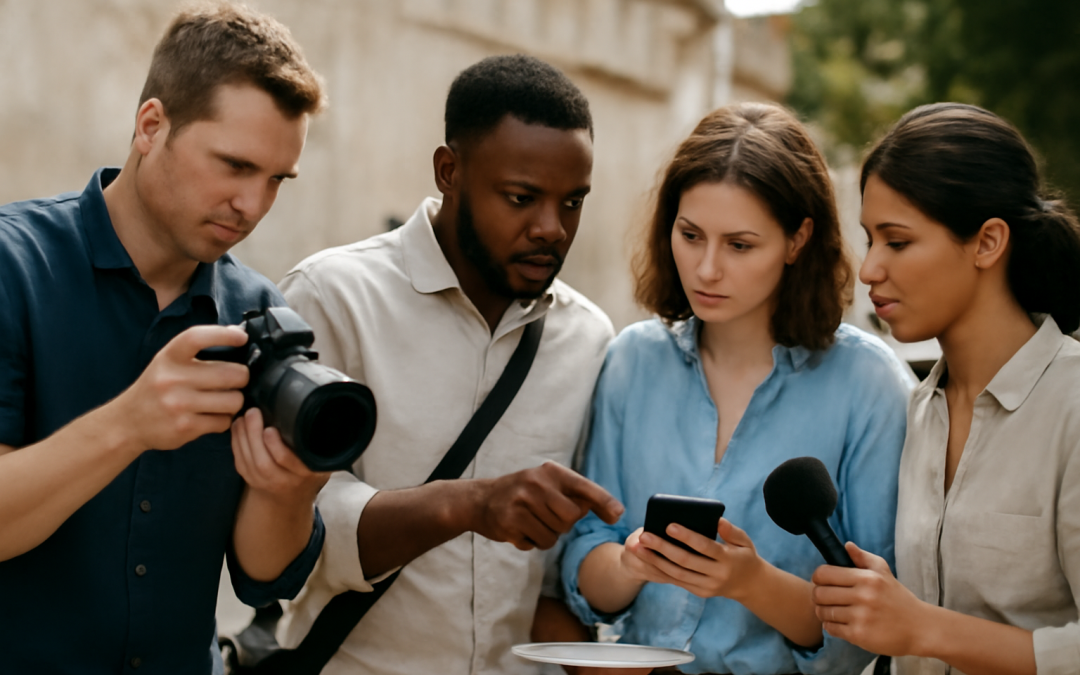
In the complex world of journalism, particularly in international reporting, the role of fixers and local media helpers is indispensable. These individuals provide the essential support that enables journalists to navigate unfamiliar terrains, gain access to local sources, and understand cultural nuances that would otherwise remain opaque. Their expertise often bridges the gap between foreign correspondents and the communities they seek to cover, making the pursuit of truth not only more efficient but also more accurate and contextually rich.
Fixers are typically local professionals who assist foreign journalists by arranging logistics, translating languages, and facilitating introductions to relevant contacts. Their deep local knowledge and networks allow journalists to access stories and voices that are difficult to reach. Without fixers, many reporters would struggle with language barriers, cultural misunderstandings, and the challenges of operating in politically sensitive or dangerous environments. They act not only as guides but also as mediators who help contextualize the environment, ensuring that reporting reflects the complexities of the locale.
Beyond logistical help, fixers often contribute significantly to the journalistic process by verifying information, advising on cultural sensitivities, and even suggesting story ideas based on their on-the-ground insight. Their role requires a balance of professionalism and discretion, as sometimes the matters at hand are delicate or politically charged. This alliance fosters trust and mutual respect, as fixers are invested in ensuring that stories are told accurately and ethically, while journalists rely heavily on their expertise to avoid misrepresentations or errors.
Local media helpers, who might include journalists, translators, or community contacts, complement the work of fixers by providing additional layers of support. They might assist with the interpretation of local customs, help interview subjects feel more comfortable, or provide background information that is often not found in official records. Their involvement can be crucial in areas where foreign media presence is minimal, and official channels are opaque or controlled by authorities. Local partners help reporters access a broader spectrum of perspectives and stories, contributing to more comprehensive and nuanced coverage.
The relationship between foreign correspondents and local media helpers is often symbiotic, but it can also present complexities. Issues such as trust, compensation, and the safety of local collaborators are constant considerations. In countries where press freedom is restricted, working with locals can put them at risk of retaliation or persecution. Responsible journalists recognize these dangers and take efforts to protect their collaborators by keeping identities confidential or sharing sensitive information cautiously. Ethical considerations in these partnerships are paramount, emphasizing the need for transparency, mutual respect, and a commitment to do no harm.
Funding and resource constraints in the media industry have further highlighted the value of fixers and local helpers. As newsrooms shrink and budgets tighten, foreign bureaus are often closed or reduced, making it necessary for remote reporters to rely even more heavily on the assistance of trusted local contacts. This dynamic reshapes reporting methods, with fixers sometimes taking on expanded roles such as conducting interviews or capturing footage themselves when journalists cannot be physically present. This evolution reflects the fluid nature of modern journalism and the adaptability required to tell stories in an increasingly complex global environment.
Language proficiency remains one of the most critical advantages provided by fixers and local media helpers. Even in locations where a journalist might speak the predominant language, subtleties in dialect, slang, and cultural references require a more nuanced understanding that locals possess. This linguistic insight enables interviews to be more natural and meaningful, allowing sources to express themselves fully without the distortions that might arise from direct translations or misunderstandings. It also aids journalists in deciphering official statements, local media, and social media chatter that might otherwise go unnoticed.
The cultural competence contributed by fixers cannot be overstated. Understanding social norms, taboos, and historical sensitivities helps avoid unintentional offenses or misinterpretations in coverage. This cultural lens enriches editorial decisions, guiding how stories are framed and which angles are pursued. For example, certain subjects may require a delicate approach or the involvement of community leaders to ensure respect and accuracy. Fixers and helpers often serve as cultural interpreters, providing context that enhances empathy and insight for those reporting from outside the community.
Security considerations also make the presence of fixers virtually mandatory in many areas. In conflict zones or regions with political instability, local guides who understand safe routes, potential threats, and appropriate conduct can be lifesavers. They help journalists avoid dangerous situations and navigate checkpoints, protests, or volatile environments with greater confidence. Beyond physical safety, fixers often manage interactions with authorities or armed groups, helping negotiate access or defuse tensions that could compromise a reporter’s mission.
Technological advancements have also transformed the roles of local helpers. From assisting with digital communications and verifying online information to managing social media and facilitating remote reporting setups, their contributions have become more varied. Some fixers double as technical experts who troubleshoot equipment or handle data security. In places where internet connectivity is limited or surveilled, this technical expertise ensures that journalists can maintain communication channels and protect the sources of their information.
Ethical dynamics around fixers and local media helpers are complex and increasingly scrutinized. While they are often valued professionals, the inherent power imbalance between foreign media and local collaborators sometimes raises concerns about exploitation or inequity. Fair compensation is a central issue, as is recognition for their contributions. Ensuring that local helpers are credited appropriately and treated with dignity is essential to fostering long-term, trustworthy relationships. Moreover, addressing gender dynamics is important, as female fixers and helpers may face particular risks or challenges that differ from their male counterparts.
The broader media ecosystem benefits from these partnerships in numerous ways. Stories informed by local insight tend to be richer, more balanced, and more impactful. They move beyond surface-level observations to reveal underlying social dynamics, historical grievances, and grassroots perspectives often missing in mainstream coverage. In humanitarian or conflict reporting, the inclusion of local voices through fixers and helpers helps humanize complex crises and challenges stereotypes. This approach potentially influences audiences and policymakers by providing a more accurate picture of the realities on the ground.
The training and professional development of fixers and local media helpers also plays an important role in elevating journalistic standards. Many experienced fixers share knowledge with newcomers, helping to professionalize the role and build capacities within local communities. Workshops on journalistic ethics, fact-checking, and digital security are increasingly common, sometimes supported by international organizations. This investment not only benefits foreign correspondents but also strengthens local media infrastructures, enabling independent journalism and fostering resilient information ecosystems.
The varying political contexts in which fixers and local media helpers operate influence the nature of their work significantly. In authoritarian regimes, their efforts may be constrained by censorship, surveillance, or intimidation. They often have to adopt strategies to protect sensitive information and navigate state controls creatively. Conversely, in countries with more open media environments, these roles still demand a high degree of professionalism and discretion, but the level of risk differs. Understanding these political landscapes is essential for both journalists and their local collaborators to strategize their reporting and minimize harm.
Over time, the recognition of fixers and local media helpers has grown within journalistic circles, although they often remain unsung heroes. Advocacy for their rights and protection is becoming more prominent, with organizations calling for standardized agreements, better working conditions, and legal safeguards. Some news outlets now include expense allowances specifically for hiring fixers, acknowledging their critical contribution to the reporting process. Highlighting their stories and challenges helps raise awareness within the broader media community about the indispensable role they play.
The evolution of media itself—toward multimedia storytelling, immersive experiences, and rapid news cycles—has also reshaped the work of fixers and local helpers. They are no longer mere facilitators but often collaborators in content creation, sharing responsibilities that were once the sole domain of reporters. This shift can produce innovative reporting styles but also requires clear communication about roles, editorial control, and standards. The dynamic between foreign correspondents and local media professionals is becoming more collaborative and less hierarchical, reflecting broader trends in journalism’s adaptation to new realities.
At its core, the relationship between fixers, local media helpers, and foreign journalists is about trust and shared goals. Effective collaboration depends on mutual respect and a deep understanding of the unique assets each party brings. For fixers and helpers, this means leveraging their intimate knowledge and connections to assist accurate, ethical storytelling. For journalists, it involves valuing local expertise, honoring commitments to safety and fairness, and ensuring that local collaborators benefit from their partnership. When these elements align, the result is reporting that is not only informative but transformative.
In conclusion, fixers and local media helpers serve as vital conduits between journalists and the communities they cover. Their contributions extend beyond simple assistance—they enrich stories with cultural context, ensure operational security, and safeguard journalistic integrity. Without their involvement, much of international journalism would falter, leaving important stories untold or misrepresented. Recognizing their indispensability and addressing the challenges they face is crucial for sustaining quality reporting in a rapidly changing and often perilous media landscape. The future of responsible journalism depends on nurturing these partnerships and honoring the indispensable role of these local collaborators.