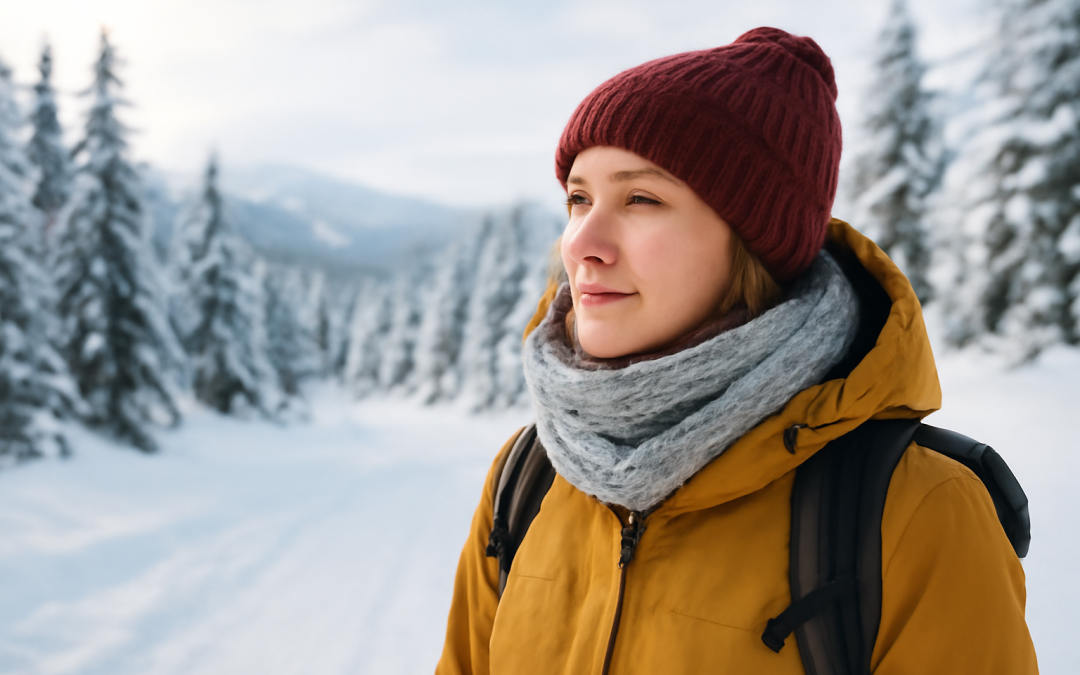
When the cold months arrive, many travelers find themselves longing for an escape, a chance to explore new destinations or revisit favorite ones without the discomfort of freezing temperatures. Planning a winter trip without freezing is not just about picking the right location; it requires thoughtful preparation, packing intelligently, and adapting activities to suit the climate. With strategic planning, it is entirely possible to enjoy the beauty and charm of winter without succumbing to the bitter cold that often accompanies it.
The first step to a comfortable winter trip is selecting a destination that aligns with your tolerance for cold and your desired activities. Some regions experience milder winters, offering crisp but manageable temperatures that allow visitors to stay outdoors without constant discomfort. Coastal cities, for example, often benefit from oceanic currents that moderate temperatures, preventing them from plunging to freezing levels. Meanwhile, certain mountain resorts have developed infrastructure, including heated pathways, indoor attractions, and readily available warm beverages, making chilly environments much more livable. Researching annual temperature averages, humidity levels, and wind conditions will help to avoid unpleasant surprises upon arrival.
Once the destination is chosen, equipping oneself with the proper clothing is paramount. Layering is the foundation of staying warm during any winter excursion. The key lies in wearing multiple thin garments rather than one single thick piece. A moisture-wicking base layer will keep sweat away from your skin, preventing chills from dampness. Over this, an insulating layer such as fleece or down traps body heat efficiently. Finally, a windproof and waterproof outer shell guards against the elements, from biting winds to unexpected snowfall. Accessories should not be ignored: thermal gloves, insulated hats, and scarves protect exposed extremities, where heat loss occurs most rapidly.
Footwear plays a similarly crucial role in maintaining warmth and comfort. Waterproof boots insulated with materials designed to retain heat ensure that feet remain dry and toasty during long walks. Cold feet can quickly diminish the enjoyment of a winter trip and even lead to health issues like frostbite. Using thick wool socks or specially designed thermal socks adds an extra layer of protection against the cold. It’s important to break in new boots before the trip to avoid discomfort, and packing extra socks is wise in case the originals become wet.
Beyond clothing, adopting certain behaviors can greatly influence your experience. Planning activities during daylight hours takes advantage of the warmer aspects of the day and natural light. Mornings and afternoons tend to be less cold than evenings and early mornings, so scheduling sightseeing or outdoor adventures accordingly can reduce exposure to extreme temperatures. When taking breaks, finding nearby cafes, museums, or enclosed markets to warm up can keep energy levels high and spirits lifted.
Nutrition and hydration are often overlooked components of winter comfort but are essential to maintaining body heat. Eating foods rich in complex carbohydrates and proteins provides the necessary fuel for the body to generate warmth. Hot beverages such as herbal teas, broth, or warm water with lemon hydrate internally and immediately raise body temperature. Alcohol, while sometimes perceived as warming, actually causes heat loss and should be consumed cautiously. Staying well-hydrated is equally important as dehydration can exacerbate feelings of cold and fatigue.
Preparing for the possibility of colder-than-expected weather involves packing well beyond just clothing. Portable hand warmers are compact, inexpensive tools that provide sustained heat when tucked into gloves or pockets. Additionally, bringing along a quality thermos filled with hot drinks can offer comfort during long outdoor excursions. Travelers should also consider bringing an extra blanket or travel-sized sleeping bag liner if spending time in less heated accommodations or plan to camp outdoors where temperatures can plummet overnight.
Accommodations chosen for a winter trip make a significant difference in comfort levels. Opting for lodgings that provide good heating systems, insulated windows, and cozy common areas can transform the entire experience. Properties with amenities such as fireplaces, hot tubs, or heated pools add a luxurious layer of warmth to relaxation time. Booking early ensures access to the best options and allows for requesting rooms situated away from drafty areas. Always confirm that the accommodations have reliable heating before finalizing reservations.
Transportation should also be planned with winter conditions in mind. Airports, train stations, and bus terminals may be exposed to the elements, and long waits outdoors can quickly chill travelers. Packing a compact but warm jacket specifically for travel days ensures that time spent waiting for connections remains comfortable. If driving, vehicles should be winterized with antifreeze, fresh windshield washer fluid, and properly inflated tires. Emergency kits stored in cars should include blankets, flashlights, and non-perishable snacks in case of delays.
For those seeking a more active winter adventure, such as skiing or snowboarding, the right preparation is especially important. Rental shops frequently provide the necessary gear, yet bringing your own base layers and thermal undergarments can significantly improve warmth and fit. Taking breaks indoors to avoid prolonged exposure is key, as is staying vigilant of weather forecasts to avoid dangerous conditions. Warming up properly before engaging in physical activity prevents muscle injuries and enhances endurance.
Technology can aid in a winter trip to avoid freezing as well. Weather apps with real-time alerts keep travelers informed about sudden temperature drops or storms. Portable battery packs ensure phones and other devices don’t die when needed most, such as to summon help or check maps. GPS trackers can add a layer of security, especially in remote areas where cold weather can amplify risks. Utilizing social media or messaging to update friends or family about whereabouts provides peace of mind.
Understanding local customs and dress codes is valuable for blending comfort with cultural respect. In some winter destinations, residents are accustomed to colder climates and have their own methods of staying warm, including specific clothing styles, heating habits, and midday rest periods. Observing and adopting these practices can enhance not only warmth but also social integration. Additionally, learning a few key phrases in the native language related to weather conditions or asking for help can be extremely useful.
Travel insurance is another important consideration. Winter weather can be unpredictable, leading to flight cancellations, delayed transportation, or sudden changes in accommodation availability. Choosing policies that cover weather-related disruptions ensures that refunds or rebookings are less stressful and financial losses minimized. In some cases, insurance plans may also include coverage for medical emergencies related to cold-weather illnesses or injuries.
Planning indoor activities to complement outdoor experiences provides a balanced itinerary. Museums, theaters, local cooking classes, and artisan workshops offer warmth and fascinating cultural insights away from the cold. These options allow travelers to pace themselves and avoid overexposure to harsh conditions. When selecting restaurants and cafés, opting for those with cozy atmospheres enhances the overall comfort level and provides opportunities to interact with locals and taste seasonal specialties.
Finally, cultivating the right mindset transforms ways to approach winter travel. Instead of dreading the cold, embracing the season’s unique beauty, tranquility, and festive ambiance can enrich the journey. Snow-covered landscapes, crisp air, and quieter tourist spots often create magical experiences that are unavailable during other seasons. Viewing the cold as an element to respect but not fear encourages careful planning and above all, enjoyment of every moment.
Successfully navigating the challenges of a winter trip without freezing hinges on a combination of informed destination choice, smart clothing and accessory selection, and thoughtful activity scheduling. Paying close attention to nutrition, hydration, and lodging further adds comfort and resilience against the elements. By integrating modern technology, cultural awareness, and practical safety measures, travelers can fully immerse themselves in the wonders of winter travel. With these strategies in place, the coldest months become an invitation to adventure rather than a barrier, ensuring lasting memories made in warmth and delight.