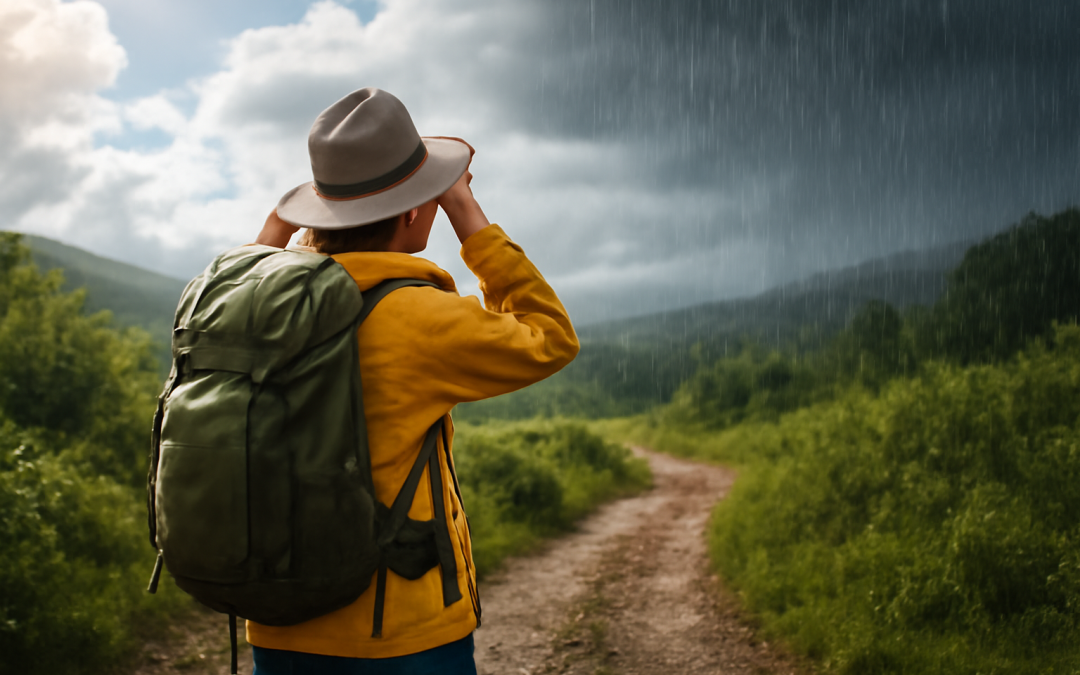
Traveling offers a unique opportunity to explore new places, experience different cultures, and create lasting memories. However, one of the unpredictable challenges that travelers often face is sudden weather changes. Whether it’s an unexpected rainstorm, a drop in temperature, or overly intense heat, weather can significantly impact the quality and safety of a trip. Handling weather changes on a trip effectively requires preparation, adaptability, and a positive mindset to ensure the journey remains enjoyable regardless of the conditions.
One of the first steps in managing weather changes during travel is thorough preparation before departure. Researching the usual weather patterns of the destination and the time of year can provide essential insight. Websites, weather apps, and travel forums are valuable tools for gathering detailed information about what to expect. This also includes checking for any seasonal hazards such as monsoons, hurricanes, or extreme temperature shifts that could affect the trip. The knowledge gained from preparation enables travelers to pack appropriately, ensuring they have suitable clothing and gear for a range of conditions.
Packing wisely is critical when it comes to handling weather changes. Layered clothing allows for flexibility, as it can be added or removed depending on temperature fluctuations. Lightweight, breathable fabrics are ideal for warm weather, while insulated and waterproof materials are necessary for cold and rainy environments. Including a compact rain jacket or poncho and a sturdy umbrella can make a huge difference during unexpected showers. Footwear also plays a vital role; choosing comfortable, water-resistant shoes can help navigate wet or slippery terrain safely, keeping feet dry and free from blisters.
On the road, staying informed about real-time weather updates can prevent unpleasant surprises. Mobile devices equipped with weather alert apps provide timely notifications about storms, heatwaves, or other sudden changes. Travelers should also be mindful of local news or visitor centers where staff can offer guidance on current conditions. Being proactive in tracking the weather allows for adjusting plans, such as rescheduling outdoor activities or finding indoor alternatives, to maintain enjoyment without compromising safety.
Adapting to weather changes also means embracing flexibility in travel itineraries. Plans need to be fluid and open to modifications. For instance, if heavy rain is forecasted, activities like hiking or sightseeing might be shifted to museums, galleries, or cafes until conditions improve. Travelers should avoid rigid scheduling to reduce stress and disappointment caused by weather disruptions. Accepting that some days might not go according to plan allows a more relaxed and spontaneous approach, turning unexpected weather into an opportunity to discover new indoor experiences.
Another important consideration is how different weather conditions affect health and wellbeing during travel. Cold weather requires attention to prevent hypothermia or frostbite, which means dressing warmly and taking breaks in heated environments. Hot weather presents risks of dehydration and heat exhaustion, so staying hydrated, seeking shade, and scheduling strenuous activities for cooler parts of the day are essential. Sun protection is also critical at any time, but especially when skies are clear. Carrying sunscreen, hats, and sunglasses protects against UV rays that can cause long-term skin damage.
Transportation can also be influenced by weather changes, and being prepared for such disruptions is key. Flights, trains, and buses might be delayed or canceled due to storms or icy conditions. Travelers should allow extra time when transferring between modes of transport and always keep important contacts and confirmation details readily accessible. Having travel insurance that covers weather-related cancellations or interruptions offers additional peace of mind and financial protection. Being patient and understanding of these potential delays will help reduce frustration and maintain a positive outlook.
When weather conditions turn extreme, such as during hurricanes, blizzards, or heatwaves, safety must be the top priority. Following local authorities’ warnings and evacuation orders is vital to avoid dangerous situations. Travelers should know the location of nearby shelters or safe spaces and have an emergency kit with essentials like water, food, medications, and a flashlight. Avoiding risky areas, such as flooded roads, icy streets, or exposed mountaintops, can prevent accidents. Remaining calm and informed during these times enables better decision-making and helps protect both oneself and travel companions.
The cultural context of weather changes is another interesting aspect to consider. Local inhabitants have often developed unique ways of coping with their climate, offering valuable lessons and strategies for travelers. Observing and respecting these practices enhances not only personal safety but also cultural understanding. For example, in tropical regions, locals might avoid going out during the hottest midday hours, while in colder climates, they may prioritize layering and using heated public spaces. Engaging with locals can reveal insider tips on weather preparedness that are not available in guidebooks.
Technology plays an increasingly important role in managing weather during travel. Beyond basic weather apps, there are specialized tools like satellite imagery, radar maps, and travel planning platforms that incorporate weather forecasts in their itineraries. Many smartphones and smartwatches can track altitude changes, barometric pressure, and temperature variations, providing real-time data that helps travelers understand microclimate shifts. Using tech smartly can make the difference between a seamless trip and one disrupted by unforeseen weather challenges.
In addition to practical preparations, cultivating an open and resilient mindset can influence how weather changes affect overall trip satisfaction. Viewing unpredictable weather as part of the adventure rather than an obstacle encourages creativity and exploration. For instance, a sudden thunderstorm might lead to discovering a cozy local restaurant or a quaint bookshop, experiences that would otherwise be missed. This adaptable attitude allows travelers to make the most of every situation and develop lifelong skills in problem-solving and flexibility.
In some cases, weather conditions may open up unique opportunities that would not exist otherwise. Snowfall can transform a region into a winter wonderland, perfect for activities like skiing or snowshoeing. Rain may enhance the vibrancy of natural landscapes, making forests greener and waterfalls more spectacular. Fog can add a mysterious ambiance to historic cities or coastal areas, enhancing the sense of place. Recognizing and embracing these special moments can enrich the travel experience beyond the expected highlights.
Beyond personal travel, understanding the environmental impact of weather changes is increasingly relevant. Climate change has made weather patterns less predictable and more extreme worldwide, influencing tourism in profound ways. Travelers can contribute positively by choosing sustainable practices, such as reducing waste, supporting local businesses, and respecting natural habitats that may be vulnerable to weather-related stress. Being conscious of these factors aligns travel with broader global efforts to mitigate climate change and preserve destinations for future generations.
For families traveling with children, dealing with weather changes requires additional planning and considerations. Children may be more sensitive to temperature extremes and less able to communicate discomfort clearly. Packing extra clothing, snacks, and toys can help manage situations where outdoor plans are curtailed due to weather. Establishing routines that include time for rest indoors during inclement weather can prevent crankiness and fatigue. Involving children in decision-making about weather-related changes can also make them feel more included and less anxious.
Solo travelers face unique challenges when the weather suddenly shifts, especially in unfamiliar environments. Maintaining contact with others through regular check-ins and sharing itineraries can provide an extra layer of security. Having a portable charger for devices ensures access to important information and emergency services at all times. Being cautious and avoiding risky areas when adverse weather strikes is essential. Solo travel with unexpected weather can also offer moments of solitude and reflection that add depth to the journey.
Adventure travelers such as hikers, climbers, or cyclists must pay particular attention to weather changes due to the inherent risks of outdoor activities. Monitoring weather trends closely and carrying appropriate gear such as thermal blankets, emergency shelters, and navigation devices is standard practice. Learning how to recognize signs of changing weather, such as shifting cloud formations or sudden temperature drops, enables quick decisions to turn back or seek shelter. Proper weather preparedness can be lifesaving in wilderness settings where help is often hours away.
Urban explorers should not underestimate how weather changes can affect city travel. Rain can flood streets, reduce visibility, and make walking or biking hazardous. Extreme heat can make outdoor sightseeing exhausting and increase the risk of heatstroke. Travelers can adapt by choosing routes with sheltered walkways, frequenting indoor attractions, and using public transit options that minimize exposure. Being flexible with daily plans to accommodate weather conditions will make exploring urban environments more comfortable and enjoyable.
Dealing with weather changes on a trip also involves the social aspect of travel. Weather disruptions may impact group activities, leading to frustration or conflict. Clear communication and consensus on alternate plans promote harmony and ensure everyone’s needs are considered. Sharing resources such as umbrellas, extra clothing, or shelter can foster camaraderie. Embracing the unpredictable nature of weather together can strengthen bonds and create shared memories that become important stories to recount after the trip.
When possible, traveling during shoulder seasons can reduce the likelihood of encountering extreme weather while still offering pleasant conditions. These periods between peak and off-peak times often provide milder temperatures and fewer crowds. However, they may still include spells of rain or wind, so preparedness remains important. Choosing off-peak travel involves balancing the advantages of calm weather and pricing with the possibility of occasional less-than-ideal days. Checking historical weather data helps inform decisions about when best to visit particular destinations.
Accommodations play a critical role in coping with sudden weather changes. Selecting lodging with amenities such as heating, air conditioning, or covered outdoor spaces can significantly improve comfort during adverse weather. Proximity to restaurants, shops, and public transport also offers convenient options when outdoor activities are limited. Some hotels or rental homes provide weather-related guidance or services like umbrellas or rain gear rentals. Prioritizing comfort and convenience in accommodation choices contributes to a smooth and stress-free stay.
Incorporating contingency plans into travel itineraries is a smart approach to handling weather uncertainties. Listing backup activities, having indoor attractions prioritized, and scheduling free time for flexibility reduces disruptions if weather turns foul. Travelers should also consider transportation options for quick changes, including taxis, ride-sharing, or renting a vehicle. Having financial buffers reserved for unplanned expenses such as additional lodging or canceled tours provides peace of mind. These strategies help maintain control over the trip experience despite weather challenges.
Ultimately, managing weather changes on a trip is about balancing preparedness with flexibility. No matter how much planning occurs beforehand, nature has its own agenda. Accepting this reality and equipping oneself with practical tools, reliable information, and an open attitude makes handling unexpected weather an integral part of the adventure. The ability to adapt not only enhances personal safety and comfort but also enriches the overall travel experience, allowing each journey to be memorable, regardless of the skies above.
In summary, conscientious planning combined with fluid adaptability forms the foundation for successfully navigating weather changes during travel. By researching destinations, packing smartly, staying updated with local weather alerts, and maintaining an open, flexible mindset, travelers can turn potential disruptions into opportunities for unique exploration and cultural immersion. Weather will always be a dynamic element of travel, but with the right approach, it becomes a companion rather than a hindrance, contributing to an enriched, resilient travel spirit.