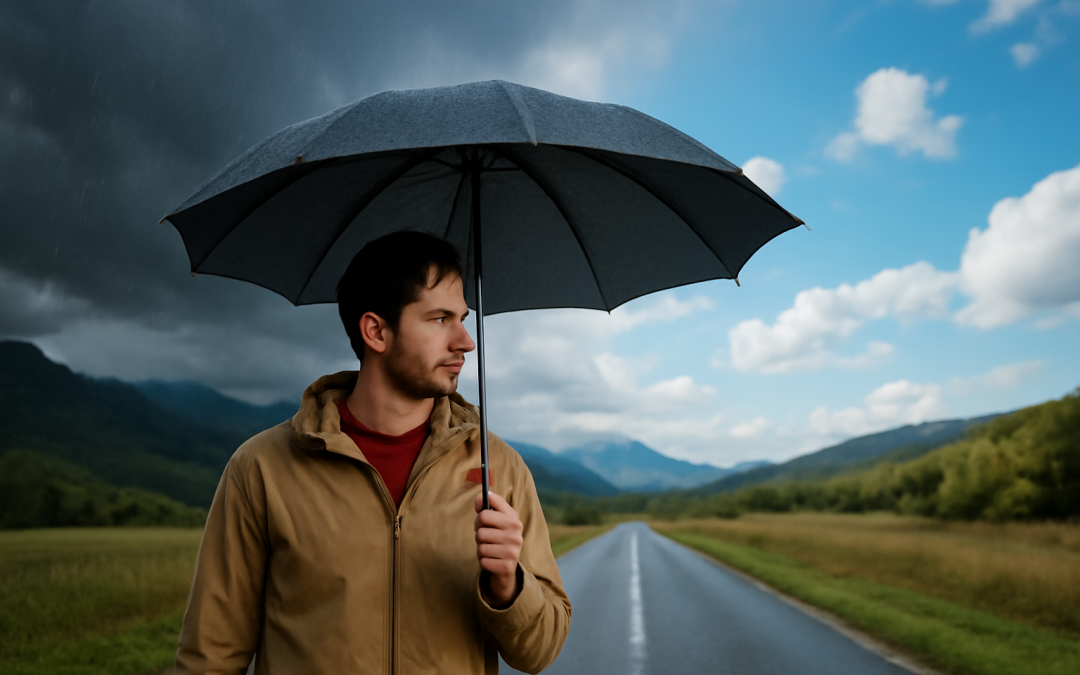
Traveling often brings unforeseen changes, and one of the most unpredictable elements to navigate is the weather. Whether you’re embarking on a weekend getaway or an extended expedition, weather fluctuations can significantly impact your plans, comfort, and safety. Understanding how to handle weather changes on a trip is crucial for making the most of your journey, regardless of whether you encounter unexpected rain, sudden cold snaps, or sizzling heat waves. Preparing in advance and adapting dynamically can transform potential disruptions into manageable and even memorable parts of your adventure.
One of the most effective strategies for managing weather changes during travel begins well before you leave home: thorough research. Checking long-term weather forecasts for your destination and nearby regions can provide a reasonable expectation of the conditions you might face. However, it is equally important to recognize that weather is prone to sudden, unexpected shifts, especially in areas with variable climates like mountainous zones or coastal regions. Staying updated with reliable meteorological sources during your trip and having weather apps on your phone can keep you informed in real time, allowing quick adjustments to your itinerary.
Packing smartly is another cornerstone of successfully dealing with weather variations. Instead of sticking to one style of clothing, layering is key. Layers allow you to add or remove garments efficiently to accommodate fluctuating temperatures or sudden drizzles. Items such as moisture-wicking base layers, lightweight fleece, and waterproof outer shells can serve a versatile purpose. Including accessories like a compact umbrella, a hat, and gloves—even if the forecast looks benign—can spare you considerable discomfort when conditions shift. Footwear choices must also be adaptable, such as waterproof boots or shoes with good traction, especially if there is a chance of rain or slippery terrain.
Safety considerations become paramount when weather conditions deteriorate sharply. For example, if you are hiking or engaging in outdoor activities, unexpected storms can turn dangerous very quickly. Having a clear understanding of your route, knowing shelter locations, and having emergency supplies can be lifesaving. These might include a portable first aid kit, extra food and water, a flashlight with spare batteries, and a fully charged phone or communication device. In some cases, local guides or visitor centers may offer updated advice or warnings about weather hazards, so maintaining contact or checking in regularly can help avoid unnecessary risk.
Adjusting your activity schedule to the weather can enhance your experience and reduce stress. Misty mornings might be perfect for relaxing indoor pursuits such as visiting museums, shopping, or savoring local cuisine, while sunny afternoons could be reserved for sightseeing or outdoor adventures. Flexibility is vital; try to avoid rigid plans that leave no room for weather-related changes. When bad weather strikes, embrace the opportunity to explore aspects of your destination that you might otherwise overlook. A rainy day could open doors to a local spa, a cozy bookshop, or a cultural event you hadn’t considered.
Accommodations play a surprisingly crucial role in weather adaptability. Choosing lodging with amenities that support comfort through different conditions can alleviate the impact of unpredictable weather. Properties with heating and cooling systems, access to indoor recreational areas, or easy access to transport can be a boon. Moreover, some hotels or rentals may offer flexible cancellation policies or last-minute changes, which can be beneficial if severe weather forces you to alter your travel plans. Balancing comfort with practicality helps maintain morale when external conditions are uncooperative.
Transportation options are another critical area affected by weather changes. Flights may be delayed, roads may become impassable due to snow or flooding, and ferries can be canceled during storms. Staying in contact with transportation providers and understanding alternative routes can minimize inconvenience. Travelers should build buffer time into their journeys and avoid tight schedules that leave little margin for weather-induced disruptions. Additionally, carrying essential travel documents and digital copies, along with basic necessities in your carry-on or day pack, ensures that you are prepared to handle sudden detours or extended waits comfortably.
Mental preparedness is often overlooked but equally important when weather shifts unexpectedly on a trip. Accepting that some aspects of travel are beyond control and embracing uncertainty can prevent frustration and anxiety. Being adaptable, maintaining a positive outlook, and viewing weather changes as an integral part of the travel experience can lead to growth and unexpected joy. Engaging with locals about their weather patterns and tips can deepen your understanding of the place and add a richer dimension to your visit.
For those traveling with children or elderly family members, additional considerations may be necessary. Ensuring everyone has adequate warm or cool clothing, frequent access to hydration, and the ability to rest indoors during extreme weather is essential. Planning activities around the comfort and health needs of vulnerable travelers requires an extra layer of attentiveness. Packing familiar, comforting items and maintaining routines as closely as possible while accommodating changes in schedule will help maintain emotional well-being for all involved.
Technology offers myriad tools to smooth the challenges of weather fluctuations. Weather apps with real-time updates, travel forums with firsthand reports, and GPS maps that highlight shelter spots or alternate routes all enhance safety and convenience. Investing in portable chargers and backup batteries ensures devices remain functional even in unexpected delays or remote areas. However, it is wise to retain traditional navigation skills and hard copies of important documents as a safeguard against electronic failures.
Food and hydration demand special attention under varying weather conditions. In warmer climates or during heat waves, dehydration and heat exhaustion are real risks. Carrying reusable water bottles and taking frequent breaks out of direct sun exposure can mitigate these threats. Conversely, in cold or wet environments, ensuring adequate calorie intake and keeping warm helps maintain energy and body temperature. Being mindful of food storage and availability is essential, especially if weather delays access to services or supplies.
Cultural and environmental sensitivity also plays a significant role in adapting to weather changes during travel. Some locations have seasonal customs or practices closely tied to weather patterns, such as siesta times during intense heat or specific festivals celebrating monsoon seasons. Understanding and respecting these traditions enriches your experience and fosters goodwill with local communities. Moreover, practicing responsible travel behaviors by minimizing pollution and respecting natural habitats during all weather conditions supports sustainable tourism.
In extreme weather scenarios, such as hurricanes, blizzards, or wildfires, it is crucial to have a contingency plan and stay informed through official channels. Local embassies, tourist offices, or emergency services offer vital information and assistance. Travelers should be prepared to follow evacuation orders or take shelter as directed and consider travel insurance that covers weather-related disruptions. Keeping emergency contacts accessible and sharing your whereabouts with trusted individuals back home adds a layer of security during such events.
In addition to preparation and reactive measures, embracing a mindset focused on anticipation can transform your ability to handle weather changes effectively. Monitoring global weather patterns before and during your planning stages allows for smarter timing of trips, selection of destinations with more predictable climates, or even itinerary adjustments to avoid severe weather seasons. This proactive approach reduces stress and maximizes enjoyment, as you are less likely to encounter unpleasant surprises.
Traveling during shoulder seasons can sometimes offer a better balance between favorable weather and fewer crowds. However, these periods often come with more variable weather conditions, making the ability to handle shifts even more valuable. Recognizing the potential for change and equipping yourself properly means you can enjoy these times without being caught off guard by fluctuations. This flexibility and planning skill can lead to more authentic and enriching travel experiences.
No matter the destination, the best approach to weather-related challenges builds on careful preparation, adaptability, and a positive attitude. With the right information, gear, and mindset, travelers can reduce the impact of weather disruptions and take advantage of unique opportunities that arise when the skies don’t cooperate. Each change in weather contains a story and a lesson if approached with openness and resourcefulness.
Ultimately, handling weather changes on a trip is not just about managing inconvenience; it is about embracing the dynamic spirit of travel itself. The unpredictable nature of weather encourages resilience, creativity, and deeper connection with the environment and local culture. By viewing weather as a partner rather than an adversary, travelers unlock a richer, more fulfilling journey where every moment, come rain or shine, contributes to the story they take home.