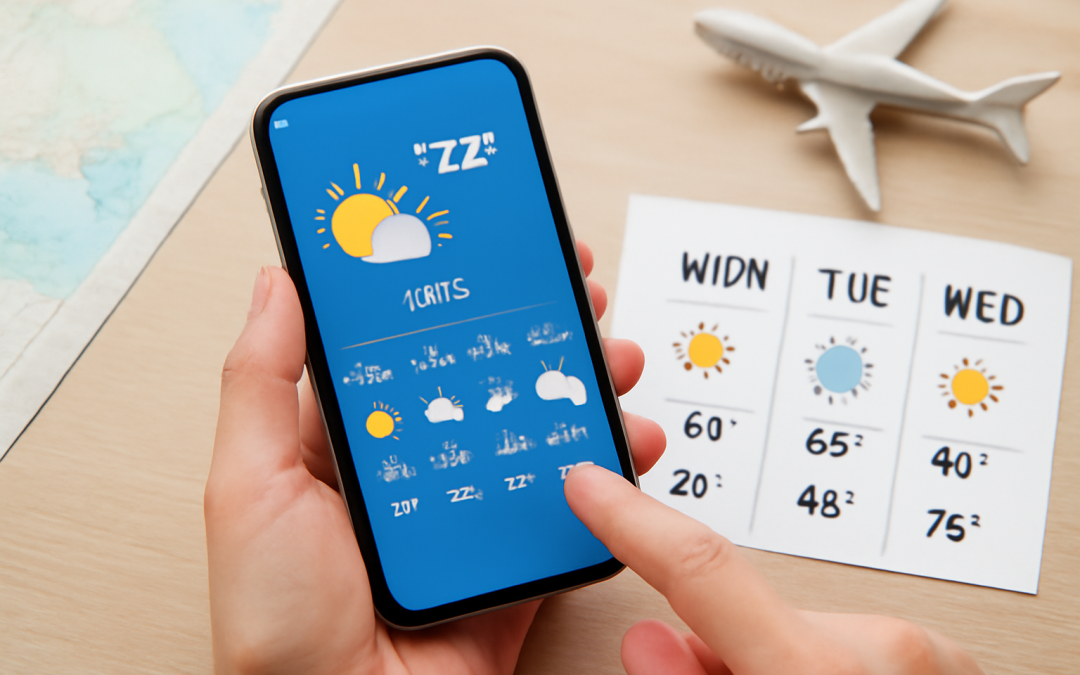
Understanding the nuances of a weather forecast can make all the difference when planning a trip, whether it’s a short weekend getaway or an extended international journey. Weather impacts not only comfort but also safety, travel schedules, and overall enjoyment. Learning how to read a weather forecast effectively ensures that travelers can prepare adequately, avoiding unpleasant surprises and making informed decisions about their destinations and activities.
Weather reports often contain specialized terminology and symbols that may appear confusing at first glance. To decode these forecasts successfully, one must understand the basic components presented: temperature, precipitation, wind, humidity, and atmospheric pressure. Temperature icons and figures provide a straightforward look at the expected warmth or chill throughout the day, often given in both Celsius and Fahrenheit. However, travelers should also be aware of the time frames these temperatures cover, such as daily highs and lows, morning and evening readings, or even hourly predictions depending on the source.
Precipitation forecasts indicate the likelihood of rain, snow, sleet, or thunderstorms. The probability of precipitation (POP) is usually expressed as a percentage, which can be misleading if misunderstood. For example, a 60% chance of rain does not mean it will rain for 60% of the day; rather, it means there’s a 60% likelihood that rain will occur at some point in the forecast area during the time period. Understanding this nuance helps travelers gauge how risky certain outdoor plans might be and decide whether to pack rain gear or schedule indoor activities.
Wind plays a crucial role in travel plans, particularly for those flying or driving long distances. Weather forecasts often indicate wind speed in miles or kilometers per hour, along with gusts and wind direction. Strong winds can lead to delays or cancellations of flights and may make driving hazardous, especially on highways or mountain roads. For ports and coastal areas, wind conditions can influence boating or ferry schedules. Travelers should learn to interpret these numbers and recognize the thresholds at which wind speeds become disruptive for their specific mode of transportation.
Humidity, though sometimes overlooked, can greatly affect personal comfort and health during travel. High humidity levels make temperatures feel warmer than the thermometer shows, a measure known as the heat index. This can heighten risks such as heat exhaustion or dehydration during outdoor activities. Conversely, low humidity levels may cause dryness and irritation to skin and respiratory passages, which might be uncomfortable for sensitive travelers. Forecasts typically include relative humidity percentages, helping travelers anticipate and prepare for these conditions.
Barometric pressure is a less common forecast element but can signal upcoming changes in the weather. Falling pressure often indicates a coming storm or rain, while rising pressure suggests clearing skies and calm weather. For travelers with medical conditions sensitive to pressure changes, such as migraines or arthritis, knowing these shifts can guide medication or activity planning.
Beyond these basic elements, understanding specialized forecasts based on season and geography adds depth to interpreting weather information. In winter destinations, snow forecasts, including accumulation amounts and snow quality, are vital for skiers and snowboarders. For tropical destinations, forecasts may focus on the likelihood of hurricanes, storms, or heavy rainfall. Coastal travelers might want to examine tide charts alongside weather reports to ensure safe beach or boating experiences.
Reading multiple sources and cross-referencing forecasts enhances reliability and confidence in the information. Weather prediction is inherently uncertain, especially beyond a few days, due to the complex and dynamic nature of the atmosphere. Checking updates from reputable meteorological services, local news stations, and even crowd-sourced weather apps can provide a more comprehensive picture. Some apps offer radar views showing real-time precipitation and storm progression, which can help travelers make last-minute adjustments.
Travelers should also pay attention to weather alerts and warnings issued by governmental agencies. These alerts often come with specific advice or mandatory directives, such as evacuation orders during hurricanes or severe weather. Ignoring such warnings can have serious repercussions, so staying informed and flexible is crucial.
When reading weather forecasts for travel, it is essential to consider the influence of local microclimates. Even within the same region, weather can vary significantly due to factors like elevation, proximity to bodies of water, and urban heat effects. For example, coastal areas may experience milder temperatures and increased fog, whereas inland mountainous areas might face rapid weather changes and extreme conditions. Travelers should examine whether the forecast pertains to the specific locale or a larger metro area to avoid misinterpretations.
Time of day is another critical element. Weather conditions can change dramatically within hours, so hourly forecasts are especially useful for planning activities like sightseeing, hiking, or driving. Early morning fog might delay travel, while afternoon thunderstorms might disrupt outdoor excursions. By understanding the timing of these developments, travelers can optimize their itineraries to maximize safety and enjoyment.
Packing appropriately based on forecast interpretation is a practical outcome of reading a weather forecast well. Instead of over-packing unnecessary items or forgetting essentials, travelers can tailor their clothing and gear to anticipated conditions. For example, layering strategies work well in regions with fluctuating temperatures. Waterproof outerwear is essential where rain is expected, whereas sunscreen and hats are critical in sunny, high-UV environments. Footwear choices also depend heavily on terrain and weather — wet or icy trails require different shoes than dry, urban settings.
Moreover, weather forecasts assist in managing travel logistics. Awareness of weather-related delays can help travelers make contingency plans, such as flexible flight tickets or booking accommodations with easy cancellation policies. Anticipating road closures due to snow or storms can steer trip planning toward safer alternatives. This preparation reduces stress and financial losses often associated with unexpected weather disruptions.
In addition to personal comfort and safety, understanding weather forecasts benefits group travel and tour planning. Tour operators and guides often rely on detailed forecasts to decide on the feasibility of outdoor activities, choosing alternative routes, or rescheduling excursions. Travelers can use this knowledge to communicate their preferences and concerns, ensuring smoother group experiences.
Climate trends and seasonal weather patterns also provide a broader context for interpreting forecasts. Travelers should learn not only what the forecast says for the next few days but also how the season affects the likelihood of certain conditions. For instance, monsoon seasons bring heavy, prolonged rains in some countries, while others experience dry, clear skies. Checking long-term climate averages can help travelers select the best time of year for a comfortable visit.
Technological advancements have revolutionized access to weather information. Sophisticated forecasting models now deliver increasingly precise predictions. Smartphone apps offer personalized weather notifications based on a traveler’s itinerary and preferences. Interactive maps provide visual insights that supplement numerical data. Learning to navigate these tools efficiently enhances the ability to read a weather forecast accurately and make quick decisions on the go.
In regions prone to extreme weather, proactively monitoring forecasts is even more crucial. Hurricanes, tornadoes, blizzards, and heatwaves pose serious hazards. Travelers planning to visit such areas must stay informed through official channels and remain prepared to alter plans promptly. Having emergency contacts and an evacuation plan is advisable when forecasts indicate potential danger.
Environmental factors intertwined with weather forecasts also influence travel considerations. Air quality levels, pollen counts, and UV indexes are often included in extended weather reports. These elements can affect travelers with respiratory issues, allergies, or sensitivity to sunlight. Understanding how to interpret these additional data points allows for more comprehensive trip management.
Ultimately, reading a weather forecast for travel is an active process that involves combining scientific information with personal judgment and flexibility. No forecast can guarantee perfect accuracy, but by becoming familiar with the terminology, sources, and implications, travelers empower themselves to navigate the uncertainties of weather. This knowledge contributes significantly to a smoother, safer, and more enjoyable journey.
In summary, the skill of interpreting weather forecasts effectively involves paying close attention to temperature, precipitation, wind, humidity, pressure, and specialized conditions related to geography and season. Cross-checking data from multiple sources, recognizing weather alerts, and considering local microclimates all enhance forecast understanding. Applying this knowledge to packing decisions, travel logistics, and activity planning reduces risk and stress. By embracing weather forecast literacy, travelers safeguard their well-being and maximize the pleasure of exploration regardless of where their adventures lead.