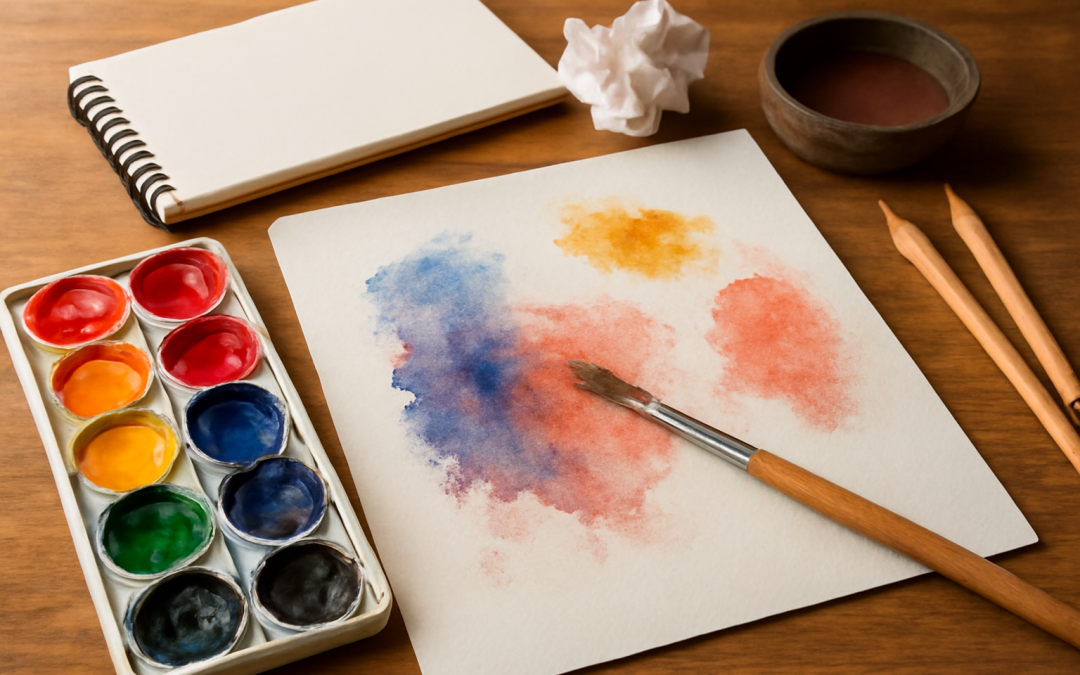
Starting a journey in the world of art can be both exhilarating and intimidating. As beginners pick up brushes, pencils, or tablets, they are filled with enthusiasm and a desire to create something beautiful. However, the path to artistic competence is often cluttered with challenges and missteps that can slow progress or cause frustration. Understanding some of the common beginner mistakes in art can help aspiring artists navigate these early hurdles more effectively, improving their skills and deepening their appreciation for the craft.
One frequent mistake new artists make is neglecting the fundamentals. While creativity and imagination are vital, a solid grasp of basic techniques and principles such as proportion, perspective, shading, and color theory is essential. Without this foundation, even the most imaginative ideas may fall flat or look awkward. Some beginners are eager to jump into complex projects or mimic advanced artwork without having practiced these core skills enough, which can lead to discouragement when the results don’t meet their expectations.
Another challenge lies in over-reliance on copying artwork or tracing without understanding the underlying concepts. While it is useful to study and replicate the works of great artists in order to learn, doing so mechanically without analyzing how and why something works may stunt creative growth. Copying can become a crutch rather than a learning tool if it replaces original thinking and experimentation. True improvement comes from engaging actively with the process—breaking down forms, studying anatomy, and playing with composition instead of simply mimicking shapes and colors.
Beginners also tend to have unrealistic expectations about their pace of progress. It is common to expect rapid improvement or instant mastery, which seldom happens in artistic endeavors. This impatience can lead to frustration and the temptation to abandon practice prematurely. Art is a skill honed over time with consistent effort. Even seasoned professionals continue to learn and refine their skills throughout their careers. Accepting that mistakes are part of the learning curve helps build patience and encourages perseverance.
Many novices struggle with neglecting the sketching process before moving on to final pieces. Sketching serves as an invaluable way to experiment with ideas, composition, and proportions without committing to details too soon. Skipping this step can result in artworks that feel stiff or unbalanced because there was no preliminary exploration of form and structure. A loose, rough sketch can reveal areas that need adjustment and provide a clearer roadmap, making the final piece stronger and more cohesive.
The misuse or misunderstanding of color constitutes another error many beginners encounter. Colors can evoke mood, create harmony, and suggest depth, but they require careful selection and application. Without some study of color theory, newcomers might use clashing hues or apply colors too flatly, which diminishes the impact of their work. Learning about complementary colors, warm and cool tones, and how to mix pigments can transform artwork from monotonous to vibrant and dynamic. Poor color choices can also confuse the viewer or fail to convey the intended emotion.
Ignoring the importance of light and shadow also hampers beginners’ ability to create convincing artwork. Light defines form and space and adds a three-dimensional effect to two-dimensional surfaces. Without observation and practice in rendering shadows and highlights appropriately, drawings or paintings may appear flat or lifeless. It’s crucial to study real-life light sources and practice shading techniques such as hatching, cross-hatching, and blending to add volume and texture to objects.
Another common pitfall is choosing materials and tools that are either inappropriate or overwhelming for beginners. Sometimes newcomers invest in expensive or advanced supplies before they have mastered basic techniques, which can be discouraging if the results don’t align with the tool’s potential. On the other hand, some may restrict themselves to a single medium without experimenting, which limits their growth and discovery. A balanced approach—starting with manageable materials and gradually exploring more complex tools—fosters confidence and skill development.
Failure to seek feedback or constructive critique also slows artistic growth. Art is often a deeply personal endeavor, and it can be intimidating to share work or face criticism. However, receiving thoughtful feedback from teachers, peers, or mentors provides valuable insight into strengths and weaknesses. Without this input, beginners might continue practicing ineffective habits or miss opportunities to refine their skills. Constructive critique, when taken positively, accelerates learning and encourages artists to explore new techniques or perspectives.
Some beginners also struggle with consistency and practice frequency. Artistic improvement requires regular, focused practice rather than sporadic bursts of activity. Missing practice sessions or only creating artwork sporadically may prevent skill acquisition from solidifying. Setting realistic goals for daily or weekly art exercises helps build discipline and steady progress. Like learning a musical instrument or a new language, art benefits from cumulative effort and muscle memory developed over time.
The mindset with which beginners approach art significantly influences their development. Perfectionism is a considerable obstacle, as it leads to constant dissatisfaction with one’s work and reluctance to share or complete pieces. Embracing mistakes as part of the process and valuing experimentation more than flawless outcomes fosters a healthier artistic mindset. This openness encourages risk-taking and innovation, which are essential for personal style and growth.
Additionally, some new artists become overly focused on digital art tools or shortcuts, overlooking fundamental skills and observational drawing. While digital platforms offer convenience and endless options, overreliance on software features like filters, auto-correction, or stock brushes can detach artists from understanding basics such as gesture, anatomy, and texture. Combining digital tools with traditional drawing practice enriches talent and versatility.
An often-overlooked mistake involves neglecting to study real life and relying excessively on imagination or photographic references. While imagination is a powerful source of creativity, grounding art in observation develops a keen eye for detail, proportion, and nuance. Drawing from life—whether people, landscapes, or objects—provides insights into movement, lighting, and texture that photos may not capture fully. This practice enhances accuracy and expressiveness.
Moreover, beginners sometimes fail to create a conducive workspace for art-making. A cluttered, uncomfortable, or poorly lit environment can hinder creativity and productivity. Organizing materials, ensuring good lighting, and establishing a dedicated art area encourages regular practice and focus. Decluttering mental and physical spaces allows artists to immerse themselves fully in the creative process.
Time management also tends to be overlooked in the early stages. New artists often underestimate the time necessary for projects or expect to complete complex works in single sessions. Patience and planning phases such as concept development, preliminary sketches, layering colors, and finishing details result in higher-quality art. Learning to break down projects into manageable parts reduces overwhelm and increases satisfaction.
Another misstep includes neglecting self-education beyond practical drawing or painting exercises. Reading books on art history, theory, and different art movements broadens context and inspiration, helping beginners understand where their work fits within a larger narrative. Exposure to diverse styles and philosophies can ignite new ideas and encourage experimentation, thereby enriching artistic expression.
Lastly, many beginners overlook the importance of self-reflection and documentation. Keeping an art journal or portfolio that records progress, failures, and breakthroughs is valuable. It allows artists to track improvement over time, recognize recurring challenges, and celebrate successes. Reflection promotes self-awareness and motivates continued learning.
In summary, the journey to becoming a skilled artist requires a balanced blend of technical practice, creative exploration, and thoughtful mindset. Recognizing and addressing common beginner mistakes is a crucial step toward growth. By focusing on foundational skills, embracing constructive critique, managing expectations, and cultivating the right habits and environment, newcomers to art can transform their initial struggles into lasting progress. Perseverance and a genuine passion for learning remain the greatest assets for anyone seeking to master the art form.