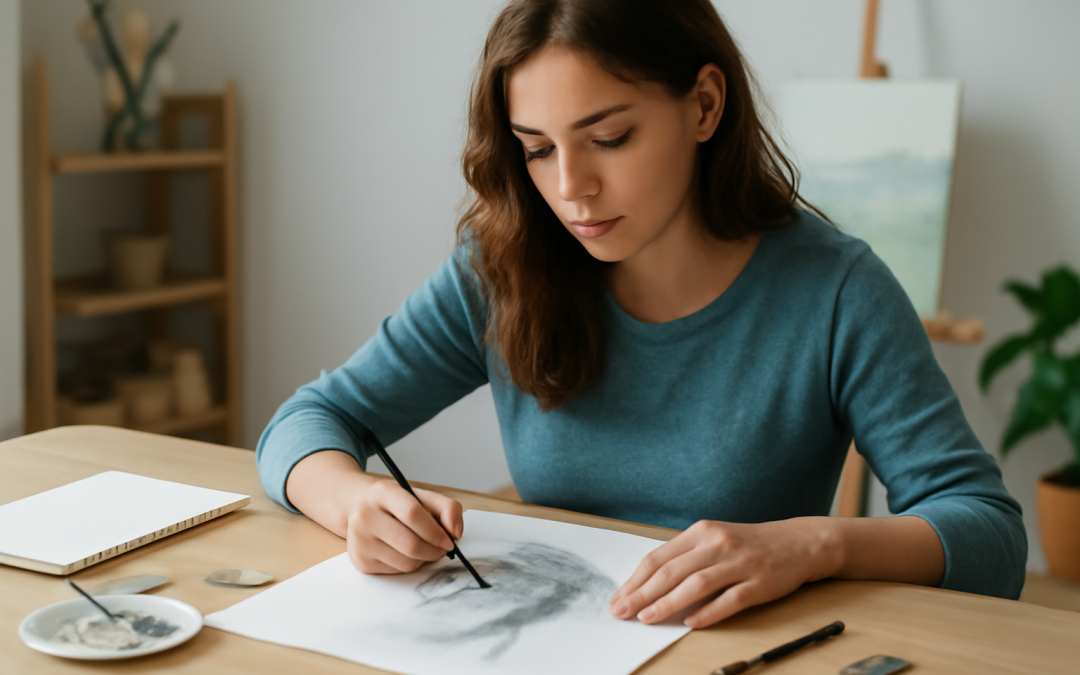
Learning to create art without formal instruction can be both an immensely rewarding and challenging journey. The process demands patience, dedication, and a willingness to embrace mistakes as opportunities for growth. Self-teaching art effectively is about cultivating a mindset that balances discipline with creative freedom, allowing the artist to develop a personal style and technical skills at their own pace. While traditional classrooms offer structured guidance and immediate feedback, those choosing the self-taught path have the unique opportunity to explore their creativity without constraints, fostering authenticity in their work.
A key factor in successfully developing artistic skills independently is creating a consistent practice routine. Like any discipline, art improves through repeated effort and gradual experimentation. Establishing daily or weekly times to draw, paint, or study various art forms helps build muscle memory and sharpens observation skills. Initially, this might involve simple sketching exercises, focusing on basic shapes, shading, and perspective. As confidence and technique improve, the artist can move on to more complex subjects like human anatomy, landscape composition, or color theory. Regular practice not only refines skills but also helps maintain motivation, transforming art into an integral part of daily life rather than a sporadic hobby.
Investing time in studying the fundamentals of art is crucial. Understanding the principles of line, form, value, texture, and color is the foundation upon which all creative expression is built. Many self-taught artists underestimate the importance of mastering these basics in favor of jumping directly into advanced techniques or styles. However, a solid grasp of fundamentals equips the artist to solve visual problems and communicate ideas clearly through their work. This grounding can be achieved through a variety of resources including instructional books, online tutorials, and practice workbooks designed for artists at all levels. By dedicating time to these core concepts, self-taught artists develop confidence and versatility that serve them throughout their artistic careers.
One of the most powerful tools for learning art independently is the vast wealth of educational content available today. Online platforms offer tutorials, video lessons, and workshops led by professional artists covering every imaginable medium and style. Engaging with these resources allows learners to access a diversity of perspectives and techniques, helping them carve out their unique artistic voice. It’s important, however, to approach these materials critically, selecting those that align with personal goals and skill levels. Overloading on tutorials can lead to confusion or creative stagnation, so pacing oneself and focusing on specific areas of growth ensures steady development. Joining online art communities also provides valuable opportunities to share work, receive feedback, and stay inspired by fellow self-taught artists worldwide.
Practice without feedback can lead to repeating mistakes and slower progress, so seeking critique is another essential element of teaching oneself art effectively. Constructive criticism sharpens an artist’s eye and exposes areas that need improvement. While formal teachers or mentors might not be immediately available, self-taught artists can find feedback through online forums, social media groups, or local art clubs. Sharing work publicly can feel intimidating, but it fosters accountability and encourages growth. It’s wise to approach critique with an open mind, distinguishing between helpful suggestions and subjective opinions. Over time, learning to evaluate one’s work with a critical yet compassionate perspective becomes an invaluable skill that replaces the role of traditional instruction.
Experimentation plays a vital role in developing both technical abilities and personal style. Without the constraints of a curriculum or prescribed methods, a self-taught artist has the freedom to explore different mediums, tools, and subjects. Trying out charcoal, watercolor, digital painting, sculpture, or mixed media not only keeps the process exciting but also leads to unexpected discoveries. Some artists find their signature approach through blending techniques or combining influences from diverse artistic traditions. Embracing experimentation means accepting that not every piece will be successful, yet even failures contribute to a deeper understanding of materials and creative decision-making. This exploratory mindset nurtures innovation and helps artists stay engaged over the long haul.
Observation is another cornerstone of effective self-instruction in art. Drawing from life or photographing real-world scenes enhances visual literacy by training the eye to notice details often overlooked. Whether sketching a still life, people in motion, or natural landscapes, direct observation helps artists capture the essence and nuances of their subjects. It also encourages mindfulness, fostering a connection between the artist and their environment that enriches the creative process. Many self-taught artists keep sketchbooks to document daily observations, experiment with ideas, and track progress. This habit of constant observation and quick studies serves as both a technical exercise and a form of artistic journaling, offering insight into evolving styles and influences.
Building a foundational knowledge of art history can also significantly enhance a self-taught artist’s growth. Studying the work of masters across different periods and movements provides context for one’s own creative experiments and inspirations. Understanding how artists solved artistic problems, challenged conventions, and expressed cultural narratives allows contemporary artists to situate their practice within a broader continuum. This awareness fosters deeper appreciation and may inspire innovative reinterpretations of classical themes or techniques. Art history can be explored through books, museum visits, documentaries, and online courses, all accessible to the self-directed learner. The insights gained from this study enrich both technical skill and conceptual depth, enabling more meaningful artistic expression.
Setting realistic goals is an important yet often overlooked strategy for self-teaching artists. Unlike formal programs with fixed deadlines and curricula, independent learners must define their own milestones to maintain focus and measure progress. Goals might include mastering a particular technique, completing a series of works on a theme, or entering an art contest. Clear objectives help channel creative energy productively and prevent the feeling of aimlessness that can sometimes accompany self-guided study. It’s equally important to celebrate achievements, no matter how small, as this builds self-confidence and reinforces commitment to growth. Regularly reassessing goals ensures adaptability and responsiveness to changing interests, making the artistic journey dynamic and personally fulfilling.
One inherent challenge in self-teaching art is the potential for isolation from peers and mentors. Social interaction plays a crucial role in creative motivation and development, providing emotional support and diverse perspectives. To counteract this, self-taught artists can actively seek communities, both online and offline, to share experiences and collaborate. Participating in local art groups, workshops, or public exhibitions creates opportunities for networking and learning beyond solitary practice. These social connections can spark new ideas, offer encouragement during creative blocks, and introduce the artist to resources otherwise unavailable. Even virtual communities offer a sense of belonging that sustains enthusiasm and professional growth.
Mental resilience and patience are perhaps the most indispensable qualities for anyone learning art independently. Progress in art is often nonlinear, with periods of rapid improvement followed by plateaus or setbacks. It can be discouraging when skills do not develop as quickly as hoped or when creative inspiration wanes. Cultivating a mindset that embraces challenges as part of the learning curve is essential to persistence. Techniques such as mindful breathing, setting realistic expectations, and reflecting on personal progress help maintain emotional equilibrium. Self-compassion prevents burnout and keeps the creative impulse alive, ensuring that art remains a source of joy and self-expression rather than frustration.
While self-teaching lacks the formal structure of academic programs, it offers the flexibility to tailor learning to individual needs and inspirations. This autonomy encourages artists to pursue subjects and techniques that resonate most deeply with them rather than conforming to standardized curricula. Many renowned artists throughout history were self-taught, proving that passion and dedication can surpass traditional education. Ultimately, effectiveness in self-teaching art hinges on a balance of disciplined practice, continuous learning, and openness to exploration. By embracing these principles, artists cultivate not only technical skill but also a distinctive creative voice that reflects their unique experiences and perspectives.
Maintaining a record of one’s artistic journey can also contribute significantly to growth. Keeping sketchbooks, portfolios, or digital archives allows for reflection on how styles and skills evolve over time. Reviewing past works reveals patterns of progress and recurring challenges, offering clues on areas requiring further attention. This retrospective practice can be motivating, demonstrating tangible evidence of improvement and the results of sustained effort. Additionally, a well-organized portfolio becomes an invaluable tool for sharing work with others, whether for critique, exhibition, or professional opportunities. Documentation transforms the solitary act of creation into a narrative of development and accomplishment.
Lastly, embracing the joy of creativity without undue pressure is fundamental to lasting artistic engagement. While goals and discipline are important, art ultimately thrives when it is a source of personal fulfillment and emotional expression. Self-teaching artists should allow themselves moments of spontaneous play and exploration free from judgment. This balance sustains enthusiasm and invites continual discovery. The freedom to approach art on one’s own terms creates a deeply personal and evolving practice, where every brushstroke or pencil mark contributes to a lifelong journey of self-expression and mastery.
The path to artistic proficiency through self-directed learning is demanding but profoundly enriching. It challenges individuals to cultivate discipline, seek knowledge independently, and foster resilience while nurturing their unique creative voice. Through consistent practice, study of fundamentals, critical feedback, and open-minded experimentation, aspiring artists can achieve remarkable growth without formal instruction. This approach empowers them not only to produce compelling work but to experience art as an enduring and transformative part of their lives.