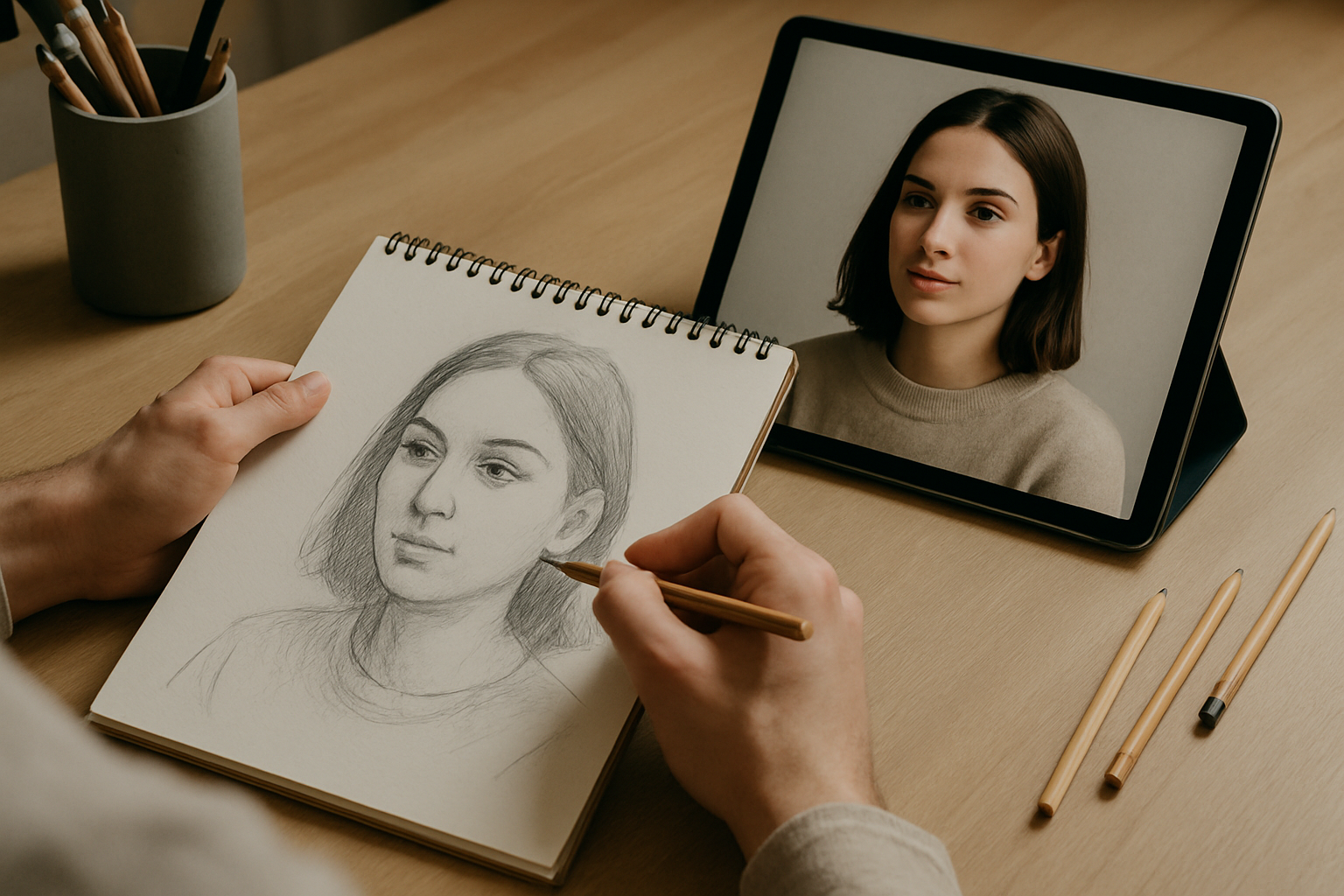
Drawing from reference is an essential skill for artists aiming to hone their craft, improve accuracy, and expand their creative repertoire. However, the practice raises significant ethical considerations that every artist should contemplate deeply. Using references ethically means respecting the original creator’s work, understanding copyright laws, and acknowledging the fine line between inspiration and appropriation. Without careful attention to these factors, artists risk infringing on others’ rights, damaging their reputation, and perpetuating unfair creative practices.
At its core, drawing from reference involves studying and interpreting an existing image, object, or scene to better capture form, lighting, anatomy, or perspective. This enables artists to enhance realism, practice complex compositions, and convey details that might be difficult from imagination alone. Yet, the ethical challenge lies in how closely the reference is copied and whether credit is given where it is due. Many artists gather inspiration from photographs, fellow creatives’ artworks, or public figures, often without recognizing the intellectual property embedded in these sources.
Fair use of reference material requires respecting the original artist’s ownership and ensuring the new work adds significant originality or transformation. Simply tracing or replicating another artist’s drawing without permission can constitute plagiarism and copyright infringement. Ethical artists take care to avoid replicating distinctive elements that define the original piece, instead using references as a learning tool or a foundation on which to build something new. This approach fosters creativity, encourages skill development, and protects the rights of the source material’s creator.
One critical aspect to consider is the difference between direct copying and drawing inspiration. Direct copying happens when an artist reproduces an image in close detail, often with minimal modification or reinterpretation. This can be done intentionally or unintentionally, but in either case, it disrespects the original creator’s efforts. Drawing inspiration, by contrast, involves analyzing aspects such as light, shape, or mood and integrating those concepts into an original composition. Ethically inspired works bear the hallmark of the new artist’s unique style and vision, ensuring the reference serves as a springboard rather than a blueprint.
Artists frequently use photographs found online or in books as references. While publicly accessible, these images often remain protected by copyright laws. Using someone else’s photograph for artistic study is generally acceptable privately, but publishing or selling artworks directly derived from such photos without permission is problematic. Obtaining consent or ensuring the source is licensed under terms that allow derivative works is the proper course of action. Ethical use of references protects artists from legal repercussions and maintains a community of mutual respect between photographers and visual artists.
There is also an ethical dimension in crediting sources when work is posted online or shared with the public. Transparency about the use of references not only honors the original creator but also educates viewers about the artwork’s development. When artists disclose that a piece was created with reference to a particular photo or artwork, they acknowledge the source’s contribution and demonstrate integrity. This practice fosters a culture of openness and admiration rather than concealment, which can otherwise lead to mistrust and accusations of dishonesty.
Beyond legal and copyright concerns, ethical drawing from reference confronts questions around cultural sensitivity and appropriation. In the age of global connectivity, artists have easy access to diverse imagery from all corners of the world. This accessibility comes with a responsibility to approach cultural artifacts, portraits, or traditional motifs with respect and understanding. Exploiting cultural images without context, permission, or acknowledgement can perpetuate stereotypes or diminish the significance of those cultural expressions. Ethical artists prioritize learning about the origins and meanings behind their references and aim to represent them thoughtfully and accurately.
The educational value of drawing from references cannot be overstated, yet it must be balanced with respect for originality. Mentors and art educators often emphasize the importance of seeking references to correct anatomical errors, capture realistic lighting, or understand intricate textures. However, they simultaneously urge students to make the learning process a stepping stone for personal style development. Ethical drawing from reference means not only replicating but also experimenting, interpreting, and pushing boundaries to create something fresh, unique, and reflective of the artist’s individual perspective.
Many artists grapple with the grey area surrounding how much transformation is enough to qualify a derivative work as original. The answer varies by jurisdiction and specific circumstances, but a general rule of thumb is substantial alteration and creative input must be evident. This can come through changes in composition, color schemes, subjects, or emotional tone. Courts and industry standards frequently evaluate whether the new work has a different purpose or message and whether the average viewer would recognize the original source. Artists committed to ethical reference drawing intentionally explore these aspects to maintain artistic integrity and avoid potential disputes.
Technology has further complicated the ethics of drawing from reference through the availability of digital tools and AI-generated images. Digital resources make it easier than ever to access vast visual materials and manipulate them into artworks. While these advances offer exciting possibilities, they also raise new questions about ownership and originality. For example, when AI software creates images based on existing artworks, whose rights are implicated, and how should human artists ethically incorporate them into their work? The principle of respect remains paramount: artists must seek transparency, obtain proper permissions when applicable, and strive to add genuine creative input to ensure ethical compliance.
The community aspect of art also plays a significant role in fostering ethical behavior toward references. Forums, social media groups, and artist collectives often share guidelines and best practices related to fair use of references. Peer support and critique can help artists recognize unintentional plagiarism or overly derivative works early on. By participating in collaborative dialogues, artists reinforce standards of integrity and help maintain a positive reputation for their art communities. Ethical drawing practices strengthen trust between artists, clients, and audiences alike, making the art world more inclusive and encouraging creative growth.
An important mindset to cultivate is viewing reference drawing not as a shortcut but as a valuable step in the artistic process. Learning from others’ work enables progress but should never replace developing observation skills or imaginative capacities. Artists benefit most when balancing study with original composition efforts. Seeking variety in references—combining multiple sources, including life drawing or personal photography—helps create work that feels authentic and layered with meaning. Ethical reference use is less about restriction and more about responsibility, allowing artists to flourish within a framework of respect and innovation.
In some cases, artists intentionally work within styles or genres that rely on recognizable motifs or archetypes, such as fan art or caricature. Even then, ethical considerations are crucial. Fan artists must navigate copyright restrictions carefully, often limiting their use to non-commercial purposes or clearly crediting original creators. Meanwhile, caricaturists working on public figures balance humor with sensitivity, avoiding defamatory or exploitative depictions. The ethical principles guiding reference use apply universally and underscore the artist’s duty not only to the source but also to the audience.
Navigating the complexities of drawing from reference ethically also involves continuous self-education. Laws, societal norms, and artistic trends evolve over time, demanding that artists remain informed. Resources such as copyright offices, artist advocacy groups, and legal advisors can provide guidance. Additionally, engaging with different cultures and perspectives broadens understanding and minimizes unintentional harm. This lifelong commitment to ethical practice enhances both artistic quality and professional credibility.
The question of whether ethical reference use limits creativity is a common concern. On the contrary, ethical engagement with references often leads to richer and more thoughtful artworks. Constraints inspire innovation by encouraging artists to reinterpret, recombine, and experiment rather than copy verbatim. Furthermore, respecting original work connects artists more deeply to the creative community, opening doors to collaboration and mutual inspiration. Ethical practice thus becomes a catalyst for originality and artistic evolution rather than a barrier.
In sum, drawing from reference ethically is about honoring the source material while advancing one’s own creative growth. Artists must strike a balance between learning from the past and contributing something new and meaningful. This balance involves respecting copyright and cultural contexts, crediting sources when appropriate, and continually investing in personal artistic development. By adopting ethical habits, artists protect themselves legally, uphold the dignity of their craft, and contribute positively to the diverse world of visual art.
Upholding ethical standards in reference drawing enriches both the individual artist’s journey and the broader artistic landscape. Those who commit to these principles demonstrate professionalism, respect, and creativity that resonate beyond their own work. The responsibility is shared collectively, shaping a future where artists can confidently draw from references without compromising the rights and achievements of others. Ultimately, ethical drawing from reference fosters an environment of trust, inspiration, and artistic integrity that benefits creators and audiences alike.