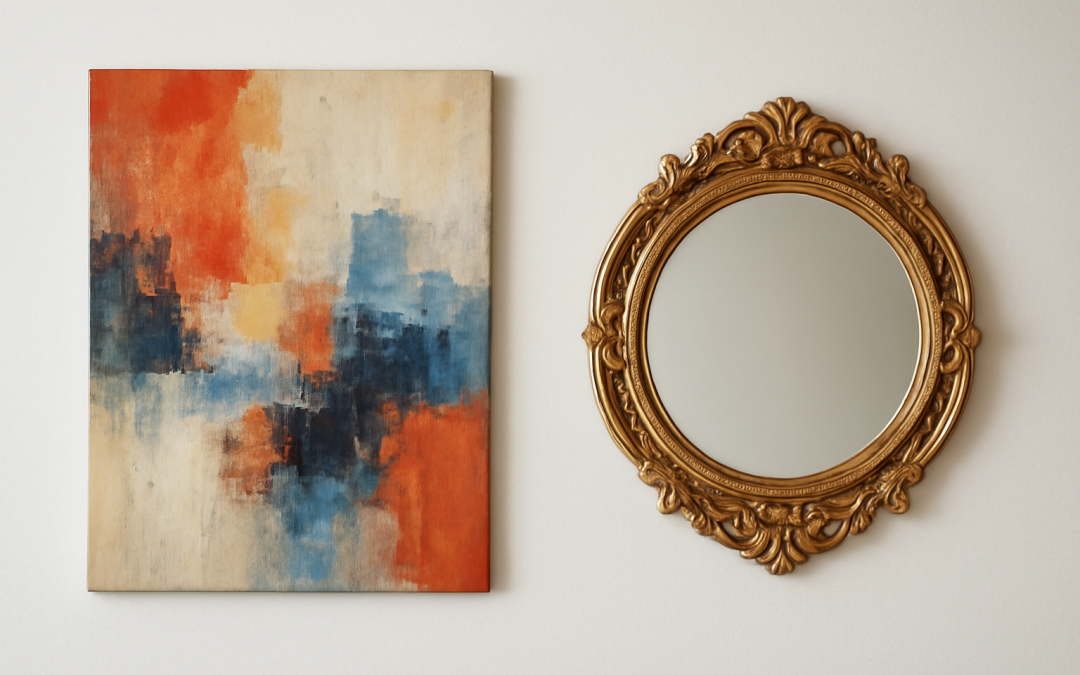
The distinction between art and decoration is a subject that has intrigued scholars, artists, and casual observers alike for centuries. While both occupy spaces within our homes, public areas, and cultural institutions, the essence and purpose of each can vary drastically. At first glance, art and decoration may appear similar—both may be visually appealing, crafted with skill, and integrated into everyday surroundings. Yet, their roles, intentions, and impacts can diverge in profound ways, raising questions about how we value and interpret visual creations in our lives.
Understanding the fundamental difference often starts with the purpose behind the creation. Decoration primarily serves to embellish a space, enhancing its aesthetic appeal without necessarily provoking thought or emotional responses beyond pleasure. It is designed to complement surroundings, to harmonize with the architectural or natural environment, and therefore often embraces subtlety and repetition. Decoration is frequently functional too, as it can help define the ambiance or style of a room—think wallpaper patterns, ornamental moldings, or colorful throws. Although crafted with skill, decorations are often subordinate to the overall design scheme and tend to follow prevailing trends or traditions to fit certain aesthetics.
Art, in contrast, is often created with the intention of expression, communication, or challenging perceptions. While it can be aesthetically pleasing, its primary function is rarely confined to mere beautification. Instead, art seeks to evoke emotions, provoke thought, or convey complex narratives and ideas. It may question societal norms, explore personal identity, or comment on contemporary issues, making it a powerful tool for cultural reflection and intellectual engagement. Art demands an active viewer, inviting interpretation and sometimes confrontation, which differentiates it from decoration’s typically passive appeal.
One key difference between art and decoration lies in the relationship between the creator and the audience. Decoration might be customarily designed to appeal broadly, often constrained by the tastes of clients, cultural expectations, or the desire for popularity. Its purpose is to create a pleasant environment rather than a specific individual’s personal expression. Art, however, often originates from the artist’s inner world, experiences, and vision. It reflects the artist’s unique viewpoint and frequently challenges the audience to see beyond the surface, thus establishing a dynamic dialogue. This personal authenticity is central to many definitions of art and contrasts with the more commercial or functional approach of decoration.
Despite these distinctions, there can be significant overlap, and the boundary between the two is not always clear-cut. Certain works, especially in contemporary practice, blur the lines by incorporating decorative elements into art pieces or by elevating decoration through conceptual depth. For example, some artists intentionally use patterns or motifs traditionally considered decorative to question notions of high and low art. Similarly, some interior designs utilize art objects that simultaneously serve decorative functions. This fusion raises important questions about the hierarchical categorization of visual culture and challenges the idea that utility and meaning must be mutually exclusive.
The cultural and historical contexts also play a crucial role in defining what qualifies as art versus decoration. Throughout history, many objects now revered as masterpieces were originally created as decorative or utilitarian items. The intricate tapestries of the Renaissance, ornamental ceramics from ancient China, and Islamic geometric patterns on architecture were often practical or decorative but are now appreciated as significant art forms. Conversely, objects initially created as fine art might be relegated to decoration as tastes and cultural values evolve. Context and intention at the time of creation—and during subsequent reinterpretations—thus influence how these pieces are perceived and valued.
Philosophically, the debate often centers on the concept of aesthetic autonomy, which posits that art exists independently from practical concerns, whereas decoration is inherently tied to function. This ideology gained prominence in the 19th and 20th centuries as art became increasingly associated with individualism and originality, partly in reaction to industrialization and mass production. Decoration was sometimes dismissed as superficial or lesser, seen merely as a surface-level enhancement devoid of deeper meaning. However, such binary thinking overlooks the complexity of human experience, in which beauty and utility, emotion and function, often coexist.
From a psychological standpoint, the human attraction to both art and decoration points towards different needs and sensibilities. Decoration offers comfort, familiarity, and a sense of order—it helps to create environments where individuals feel safe and personally connected. Art, by contrast, can create discomfort, dissonance, or inspiration. It stimulates cognitive and emotional faculties, prompting introspection or social awareness. This dual capacity underscores the idea that while decoration enriches everyday living spaces, art has the power to transform how individuals perceive their lives and the world around them.
The commercial aspect also shapes how art and decoration are produced and consumed today. Decoration tends to be driven by market trends, with mass-produced items designed to match popular interior design styles or fashion. Art markets prioritize originality, scarcity, and the reputation of the creator, leading to a different kind of investment from collectors and institutions. This difference in economic and social value influences production methods, distribution, and public accessibility. Furthermore, the democratization of art through digital platforms challenges traditional gatekeeping but complicates how authenticity and artistic intent are assessed.
Technological advances have further complicated the distinction. Digital art, for instance, can be simultaneously functional, decorative, and conceptual. Screen savers, graphic patterns, and interactive installations might serve decorative purposes but contain conceptual underpinnings that qualify them as art. Similarly, augmented reality and virtual design bring new dimensions to how visual environments are constructed, merging decoration with immersive artistic experiences. These innovations emphasize that definitions of art and decoration evolve alongside cultural and technological shifts.
The role of education and cultural literacy in discerning art from decoration should not be underestimated. Exposure to art history, theory, and criticism equips viewers to engage more deeply with artworks, enabling them to recognize the intentions, contexts, and meanings behind visual forms. Without this foundation, many artworks may be dismissed as mere decoration, while some decorative elements might be mistakenly elevated to art by virtue of aesthetic appeal alone. The cultivation of critical awareness enriches the appreciation of both disciplines and encourages a more nuanced understanding of their overlaps and distinctions.
In practical terms, the ways individuals incorporate art and decoration into their personal and public spaces reflect broader social values and identity constructions. Decoration often helps express style, social status, and cultural belonging in subtle ways. Art, however, can be a bold statement, showcasing personal taste, political beliefs, or intellectual interests. Public art installations may provoke civic pride or spark community dialogue, whereas decorative elements typically serve to beautify and unify an environment. Both forms contribute to the experience of space but from different vantage points.
While art is frequently associated with museums, galleries, and exhibitions, and decoration with homes, restaurants, and commercial spaces, these traditional contexts are not fixed. The increasing integration of art into everyday environments—through street art, public sculptures, and site-specific installations—destabilizes previous notions. Similarly, the use of decorative arts within galleries, such as textiles and ceramics, challenges hierarchies and invites re-examination of criteria used to define artistic merit. This fluidity suggests the boundaries between art and decoration are not rigid but rather social constructs subject to continuous renegotiation.
Emotionally, the experience of engaging with art or decoration can vary greatly among individuals and cultures. Decoration often evokes joy, comfort, and aesthetic satisfaction, creating background pleasure within daily life. Art, however, can trigger a wider spectrum of feelings, including discomfort, awe, sadness, hope, or anger. This emotional diversity is a hallmark of the arts, grounding them in human complexity. Art’s ability to inspire transformation and provoke discourse underscores its societal importance beyond functional beauty.
Moreover, debates around art and decoration can touch on broader issues such as cultural appropriation, authenticity, and commercialization. Decoration, especially when derived from traditional motifs or indigenous craftsmanship, risk being commodified or stripped of cultural significance. Artists working within decorative paradigms may seek to reclaim or reinterpret these elements consciously, transforming them into powerful statements about identity and heritage. Thus, the interplay between art and decoration is intertwined with ethical considerations about representation and respect.
In conclusion, the delineation between the two reflects deep philosophical, cultural, and practical questions about meaning, function, and value. Decoration primarily beautifies spaces while supporting functional and aesthetic needs, often aligned with collective preferences and comfort. Art transcends decoration by offering a platform for self-expression, social critique, and emotional resonance, challenging viewers to think beyond beauty and utility. Both play vital roles in human experience, enriching environments and minds in complementary ways. As society and technology evolve, so too does the dialogue between art and decoration, underscoring the ongoing importance of re-examining these creative practices in fresh and thoughtful ways.