
by admin | Oct 24, 2026 | Travel & Destinations
Traveling can often seem like a luxury that requires weeks or even months of free time, but this is a misconception that many busy professionals and passionate explorers have successfully debunked. Learning how to travel with a tight schedule and still enjoy it is an invaluable skill that can transform the way people experience the world. The essence of effective short-term travel lies in smart planning, prioritizing experiences, and maintaining flexibility to embrace unexpected opportunities. By adopting these strategies, travelers can maximize both the richness and the efficiency of their trips, turning even a brief getaway into a memorable adventure.
One of the most crucial steps when working with limited time is setting clear priorities. When the clock is ticking, it’s important to identify what matters most—whether that’s dining at a renowned local restaurant, visiting a landmark that you’ve dreamed about for years, or simply soaking in the atmosphere of a new city. Narrowing down your must-do activities helps reduce unnecessary stress and ensures that your short trip is both meaningful and fulfilling. This means doing a bit of research beforehand, making lists of places and experiences that align with your interests and goals, and committing to sticking to those priorities once you arrive.
Time management becomes essential in this type of travel. Instead of trying to cram in every possible attraction or neighborhood, focus on quality over quantity. Select a few significant sights or experiences that you will genuinely enjoy and immerse yourself in those moments. This approach allows for a deeper connection and appreciation, rather than rushing from place to place feeling constantly pressured by an overactive itinerary. Consider the flow of your day carefully and plan travel times between activities that take into account traffic, public transport schedules, or time needed to rest and recharge.
Another useful tactic is opting for accommodations in central locations or close to your top points of interest. This minimizes transit time, allowing you more freedom to explore and less time stuck on buses, trains, or taxis. While budget-friendly options slightly farther out can save money, in a tight schedule, the convenience of proximity is usually worth the investment. Additionally, use technology to your advantage—travel apps, maps, and local guides can help you navigate unfamiliar cities quickly and discover hidden gems without hours of aimless wandering.
When the schedule is tight, packing smartly also makes a big difference. Limiting luggage to essentials and choosing versatile clothing means less time spent on transit and checking bags, more ease in mobility, and minimal hassle when switching locations. Carrying a compact day bag with water, snacks, and any necessary documents will keep you prepared for spontaneous explorations or changes in your plans. Smart packing not only streamlines your journey but also reduces stress caused by unnecessary weight or missing items.
Transportation is another critical element. Whenever possible, choose direct flights or quick train routes, and avoid complicated connections that can consume precious hours. Booking tickets in advance can guarantee both availability and better prices, making travel less expensive and more predictable. If time allows, night trains or overnight buses can double as accommodations, saving both travel and lodging time. Within cities, renting a bike or using ride-sharing services designed for short distances can be more efficient than traditional taxis, especially when traffic congestion is a concern.
Food plays a vital role in travel enjoyment and can be incorporated into your itinerary easily, even on a tight schedule. Instead of viewing meals as interruptions, use them as opportunities to experience local culture and cuisine. Quick street food vendors, markets, or cafés often provide authentic tastes without the wait times of full-service restaurants. Eating smaller portions at multiple stops can offer a variety of flavors and adds an element of fun to your trip. Remember that staying hydrated and energized throughout the day will help keep your mind sharp and your mood positive, enhancing your overall travel experience.
Flexibility is an often underestimated component of traveling effectively on a condensed timeline. No matter how well you plan, unexpected delays or changes in weather can disrupt your carefully laid agenda. Instead of feeling frustrated, treat these moments as chances to explore new areas or try different activities. This mindset reduces stress and can lead to delightful surprises that enrich your travel stories. Having backup plans or alternate attractions in mind provides a cushion that ensures your visit remains productive and enjoyable, irrespective of unforeseen circumstances.
To make the most of short trips, connecting with locals or travelers can add tremendous value. Locals can offer insights into hidden places, cultural nuances, or lesser-known eateries that aren’t listed in guidebooks. Engaging in brief conversations with residents or fellow tourists can lead to recommendations tailored to your specific interests. This human element injects authenticity and depth into your experience, turning rapid visits into genuine cultural exchanges. Social media platforms or travel forums also serve as useful tools to connect with communities and discover updated local information before and during your travel.
Mindful moments throughout your trip are essential for grounding yourself and truly appreciating where you are. Instead of perpetually moving at a hurried pace, take short pauses to observe your surroundings, listen to the sounds, and reflect on your experiences. Whether it’s savoring a cup of coffee at a street-side café, sitting on a park bench while people-watching, or simply breathing in the scents of a bustling market, these moments allow for calmness and clarity. Mindfulness enhances enjoyment, reduces stress, and helps solidify memorable impressions even from brief encounters with a new destination.
Leveraging technology is another factor that can elevate travel on a tight schedule. Besides navigation aids, apps that manage booking confirmations, suggest curated itineraries, or offer language assistance can save time and reduce confusion. Digital guides such as audio tours can provide insightful commentary during visits without requiring extra guides or bulky books. Mobile wallets and contactless payment systems increase convenience when purchasing tickets, dining, or shopping. These tools enhance efficiency and allow more time to focus on experiences rather than logistics.
One of the biggest advantages of short trips is the freedom to try multiple destinations over time without committing too long in any one location. Mini-breaks or weekend getaways keep travel a regular part of your life, fostering continual discovery without burnout. Frequent, well-planned short excursions are just as enriching as extended vacations and can fit more seamlessly around work and personal obligations. By refining your ability to travel effectively with limited hours, you create opportunities to explore a broader variety of cultures, trends, and environments, promoting personal growth and satisfaction.
While it can seem challenging to balance travel ambitions with a demanding schedule, embedding realistic expectations is a way to maintain positivity. Accept that not everything will be perfect or fully explored, and embrace the joys of imperfection inherent in rapid itineraries. Each short trip is a piece of a larger tapestry of experiences rather than the entirety of one’s travel life. When viewed with this perspective, even a brief visit can leave lasting impressions and set the stage for future adventures.
Incorporating physical wellness habits also enhances enjoyment when time is tight. Regular stretching, light exercise, and prioritizing sleep can counteract travel fatigue that might otherwise dampen enthusiasm. Even brief walks or simple breathing exercises during transit help maintain energy and mental focus. Being well physically allows travelers to engage more actively with their surroundings and savor their limited moments more fully.
Traveling with companions presents additional dynamics that need consideration when schedules are limited. Clear communication about interests, expectations, and pacing can prevent conflicts and ensure that everyone’s priorities are respected. Sharing duties such as navigation, itinerary planning, or research helps distribute responsibility and reduce stress. When traveling solo, the spontaneity and freedom to make decisions moment by moment may be greater, but group travel can offer social support and shared memories that enrich the experience in other ways.
Strategic use of free time at airports, train stations, or layovers can substantially enhance short trips. These moments can be spent exploring local areas near transit hubs if time and visas permit, or simply relaxing to recharge both mentally and physically. Several airports now offer lounges or cultural exhibits that provide comfort and entertainment without leaving the terminal. Using headphones to listen to podcasts or music linked to the destination’s culture or history can deepen engagement even while waiting between legs of the journey.
Ultimately, the key to making travel work within a tight schedule is a mindset that values intentionality and openness. Viewing your trip not as a test to conquer an entire city or country, but as an opportunity to engage meaningfully with selected aspects, fosters greater enjoyment and satisfaction. Balancing planning with spontaneity, efficiency with leisure, and ambition with rest creates a harmonious travel experience that fits even the busiest lives. By embracing these principles, it becomes clear that travel is accessible and rewarding no matter how limited the timeframe may be.
In conclusion, optimizing travel within a constrained timetable requires thoughtful preparation and a flexible outlook. Prioritizing activities, choosing convenient accommodations, managing transportation wisely, and utilizing technology are foundational strategies to ensure efficiency. At the same time, integrating moments of mindfulness, connecting with local culture, and maintaining physical wellbeing enhance the pleasure and depth of the journey. Keeping expectations realistic and adopting a positive attitude toward the unpredictable nature of travel allow for richer, more meaningful experiences. By mastering these approaches, even the briefest escapes transform into treasured adventures that enrich life and fuel the desire for continued exploration.
by admin | Oct 23, 2026 | Travel & Destinations
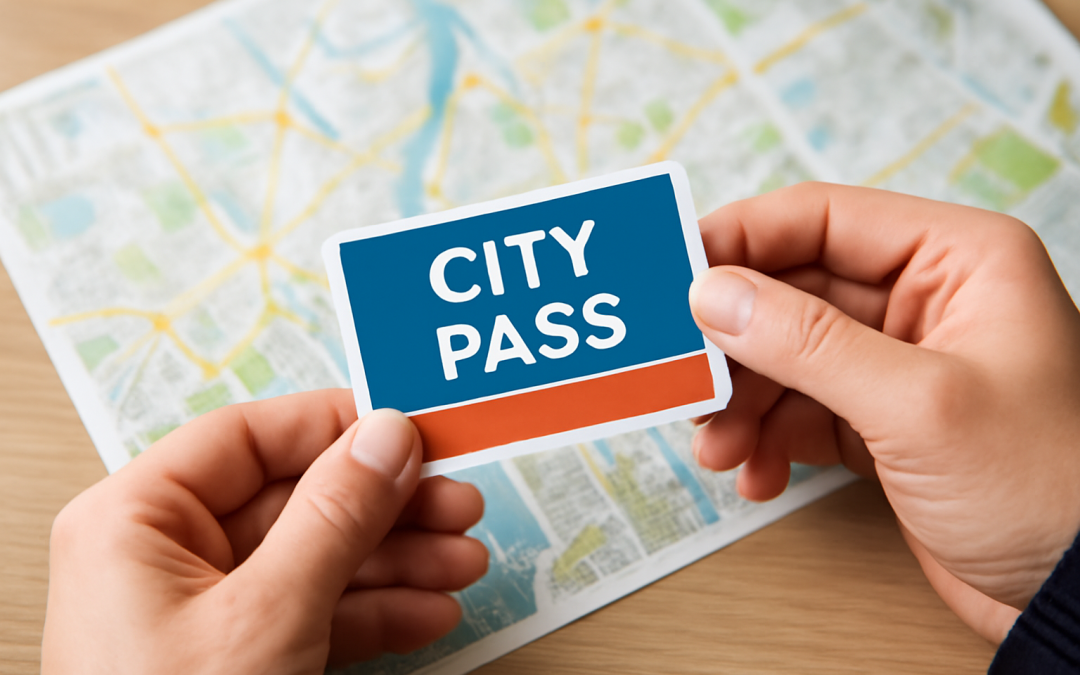
Exploring a new city can be both exciting and overwhelming, especially when faced with a multitude of attractions, museums, tours, and dining options to choose from. For travelers seeking to make the most of their time without breaking the bank, city passes and discount cards offer an invaluable resource. These specially designed cards provide bundled access to numerous popular sites and services at a reduced rate, turning a potentially costly itinerary into a budget-friendly adventure. Understanding how to use city passes and discount cards effectively can enhance your travel experience by saving money, time, and effort.
The first step in using city passes and discount cards efficiently is to do thorough research before your trip. Different cities often have their own unique passes tailored to local attractions, transportation systems, and events. Most city passes include entry to a selection of museums, galleries, historic landmarks, and sometimes public transit as part of the package. By reading reviews and comparing what each pass offers, you can select the one that fits your interests and schedule best. It’s important to consider the duration of your visit since passes vary by the number of days or the number of attractions they cover.
Once you have chosen the appropriate city pass, familiarize yourself with its terms and conditions. Some passes require activation on the first day of use, and from there, the clock might start ticking for a limited time period—such as 24, 48, or 72 hours. Be mindful of these time limits by planning your itinerary carefully to maximize the benefits. Others might use a credit system where you can pick and choose specific attractions up to a set number. Knowing these details beforehand prevents unnecessary frustration and lost opportunities to enjoy the included activities.
The convenience of city passes is often one of their greatest advantages. Many offer skip-the-line access at major tourist locations, allowing holders to bypass long queues and spend more time inside attractions rather than waiting outside. This perk is particularly beneficial during peak travel seasons when popular destinations can be crowded. Also, some passes include free guided tours or discounted dining options that enhance the overall experience without added costs. Taking advantage of these extras requires a little planning—booking tours ahead or checking restaurant hours to ensure they align with your schedule.
In addition to entry tickets, some city passes provide unlimited or discounted use of public transportation systems. This benefit should not be underestimated, as getting around an unfamiliar city can become a challenge and a source of extra expense. A card that grants access to buses, trams, subways, and even ferries can simplify logistics while also allowing you to explore neighborhoods beyond the typical tourist spots. Keep in mind that transportation benefits might only be applicable for specific hours or zones, so understanding transit maps and schedules is essential to fully utilize this feature.
Using discount cards effectively also involves making smart choices about which attractions to prioritize. While city passes offer great value, your itinerary should focus on the experiences that matter most to you. Research the must-see sights, decide how much time to spend at each location, and verify opening hours to avoid disappointment. Many attractions have special exhibitions or limited-time events that may or may not be covered by the pass, so it’s wise to confirm inclusion beforehand. Customizing your visit based on your interests ensures the card’s value translates into meaningful enjoyment rather than rushed sightseeing.
Technology plays an important role in optimizing the use of city passes and discount cards. Many providers now offer digital versions of their passes accessible on smartphones through dedicated apps or QR codes. These digital passes eliminate the need to carry physical cards and often provide real-time updates on attraction availability, event schedules, and special offers. Additionally, some apps allow users to create personalized itineraries or receive notifications about must-see spots nearby, making spontaneous decisions easier. Embracing these technological tools can make your exploration more seamless and stress-free.
When planning your travel budget, remember that the savings from city passes and discount cards can free up funds for other activities or dining experiences within the city. Strategic use of these passes often means visiting multiple attractions that would otherwise be unaffordable if ticketed individually. However, it’s crucial to be realistic about your pace and interests to avoid overbooking your days just to maximize the financial value. Sometimes, slowing down to savor fewer destinations can provide a richer cultural experience than trying to see everything in a rush.
In addition to tourists, locals can also benefit from city passes and discount cards. Many cities offer resident versions at lower prices or specific cards focused on cultural events, fitness classes, and local attractions. Using these passes can encourage residents to explore their hometown more deeply, discovering hidden gems and engaging with seasonal festivities. For frequent visitors or those considering extended stays, these cards present an opportunity to authentically experience the city beyond the common tourist trail.
One common pitfall when using city passes is underestimating the time needed for each attraction or overlooking transportation times between sites. While passes grant access to various places, traveling from one to the other can consume significant portions of your day, particularly in sprawling urban areas. Planning your route logically by grouping attractions within the same neighborhood or transit line can minimize travel time and reduce fatigue. Additionally, check for any temporary closures or refurbishments of certain sites that might affect your itinerary and require adjustments on the fly.
It is also helpful to understand the refund or cancellation policies associated with the passes you purchase. Some providers offer full or partial refunds prior to activation, while others have strict no-refund rules. Knowing these policies protects you in case of unexpected changes in your travel plans, such as illness, weather disruptions, or prolonged city closures. Be sure to keep receipts, digital confirmations, and any pass-specific identification handy, as these may be required for customer service interactions.
One of the more exciting aspects of using discount cards lies in accessing exclusive experiences that may be unavailable to regular visitors. Certain passes feature special evening openings at museums, behind-the-scenes tours, or private tastings at local restaurants and wineries. These unique opportunities not only enrich your cultural understanding but create memories that last a lifetime. Keep an eye out for promotions tied to your pass and look for partnership deals with local guides or businesses that enhance your overall journey.
For families traveling with children, city passes can be especially valuable. Many passes offer discounted rates for kids or free admission for those under certain ages. Planning outings that are kid-friendly helps keep the entire family entertained without overspending on individual admission tickets. Zoos, aquariums, interactive museums, and amusement parks often participate in city pass programs, offering a diverse range of activities to suit children’s varied interests. Moreover, some discount cards provide additional perks such as stroller rentals or child-friendly dining discounts, making the experience smoother for parents.
While city passes provide incredible value, it is always wise to double-check if certain attractions require advance reservations even with the pass. Overwhelming demand can lead to limited availability, and some places maintain a maximum daily admission cap. Booking early, when available, ensures a spot at your chosen destination and avoids disappointment. In some cases, it may also be necessary to print physical tickets or secure a timed entry slot via the pass provider’s website.
Many seasoned travelers recommend combining city passes with other travel strategies to maximize benefits. For instance, purchasing a public transit pass separately may be cheaper in some cases, or reserving a few special tickets individually can complement the broader coverage of the city pass. Likewise, staying in accommodation located near public transportation hubs can reduce the need for taxis or rideshares, further stretching your budget. Planning meals around local markets or casual eateries rather than tourist hotspots helps keep food expenses manageable as well.
The appeal of city passes and discount cards lies in their ability to simplify travel by consolidating payment, providing convenience, and delivering discounts. Using these tools wisely requires some upfront effort in planning, but the payoff can be considerable in terms of enhanced access, saved money, and reduced stress. Once familiar with how they operate, travelers often find themselves repeating the process on return visits or in different cities around the world.
Ultimately, the secret to fully benefiting from city passes and discount cards is thoughtful preparation. Knowing your interests, understanding the features each card offers, and organizing your itinerary with realistic goals unlocks the full potential of these travel aids. By doing so, you turn what might be a pricey and hectic trip into a well-rounded, memorable exploration steeped in culture, convenience, and savings. With the right approach, these passes become key tools that open doors—literally and figuratively—to unforgettable urban adventures.

by admin | Oct 22, 2026 | Travel & Destinations
Exploring a new city or rediscovering your hometown doesn’t have to come with a hefty price tag. There is an abundance of free activities, events, and attractions waiting to be uncovered if you know where and how to look. Finding free things to do in any city is not only a great way to save money but also an opportunity to engage with the local culture, meet new people, and create memories without stress or financial strain. Navigating the process effectively requires a bit of strategy, resourcefulness, and curiosity.
One of the simplest starting points is to tap into the digital world. Many cities maintain official tourism websites that list free events, public landmarks, and community activities. These portals are usually rich with up-to-date information on free museum days, park concerts, art exhibitions, and festivals. Social media platforms also serve as vibrant hubs where local event organizers share information about upcoming free happenings. Following city-specific hashtags or community pages on platforms like Facebook, Instagram, and Twitter can provide continuous updates and inspiration. Additionally, websites such as Meetup or Eventbrite often showcase free local gatherings ranging from outdoor yoga sessions to book clubs and cultural tours.
Libraries and community centers are another treasure trove for those seeking no-cost entertainment. Public libraries frequently host workshops, movie nights, lectures, and book readings that are open to everyone. They are quiet spaces not only for reading but also for participating in engaging programs that often highlight local history and culture. Many community centers also organize free classes, art displays, and public forums, offering a way to become involved and connected to the neighborhood. Visiting these spaces can uncover opportunities that might otherwise fly under the radar for tourists and residents alike.
When it comes to exploring the city’s outdoors, parks, gardens, and public spaces offer abundant options. Urban parks often boast walking trails, sculptures, ponds, and large open areas perfect for picnics or simply relaxing in nature. Many cities host seasonal events in their parks, such as free movie screenings during the summer or nature walks led by knowledgeable guides. Botanical gardens sometimes have free entry days, or designated hours when visitors can enjoy blooming flowers and themed exhibits. In addition, historical landmarks and public art installations spread throughout urban areas provide cultural enrichment without any entrance fees.
Another excellent way to find free things to do involves tapping into local culture through markets and festivals. Farmers markets, craft fairs, and street festivals often come with free entertainment like live music, dance performances, and cultural demonstrations. These events provide a window into the city’s local flavors and traditions, where even simple experiences like strolling through colorful stalls can be delightful. Moreover, many cities have neighborhood cultural organizations that hold annual events commemorating heritage months or special holidays, inviting the community to share in the celebration at no cost.
Museums and galleries that charge entry fees typically offer designated free admission days or times each week or month. Planning your visit around these can transform a pricey outing into an affordable adventure. Some institutions also have special programs tailored for families or students with free access. Taking advantage of these scheduled openings can facilitate an enriching experience that encompasses art, history, and science. Additionally, pop-up galleries and artist collectives in urban areas sometimes hold free viewing events to promote local talent and foster community engagement.
Walking tours provide another immersive method to soak up a city’s character without spending a dime. Many cities have volunteer guides or organizations that offer free guided walks covering neighborhoods, historic districts, or architectural highlights. These tours often operate on a tips-only basis, meaning you can pay what you feel able and still participate. If guided tours aren’t your preference, self-guided tours can be equally rewarding. Numerous websites and apps provide downloadable maps and thematic routes for exploring street art, literary landmarks, or hidden gems, allowing you to learn and discover at your own pace.
To dig deeper into the local scene, striking up conversations with residents and shop owners can reveal insider tips on free activities. Locals often know about small, quiet parks, community gardens, or under-the-radar events that don’t appear in mainstream listings. Coffee shops, independent bookstores, and neighborhood cafés may have bulletin boards showcasing flyers for free meetups, movie nights, or amateur performances. Approaching people with genuine curiosity can lead to recommendations that maximize your experience while maintaining a budget-friendly approach.
Seasonality is another crucial factor when seeking free activities. Depending on the time of year, cities host unique events that can be enjoyed without spending money. In the winter, holiday markets, light displays, and public ice-skating rinks often provide festive environments at no cost. During spring and summer, outdoor theaters, nature walks, and beach access are popular avenues for free entertainment. Fall typically offers harvest festivals, apple picking in nearby orchards, and outdoor art fairs. Aligning your itinerary with these seasonal offerings can enhance your enjoyment and ensure that there’s always something interesting to do.
Public transportation itself can be a gateway to spotting free attractions. Certain cities offer free shuttle services or trams that cover tourist-heavy areas and public spaces. Riding these can be a pleasant way to explore without spending money on rideshares or taxis. Moreover, transit stops may be located near iconic statues, murals, fountains, or markets that are open and accessible for exploration. Planning a route using these networks allows you to access many parts of the city easily and economically while uncovering unexpected delights along the way.
Engaging in volunteering activities is another valuable avenue. Many community organizations welcome visitors to participate in city clean-ups, cultural outreach, or event assistance. Volunteering can often provide unique access to spaces otherwise reserved for paid events and foster meaningful connections. Besides being a rewarding experience, volunteering allows you to see the city from a different perspective, meet people actively involved in the community, and uncover more free activities through these newfound networks.
Exploring educational institutions in the city might also surprise those seeking free events. Universities and colleges frequently open their facilities for public lectures, performances, art exhibitions, and film screenings. These events are often led by experts or students and highlight innovative research, cultural projects, and creative expression. Taking advantage of academic calendars and event postings online can lead to intellectually stimulating opportunities at no cost, transforming your visit into an enriching, multi-dimensional experience.
For those who enjoy nature and wildlife, many cities have free zoos, nature reserves, or bird-watching areas accessible to the public. These spaces offer a welcome break from urban hustle and provide chances to observe flora and fauna native to the region. Some wildlife centers hold educational talks or feeding demonstrations that do not require admission fees. Being outdoors also creates opportunities for photography, sketching, or simply reflecting in tranquil surroundings, adding a layer of relaxation and beauty to your itinerary.
Ultimately, a mindset open to exploration, curiosity, and community engagement is essential to uncover free things to do in any city. By combining digital research, local insight, seasonal awareness, and a willingness to explore both popular and hidden places, you can craft an enriching experience that spans art, culture, nature, and social interaction. These experiences are often the most memorable because they place you directly in the heart of the city’s pulse without the constraints of a budget.
No matter the size or location of the city, countless opportunities for enjoyment and discovery exist without spending money. With deliberate planning and a sense of adventure, exploring a city becomes not a costly endeavor but a chance to connect deeply with the surroundings and people. Free activities offer a path to understanding the essence of a place and provide meaningful ways to spend your time, proving that some of the richest experiences in life require nothing more than your presence and enthusiasm.

by admin | Oct 21, 2026 | Travel & Destinations
Encountering long lines at popular attractions is an almost inevitable part of traveling to well-known destinations and venues. Whether it’s a world-famous museum, a theme park ride, a historic landmark, or a highly anticipated event, waiting can test anyone’s patience. However, there are numerous strategies to manage these situations more effectively, turning the seemingly arduous wait into a part of the overall experience rather than a frustrating obstacle. Understanding how to handle long lines can ensure that your visit remains enjoyable, productive, and memorable despite the crowds.
Timing plays a crucial role in avoiding or minimizing wait times. Arriving early, just before the attraction opens, is often one of the best ways to bypass the longest lines. Early birds typically experience shorter waits because the momentum of the crowd has not yet built up. Conversely, visiting attractions late in the day or during off-peak hours, such as late afternoon or evening, can also reduce waiting. These timeframes generally see a decline in visitor numbers, allowing for quicker access. Before planning your visit, checking the operational hours and peak visiting times through official websites or travel forums can provide valuable insights.
Another effective approach involves thorough pre-planning and preparation. Many popular attractions offer online ticket purchases or timed entry slots. Securing tickets in advance not only guarantees your entry but often enables you to bypass traditional queues entirely. Additionally, some attractions have fast-track options or express passes that, though sometimes costing extra, can save a significant amount of wait time. Understanding the ticketing system and the benefits of various passes helps you make informed decisions based on your budget and how much time you want to invest in waiting.
Joining a guided tour or organized group visit is another way to mitigate long lines effectively. Tour operators frequently arrange priority entry for their groups, taking advantage of their partnerships with the attraction. Besides saving waiting time, tours also enhance the experience by providing expert commentary and structured itineraries, enriching your understanding of the site. If joining a group isn’t your preference, hiring a private guide can offer similar benefits, including personalized insights and a more flexible schedule that maximizes your visit while minimizing idle moments in line.
Patience and mental preparation are equally important in handling long waits. Accepting that some queuing is unavoidable can reduce frustration and anxiety. Bringing along activities such as books, travel journals, or podcasts can keep you entertained and distracted while waiting. Engaging conversation with fellow visitors can also make the time pass quicker and sometimes even lead to interesting encounters. Keeping a positive mindset and viewing the wait as an opportunity to rest before exploring the attraction can transform your overall experience from stressful to more enjoyable.
For visitors traveling with children, managing long lines requires additional tactics. Children’s tolerance for standing in one place can be limited, so preparing entertainment options tailored to their interests is essential. Portable games, coloring books, or favorite snacks can help soothe restlessness. Moreover, planning breaks in less crowded areas or play zones nearby can prevent burnout. Careful planning and structured time management ensure that long lines do not detract from a child-friendly outing, keeping everyone happy until entry.
Understanding the layout of the attraction and its surrounding facilities can also assist in dealing with lines. Many sites have multiple entrances or queuing areas, some of which are less crowded than others. Scouting maps and first-hand reviews online can reveal insider tips on the best entrances or lesser-known access points. In some cases, visiting alternative but related attractions within the same complex may provide entertainment while you wait for less busy times to visit the main event. This strategy not only alleviates boredom but also maximizes the overall value of your trip.
Physical comfort should not be overlooked when enduring long lines. Wearing comfortable shoes, dressing appropriately for the weather, and carrying water or snacks are practical considerations that make waiting easier. If the line is outdoors, bringing sun protection like hats and sunscreen or rain gear will prevent discomfort during inclement weather. Some visitors carry lightweight folding chairs or portable stools, especially in places known for very long waits. Being physically prepared can reduce the strain of standing and waiting, allowing you to focus on enjoying your visit once inside.
Leveraging technology has become increasingly valuable in efficiently navigating crowded attractions. Many places have developed apps that provide real-time updates on wait times, virtual queueing systems, or interactive maps showing crowd density. Utilizing these tools can help you decide when to queue and for which attractions, or even reserve a place in line without physically standing there. Technology not only saves time but also reduces unnecessary walking, standing, and crowd exposure, making your outing smoother and less stressful.
Social media and online travel communities are treasure troves for up-to-date advice on the best times to visit and strategies to avoid excessive lines. Fellow travelers often share their experiences, hacks, and current crowd conditions. Monitoring popular platforms like forums, Facebook groups, or Twitter can provide last-minute tips that might not be available through official channels. Engaging with a community dedicated to your destination can provide personalized advice that caters to your style of travel and interests.
Sometimes, the key to handling lines is flexibility with your itinerary. Having a loose schedule that allows you to shift activities based on real-time circumstances can be invaluable. If a particular attraction’s queue seems overwhelming, postponing the visit to a later time or day helps you avoid unnecessary waiting. This approach might also offer the bonus of experiencing the attraction in a quieter setting. Similarly, exploring nearby cafés, parks, or shops during busy times can turn what could have been idle waiting into relaxed downtime, optimizing overall enjoyment.
For those attending seasonal or special events, anticipating and planning for longer-than-usual lines is essential. Holidays, weekends, and special exhibit openings typically attract larger crowds. Checking local calendars and choosing to visit attractions on weekdays or outside major holiday periods will almost always reduce waiting times. If visits during busy periods are unavoidable, arriving incredibly early, booking special access tickets, or joining exclusive previews and member-only sessions is often the best way to dodge the worst of the crowds.
Learning to read the crowd and queue dynamics can also improve your waiting experience. Often, lines form in predictable patterns, and observing the flow of the crowd can indicate when and where a line might shorten. Sometimes, moving along a bit farther down the queue or identifying priority lanes for families, seniors, or individuals with disabilities can shorten your total wait. Being mindful of signage and staff instructions helps in correctly positioning yourself to benefit from any line-skipping privileges or group accommodations.
Finally, remember that the time spent waiting is part of the journey, not just a barrier to the destination. Many attractions offer interesting architectural elements, street performers, or panoramic views from queue areas. Taking advantage of these moments to absorb your surroundings enriches your experience beyond the immediate visit. By shifting perspective and turning wait times into opportunities for curiosity and appreciation, you create memories that complement the highlights of your trip.
Mastering how to handle long lines at popular attractions ultimately comes down to a combination of preparation, adaptability, and mindset. By planning strategically, using available resources, embracing patience, and staying flexible, you can transform queues from frustrating roadblocks into manageable, even enjoyable, parts of your travel adventure. This holistic approach not only maximizes the time spent at each location but also enhances your overall enjoyment, ensuring that the focus remains on discovery and delight rather than on the wait itself.

by admin | Oct 20, 2026 | Travel & Destinations
Choosing the perfect day trip can transform an ordinary day into a memorable adventure. When contemplating how to spend a limited amount of time away from home, it is essential to carefully consider a variety of factors to ensure the experience is rewarding and truly worth the effort. Not every outing delivers the rejuvenation or excitement one hopes for, so selecting a destination and activities that align with your interests, needs, and logistical constraints is crucial.
The first step in making a day trip worthwhile is to reflect on what you genuinely enjoy. Different people find pleasure in different settings—some prefer the tranquility of nature, while others thrive on cultural exploration or culinary indulgence. Understanding whether you are seeking relaxation or stimulation dramatically narrows your options. This clarity prevents the common mistake of settling for an uninspiring or tiresome excursion simply because it is convenient or popular.
Travel time is another critical consideration when deciding on a day trip. Since the outing spans only a single day, destinations situated within a reasonable driving distance or accessible by efficient transportation allow for more enjoyment and less fatigue. Spending hours in the car for a brief visit diminishes the overall value of the outing. Calculate the total time it will take to reach your destination and return, factoring in potential traffic delays, stops, and other contingencies.
Once a target area is selected, research the key attractions and experiences available. The best day trips offer a variety of compelling options that cater to your interests. For some, an outdoor excursion featuring hiking trails, picnic spots, or scenic vistas may be ideal. For others, small towns with quaint shops, historical sites, and local eateries provide a rich cultural glimpse. Investigate whether there are any special events, festivals, or seasonal highlights during your visit as these can add tremendous value and provide unique memories.
The quality and availability of amenities at the destination greatly influence how enjoyable the trip will be. Facilities such as clean restrooms, parking options, Wi-Fi access, and places to eat or rest can make or break a day out, especially when traveling with family or in a group. It’s wise to examine reviews or contact local visitor centers to gain insights into these conveniences. Inadequate infrastructure, especially in remote areas, can create frustration and reduce the overall pleasure of the trip.
While planning, consider your budget and how much you are willing to spend. A day trip should be financially feasible and offer good value for the money invested. Entrance fees, dining costs, parking charges, and gas expenses can quickly add up if not carefully planned. Avoid destinations with hidden fees or excessively expensive options that do not justify their cost. Sometimes, the most enjoyable excursions are those that offer free or low-cost activities coupled with personal discovery rather than commercial attractions.
Another important aspect is to factor in your personal energy levels and physical capabilities. Some trips require considerable walking, hiking, or other physical activity, while others provide more leisurely experiences. Select destinations and itineraries that match your stamina and preferences so you can make the most of your time without feeling exhausted or overwhelmed. For example, a mountainous trail hike might be invigorating for one person but daunting and unenjoyable for another.
Weather conditions are often overlooked but can significantly impact the enjoyment of a day trip. Seasonal changes, climate patterns, and potential storms should be researched ahead of time. Checking reliable weather forecasts and having contingency plans in case of rain or extreme conditions helps avoid disappointment. Choosing outdoor destinations during unfavorable weather might lead to discomfort or curtailed plans, so opt for flexible options that offer indoor alternatives if necessary.
The social aspect of the trip also influences its worth. Whether traveling alone, with friends, family, or a partner, consider how the preferences and expectations of your companions align with yours. A day outing that satisfies everyone is more likely to be remembered fondly. Communication before the trip can prevent misunderstandings or conflicts during the journey. Compromise on activities and destinations may be essential to ensure mutual enjoyment.
In addition to well-known attractions, exploring lesser-known gems and hidden spots can elevate the experience. These off-the-beaten-path locations often provide a sense of discovery and exclusivity that common tourist sites do not. Research local blogs, social media, and community forums to uncover unique suggestions. Engaging with locals and seeking their recommendations can also lead to authentic experiences and interactions that enrich your day trip beyond sightseeing.
Time management plays a decisive role in creating a satisfying day trip. A well-paced itinerary avoids rushing from one place to another, which can be stressful and reduce enjoyment. Allocate sufficient time for each activity, including travel between stops, meals, rest periods, and spontaneous exploration. Overloading your schedule with too many activities sometimes results in missing out on the atmosphere and relaxation that make day trips special.
Technology offers useful tools that can aid in planning and navigating your day trip. Apps for maps, transportation schedules, restaurant bookings, and weather updates can streamline your experience and reduce uncertainty. However, it is important not to become overly reliant on digital devices, which could distract from the enjoyment of being present in the moment. Balance utilizing technology for convenience while embracing the serendipity of exploration.
Finally, personal expectations and mindsets greatly influence the outcome of any day trip. Going with an open mind and a flexible attitude allows you to appreciate unexpected encounters and minor imperfections. Nature or cultural sites may not always look or feel exactly as imagined, yet these differences often become stories worth sharing. Embrace the experience as part of the journey rather than a checklist of accomplishments.
In conclusion, selecting a day trip that truly delivers a meaningful and enjoyable experience rests on careful consideration of your interests, logistics, budget, and companions. Prioritizing destinations close enough to maximize exploration time, choosing activities suited to your preferences and physical ability, and planning with attention to amenities and weather ensure the effort is rewarded. Ultimately, the best day trips stimulate the senses, expand horizons, and create lasting memories that justify the time and energy invested. When approached thoughtfully, a well-chosen day trip becomes not just a simple getaway but a rich, fulfilling adventure worth every moment.

by admin | Oct 20, 2026 | Travel & Destinations
Planning a day trip can be a refreshing way to break from routine, inject some excitement into your schedule, and explore new places without the need for extensive travel arrangements. However, choosing a day trip that’s worth it involves more than just picking a destination on a whim or following a popular trend. It requires thoughtful consideration of your interests, the location’s offerings, logistics, and the overall experience you hope to get out of your short getaway. Whether you’re planning with family, friends, or solo, making the right choice ensures that your day will be both fulfilling and memorable.
The first step in selecting a day trip that meets your expectations is identifying what motivates you to get away. Are you eager to immerse yourself in nature’s beauty, or do you crave cultural enrichment? Perhaps you want to indulge in culinary delights or seek an adrenaline rush through adventurous activities. Understanding your personal preferences will help narrow down destinations that cater to those desires. For example, a visit to a nearby national park may satisfy a nature enthusiast, while a historical town could appeal to someone interested in heritage and architecture.
Once you have a clear idea of what type of experience you want, assessing the travel distance and time constraints becomes crucial. Since you only have a single day, the destination must be reachable within a reasonable timeframe to maximize enjoyment rather than spend most of the day driving. Consider transportation options such as driving, trains, buses, or organized tours and how long each will take. Factor in the time you wish to spend at the location itself to ensure you won’t feel rushed, as well as time for meals and rest stops.
Another important aspect to evaluate is the season and weather conditions on the planned day trip. Outdoor activities, scenic viewpoints, and walking tours can be thoroughly enjoyable in mild weather but miserable during rain, excessive heat, or cold. Researching local climate patterns and checking forecasts can help you select a day when conditions are favorable. This foresight not only increases your comfort but also prevents disappointment from unexpected closures or limited access due to weather.
The quality of attractions at the destination significantly influences whether a day trip feels worthwhile. Look into what the place offers in terms of sights, activities, and overall ambiance. Are there landmarks, trails, museums, or unique features that stand out? Sometimes smaller, less well-known spots can provide a more intimate and authentic experience than popular tourist traps. Reading reviews, watching travel vlogs, and consulting local guides can offer insight into hidden gems that add value and enjoyment.
Budget considerations are also fundamental when planning a day trip. While many excursions can be budget-friendly, some locations and activities may require entrance fees, parking charges, or spending on meals and souvenirs. Setting a realistic budget ahead of time ensures you won’t feel financially strained and can help you prioritize which experiences to include. In some cases, it may be worth spending a bit more on a unique attraction or exceptional dining to make the day truly special.
Timing and seasonality play another role in deciding the right day trip. Certain destinations thrive during specific times of year, such as flower festivals, seasonal markets, or wildlife migrations. Planning your trip to coincide with these special events can transform the day into a remarkable experience. Conversely, popular locations might become crowded and less enjoyable during peak tourist seasons, so choosing off-peak times or weekdays can offer tranquility and a more personal visit.
Consider your own energy levels and the physical demands of the day trip when making a choice. Some excursions may involve long hikes, extensive walking, or climbing, which could be invigorating for active travelers but exhausting for others. Make sure the pace and activity level align with what you and your companions are comfortable with to prevent fatigue or frustration. For instance, a leisurely boat cruise or scenic drive could be more appropriate if you prefer a relaxed approach.
The social aspect of the trip can also influence its success. Traveling with others means balancing multiple preferences and expectations, so initiating conversations about what everyone hopes to get from the outing is essential. If you’re going solo, consider whether you want a day of quiet reflection or social interaction at lively spots. Group trips might benefit from destinations offering diverse activities to keep everyone entertained and engaged.
Food plays a surprisingly significant role in enriching any day trip experience. Sampling local cuisine, visiting markets, or stopping at quaint cafés adds another layer of enjoyment beyond scenery and activities. Researching culinary highlights in advance can help you plan meal stops that complement the overall itinerary. If you have dietary restrictions or preferences, identifying suitable places beforehand avoids inconvenience and enhances your day.
Safety is another dimension that should not be overlooked. Investigate the area’s safety record, access to medical facilities, and general preparedness for tourists. Carrying a well-stocked daypack with essentials such as water, snacks, sunscreen, and a basic first aid kit is advisable regardless of destination. Additionally, informing a friend or family member of your plans provides an extra layer of security during your adventure.
One effective way to get the most out of a day trip is to blend both planned activities and spontaneous discoveries. Having a clear itinerary with key stops mapped out ensures you won’t miss highlights, but allowing some flexibility permits you to explore unexpected spots or linger longer at places you enjoy. This balance keeps the day structured enough to accomplish goals without feeling rigid or stressful.
Accessibility is an important factor particularly if you are traveling with children, elderly family members, or anyone with special mobility needs. Check whether the destination is user-friendly with convenient transportation, parking, restrooms, and areas for rest. Attractions that cater to these considerations help create a smooth and enjoyable day for everyone involved.
When choosing between a familiar location and entirely new surroundings, weigh the advantages of both. Visiting a favorite nearby spot can offer comfort, known experiences, and perhaps new seasonal offerings you haven’t tried before. On the other hand, exploring a new place brings novelty and the excitement of discovery, a compelling incentive for many travelers seeking fresh experiences. Your mood, time availability, and desire for adventure can dictate which option suits you best.
Environmental impact considerations are becoming increasingly important for many travelers today. Opting for destinations that promote sustainable tourism practices helps preserve natural and cultural heritage while supporting local economies. Choose places that encourage responsible behavior such as proper waste disposal, respecting wildlife, and limiting overcrowding. This mindfulness enriches the experience, knowing your visit contributes positively to the community and environment.
Lastly, tapping into local knowledge can elevate a day trip beyond the standard tourist experience. Engage with locals through markets, guided tours, or community events to gain insider perspectives. These encounters often unveil authentic cultural practices, stories, and hidden spots that enrich your understanding of the destination and create lasting memories.
In conclusion, selecting a day trip that’s truly worthwhile requires a thoughtful blend of planning and intuition. By aligning your interests, logistical realities, budget, timing, and safety considerations, you set the stage for a rewarding escape. Adding elements such as local cuisine, flexible scheduling, and sustainable choices further deepens the value of the experience. Whether revisiting familiar places or exploring uncharted territories, a well-chosen day trip can provide a meaningful break that reenergizes and inspires.