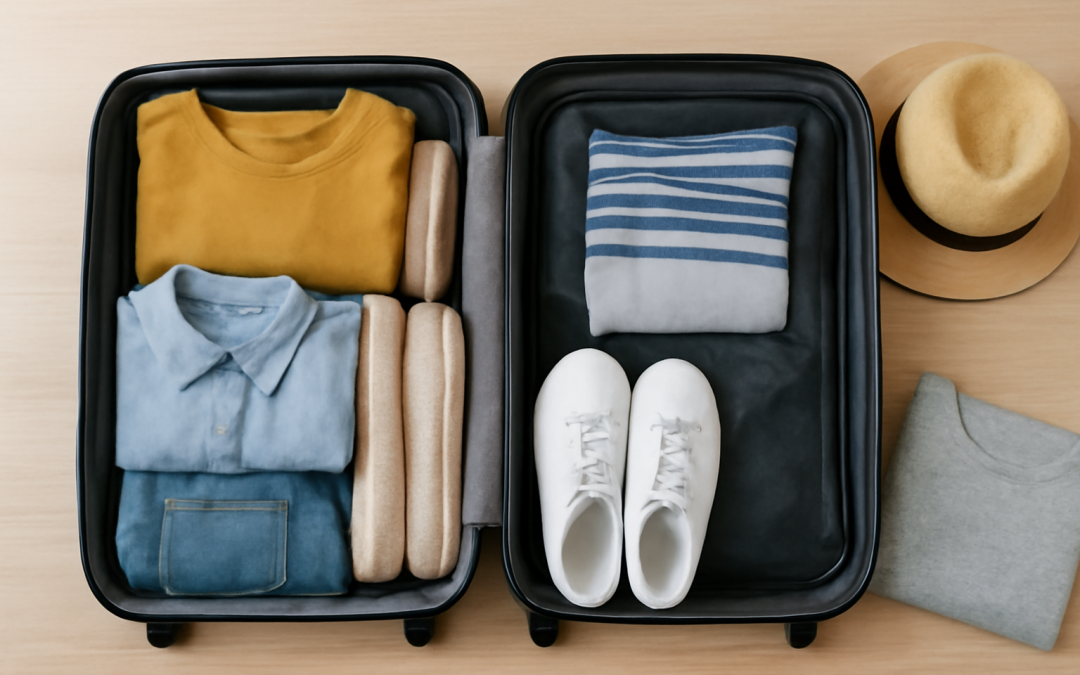
Traveling should be an exciting and enriching experience, but it often begins with a frustrating challenge: packing. Many travelers struggle with overpacking, which can turn a simple trip into a burden of heavy luggage, restricted mobility, and hidden stress. Overpacking is a common problem that affects all kinds of travelers, from casual vacationers to seasoned globetrotters. The consequences go beyond just lugging excess weight; it can incur airline fees, cause delays, and reduce the overall enjoyment of a journey. Mastering the art of packing efficiently is therefore essential to travel smoothly and comfortably.
One of the main reasons people overpack is fear – fear of “what if” scenarios that might arise during a trip. This leads to stuffing bags with clothing for every possible occasion, multiple pairs of shoes, unnecessary gadgets, and toiletries that double the weight of the luggage. However, this mindset overlooks the fact that most trips do not require extreme preparation for every contingency. Understanding what you truly need for your destination and the type of travel activity planned is the first step toward packing light and smart. It’s about prioritizing essentials and realizing that less is often more.
Before even opening a suitcase or packing bag, creating an inventory of your plans helps clarify what is necessary. Consider the length of your trip, the climate of the destination, and the kind of activities you will be engaging in. For example, a casual weekend getaway at a beach resort demands very different attire compared to a business trip or a hiking expedition. Narrowing down the scope of your wardrobe and gear tailored to these factors greatly reduces the temptation to overpack. It is also helpful to research the availability of amenities at the destination, so you don’t carry items that are easily accessible.
Another critical aspect is building a well-thought-out capsule wardrobe for travel. This means selecting pieces of clothing that are versatile, interchangeable, and appropriate for multiple occasions. Neutral colors and classic styles usually work best because they can be layered and coordinated in various ways to produce different looks. By packing items that serve multiple purposes, you can reduce the number of garments significantly. Rather than bringing five different shirts, three pants, and two pairs of shoes, bringing a few mix-and-match options keeps the luggage compact and light.
Packing techniques also contribute greatly to avoiding overpacking. The way clothing is folded or rolled can maximize space inside a suitcase. Rolling clothes instead of folding them tends to reduce wrinkles and optimize space. Using packing cubes or compression bags compartmentalizes items, making the packing process more organized and helping to visually limit the quantity of garments or accessories. Efficient packing methods allow travelers to fit more into less space without causing unnecessary bulk or weight. This can also streamline security checks and luggage handling during transit.
It is equally important to be mindful of non-clothing items, which often constitute hidden weight. Many travelers tend to carry full-size toiletries, excessive medication, multiple electronic devices, and various chargers and cables. Instead, transferring toiletries into travel-sized containers can significantly cut down on bulk. Deciding which gadgets are necessary and relying on multi-use devices – like a smartphone that doubles as a camera, GPS, and entertainment system – can prevent packing unnecessary equipment. Minimalism in this area contributes to a lighter and more agile travel experience.
Psychological habits are often at the root of overpacking. Many feel compelled to pack “just in case” items out of anxiety or a desire for control, but such practices often backfire. Developing a mindset of adaptability and preparedness without excess is key. Travelers who embrace the possibility that not everything will go perfectly tend to pack more cleverly. They focus on essentials and trust that if something is forgotten or needed, alternatives can be found locally. This reassurance alone can diminish the urge to carry everything but the kitchen sink.
Technological advances have also simplified travel packing. Mobile apps, cloud storage, and digital boarding passes minimize the need for printed documents and physical items. Travelers can access movie libraries, books, and even work files through their devices, eliminating the need to bring heavy books or paper. Additionally, many hotels and accommodations provide essentials like hair dryers, ironing boards, and towels, so packing those items can often be avoided after confirming with your host or hotel.
Practicing packing in advance rather than at the last minute is another effective strategy. When rushed, travelers tend to throw in items impulsively, leading to overpacking. Allocating time for a deliberate packing session allows for conscious decisions about what to bring and what to leave behind. This period also provides an opportunity to lay everything out, evaluate each piece for its purpose, and refine the list if necessary. Replicating this process several times before a trip can implant better packing habits for the future.
One overlooked factor is post-arrival mobility; the ease of managing luggage throughout your trip. Overpacking often results in cumbersome luggage that is difficult to maneuver, especially when navigating crowded airports, public transportation, or uneven urban streets. Carrying lighter luggage not only makes physical travel easier but reduces stress, fatigue, and the risk of injury. Selecting a suitcase or bag appropriate for your trip—one that encourages moderate packing—can also be a deceivingly effective way to avoid bringing too much.
In addition to all these practical approaches, cultivating an attitude of minimalism and intentionality with belongings is central to avoiding overpacking. Think about why you want to bring certain items and whether they truly add value to your experience. Respect the idea that each piece packed is a weight to carry and a decision to make. This level of awareness guides more thoughtful choices that align with the purpose of the journey and personal comfort.
While the allure of having everything imaginable at your fingertips may be strong, the benefits of traveling light are manifold. It enhances freedom, expedites movement, and even fosters creativity as you learn to adapt to fewer possessions. Traveling with less can deepen the actual experience of the place you visit instead of bogging you down with luggage logistics. It encourages mindfulness about consumption and consumption’s impact, bringing about a more sustainable approach to travel.
Ultimately, reducing the tendency to overpack comes down to preparation, conscious decision-making, and breaking entrenched habits. It involves trusting that a well-planned, lighter load supports the journey better than a heavily burdened one. Learning this skill is a process, but it develops with each trip, allowing travel to become more enjoyable and less encumbered. Embracing simplicity in packing transforms travel into what it is meant to be—an adventure of discovery and relaxation, not a trial of endurance.