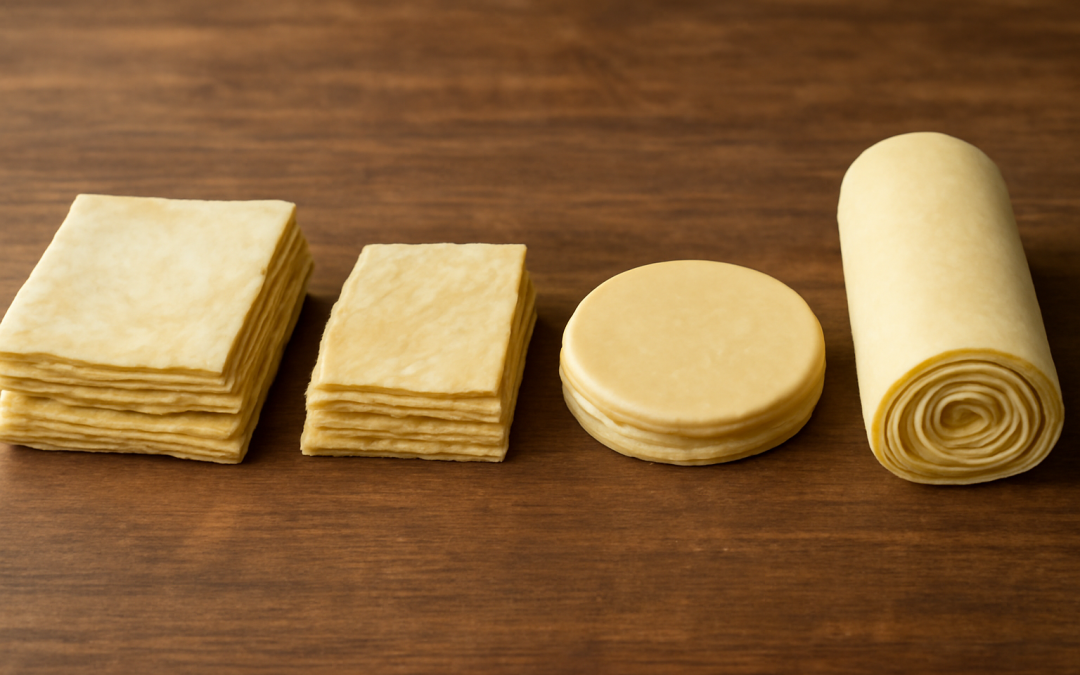
Pastry dough is a foundational element in both sweet and savory baking, acting as the versatile canvas upon which flavors and textures come to life. Understanding the different types of pastry dough is essential for any aspiring baker or culinary enthusiast because each dough type brings unique characteristics to the plate. From flaky and buttery crusts to tender and crumbly bases, the variety is extensive, shaped by the ingredients used and the techniques applied. Mastering these variations opens up a world of culinary possibilities, ensuring that the right dough complements the dish perfectly.
One of the most familiar forms is shortcrust pastry, often celebrated for its tender yet sturdy texture. Common in pies, tarts, and quiches, shortcrust achieves its delicate crumb through a precise balance of fat and flour. Typically made by mixing cold fat—usually butter—with flour, and just enough water to bind the dough, this type must be handled with care to prevent overworking. Over kneading develops gluten, which results in a tougher crust, contrary to the buttery flakiness desired. Shortcrust can be either sweet or savory depending on the sugar content, which makes it highly adaptable to different recipes.
Conversely, puff pastry represents a more intricate and time-intensive dough, prized for its flaky layers and light texture. Its defining feature is the lamination process, where dough is repeatedly folded and rolled out with a block of butter encased inside. This mechanical leavening creates multiple thin layers of dough separated by fat, causing the pastry to puff dramatically in the oven as moisture turns to steam. Puff pastry is a staple in both desserts, such as mille-feuille and palmiers, and savory cuisine like vol-au-vents and sausage rolls. Despite its complexity, the result is a pastry of unparalleled texture and elegance.
Phyllo dough, often confused with puff pastry, is another layered variety but differs significantly in preparation and outcome. Phyllo is incredibly thin sheets of dough, almost translucent, which require careful handling to avoid tearing. Unlike puff pastry, phyllo is brushed with butter or oil between layers but lacks the laminated structure that produces puff pastry’s dramatic rise. It is a cornerstone in Middle Eastern and Balkan cuisines, forming the base of classics such as baklava and spanakopita. This dough’s delicate crispness and lightness come from oven baking these stacked, buttery layers to golden perfection.
Choux pastry stands apart in its method and culinary uses. Developed through a unique cooking process on the stovetop before baking, choux dough is highly versatile. It incorporates boiling water or milk with butter and flour, then eggs are beaten in to form a smooth, pipeable dough. When baked, choux rises with hollow cavities inside, perfect for holding fillings like cream or custard. It’s the foundation for éclairs, profiteroles, and gougères. Unlike other pastries, choux relies not on chemical leavening but on the steam produced from its moisture content to create its airy shape.
Another essential pastry type is flaky pastry, related yet distinct from both shortcrust and puff pastry. It achieves a flaky texture by incorporating large chunks of cold butter into the dough before rolling and folding it just a few times. Unlike puff pastry’s multiple folds, flaky pastry requires less handling but still produces a layered texture due to the pockets of fat within the dough. This results in a somewhat less delicate but heartier, rustic texture commonly found in hand pies and sausage rolls. Its ease of preparation compared to puff pastry makes it a favorite for home bakers.
Sweet pastry or pâte sucrée is a variant of shortcrust but enriched with sugar and often egg yolks, bringing a richer flavor and more tender crumb. It’s specifically designed for sweet applications, such as delicate fruit tarts and dessert shells. The added sugar not only sweetens the dough but also alters the gluten structure, producing a softer bite. Sweet pastry requires careful chilling before rolling to prevent spreading during baking, and its flavor profile pairs well with creams, custards, and fresh fruits.
In addition to these traditional doughs, enriched doughs stand out due to the addition of dairy, eggs, or sugar, which enhance flavor and texture. Brioche dough, often classified as enriched pastry dough, is a perfect example. Known for being soft, fluffy, and rich due to abundant butter and eggs, brioche is more bread-like but still used in both sweet and savory contexts, such as in buns, tarts, or decadent dessert bases. This dough requires time to rise and develop gluten, distinguishing it from more simple, crumbly pastry doughs.
When selecting pastry dough for a given recipe, understanding its baking properties is crucial. For example, when a crisp, buttery base is desired, shortcrust or sweet pastry will excel. For dishes demanding lightness and multiple layers, puff pastry or phyllo dough are ideal. Meanwhile, choux pastry caters to molded or filled pastries needing hollow interiors without added leaveners. Each dough type brings a unique mouthfeel, structure, and flavor intensity, transforming otherwise ordinary ingredients into memorable dishes.
Equally important is mastering the techniques for working with each dough type. Temperature control plays a vital role, especially in doughs incorporating butter. For instance, puff pastry and flaky pastry demand cold fats to maintain distinct layers, while choux requires precise heat application on the stove to achieve the perfect consistency. Similarly, resting periods and chilling influence gluten relaxation and dough hydration, impacting texture and rollability. Ignoring these details can turn a potentially flakey crust soggy or a tender shortcrust tough.
The role of flour also cannot be overstated. Pastry dough typically uses low-protein flours such as cake or pastry flour to minimize gluten development, ensuring tenderness and flakiness. High-protein bread flour can produce overly elastic or chewy results, detracting from the delicate nature of pastries. Adjusting hydration levels, considering factors like humidity and altitude, further refines the dough’s final texture. These nuanced adjustments illustrate why experience and attentiveness are as critical as the basic recipe.
In modern kitchens, numerous variations and hybrids continue to emerge, inspired by traditional techniques but adapted for convenience or new flavor profiles. Ready-made pastry doughs include all these types—shortcrust, puff pastry, phyllo, and more—bringing accessibility to home cooks. Understanding the fundamental characteristics of these doughs helps when choosing a commercial product or attempting a homemade version for specific recipes. It also encourages chefs and bakers to experiment confidently, knowing how each dough will perform.
Exploring global influences expands the pastry dough repertoire even further. For example, Italian pasta frolla is a sweetened shortcrust variant with subtle differences in fat content and flavor additions like lemon zest. Latin American empanada doughs vary from flaky to more bread-like textures, catering to different fillings and preparations. Japanese castella cake and French pâte à choux are culinary hallmarks that have inspired countless contemporary creations. This diversity underscores how pastry dough, though seemingly simple, is a dynamic and culturally rich cornerstone of baking.
Ultimately, the mastery of various types of pastry dough enhances both the creativity and technical skill of any baker. Familiarity with their unique ingredients, preparation methods, and properties informs better recipe development and troubleshooting. Whether crafting a rustic galette, a refined tart, an elegant éclair, or a crisp filo dessert, choosing the appropriate dough impacts not only the eating experience but also the visual appeal and success of the final product. Embracing these differences transforms the baking process from routine preparation into a pleasurable and rewarding craft.
As new recipes evolve and traditional techniques are refined, the importance of pastry dough and its many types remains a constant. Each dough tells a story through its texture, flavor, and structural integrity, revealing centuries of culinary heritage and innovation. By appreciating and understanding these distinctions, food enthusiasts and professionals alike can elevate their offerings, ensuring every bite delivers the intended delight. The study and practice of pastry dough types is more than a technical exercise—it is an essential step in mastering the art of baking.