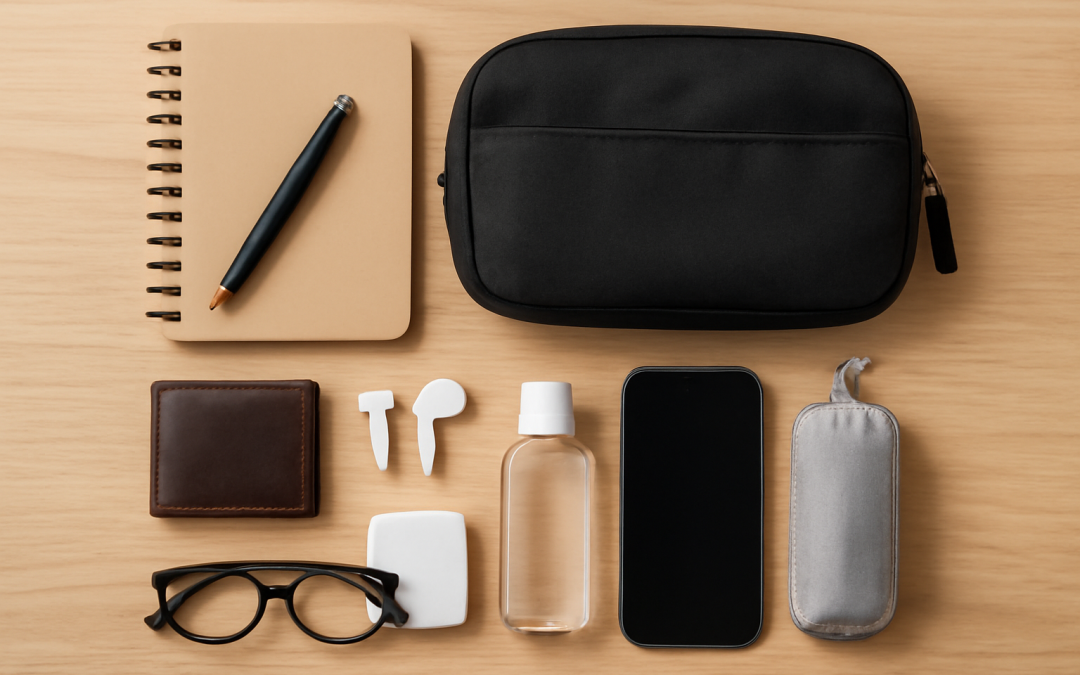
Traveling can be a thrilling, yet sometimes stressful experience, especially when it comes to organizing and packing. One crucial component that often gets overlooked is the personal item you bring along on your journey. More than just an afterthought, your personal item carries essentials that keep you comfortable, entertained, and prepared while on the go. Whether navigating airports, enduring long flights, or managing layovers, knowing what to pack in your personal item can significantly enhance your travel experience.
When deciding what to include, understanding airline guidelines regarding personal item size is the first step. Most airlines allow your personal item to be something like a backpack, purse, or small carry-on bag which fits under the seat in front of you. Knowing this limitation influences not only the size but the type of belongings you can bring, ensuring you don’t have to stow them away in overhead bins or gate-check them. This keeps your most needed items within easy reach throughout the flight.
The primary function of a personal item is to store immediate necessities. These often fall into categories like travel documents, health essentials, electronics, comfort aids, and entertainment. At the top of the list should be important documents such as your passport, boarding pass, ID, and any necessary visas or entry permits. Keeping these easily accessible means you’re less likely to experience last-minute scrambling, which always adds unwanted anxiety. Having these papers tucked in a dedicated, secure compartment can also prevent damage or loss during transitions through security checkpoints and boarding.
Health and hygiene items are equally critical within a personal item. Hand sanitizer, travel-sized packs of tissues, a small tube of hand lotion, and a basic first aid kit can be lifesavers in unpredictable situations. For those concerned about germs, a supply of disinfecting wipes can help clean tray tables, armrests, and touch screens. If traveling across time zones or long distances, packing any necessary prescription medications is essential. Ideally, these should be kept in their original labeled containers for easy identification and to comply with security regulations. In addition, a small container of lip balm and moisturizing facial mist helps combat the dry cabin air, keeping skin hydrated and comfortable.
Electronic devices and their accessories often fill the personal item as well, given their importance in modern travel. A smartphone, tablet, or e-reader provides access to communication, entertainment, and in-flight apps. Don’t forget charging cables, a portable power bank, and headphones or earbuds. Noise-cancelling headphones, in particular, can transform the flight experience by blocking out the ambient sound of engines and fellow passengers, allowing you to relax or focus on movies, music, or podcasts. Since outlets may be scarce onboard, having a fully charged battery backup ensures your devices remain operational throughout the journey.
Comfort items can make a significant difference, especially on longer flights or trips requiring layovers. A lightweight, compact travel pillow shaped to support the neck helps prevent stiffness and discomfort, while a cozy scarf or wrap doubles as a blanket on chilly planes. Compression socks are a small but valuable addition, aiding circulation and reducing swelling during extended periods of sitting. Eye masks and earplugs contribute further to a restful atmosphere by reducing sensory distractions, allowing travelers to sleep or relax more easily.
Entertainment options go hand in hand with electronics but deserve specific consideration. Downloaded movies, TV shows, audiobooks, and podcasts can occupy hours of travel time. Given unpredictable Wi-Fi availability or restrictions, pre-downloading media content is crucial. A good book or magazine also provides a welcome break from screens and can be soothing in its own right. For those who prefer to maintain productivity, a small notebook and pen or a tablet with a stylus can facilitate journaling, work, or creative planning.
Snacks are another essential category often overlooked when packing a personal item. Airport food options can be expensive, limited, or not suited to your dietary preferences. Bringing your own nutritious and compact snacks like nuts, dried fruits, energy bars, or a sandwich ensures you stay fueled and avoid hunger-induced irritability. It is wise to avoid overly aromatic or messy food that might disturb fellow travelers or be difficult to handle in a tight space. Staying hydrated is equally important, so carrying an empty reusable water bottle is recommended since you can fill it post-security.
Personal hygiene should not be ignored, particularly on longer flights where refreshment is necessary. A travel-sized toothbrush and toothpaste, a small deodorant stick, and facial wipes can help maintain cleanliness and freshness. Women may appreciate carrying a few feminine hygiene products as a precaution or convenience. Keeping a compact mirror and basic makeup remover pads can also be practical for touch-ups after a long transit.
Security and organization within the personal item are critical to avoid fumbling or lost items when under pressure. Packing smartly by using small pouches or cases to separate items enhances accessibility and reduces stress. For example, a dedicated electronics pouch prevents tangled cords and misplaced chargers, while a document holder keeps papers flat and intact. Many seasoned travelers recommend using a single bag with multiple compartments so you can quickly retrieve what you need without unpacking everything. Additionally, a bag with durable zippers and comfortable straps ensures your personal item withstands the rigors of travel while remaining easy to carry.
Adjusting your packing list according to the destination, weather, and length of your trip provides further refinement. For colder climates or winter trips, adding gloves or a hat might be warranted; for tropical destinations, sunscreen and insect repellent could be lifesavers. If connecting to international destinations, a power adapter compatible with foreign outlets is essential. For those traveling for business, including a small portable charger or storage device for work files and a pen might be critical for maintaining productivity.
Comfort with technology also means evaluating the weight and bulk of your personal item. Packing too many heavy or large items diminishes legroom and mobility and can make moving through crowded airports more cumbersome. Conversely, under-packing might leave you without critical conveniences or provisions. Striking a balance is a skill best developed with experience, always adjusted according to the particulars of each trip.
Strategies for keeping the personal item light include selecting multi-use items. A scarf that functions as a blanket, a smartphone that doubles as an e-reader, or versatile reusable utensils that can handle multiple food types simplify packing. Moreover, prioritizing essential over luxury items ensures the contents serve practical purposes throughout the trip without becoming unnecessary ballast.
In moments of unexpected delay or discomfort, your personal item becomes your lifeline. It is what you turn to for reassurance, entertainment, nourishment, or problem-solving. Proactively thinking through your likely scenarios can highlight overlooked needs such as travel insurance cards, emergency contacts, or currency for unexpected expenses. Minimizing unnecessary bulk while covering essential bases provides peace of mind and enhances your overall travel satisfaction.
The process of packing this bag should be deliberate, with a brief review before every trip to confirm all necessary items are accounted for. A checklist that evolves over time, reflecting personal preferences and experiences, helps prevent forgotten essentials. Particularly during airport security checks, efficiency in unpacking and repacking can be improved by well-ordered organization within the personal item, making your passage through lines smoother.
Understanding airline policies about restrictions on liquids, sharp objects, or other security-sensitive items is necessary to avoid last-minute confiscations. Complying with security regulations saves time and frustration and ensures a smooth boarding process. For instance, liquids must be in containers of 100 milliliters or less and typically stowed in a clear quart-sized bag, easily accessible for inspection.
It is also wise to consider items that facilitate social interactions or helpfulness while traveling. A small phrasebook, translation app, or cultural guidebook tucked in your personal item can aid communication and enrich your experience in foreign countries. For those needing assistance, a printed itinerary or emergency information card can provide vital support.
Layering your preparedness by including items for potential climate changes or delayed connections creates resilience in your travel kit. An extra pair of socks, a compact rain poncho, or a foldable tote bag can accommodate sudden weather shifts or unexpected shopping. Being equipped for such contingencies minimizes stress and unexpected expenses.
Packing a small flashlight or headlamp within your personal item can be especially useful for elderly travelers or those navigating unfamiliar accommodations after dark. It can also assist in finding items within the bag during nighttime or dimly lit areas. Ensuring batteries are fresh or including rechargeable options further maximizes utility.
For families traveling with children, the personal item becomes a repository for not just adult needs but also small toys, coloring books, wipes, and snacks to keep little ones entertained and comfortable. Anticipating and managing the specific needs of young travelers can make a trip smoother and more enjoyable for everyone.
Regardless of the nature of the trip, having immediate access to basic comfort, documents, and entertainment empowers travelers with a greater sense of control and preparedness. Thoughtful packing within your personal item paves the way for smoother transitions, fewer frustrations, and a more enjoyable journey from start to finish.
In sum, the contents of your personal item should reflect a careful blend of practicality, comfort, and preparedness. This approach ensures that whether you are embarking on a brief domestic flight or a long international expedition, you have at hand what you need to manage the unexpected with confidence. This mindful packing strategy transforms the personal item from a mere carrier into a trusted companion on any travel adventure.