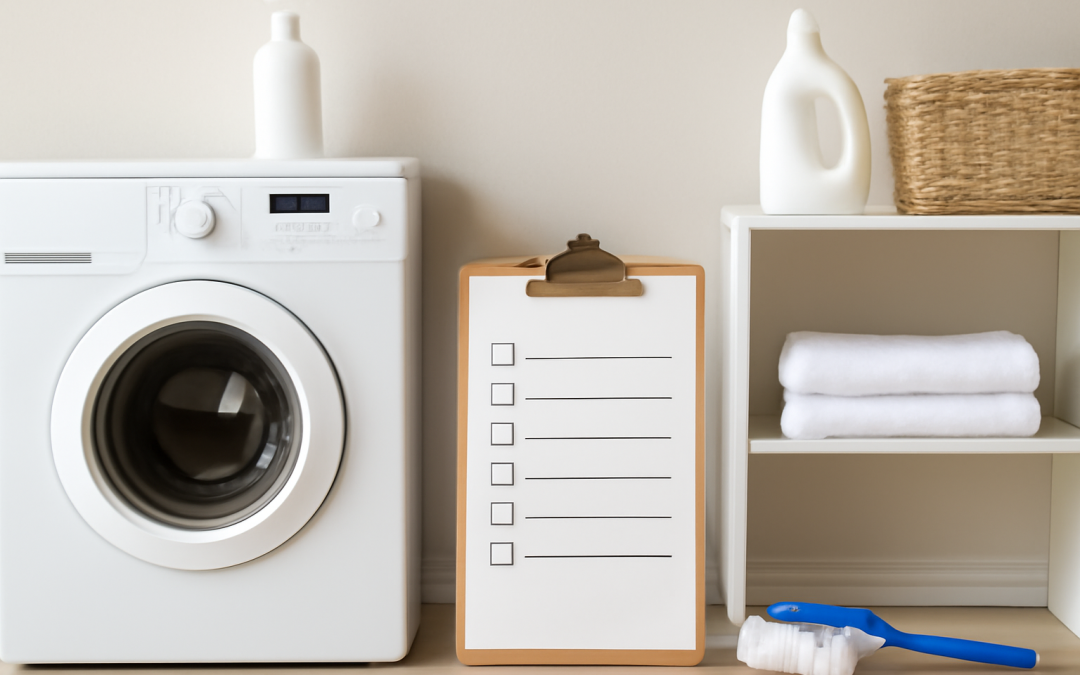
Maintaining a clean, efficient laundry area is essential not only for ensuring your clothing comes out fresh and spotless but also for prolonging the life of your appliances and preventing costly repairs. A laundry room that is well-maintained can greatly enhance your home’s overall functionality, making what is often a mundane chore much more manageable and less stressful. With regular attention and a thorough checklist, homeowners can keep their laundry space organized, safe, and fully operational, reducing the likelihood of breakdowns and inefficiencies.
One of the most critical tasks in this process is routinely inspecting appliances for wear and tear. Washing machines and dryers endure significant strain with every load, so understanding the condition of hoses, belts, and seals is paramount. For washing machines, checking the water inlet hoses for signs of brittleness or leaks can prevent unexpected flooding. Rubber hoses, in particular, should be replaced every five years or sooner if any cracks or bulges appear. Dryers, on the other hand, require inspection of the exhaust vent and lint trap to avoid fire risks and maintain optimal drying efficiency.
Cleaning is another foundational component. Laundry machines often harbor mildew and detergent residues that can affect performance and emit unpleasant odors. Running a maintenance wash cycle with a specialized cleaner can remove buildup inside the washing machine tub and detergent dispensers. Dryers need monthly lint removal from the lint trap as well as a more thorough cleaning of the exhaust ducts to maximize airflow. If the ducts are restricted, drying times increase, energy consumption rises, and the appliance experiences unnecessary wear.
The surrounding space of the laundry room also demands attention. Clutter can accumulate quickly, blocking access to machines and creating tripping hazards. Keeping detergent, fabric softener, and other supplies organized not only streamlines the laundry process but reduces the chance of spills or accidents. Additionally, the flooring and walls of the laundry area should be regularly cleaned and inspected for signs of water damage or mold. Moisture can often collect under or behind machines, leading to more severe issues if not addressed promptly.
Proper ventilation within the laundry room plays a significant role in maintenance and household safety. Many laundry rooms lack adequate airflow, which can lead to excess humidity and a rapid growth of mildew or mold on walls and other surfaces. Ensuring that the dryer vent exhausts to the outside and is free from obstructions allows moisture and hot air to escape efficiently. If the laundry room lacks natural ventilation, installing a range hood or exhaust fan can make a major difference in reducing indoor humidity levels, protecting both your home and appliances.
Water shutoff valves for washing machines are frequently overlooked but should be tested regularly to confirm they are functioning correctly. A faulty or stuck valve can result in flooding or leaks, potentially causing significant damage. Being familiar with how to quickly shut off the water supply in the event of an emergency can save time and reduce water waste. Moreover, ensuring that the valves turn smoothly and are not corroded can prevent costly repairs down the line.
Electrical outlets and cords in the laundry area are exposed to water and humidity, which increases the risk of electrical hazards. It is important to periodically inspect power cords for signs of wear, such as fraying or exposed wires, and make sure that outlets are properly grounded. Using a Ground Fault Circuit Interrupter (GFCI) outlet near the water sources adds an essential safety barrier against shocks and electrical fires. If any outlet or cord appears damaged, it should be replaced or repaired by a professional electrician immediately.
Another factor that can affect the longevity of laundry machines is balanced and level placement. A washing machine that is not leveled can cause excessive vibrations during cycles, leading to noise and premature wear of internal components. Using a spirit level or adjusting the machine’s feet can ensure it sits evenly on the floor. The dryer should also be placed on a firm foundation to prevent shifting which can damage the internal drum or vent arrangements.
Detergent usage and water temperature settings are small details that impact not only washing effectiveness but also long-term maintenance. Excess detergent can cause residue to build up inside the machine, damaging seals and gaskets over time. Carefully measuring detergent according to load size and soil level helps prevent these issues. Additionally, regularly using hot water cycles for heavily soiled items and occasional sanitizing washes can reduce bacteria and extend the freshness of the laundry machine.
Water hardness can also influence both maintenance and cleaning results. Hard water contains minerals that may create deposits inside washing machines and on clothes, diminishing washing performance and causing blockages. Installing a water softener or using detergent formulated for hard water can mitigate these problems and keep your appliances running smoothly.
Proper lighting is another aspect often neglected in laundry rooms, yet it greatly assists in the maintenance process. Ample light allows for easy identification of lint, spills, or leaks and supports safe maneuvering around heavy appliances. If natural light is limited, consider installing bright, energy-efficient fixtures that illuminate all corners of the space. Good lighting also makes it easier to keep the area tidy and detect early signs of wear or damage.
Beyond the appliances and immediate environment, the laundry room’s plumbing system needs consideration. Occasional clogging of drains can occur from lint and detergent buildup, leading to slow drainage and water pooling. It is important to clean out any accessible filters and ensure that plumbing lines remain clear. In the case of persistent drainage issues, professional assistance is advisable to prevent overflow and maintain proper water flow.
Storage solutions tailored to the laundry room can enhance workflow and maintenance. Incorporating shelves or cabinets above or beside machines keeps cleaning products elevated and away from moisture. Containers with tight lids also prevent detergent powders or liquids from spilling or becoming contaminated. Furthermore, dedicated bins for laundry sorting or trash help maintain overall room order and reduce clutter.
Seasonal maintenance is another vital component for a laundry room checklist. During colder months, particular care should be taken with the washer’s hoses and plumbing to prevent freezing and bursting. Insulating exposed pipes or relocating appliances away from cold exterior walls can protect against freezing temperatures. Additionally, evaluating the dryer venting system annually to ensure it is still securely connected and unobstructed can preempt issues related to weather changes.
Many modern washing machines come with self-cleaning cycles or maintenance reminders built into their digital interfaces. Utilizing these features can help establish routine care and remind users to perform necessary tasks such as filter cleaning or drum sanitizing. Many dryers also have lint trap sensors or alerts indicating when more extensive cleaning is required. Keeping up with these technology-assisted cues integrates smoothly with a manual maintenance schedule.
Sometimes, addressing minor repairs early can prevent larger, more expensive problems. Small leaks, squeaks, or unusual noises should never be dismissed. Investigating and fixing such issues promptly can keep appliances running at peak efficiency and avoid total breakdowns. Developing a habit of routinely listening and observing laundry machines during operation allows early identification of potential concerns.
In addition to household maintenance efforts, scheduling professional inspections every couple of years can be immensely valuable. Technicians can perform detailed checkups on appliance motors, heating elements, seals, and electrical components, detecting hidden faults that are not visible or audible to the average homeowner. Regular professional servicing complements personal upkeep by adding expertise and extending the lifespan of major appliances.
A well-maintained laundry environment contributes indirectly to the longevity of clothing and household textiles. Machines that function properly, with clean filters and efficient water flow, ensure thorough rinsing and agitation, which helps preserve fabric fibers. Preventing mold growth in machines through regular cleaning also protects clothes from musty odors. By keeping laundry facilities in prime condition, you are investing in the quality of your wardrobe as well.
Energy efficiency is closely linked to maintenance routines. Machines with clogged vents or leaking hoses consume more electricity and water to achieve desired results. Reducing energy and water waste through proper upkeep supports household budgets and environmental goals. Monitoring utility bills for unusual spikes can indicate when appliances may need maintenance or adjustment.
Safety protocols are an integral part of laundry room care. Flammable items should never be stored too close to dryers, whose heat can ignite combustibles exposed to lint. Operating appliances according to manufacturer guidelines minimizes risks. If the laundry room houses other equipment like water heaters or electrical panels, ensuring these areas remain accessible and free from obstruction is vital for emergency preparedness.
Finally, creating a tailored laundry room maintenance checklist based on the specific models and layout of your space is the most effective way to stay organized. Different machines may have unique maintenance needs and recommended service intervals. Taking time to consult user manuals and incorporate personalized reminders will help maintain a consistent routine.
Consistent upkeep of the laundry space and appliances plays a crucial role in household management, comfort, and safety. By prioritizing routine inspections, thorough cleanings, proper organization, and seasonal adjustments, homeowners can ensure that the laundry routine remains seamless and efficient. A methodical approach to caring for this vital room prevents costly repairs, reduces hazards, and enhances the overall quality of daily life, reaffirming that the time invested in maintenance yields lasting benefits.