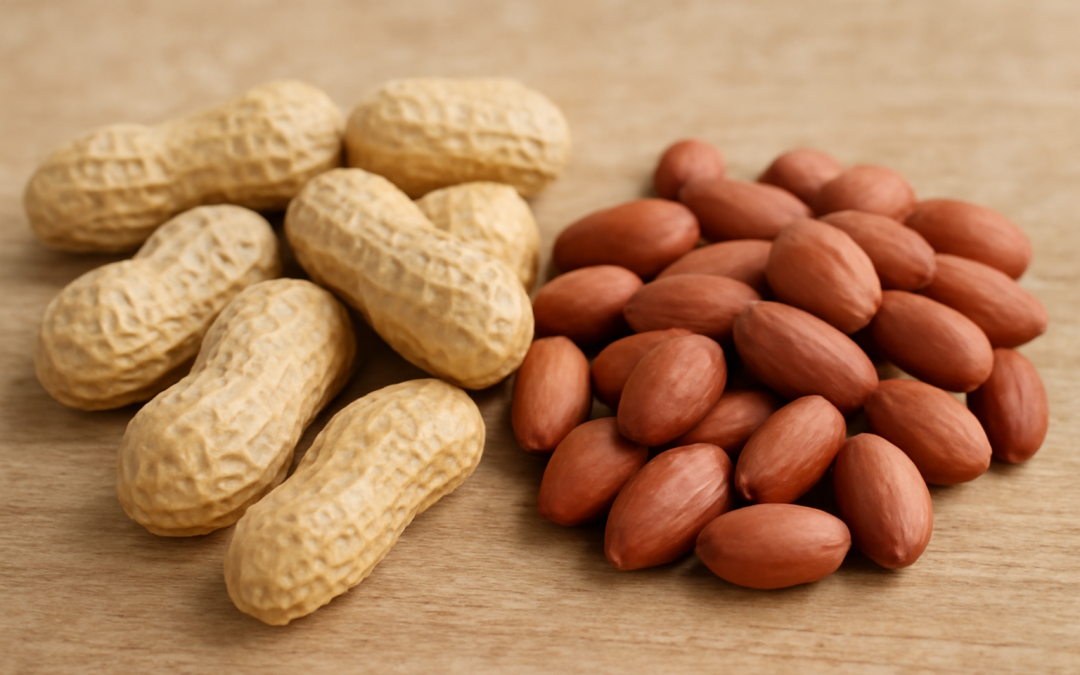
When you stroll down the aisle of your local grocery store, the peanut section is often found alongside other nuts such as almonds, walnuts, and cashews. Because of their similar culinary uses and common association with nuts, many people automatically categorize peanuts as nuts. However, despite their name and exterior appearance, peanuts are scientifically not true nuts. This distinction arises from the way they grow and their botanical classification, setting them apart in the plant kingdom.
The primary reason peanuts differ from other nuts lies in their growth habit. True nuts, such as walnuts or hazelnuts, grow on trees and are hard-shelled fruits. Peanuts, on the other hand, grow beneath the soil in pods. After the peanut plant flowers above ground, the fertilized flower stalk bends downward and pushes the developing seed pods into the earth, where the peanuts mature underground. This unique growing process is a hallmark of legumes rather than nuts.
Legumes are a family of plants that bear fruit in pods, which typically split open on two sides when mature. Beans, lentils, peas, and peanuts all belong to this group. The legumes are distinct from nuts not only by how their fruit develops but also by their seed structure and nutritional content. For instance, legumes often have a higher protein content and contain unique compounds such as lectins and phytates, which are either absent or less prominent in nuts.
Peanuts belong to the botanical family Fabaceae, or Leguminosae, which is the same family that includes plants like soybeans and chickpeas. This categorization is based on the plant’s reproductive features, seed formation, and pod structure. Meanwhile, true nuts belong to various families but generally are hard-shelled, indehiscent fruits, meaning they do not split open to release their seed naturally. Examples include acorns from oaks and chestnuts.
From a nutritional standpoint, peanuts share many traits with tree nuts, which is why they are often grouped together in dietary contexts. Both are rich in fats, particularly heart-healthy monounsaturated and polyunsaturated fats, and provide significant amounts of protein and fiber. They also are good sources of vitamins and minerals, such as vitamin E, magnesium, and potassium. These similarities contribute to the culinary and dietary interchangeability in many recipes and snack mixes.
However, subtle differences do exist in their nutritional profiles. For example, peanuts tend to have a slightly higher protein content per serving than many tree nuts, which adds to their popularity as a plant-based protein source. On the downside, peanuts have a different composition of fatty acids and phenolic compounds, which contribute both to their health effects and their susceptibility to issues like aflatoxin contamination, a type of mold toxin that can develop in improperly stored peanuts.
Allergies also highlight the differences and the confusion surrounding peanuts and tree nuts. Peanut allergy is one of the most common food allergies worldwide, and it often manifests with severe reactions. Although some people allergic to peanuts also react to tree nuts, many do not, which underscores the biological distinction between these groups. Recognizing that peanuts are legumes influences how allergists approach testing and treatment.
The culinary versatility of peanuts has further entrenched their identity as nuts in popular culture. Peanut butter, peanut oil, roasted peanuts, and their use in savory and sweet dishes all contribute to a common perception. This cultural and practical association often overshadows the scientific truth, making the botanical clarification somewhat lost outside specialist circles.
Historically, the peanut’s journey into human diets also shaped its identity. Native to South America, peanuts were a staple crop for indigenous peoples long before Europeans cultivated other nuts on new continents. Their ease of cultivation, nutritional value, and storage capabilities made them an important crop across various regions, especially in parts of Africa and Asia. As a result, they became a daily food for millions, enhancing their status alongside tree nuts.
In agriculture, peanut cultivation differs significantly from tree nut farming. Peanuts are typically grown as annual crops in warm climates and require well-draining soils for the development of underground pods. Tree nuts are perennial crops, harvested from mature trees, which take several years to reach nut-bearing age. This difference affects farming practices, economics, and the environmental impact of growing peanuts versus tree nuts.
Understanding that peanuts are legumes rather than nuts also opens a broader conversation about plant families and their roles in human nutrition. Legumes have been a cornerstone of human diets for millennia, prized both for their protein content and their ability to enrich soils through nitrogen fixation. Unlike tree nuts, peanuts contribute to soil fertility by returning nitrogen to the earth, reducing the need for synthetic fertilizers in crop rotations.
From an evolutionary perspective, peanuts’ unique underground maturation likely provided advantages in certain climates. By hiding their seeds beneath the soil, peanuts may avoid pests and environmental stresses more effectively than nut trees, which are exposed to wind, birds, and insects. This adaptation underscores the diversity of strategies plants have developed to reproduce and protect their progeny.
For consumers, distinguishing peanuts as legumes rather than nuts can be beneficial for both health and awareness reasons. Those with nut allergies but no peanut allergies can enjoy peanuts safely, while individuals with peanut allergies can avoid both peanuts and legumes that might cross-react. Additionally, sourcing and labeling laws often rely on these biological distinctions to inform consumers and regulate food safety.
Furthermore, the industrial uses of peanuts extend beyond food. Peanut oil is a valuable commodity in cooking due to its mild flavor and high smoke point. The plant’s biomass can be used for livestock feed or biofuel production. These multifunctional uses reflect the versatility of peanuts as a legume crop rather than simply as a “nutty” snack.
Scientific research continues to explore the health benefits and risks associated with peanuts. Studies on cardiovascular health often highlight the benefits of nut and legume consumption, showing linkages to reduced risks of heart disease and type 2 diabetes. However, researchers also investigate aflatoxin exposure, peanut allergies, and the bioavailability of peanut nutrients, underscoring the complex relationship between humans and this seemingly simple plant.
The culinary identity of peanuts as nuts persists largely because of tradition, taste, and marketing. Food industries bundle peanuts with tree nuts to create variety packs, promote peanut butter as a nut butter, and emphasize their shared sensory qualities. This enduring association keeps the botanical facts at the background of public awareness, where peanuts remain a tasty, familiar snack and a symbol of healthy eating.
In conclusion, while commonly assumed to be true nuts, peanuts actually belong to the legume family, distinguished by their unique growth habit, pod structure, and biological characteristics. This botanical reality influences their nutritional properties, agricultural practices, allergy considerations, and even culinary roles. Appreciating the true identity of peanuts enriches our understanding of the diversity in the plant world and helps consumers make informed choices about what they eat. Recognizing peanuts as legumes rather than nuts does not diminish their popularity or nutritional value; rather, it highlights the intricate and fascinating diversity of the foods that sustain us every day.