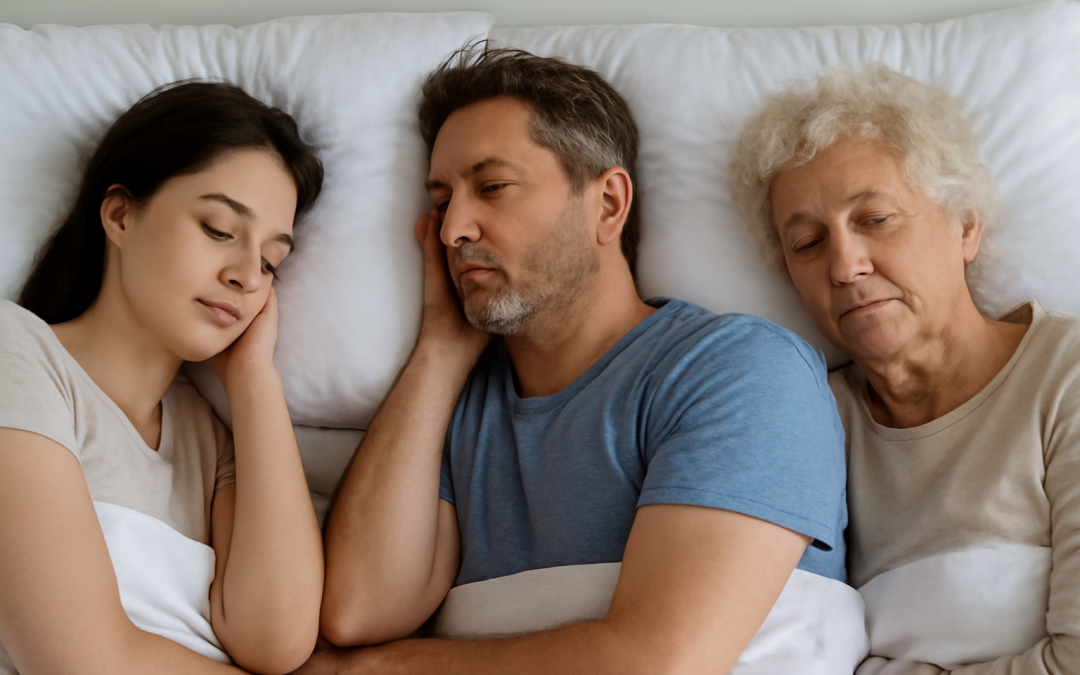
Sleep is a vital component of human health, influencing everything from cognitive function to physical well-being. However, the nature of sleep is not static throughout life; it evolves significantly with age. Understanding how sleep changes with age can illuminate many of the challenges older adults face and highlight strategies to promote restful and healthful sleep across the lifespan.
In infancy and early childhood, sleep patterns are vastly different from those of adults. Newborns often sleep up to 16 to 18 hours per day, though this sleep is broken into short intervals due to frequent awakenings for feeding and comfort. As children grow, the total sleep time gradually decreases, and more consolidated nighttime sleep emerges. By adolescence, sleep architecture — the structure of sleep stages throughout the night — closely resembles that of adults, but the timing and duration can still differ due to biological and social factors.
During adolescence, many individuals experience a natural shift in their circadian rhythm, the internal biological clock that regulates the sleep-wake cycle. This shift often leads to a preference for later bedtimes and waking times, a phenomenon sometimes called “delayed sleep phase.” Although this is typical for teenagers, it can clash with school schedules, resulting in chronic sleep deprivation. Despite this, adolescents generally require around 8 to 10 hours of sleep per night to support rapid physical growth, cognitive development, and emotional regulation.
As adults move into middle age, sleep patterns begin to change more noticeably. The amount of deep, restorative sleep—known as slow-wave sleep—tends to decrease, and awakenings during the night become more frequent. Insomnia, characterized by difficulty falling asleep or staying asleep, becomes more common. Life stressors such as work demands, parenting, or caregiving responsibilities often contribute to these disturbances, compounding natural physiological changes. Although many adults may feel less sleepy during the day, the cumulative effect of imperfect sleep can diminish cognitive performance and mood.
By the time individuals reach their senior years, sleep undergoes more pronounced alterations. Older adults typically need roughly the same amount of sleep—around seven to eight hours per night—as younger adults, but achieving the same quality is a different matter. The proportion of light sleep increases, while both deep sleep and REM (rapid eye movement) sleep decrease. This shift tends to produce fragmented sleep with frequent awakenings, often accompanied by a decline in total sleep time.
One significant factor contributing to altered sleep patterns in older adults is the change in circadian rhythms. The biological clock advances in many seniors, causing them to feel sleepy earlier in the evening and awaken earlier in the morning—sometimes well before they intend to. This “phase advance” can make sleep feel less restorative and may contribute to daytime fatigue or napping. Napping during the day itself can disrupt nighttime sleep further, creating a challenging cycle.
Medical conditions prevalent among older populations also influence sleep quality. Chronic pain, arthritis, cardiovascular disease, and respiratory disorders can cause discomfort or breathing difficulties during the night. Additionally, conditions like restless leg syndrome and sleep apnea are more common, which fragment sleep and reduce its restorative stages. The use of medications to manage these health issues may also interfere with sleep architecture, compounding difficulties in achieving uninterrupted rest.
Mental health factors play a crucial role, too. Anxiety and depression, although not exclusive to older adults, often present uniquely in this age group and can severely disrupt sleep. The loss of loved ones, social isolation, or the stress of declining physical health may contribute to these psychological challenges. Insomnia in older adults is frequently multifactorial, requiring a comprehensive approach that addresses emotional well-being as well as medical conditions.
Aging also affects the body’s homeostatic regulation of sleep, meaning the drive to sleep after being awake for a certain amount of time becomes less pronounced. This can result in lighter sleep and more frequent transitions between sleep stages, making it easier to wake. The overall effect is a reduction in sleep efficiency—the percentage of time spent in bed actually asleep—contributing to the perception of poor sleep quality.
Despite these challenges, there are effective strategies to promote better sleep at all stages of life, but especially in older age. Maintaining a consistent sleep schedule helps reinforce the circadian rhythm, encouraging the body to anticipate sleep at regular times. Creating a relaxing bedtime routine and optimizing the bedroom environment for comfort and minimal disturbances also support healthy sleep.
Physical activity plays a vital role in promoting good sleep. Regular exercise can increase the amount of deep sleep and reduce the time it takes to fall asleep. However, the timing of exercise matters; vigorous activity too close to bedtime can be stimulating rather than relaxing, so it is better suited earlier in the day. Additionally, exposure to natural light during daytime helps anchor the internal clock, especially beneficial for older adults whose circadian rhythms have shifted.
Dietary habits can influence sleep quality as well. Consuming large meals, caffeine, or alcohol near bedtime can interfere with falling asleep and staying asleep. While alcohol may initially induce sleepiness, it disrupts REM sleep and can lead to fragmented sleep patterns. Staying hydrated is important, but limiting fluid intake in the evening can reduce disruptive nighttime bathroom trips.
In some cases, older adults may benefit from consulting with healthcare professionals specializing in sleep medicine. Sleep studies can diagnose disorders such as sleep apnea or periodic limb movement disorder, which require targeted treatments like continuous positive airway pressure (CPAP) therapy or medication. Cognitive-behavioral therapy for insomnia (CBT-I) has shown excellent results in improving sleep without relying on medications, which can carry risks of dependence or adverse effects.
It is essential to recognize that changes in sleep with age are a normal part of the aging process, yet they need not severely compromise quality of life. Older adults who prioritize sleep hygiene, manage health conditions effectively, and seek professional help when necessary can maintain restful sleep that supports their physical and mental health.
Moreover, understanding the evolving nature of sleep fosters empathy within families and communities for the sleep struggles faced by seniors. Respecting differing sleep needs and creating supportive environments can contribute greatly to well-being. In this way, the community at large plays a role in promoting healthy aging through better sleep.
In summary, the journey of sleep across the lifespan is characterized by significant biological and behavioral changes. Although sleep typically becomes lighter, more fragmented, and sometimes shorter with advancing age, these changes can be managed proactively. By recognizing the factors that influence sleep and adopting evidence-based strategies, individuals can continue to enjoy the many benefits that restful sleep provides well into their later years. This understanding encourages a compassionate, informed approach to the sleep challenges commonly encountered across the human experience.