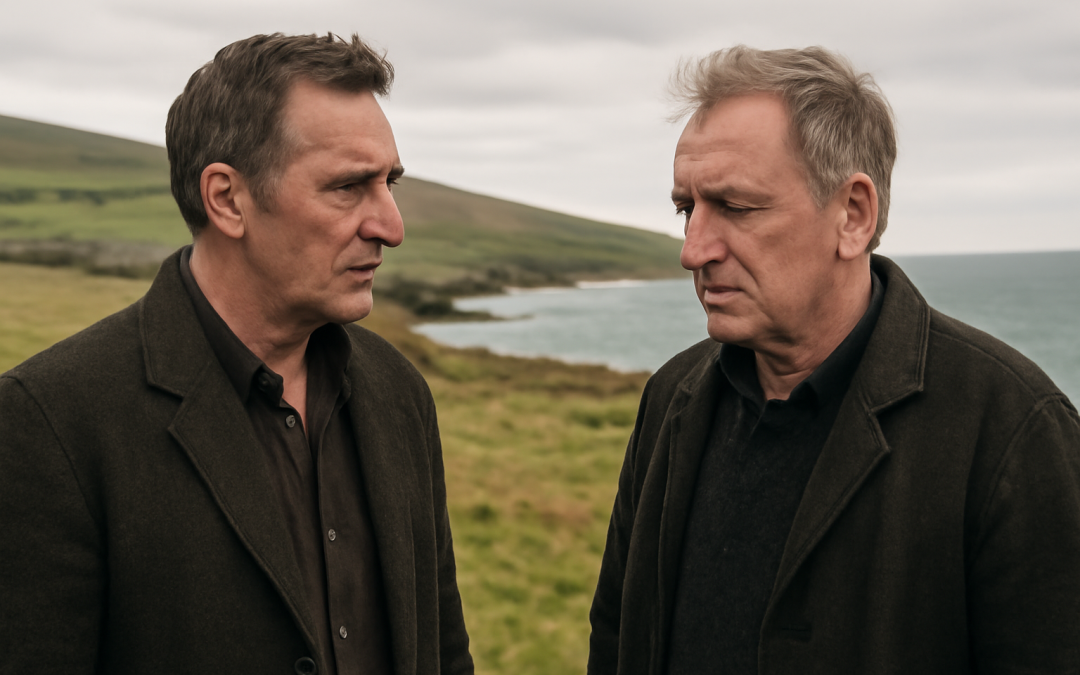
The Banshees of Inisherin is a haunting exploration of friendship, loss, and the human condition, set against the backdrop of a remote Irish island. From the very first moments, the film immerses the viewer in a stark, almost otherworldly setting, where the natural beauty of the landscape contrasts sharply with the emotional turmoil unfolding between the two central characters. This tension between the serene environment and the devastating breakdown of a once-cherished relationship creates a profound narrative that lingers long after the credits roll.
At the heart of the story are two lifelong friends, Colm and Pádraic, whose lives have become deeply intertwined by years of shared experiences and local traditions. Their bond is portrayed with an authenticity that feels both intimate and universal, reminiscent of the complexities found in any longstanding human connection. The decision by Colm to suddenly sever their friendship—without adequate explanation or reconciliation—acts as the catalyst for the film’s intense emotional journey. What begins as confusion and disbelief gradually spirals into sorrow, bitterness, and an examination of what it means to be truly heard and understood by another person.
The screenplay deftly unpacks themes of communication and isolation, highlighting how silence and misunderstanding can become weapons in the unraveling of relationships. Colm’s need to withdraw from the friendship stems from his desire to focus on his own sense of purpose and creativity, unwilling to engage in what he perceives as the uselessness of their companionship. Meanwhile, Pádraic’s inability to grasp the sudden change reflects a more universal struggle: the terror of abandonment and the desperation to preserve familiar connections even when they seem to be slipping away. This emotional tug-of-war is rendered with painstaking subtlety, both in dialogue and in the nuanced performances of the cast.
The portrayal of the island community itself is another layer rich with symbolism and social commentary. Inisherin’s isolation mirrors the characters’ emotional solitude, emphasizing the claustrophobic nature of living within rigid societal confines that resist change. The local townsfolk, with their gossip and traditions, act almost like a chorus, underlining the pressure placed on individuals to conform and the harsh judgment that accompanies deviation. The setting is not merely a picturesque backdrop—it breathes and pulses with meaning, reinforcing the film’s exploration of loneliness and belonging.
Visual storytelling plays a significant role in conveying the emotional landscape of the narrative. Director Martin McDonagh employs a restrained yet evocative aesthetic, using the muted hues of the island and the rhythmic sound of crashing waves to evoke a mood that is at once melancholic and poetic. Scenes of quiet reflection and stillness are juxtaposed with moments of sudden emotion, creating an ebb and flow that captures the unpredictability of human relationships. This visual poetry amplifies the script’s thematic concerns without ever overwhelming the audience or resorting to melodrama.
Performance-wise, the film benefits immensely from the understated desperation and careful emotional layering brought to life by its leads. Colin Farrell’s portrayal of Pádraic is tender and vulnerable, capturing a man caught off guard by heartbreak and desperate to cling to what he has lost. Brendan Gleeson, as Colm, delivers a performance steeped in quiet dignity and tragic resolve, embodying a character who feels the weight of his decision even as he distances himself to protect his own sanity. Their chemistry carries the emotional heft of every scene, making their fractured friendship feel wholly believable and devastatingly real.
The narrative structure smartly combines moments of dark humor with tragedy, a hallmark of McDonagh’s storytelling style. The moments of levity act as a release valve, preventing the film from descending into hopelessness while also highlighting the absurdity inherent in human conflicts. This balance between comedy and sorrow enriches the viewer’s experience, making the pain more acute and the humor more bittersweet. It reminds us that even in the depths of despair, life carries on with an odd blend of cruelty and kindness.
One of the most compelling elements of the film is its refusal to provide easy answers or neat resolutions. The ending is deliberately ambiguous, underscoring the complexities of human emotions and the sometimes irreparable damage caused by broken trust. The story leaves audiences reflecting on the tragic nature of pride, regret, and the chokehold of societal expectations on personal happiness. In this way, the film transcends a mere tale of friendship lost and transforms into a profound meditation on the fragility of human connection and the costs of emotional repression.
Moreover, the film examines masculinity and vulnerability, challenging traditional archetypes through its characters and their interactions. Colm’s withdrawal is as much about reclaiming his identity as it is about rejecting what the friendship demands of him. Pádraic’s emotional exposure defies the stoic mask often expected of men in similar cultural contexts, offering a nuanced look at the pain men hide behind gruff exterior. This gendered dimension adds further layers to the narrative, inviting conversations about emotional honesty and the constraints imposed by societal norms on expression.
The Banshees of Inisherin also uses metaphor and folklore to deepen its themes. The titular “banshees” invoke the haunting presence of grief and forewarning, voices that symbolize the inescapable nature of sorrow and the inevitability of loss. This ethereal quality infuses the film with a mythic resonance, aligning personal betrayal with larger forces of fate and memory. It is a reminder that while the story is deeply personal, its implications reverberate on a collective, almost timeless level.
The film’s sound design and score are integral to its emotional impact, subtly underscoring the shifts in tone and mood without overwhelming the narrative. The natural sounds of the island—the wind, the sea, the rustling of leaves—create an immersive atmosphere that grounds the story in reality, while the sparse musical cues accentuate moments of tension and introspection. This careful soundscape contributes significantly to the film’s contemplative pace, enabling the viewer to sink deeply into the characters’ internal worlds.
The impact of the film is further heightened by its exploration of choice and consequence. Colm’s decision to end the friendship is portrayed not just as a personal act but as a pivotal moment with wide-ranging ramifications. This raises questions about responsibility and the moral complexities of prioritizing one’s own needs at the expense of others. The characters are not painted in black and white; instead, they inhabit a space of moral ambiguity that resists simple judgment, encouraging empathy for the flawed and the broken.
The supporting cast, while not occupying the central spotlight, enrich the narrative by embodying the social fabric of the island. Their reactions and gossip add texture, conveying the weight of communal opinion and the suffocating nature of small-town existence. These interactions reinforce the theme that isolation is not only geographical but also social and emotional. The tension between individual desire and collective expectation is a persistent undercurrent that shapes the characters’ choices and the story’s trajectory.
In its exploration of friendship ending, the film poignantly captures the sensation of time losing its hold. The years of shared history and intimate familiarity become shards of memory that are simultaneously comforting and painful. The unraveling friendship feels like a slow-motion tragedy, marked by missed opportunities for reconciliation and growing emotional distance. This portrayal evokes a deeply human experience: the silent heartbreak of losing someone who was once a defining part of your identity.
Another compelling aspect lies in the film’s ability to depict grief without spectacle. The pain that Pádraic suffers is not dramatized through grand gestures but felt in small, quiet moments: a lingering glance, a heavy pause, a faltering attempt at conversation. This understated approach lends a raw authenticity to the emotional narrative, allowing the viewer to step directly into the characters’ internal struggles. It is a masterclass in subtlety, demonstrating how the most profound truths are often found in the spaces between words.
Technically, the film is also a triumph. The cinematography captures the island’s rugged beauty with a painterly eye, offering compositions that evoke both isolation and sublime tranquility. Lighting plays a crucial role in setting the tone, often using natural sources like candlelight and the muted glow of dawn or dusk to create an intimate environment. These visual choices enhance the storytelling, turning the landscape into a character of its own and framing the emotional drama within a world that feels both timeless and immediate.
The pacing of the narrative is deliberate, allowing the story to breathe and the complexities of character development to unfold naturally. This slow-burning approach may challenge those accustomed to faster-moving plots, but it is precisely this quality that renders the emotional payoff so profound. As the friendship deteriorates, the audience is given space to feel the weight of each interaction and the growing chasm between the two men. The patience required to engage with this pacing is rewarded with a deeply affecting experience.
Dialogue in the film is another notable feature, marked by its simplicity and economy. Conversations between characters often carry a subtext that hints at deeper conflicts and unspoken feelings. This layer of meaning invites multiple viewings and analysis, as viewers can pick up on the nuances of tone, hesitation, and implication. The script’s deftness in handling complex emotions through everyday language is one of the film’s greatest strengths, making the pain and confusion of the characters all the more relatable.
The emotional core of the story resonates universally. Though set in a very particular place and time, the film speaks to anyone who has grappled with the pain of losing a close relationship and the struggle to reconcile memories with present realities. Its meditation on the impermanence of connection and the inevitability of change invites reflection on how friendships evolve and sometimes end, even when both parties may still care deeply. This bittersweet acknowledgment of human fragility is what elevates the narrative beyond its regional setting.
Further, the film encourages introspection about the roles we play in each other’s lives and the sometimes unseen impact of our decisions on those around us. Colm and Pádraic’s story is a poignant reminder that friendships are living entities, susceptible to neglect, misunderstanding, and the shifting tides of emotion. It underscores the importance of communication and the courage required to confront difficult truths, even when that confrontation threatens to dismantle the foundation of a relationship.
In conclusion, the film is a masterful portrait of friendship ending, rendered with depth, grace, and emotional honesty. Its unique blend of beauty, tragedy, and dark humor creates a cinematic experience that is both intellectually engaging and profoundly moving. By embracing the complexity of its characters and the inevitability of change, the story offers no easy resolutions but instead presents a truthful exploration of loss and the human spirit. It stands as a testament to the power of film to capture the subtleties of life’s most painful moments and to provoke empathy and reflection on the ties that bind us.