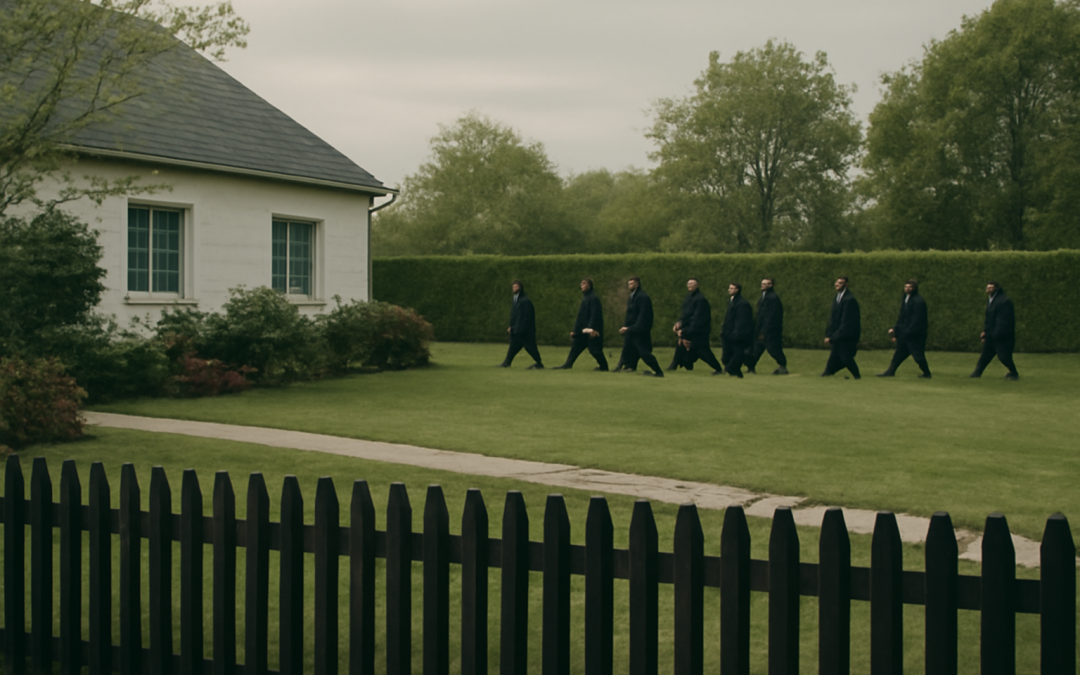
At first glance, the horror in normalcy is perhaps one of the most unsettling concepts modern cinema can embrace. This chilling reality is masterfully explored in a recent film that captures not just the terrifying events themselves, but the eerie banality with which they unfold. What makes this portrayal so unnerving is the juxtaposition between the grotesque nature of the story and the mundane, everyday settings in which it takes place. The film forces viewers to confront how horror can be embedded in ordinary life, revealing a world where evil does not always wear a mask or issue a warning, but instead hides behind the facade of routine and civility.
This narrative strategy elevates the film beyond conventional horror, tapping into psychological depth and historical gravity. By placing horrific events in environments that appear, at first glance, astonishingly normal—suburban houses, office buildings, elementary schools—the film disorients the audience. It disrupts the comfortable notion that safety lies in familiarity, demonstrating how ordinary contexts can harbor unspeakable atrocities. The underlying tension compounds as viewers are drawn into a dialogue about human nature, societal structures, and moral ambiguity, making the horror feel not only palpable but deeply thought-provoking.
A critical aspect of this unsettling effect arises from the film’s tone and pacing. Rather than relying on jump scares or intense, supernatural elements common in mainstream horror, this story underscores the dread simmering beneath the surface of everyday interactions. It adopts a calm, measured pace, where silence and subtle gestures communicate more terror than loud chaos ever could. This restraint allows for a slow-burning unease that builds relentlessly, compelling viewers to peer carefully into each scene and question the true meaning behind character behaviors and settings. In doing so, the film invites the audience to engage intellectually and emotionally, rather than simply reactively.
The portrayal of its characters contributes significantly to the horror in normalcy. Instead of monstrous villains or supernatural entities, the film centers on seemingly average individuals—from bureaucrats and teachers to neighbors and family members—who become active or passive participants in a morally complex and horrifying scenario. These characters embody the terrifying realization that ordinary people, operating within systemic frameworks, can perpetuate immense cruelty. Their nuanced performances avoid caricatures or villainy for the sake of shock; instead, they humanize the horror, making it more relatable and thus more profound. This grounded human element encourages reflection on complicity, obedience, and the ease with which evil infiltrates daily life.
The setting itself serves as an essential character in the film’s exploration of horror in normalcy. The environments depicted—clean, orderly, often beautiful—are spaces viewers might recognize without suspicion. Such familiarity enhances the shock of the underlying violence and moral decay. It challenges preconceived notions about where danger resides and who is capable of committing atrocity. The contrast between setting and action highlights the strangely effective mechanisms that allow horrific systems to operate largely unnoticed. This duality enriches the narrative and visual storytelling, making every frame loaded with tension and historical weight.
Cinematography plays a pivotal role in amplifying this theme. The visual style is deliberately restrained, opting for long shots, static frames, and natural lighting to evoke a documentary-like authenticity. Such choices resist sensationalism, instead presenting scenes with clinical, almost cold objectivity. This approach aligns the audience’s gaze with that of a passive observer witnessing everyday life unspooling with its concealed horrors. The deliberate avoidance of dramatic or stylistic excess encourages viewers to focus on the content itself—the chilling normalcy beneath the surface—rather than be distracted by cinematic tricks. The result is a haunting visual narrative that lingers well after the credits roll.
Sound design further underlines the film’s unsettling atmosphere. Minimalist soundscapes punctuated by ambient noise—the hum of machinery, distant conversations, footsteps—generate a haunting sense of presence. The absence of a sweeping musical score reduces emotional manipulation, allowing the natural sounds to underscore the film’s themes of normalcy and indifference. This careful auditory balance immerses audiences in a world where horror is not announced by terrifying music or effects but emerges organically from the environment. The subtle yet impactful sound design complements the subdued visuals to create a holistic experience of dread rooted in familiar reality.
The screenplay is another critical element that enriches the portrayal of horror in normalcy. The dialogue is often sparse, understated, and laden with subtext, reflecting the repression and denial that allow such horrors to persist. Conversations seem banal at face value but often reveal disturbing insights into the characters’ values and justifications for their actions. The writing does not seek to moralize overtly; rather, it lets the audience decipher the ethical conundrums embedded within the text. This nuanced storytelling approach deepens the psychological impact, as viewers recognize how language and behavior in everyday life can mask complicity in evil.
Moreover, the film is an incisive commentary on systemic structures that facilitate atrocities under the guise of order and routine. It exposes the mechanisms through which institutions demand conformity, silence dissent, and dehumanize individuals. The horrors depicted are thus not isolated acts of violence but parts of larger, organized frameworks maintained by bureaucracy and social norms. These frameworks normalize cruelty through paperwork, rules, and rituals, rendering individuals both cogs in a machine and bystanders to suffering. The film’s focus on these mechanisms brings a sobering historical dimension, reminding viewers that horror can flourish not only in overt acts but in relentless, institutionalized normality.
The moral complexity presented challenges audiences to reflect on the nature of evil itself. By illustrating how horrific outcomes stem from ordinary choices, complicity, and social pressures, the story confronts the myth of evil as only a monstrous “other.” Instead, it suggests that normal people, within certain conditions, can perpetuate harm with disturbing ease. This realization is profoundly disquieting, forcing a reckoning with human capacity for both indifference and violence. The film does not offer easy answers or redemption but leaves audiences grappling with uncomfortable truths about history, society, and the potential darkness within all of us.
In performance and direction, there is a haunting subtlety that supports this complex narrative. The actors imbue their roles with a chilling restraint, avoiding melodrama and instead presenting layered, conflicted characters. The director’s vision emphasizes psychological realism and a pervasive mood of controlled tension, which heightens the film’s impact without resorting to sensationalism. This balance between artistic restraint and emotional depth is essential in maintaining the film’s focus on horror in normalcy rather than traditional horror tropes. The resulting atmosphere is one of suffocating normality that creeps steadily into dread.
The film’s ability to unsettle lies in its insistence that viewers recognize what lies beneath ordinary surfaces. It provocatively explores how societal systems can mask cruelty with administrative efficiency and how individuals abet this process through passive acceptance or willful ignorance. This theme echoes through every frame, dialogue, and character choice, creating a tightly woven tapestry of moral ambiguity and historical reflection. The audience emerges from the experience not just disturbed by the depicted horrors but compelled to consider the latent dangers within their own social realities.
With its unflinching gaze and careful craftsmanship, the film stands as a poignant examination of the quiet, often invisible nature of evil. It uses the strength of subtlety, intellectual rigor, and emotional insight to explore how horror emerges amid routine and civility. This approach provides a profound contribution to contemporary cinema, enriching the genre by showcasing that terror is not simply the product of supernatural or monstrous forces but can thrive in the most mundane aspects of everyday life. By doing so, the film challenges viewers to confront uncomfortable historical truths and examine their own roles in perpetuating or resisting systemic wrongs.
Ultimately, the film’s enduring resonance lies in its portrayal of horror as an intrinsic part of human history and social structures, rather than as an anomaly. It reminds us that the most terrifying realities may be hidden beneath surfaces we take for granted, requiring vigilance, empathy, and moral courage to unearth and oppose. It’s a stark message delivered through a compelling story—one that lingers long after viewing and urges reflection on the fragile boundaries between normalcy and nightmare. Such a profound exploration affirms the potency of horror in normalcy as a theme, elevating the film into a vital, unforgettable cinematic experience.