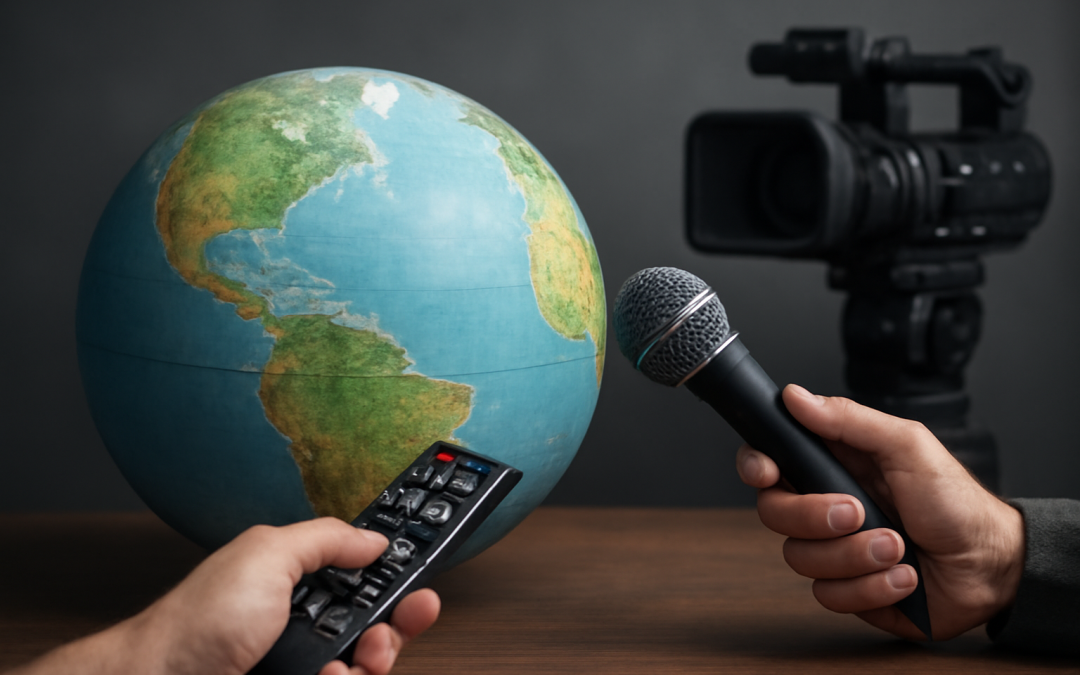
In today’s interconnected world, the flow of information and entertainment transcends borders like never before. Television programs, films, news outlets, and digital media platforms from dominant countries reach audiences worldwide, shaping perceptions, values, and cultural norms. This pervasive dissemination of media content across nations gives rise to a complex phenomenon known as media imperialism. At its core, media imperialism refers to the process by which powerful nations extend their influence over others through the control and distribution of media products, often resulting in significant cultural and ideological consequences.
The origins of media imperialism can be traced back to the post-World War II era, when media industries in the United States and Western Europe expanded rapidly. The United States, in particular, with its economic might and advanced technological infrastructure, emerged as the leading exporter of movies, television shows, music, and news. This dominance was further amplified by the rise of multinational corporations that owned and controlled vast media empires capable of distributing content globally. The outcome was a media landscape increasingly saturated with Western, especially American, cultural products. This asymmetry in media flows raised concerns about the erosion of local cultures and the imposition of foreign values on less powerful countries.
One of the fundamental mechanisms driving media imperialism is economic power. Media companies based in wealthy countries possess the capital and infrastructure to produce high-quality content that appeals to international audiences. Smaller or developing nations, lacking such resources, often rely on imports to meet their populations’ entertainment and informational needs. The effects can be profound: imported content frequently reflects the lifestyles, ideologies, and worldviews of the producing country, which may contrast sharply with local traditions and social norms. As a result, indigenous cultural forms can be marginalized or replaced, leading to a phenomenon sometimes described as cultural homogenization.
Beyond economics, media imperialism also operates through ideological influence. Media content is not merely a reflection of reality; it interprets and shapes it by prioritizing certain narratives, values, and perspectives. Western media, for example, often portray individualism, consumerism, and liberal democracy as universal ideals. When such messages are disseminated globally, they can subtly encourage audiences to question or abandon their own cultural practices in favor of alternative ways of thinking and living. This ideological penetration can alter societal values over time and has led to extensive debates about cultural sovereignty and resistance.
Technology plays a crucial role in facilitating media imperialism. The advent of satellite television, the internet, and digital streaming platforms has exponentially increased the reach of dominant media producers. Audiences in distant countries can now access international content instantly, often at the expense of local programming. While technological advancements have democratized media access in some respects, they have also made it easier for powerful media conglomerates to monopolize content distribution and shape global media culture according to their interests.
The impact of media imperialism extends beyond culture and ideology to affect politics and social development. Media are vital tools for public discourse, political education, and civic engagement. When media content is imported wholesale from foreign sources, it can skew public understanding of political issues or obscure local realities. Furthermore, foreign-controlled media can sometimes perpetuate stereotypes or misrepresentations, reinforcing unequal power relations between nations. This can undermine efforts to foster national identity and social cohesion, especially in countries undergoing political or economic transitions.
Critics of media imperialism emphasize the importance of media diversity and the protection of local cultural industries. Many countries have implemented policies such as content quotas, subsidies for local productions, and restrictions on foreign ownership of media outlets to counterbalance the dominance of imported media. These measures aim to promote cultural pluralism, preserve national heritage, and support creative industries. However, such strategies often face challenges in an increasingly globalized and digitalized media environment, where borders are porous and content circulation is difficult to regulate.
Additionally, audiences are not merely passive recipients in this process. They engage with media content in diverse ways, sometimes appropriating, adapting, or resisting foreign media messages. Local producers might blend global formats with indigenous elements to create hybrid content that resonates more strongly with domestic audiences. This process, known as glocalization, demonstrates that the relationship between global media flows and local cultures is dynamic and negotiated, rather than one-sided. Nevertheless, the overall imbalance in media production and distribution power remains a significant concern.
The relationship between media imperialism and globalization is complex. While globalization facilitates the exchange of ideas and cultural products worldwide, media imperialism highlights the unequal nature of this exchange. The dominance of certain countries in media production consolidates their cultural and economic influence, often at the expense of less powerful nations. Some scholars argue that media imperialism is a form of cultural colonization, where the dominance of Western media perpetuates historical patterns of economic and political dominance established during colonial times.
In recent years, the rise of new media players from non-Western countries has begun to challenge traditional media imperialism narratives. Nations such as China, India, and South Korea have developed robust media industries exporting their own culture globally. The Korean Wave, or Hallyu, exemplifies how a non-Western country can successfully project soft power through media imperialism of its own. These developments suggest a more multipolar media world, where multiple centers of media influence coexist and compete, potentially enriching the global media ecosystem.
Despite these emerging challenges to Western media dominance, the underlying dynamics of media imperialism remain relevant. Western media companies continue to control a significant share of global content distribution and technological platforms, wielding tremendous influence over global media audiences. The consolidation of media power in the hands of a few multinational corporations raises concerns about media pluralism, freedom, and access. Governments, civil society, and media professionals must therefore remain vigilant in promoting more equitable media flows and supporting local cultural expressions.
The implications of media imperialism are far-reaching, affecting not only media industries but also the very fabric of societies. It shapes how individuals and communities see themselves and others, influences social and political attitudes, and impacts cultural survival. As media continue to evolve and integrate deeper into everyday life, understanding the forces at play in media imperialism becomes essential for policymakers, scholars, and citizens alike. Only through deliberate and informed efforts can societies balance the benefits of global media exchange with the preservation of cultural diversity and autonomy.
In conclusion, media imperialism represents a powerful and complex process where dominant nations exert influence over others through media control and content dissemination. This phenomenon intertwines economic dominance, technological innovation, ideological influence, and cultural interactions, creating significant consequences for global communication and cultural identity. While new players and forms of resistance offer hope for a more balanced media environment, the entrenched structures and patterns of media imperialism continue to challenge the sovereignty of local cultures and societies. Understanding and addressing these challenges is crucial to fostering a media landscape that truly reflects the richness and diversity of our global community.