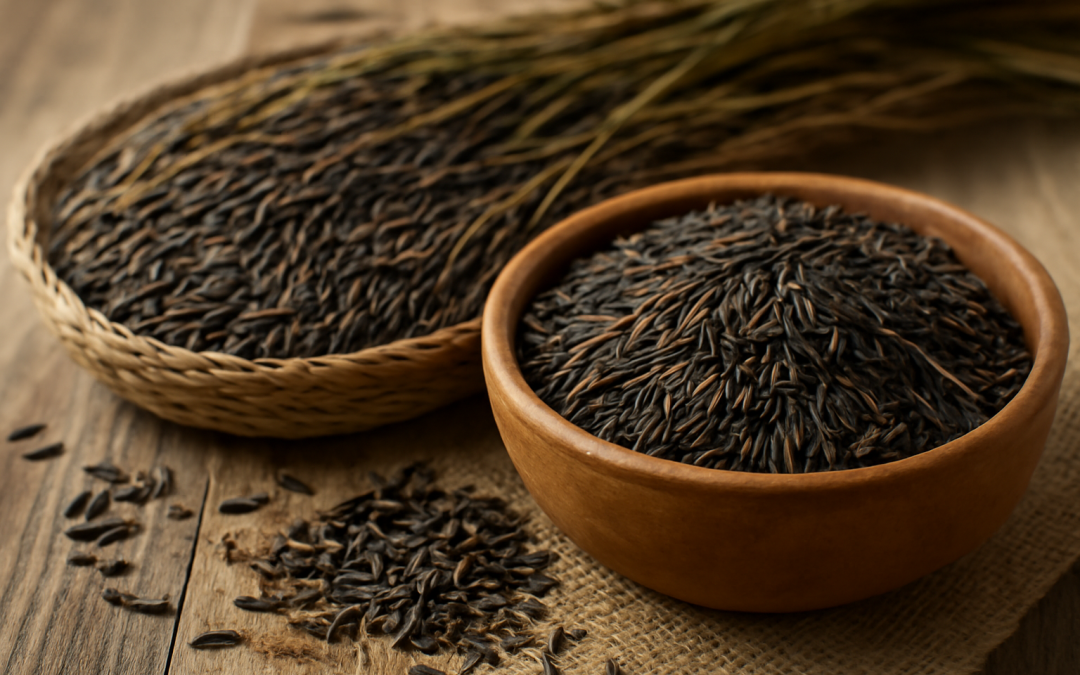
For countless generations, wild rice has served not only as a vital source of nourishment but also as a profound symbol of cultural identity and spiritual connection among Indigenous peoples in North America. Unlike the cultivated white and brown rice varieties commonly found in grocery stores worldwide, wild rice is a seed that grows naturally in the shallow waters of lakes, rivers, and wetlands, predominantly in the Great Lakes region and parts of the upper Midwest. Its deep-rooted presence in the ecosystems and traditions of Indigenous communities underscores its importance beyond mere sustenance. This unique grain, with its distinct nutty flavor and chewy texture, carries a rich history intertwined with stewardship of the land, respect for nature, and the preservation of cultural heritage.
Wild rice, scientifically known as Zizania palustris, is more than just a food item; it embodies an ecological relationship cultivated over centuries. Indigenous peoples developed traditional harvesting methods that ensure its sustainability and reflect a reverence for the environment. Canoe-based ricing expeditions, involving the careful knocking of mature rice grains from stalks into canoes, exemplify a harmonious human-nature interaction. This approach not only allows for a bountiful harvest but also ensures the survival of future crops, as unharvested grains remain to reseed the waters. These practices highlight the deep ecological knowledge embedded in Indigenous cultures, emphasizing balance rather than exploitation.
The significance of wild rice transcends its nutritional properties. It is closely linked to Indigenous legends and oral histories, often regarded as a sacred gift bestowed by the Creator. For many community members, the harvest season is a time of celebration and renewal, marked by ceremonies that honor the interconnectedness of life. These rituals infuse the act of gathering wild rice with profound spiritual meaning, reinforcing communal bonds and nurturing a sense of identity anchored in the land. Such connections illustrate how Indigenous foodways are inseparable from cultural resilience and continuity.
Nutritionally, wild rice offers impressive benefits. Packed with protein, fiber, vitamins, and minerals, it has sustained Native populations through harsh winters and periods of scarcity. Unlike many modern processed grains, wild rice is minimally processed, retaining its natural nutrients and fiber content. It serves as a staple that complements a diet rich in other wild foods such as fish, game, and native plants. The inclusion of this grain in traditional meals speaks to a deep understanding of seasonal availability, nutrition, and health passed down through generations.
The journey of wild rice from an Indigenous staple to a commercially popular grain is complex and layered. As demand has grown beyond Indigenous communities, wild rice has entered global markets, often detached from its cultural roots. This commercialization presents challenges, including issues about ownership, access, and sustainability. Some Indigenous groups have sought to protect their rights and maintain stewardship over wild rice beds, highlighting concerns about environmental degradation and water rights. The encroachment of industrial agriculture, pollution, and invasive species threaten the delicate ecosystems that support wild rice, complicating efforts to balance economic opportunities with environmental preservation.
Efforts to revive and sustain traditional wild rice practices have gained momentum within Indigenous communities. Educational programs, cultural revitalization initiatives, and environmental advocacy work hand in hand to protect this vital resource. These initiatives often emphasize not only the importance of preserving wild rice as a food but also the transmission of traditional knowledge systems that ensure respectful harvesting and ecosystem stewardship. By intertwining food sovereignty with cultural resurgence, Indigenous peoples reaffirm their roles as guardians of both heritage and habitat.
In addition to environmental and cultural dimensions, wild rice plays a role in economic development for many Indigenous nations. Community-run harvesting operations and small-scale processing facilities offer avenues for economic autonomy, allowing people to benefit from this natural resource within frameworks that respect traditional practices and communal values. By fostering sustainable business models, these initiatives help counter the exploitative dynamics often seen in resource extraction industries, providing both income and cultural affirmation simultaneously.
The stories of wild rice also challenge common perceptions of Indigenous peoples as relics of the past, instead revealing dynamic and evolving relationships with their environments. The continued cultivation and celebration of wild rice reflect adaptability and innovation, as communities navigate contemporary challenges related to climate change, land rights, and food insecurity. This resilience is rooted in an ancestral worldview that emphasizes reciprocity and respect, offering valuable lessons for broader societal efforts toward sustainability and ethical stewardship.
Moreover, the culinary potential of wild rice is gaining renewed appreciation beyond Indigenous kitchens. Chefs and food enthusiasts increasingly recognize its unique flavors and textures, incorporating it into diverse dishes while highlighting its origins. This growing interest can serve as a platform to educate the public about Indigenous food systems, fostering respect and understanding. However, such culinary revival must be mindful to honor the cultural significance of wild rice and respect Indigenous sovereignty by ensuring that benefits flow back to the communities who have nurtured this grain for millennia.
The preservation of wild rice as an Indigenous food is inseparable from broader movements focused on reclaiming Indigenous food sovereignty. This concept advocates for communities’ rights to access, manage, and produce traditional foods in ways that sustain their health and cultures. Wild rice embodies these principles, serving as a tangible connection to ancestral lands and knowledge. Protecting wild rice beds from environmental threats, securing legal protections for Indigenous harvesting rights, and revitalizing traditional ecological knowledge form critical components of resisting ongoing colonial legacies that disrupt food systems.
At a time when global food systems face unprecedented pressures from industrialization, environmental degradation, and climate change, indigenous food sources like wild rice offer compelling alternatives. Their sustainability, rooted in careful stewardship and deep understanding of local ecologies, contrasts sharply with monoculture farming and overexploitation prevalent in global agri-food networks. Integrating wild rice into contemporary diets highlights the potential for reconnecting with diverse and resilient food systems that honor biodiversity, ecosystem health, and cultural richness.
Reflecting on the journey of wild rice also invites a broader rethinking of food narratives and histories. It challenges the dominant Eurocentric frameworks that have long marginalized Indigenous contributions to agriculture and food culture. Recognizing wild rice as an Indigenous food foregrounds stories of innovation, survival, and ecological knowledge that deserve greater attention and respect. This reorientation fosters a more inclusive understanding of history, underscoring the vital role Indigenous peoples continue to play in shaping sustainable futures.
Ultimately, wild rice is not just a grain; it is a living testament to the enduring relationship between Indigenous peoples and the land. Its cultivation, harvest, and consumption embody a web of social, cultural, spiritual, and ecological values that have persisted despite centuries of displacement and marginalization. Honoring wild rice’s place within Indigenous traditions means supporting these communities in their ongoing efforts to protect their food systems and cultural legacies. Such support calls for respectful partnerships, legal recognition of Indigenous rights, and a commitment to environmental stewardship—all essential for ensuring that wild rice remains a thriving source of nourishment and identity for generations to come.