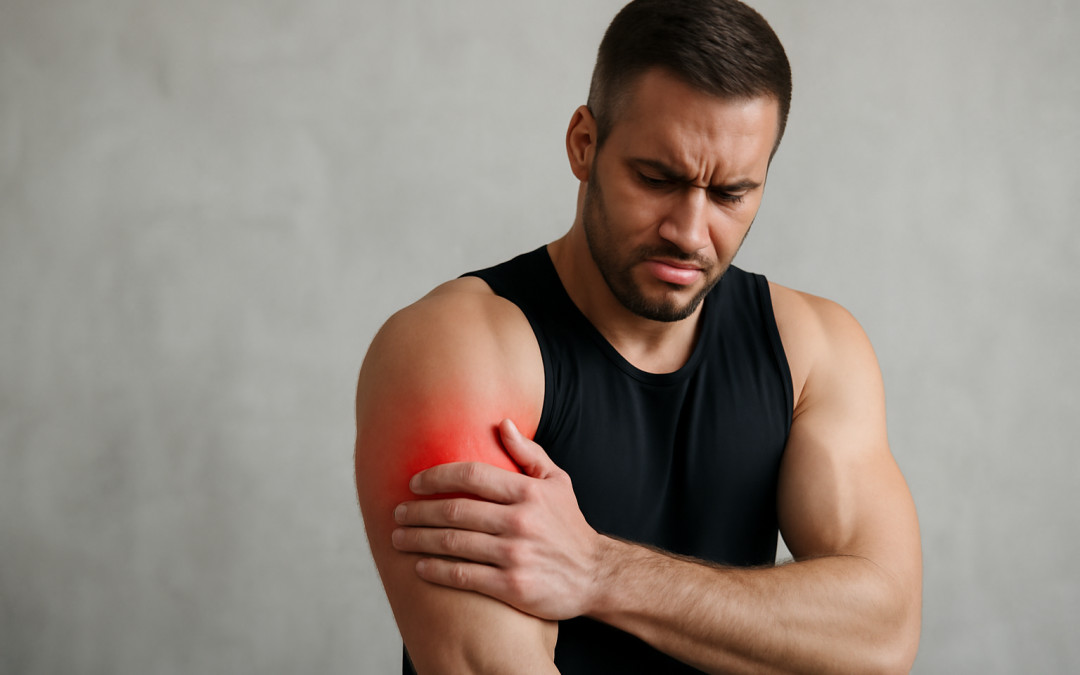
Experiencing muscle soreness a day or two after an intense workout is a common phenomenon for many fitness enthusiasts, athletes, and even those new to physical activity. This discomfort, often unexpected by beginners and somewhat familiar to seasoned exercisers, is an integral part of the body’s response to exercise-induced stress. It represents more than just typical muscle fatigue; it involves a complex physiological process that signals the muscles are adapting and becoming stronger. Understanding the causes, symptoms, and management strategies of this condition is essential for optimizing exercise routines and recovery.
The underlying cause of this condition is microtrauma to muscle fibers incurred during strenuous or unfamiliar physical activity, especially activities involving eccentric muscle contractions. Unlike the immediate soreness felt after a workout, this type of muscle pain typically manifests 24 to 72 hours post-exercise. When muscles are exposed to new levels of stress or workload, tiny tears develop within the muscle fibers. These microtears provoke an inflammatory response, triggering the body’s natural healing processes. This response causes swelling, stiffness, and tenderness in the affected muscles, often peaking around 48 hours after the exercise session.
One important aspect to note is that this soreness is a natural and necessary component of muscle adaptation and growth. The microscopic damage encourages the muscles to repair stronger than before, a process that results in increased muscle strength and endurance over time. For athletes and regular exercisers, experiencing this soreness intermittently can indicate that their routines are challenging their muscles enough to promote improvement. However, pain that is too intense, persistent, or accompanied by swelling and loss of function may indicate injury rather than a simple adaptive response.
Certain types of physical activity are more likely to induce this soreness than others. Eccentric exercises—movements where muscles lengthen under tension, such as downhill running, lowering weights, or the descent phase of squats—tend to cause more muscle fiber damage than concentric contractions. This is because the muscle fibers endure greater strain and mechanical stress during eccentric movements. Therefore, individuals who incorporate eccentric training or increase the intensity or duration of their workouts abruptly are more prone to experiencing these delayed symptoms.
The symptoms typically evolve in a predictable manner. Initially, there is little to no pain immediately after exercise, with discomfort becoming noticeable approximately 12 to 24 hours later. The pain gradually intensifies and peaks between 24 to 72 hours post-activity, afterwards slowly diminishing over the course of several days. Alongside soreness, muscles may feel tight or stiff, making movements more challenging or uncomfortable, especially when stretching or performing activities that engage the affected muscle groups. Swelling, tenderness to touch, and a slight reduction in strength and range of motion may also be present.
Researchers have explored the biochemical and cellular mechanisms that contribute to these symptoms. It is believed that the inflammatory response following muscle damage involves the release of various molecules such as prostaglandins, histamines, and cytokines that sensitize pain receptors. Additionally, the activation of satellite cells—muscle stem cells responsible for repairing damaged fibers—is a critical step in the recovery and rebuilding process. This intricate interplay of damage, inflammation, and repair underscores why the soreness lasts beyond the initial workout and why resting the muscles is crucial to allow the body to heal effectively.
Proper management and prevention strategies can significantly mitigate the severity and duration of this discomfort. Gradually increasing exercise intensity is one of the most effective preventive methods. When the muscles are progressively challenged rather than suddenly overstressed, the likelihood and severity of post-exercise soreness are reduced. Warm-up routines that elevate muscle temperature and enhance blood flow before intense workouts also help prepare muscles for exertion, thereby minimizing damage.
After exercise, recovery techniques such as gentle stretching, light aerobic activity, and rest can support the healing process. Although complete immobilization is discouraged, allowing sufficient rest is important to prevent further muscle damage. Compression garments and massage therapy have also shown benefits in reducing soreness and promoting circulation, which aids in the removal of metabolic waste products accumulated during exercise.
Hydration and nutrition play critical roles in recovery. Adequate fluid intake helps maintain optimal cellular function and reduces inflammation, while protein consumption provides the essential building blocks for muscle repair. Some studies suggest that antioxidants and omega-3 fatty acids may help modulate inflammation, but their effectiveness in preventing soreness remains an area of ongoing research.
Pharmacological interventions such as non-steroidal anti-inflammatory drugs (NSAIDs) may provide temporary relief but should be used cautiously, as they could potentially impede muscle repair if taken excessively. Natural remedies like applying cold packs immediately after exercise or using heat therapy during later stages are commonly employed to alleviate pain and stiffness, but their efficacy varies among individuals.
It is crucial to distinguish this soreness from other types of muscle pain that may signal injury. Acute injuries such as strains or tears typically cause immediate sharp pain during exercise, swelling, bruising, or weakness, and often require medical evaluation. Persistent or worsening muscle pain beyond a week, accompanied by severe functional impairment, should also prompt consultation with a healthcare professional. Listening to the body’s signals and adjusting training loads accordingly is essential in avoiding overtraining and injury.
This condition is not limited to athletes alone; sedentary individuals who suddenly engage in exercise may experience it more intensely due to a lack of muscle conditioning. However, repeated exposure to the same type and intensity of exercise usually reduces its severity over time, a phenomenon known as the repeated bout effect. This adaptive response highlights the body’s remarkable ability to become resilient through consistent training and underscores the importance of patience and persistence in any physical endeavor.
In addition to physical readiness, factors such as age, genetics, and overall health can influence the intensity and duration of muscle soreness. Younger individuals and those with good cardiovascular health often recover faster. Conversely, older adults or individuals with underlying health conditions may experience prolonged recovery times and should approach new exercise regimens with extra caution and appropriate professional guidance.
Emerging research continues to explore innovative ways to minimize the impact of this soreness. Techniques like blood flow restriction training, vibration therapy, and cryotherapy are gaining attention for their potential to enhance recovery, although their long-term benefits and safety require further validation. Personalized training programs that take into account individual variability in response to exercise stress are also becoming a focus in sports science to optimize performance while limiting discomfort and injury risk.
Understanding that this soreness is a natural component of the muscle strengthening process encourages a positive mindset towards exercise-induced discomfort. Instead of discouraging physical activity, appropriate interpretation of these signals can motivate individuals to implement better recovery practices and enjoy sustained improvements in fitness and health.
Ultimately, a balanced approach that combines progressive training loads, adequate recovery time, proper nutrition, and attention to individual capabilities will foster an environment where muscles can grow stronger with minimal discomfort. Embracing this understanding not only enhances physical performance but also promotes long-term adherence to active lifestyles that are vital for overall well-being.