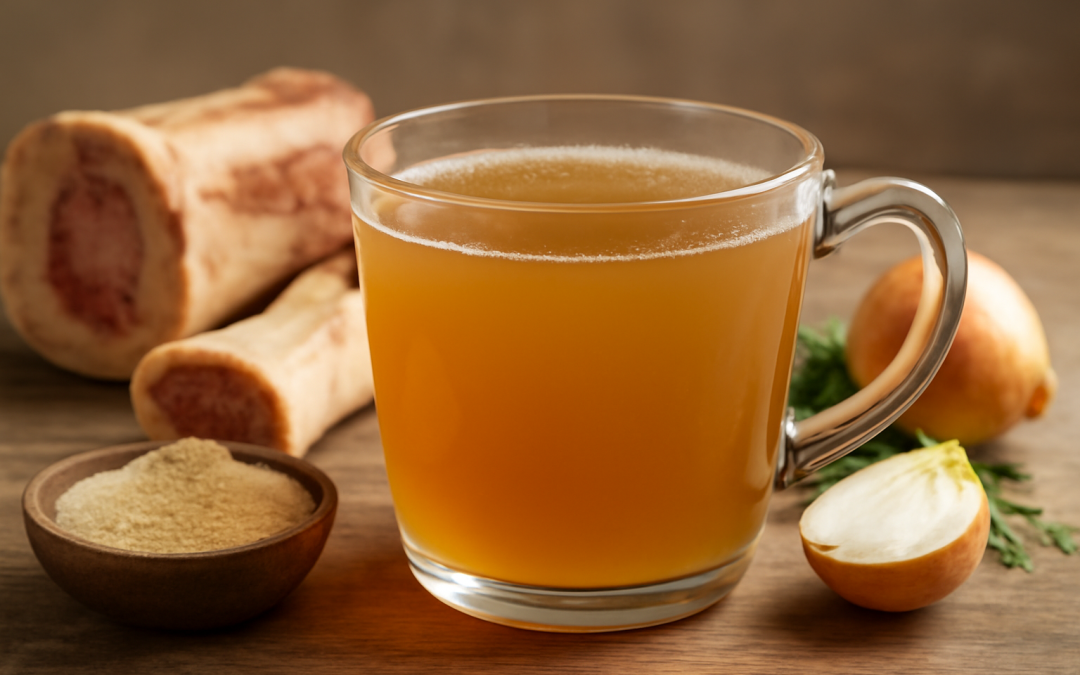
The resurgence of bone broth in recent years has been accompanied by an abundance of information—some accurate, much misleading, and a fair share downright false. As a nutrient-rich concoction made by simmering animal bones and connective tissue, bone broth is often touted as a miraculous elixir capable of curing a variety of health problems, improving skin, repairing joints, and even boosting the immune system. With this many bold claims, it’s no surprise that myths about bone broth have become widespread, obscuring the genuine benefits this traditional food can offer. Understanding the difference between myth and reality is crucial for anyone considering incorporating bone broth into their diet or health routine.
First and foremost, it’s important to clarify what bone broth actually is and how it differs from stock or regular broth. Bone broth is typically simmered for much longer periods than stock—often upward of 12 to 24 hours or even more. This extended cooking time is intended to extract minerals, collagen, and amino acids from bones and connective tissue more thoroughly. While stock might be used primarily as a cooking base for soups and sauces, bone broth is often consumed on its own due to its purported health benefits. However, this distinction is sometimes blurred or exaggerated, giving rise to one of the common myths: that bone broth is fundamentally different from stock or has unique healing properties simply because of its longer cooking time.
While longer cooking does increase the amount of gelatin and some minerals extracted from bones, the nutritional differences are not as dramatic as some proponents might suggest. Bone broth does contain collagen precursors like glycine and proline, and some minerals like calcium, magnesium, and phosphorus. However, the mineral content is relatively modest and should not be relied upon as a primary source of these nutrients. Additionally, the amount of collagen in bone broth is not the fully formed collagen found in skin and cartilage but rather gelatin—a form of denatured collagen—which the body further breaks down into amino acids. The myth that drinking bone broth directly rebuilds joint cartilage or skin collagen overlooks the complex process of protein digestion and synthesis in the body.
Another frequently encountered misconception is that bone broth is a cure-all for autoimmune conditions, gut health, or even chronic inflammation. While bone broth does contain amino acids like glutamine, which is known to support gut lining integrity, scientific research is limited on whether bone broth consumption significantly improves gut health or treats autoimmune diseases. Some of the supportive claims stem from anecdotal experiences or the known benefits of individual nutrients found in bone broth rather than comprehensive clinical evidence. It’s also important to remember that gut health depends on a multitude of dietary and lifestyle factors, including fiber intake, microbiome diversity, and stress management—not just the consumption of one particular food.
The idea that bone broth is a potent anti-inflammatory agent is another area where myths have outpaced facts. Bone broth contains amino acids such as glycine and proline, which might have mild anti-inflammatory effects, but these effects are minimal and unlikely to produce dramatic improvements in inflammation-related conditions by themselves. It’s more accurate to consider bone broth as a nourishing, soothing food that may indirectly support overall health rather than a targeted therapy for inflammation or chronic disease. Claims of bone broth as a magic bullet for health can distract from the importance of balanced nutrition and medical treatment where necessary.
One more persistent myth is that all bone broths are inherently healthy and safe. The quality of the broth depends on the source of the bones, cooking methods, and hygiene. Bones from conventionally raised animals can contain residues of antibiotics, hormones, or environmental toxins, which might concentrate during the long simmering process. Likewise, poor preparation or storage conditions can lead to contamination or spoilage. This means that not all bone broths are created equal, and consumers should seek out high-quality, organic or grass-fed sources when possible, or make their own bone broth carefully to ensure safety and purity.
Concerns have also been raised regarding the potential accumulation of heavy metals, such as lead, in bone broth. Some studies have found trace amounts of lead in homemade bone broths, which has led to unfounded panic around the safety of drinking bone broth regularly. While bones can accumulate heavy metals, the levels found in properly prepared bone broth are typically low and within safe consumption limits. The human body also has mechanisms to handle small amounts of heavy metals. It’s important to maintain perspective and not be swayed by alarmist warnings without solid scientific backing.
Beyond nutritional content and safety, the cultural significance of bone broth is sometimes overlooked or simplified. Bone broth has been a staple in traditional diets worldwide for centuries, valued for its ability to extract nutrients from otherwise inedible parts of the animal and provide sustenance during harsh conditions or seasons. Its place in culinary traditions is often disassociated from modern health hype, which tends to isolate single components or effects. Recognizing the historical and cultural context of bone broth can offer a more balanced understanding of its benefits as part of a varied diet rather than as a standalone superfood.
In contrast to some exaggerated claims, there is evidence supporting the role of bone broth as a convenient source of hydration, protein, and electrolytes. It can be particularly beneficial for individuals recovering from illness or those who have difficulty consuming solid foods due to digestive issues, as the broth is easy to digest and soothing to the stomach. The gelatin content can also help improve digestive function by supporting the mucosal lining of the intestinal tract. However, these effects should be viewed as supportive rather than curative, and bone broth should complement other whole foods in a balanced diet rather than replace them.
Critically, the labeling of bone broth as a weight loss aid is frequently overstated. While bone broth is low in calories and can help with satiety due to its protein and gelatin content, it is not a magic solution for weight reduction. Sustainable weight management requires a holistic approach that includes balanced calorie intake, physical activity, and overall healthy lifestyle habits. Drinking bone broth may support some aspects of diet by providing a nutritious, low-calorie snack or meal base but should not be relied upon as the primary tool for weight loss.
Another common myth is the belief that bone broth can dramatically improve skin health simply because it contains collagen. Many skincare products and supplements capitalize on this idea, but the science behind collagen consumption and skin improvement is more nuanced. Collagen consumed orally is broken down into individual amino acids, and the body uses these building blocks according to its own needs. While consuming adequate protein and certain vitamins (like vitamin C) supports skin health, no direct link has been established showing that drinking bone broth alone will produce noticeable anti-aging or skin-tightening effects. Good skincare requires a multifaceted approach, including sun protection, hydration, and nutrition.
Skepticism towards bone broth is sometimes fueled by misconceptions about its taste and preparation requirements. While making bone broth can be time-consuming due to the long simmering process, this method is necessary to release nutrients from the bones effectively. Homemade bone broth often has a rich, savory flavor that can be adjusted with herbs, vegetables, and spices. Commercially prepared bone broths vary widely in quality and taste, so experimentation and careful ingredient selection are important for those new to incorporating bone broth in their diets. Far from being a fad demanding fancy techniques, bone broth remains a simple, traditional preparation accessible to most home cooks.
The environmental impact of bone broth consumption also deserves mention amid larger discussions on sustainable eating and food waste reduction. Using bones and scraps to prepare broth demonstrates an efficient utilization of the entire animal, aligning with nose-to-tail eating principles advocated for minimizing waste. This practice contributes to environmental sustainability by making the most of existing food resources. However, like any food product, the environmental benefits depend on the sourcing of raw materials and overall consumption patterns.
In summary, bone broth offers valuable nutrients such as amino acids, collagen precursors, and minerals in a comforting, hydrating liquid. Its traditional use and modern revival highlight the importance of nutrient-dense, minimally processed foods. However, many claims surrounding bone broth’s health effects are either exaggerated or insufficiently supported by scientific evidence. It is neither a cure-all nor a mere trend but a versatile addition to a balanced diet when chosen and prepared wisely. Consumers should approach bone broth with realistic expectations, prioritizing quality, safety, and variety in their food choices.
Ultimately, the benefits of bone broth lie in its role as a part of holistic nutrition rather than in isolated assertions. Its long history and proven nutritional value make it a worthy consideration for improving diet and wellbeing, especially when integrated with other wholesome foods and healthy habits. Dispelling myths makes room for appreciating the genuine advantages and avoiding misplaced hopes. Bone broth invites an informed, moderate approach that embraces tradition and evidence alike—an approach that nourishes both body and mind.