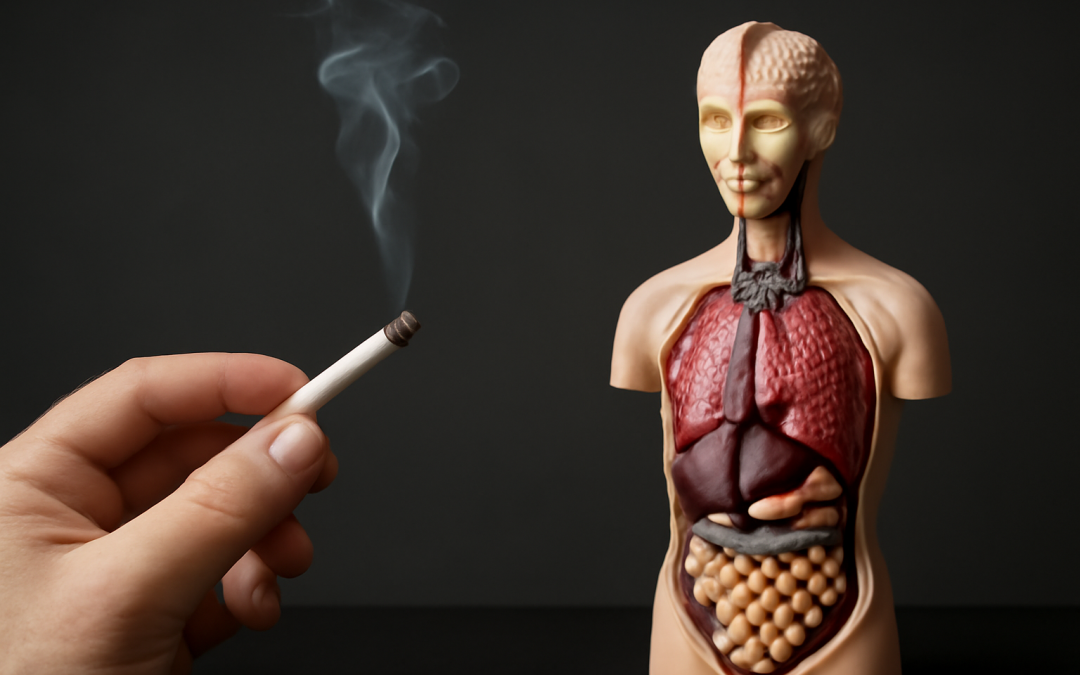
Smoking is one of the most significant preventable causes of disease and premature death worldwide, yet millions continue to engage in this harmful habit despite widespread awareness of its dangers. The damage caused by smoking extends far beyond the lungs and respiratory system. It affects nearly every organ in the body, contributing to a host of chronic illnesses and impairing overall health in ways that are often underestimated. Understanding how smoking damages the body in both immediate and long-term ways can offer valuable insight into the urgent need for cessation and prevention efforts.
The chemicals found in tobacco smoke number in the thousands, with hundreds of them known to be toxic or carcinogenic. When a person inhales cigarette smoke, these harmful substances enter the respiratory tract and quickly spread through the bloodstream, causing damage at the cellular and molecular levels. Nicotine, the addictive chemical in tobacco, alters brain chemistry to create dependence, while tar and other particulates coat the lungs and obstruct their function. The interplay of these toxic compounds initiates a cascade of harmful biological reactions, leading to inflammation, oxidative stress, and cellular damage.
One of the earliest and most obvious areas harmed by smoking is the respiratory system. The lungs’ delicate alveoli, responsible for oxygen exchange, become compromised as tar deposits accumulate and inflame the lung tissue. This chronic irritation can cause bronchitis, emphysema, and chronic obstructive pulmonary disease (COPD), all of which severely reduce lung capacity and impair breathing. Smokers are also at substantially higher risk for developing lung cancer, as tobacco smoke contains numerous carcinogens that damage the DNA in lung cells and promote tumor growth. The longer and more heavily one smokes, the greater the damage to lung tissue and the higher the chance of fatal respiratory diseases.
Smoking’s impact is not confined to the lungs. Cardiovascular health suffers profoundly as well. The chemicals in cigarette smoke damage the lining of blood vessels, promoting the buildup of plaque—a process known as atherosclerosis. This narrows the arteries, increases blood pressure, and strains the heart. As a result, smokers face a significantly higher risk of heart attacks, strokes, and peripheral artery disease. Nicotine also stimulates the release of adrenaline, which raises heart rate and blood pressure, further stressing the cardiovascular system. Long-term smokers often develop chronic hypertension and are more likely to suffer heart failure or sudden cardiac events compared to nonsmokers.
The immune system is another critical function disrupted by smoking. The toxic substances in cigarette smoke impair the immune cells’ ability to fight off infections effectively. This leads to increased susceptibility to respiratory infections such as pneumonia and influenza. Additionally, smokers tend to have slower wound healing because smoking decreases blood flow and oxygen delivery to tissues, impairing the body’s natural repair mechanisms. Beyond infections, impaired immune regulation caused by smoking also contributes to autoimmune diseases and chronic inflammatory conditions, which can severely impact quality of life.
Smoking also exerts destructive effects on the skin and connective tissues. The reduced blood flow resulting from vascular damage deprives the skin of oxygen and essential nutrients, accelerating the aging process and causing wrinkles to form prematurely. Collagen, the protein that maintains skin elasticity, is broken down more quickly, leading to sagging and an overall dull and leathery complexion in smokers. The cumulative damage can make the skin more prone to infections, slow healing of wounds, and increase the risk of skin cancers.
In addition to external aging, smoking has significant effects on the skeletal system. The toxins in cigarette smoke interfere with the process of bone remodeling by inhibiting the activity of osteoblasts—the cells responsible for building new bone. This leads to decreased bone density, increasing the risk of osteoporosis and fractures. Smokers often experience slower recovery following bone injury or surgery, further complicating their health outcomes. This effect can be particularly concerning in older adults, where fragility fractures can lead to loss of mobility and increased mortality.
Smoking’s reach extends to the reproductive system as well, where it can reduce fertility in both men and women. In men, smoking negatively impacts sperm quality, including motility and morphology, which can hinder conception. For women, smoking damages the eggs stored in the ovaries and disrupts hormone balances that regulate the menstrual cycle. Pregnant women who smoke are at greater risk of complications such as miscarriage, premature birth, low birth weight, and developmental issues in their children. The harmful chemicals in tobacco cross the placenta, exposing the fetus to toxins that can cause lifelong health problems.
The digestive system too suffers multiple detrimental effects from smoking. It increases the risk of cancers of the mouth, throat, esophagus, stomach, pancreas, and colon. Smoking stimulates acid production in the stomach, contributing to gastroesophageal reflux disease (GERD) and peptic ulcers. It also adversely affects the liver by promoting fatty liver disease and increasing the likelihood of liver cancer. By disrupting the normal function of digestive enzymes and altering gut flora, smoking can impair nutrient absorption, leading to deficiencies that further compromise health.
Neurological consequences of smoking must not be overlooked. The neurotoxic substances in tobacco contribute to cognitive decline and increase the risk of neurodegenerative diseases such as Alzheimer’s and Parkinson’s disease. Nicotine’s addictive nature alters brain circuits related to pleasure and reward, making quitting difficult, but also causing long-term changes in brain chemistry that may impair memory, attention, and learning. Furthermore, through its effects on the cardiovascular system, smoking increases the risk of strokes, which can lead to significant and permanent neurological disabilities.
The systemic inflammation caused by smoking reaches virtually every tissue, creating a state of chronic immune activation that contributes to the development of various cancers beyond the lungs, including bladder, kidney, cervix, and stomach cancers. The impaired DNA repair mechanisms and the release of free radicals promote genetic mutations that initiate and promote tumor growth. This widespread carcinogenic potential makes smoking one of the most dangerous lifestyle factors for cancer development and mortality.
In addition to its physical effects, smoking causes psychological and social harm. The dependence created by nicotine addiction leads to compulsive smoking behavior despite knowledge of its risks. This addiction can cause mental distress, anxiety, and even depression in many individuals. Socially, smokers often face stigmatization and isolation, particularly as more places enact smoking bans and restrictions. This can exacerbate the mental health burdens associated with the habit and make cessation efforts more challenging.
Secondhand smoke exposure is another critical but often overlooked facet of smoking’s damage. Non-smokers who inhale smoke involuntarily are subject to many of the same harmful effects, including respiratory problems, heart disease, and increased cancer risk. Children exposed to secondhand smoke are particularly vulnerable, suffering from higher rates of asthma, ear infections, sudden infant death syndrome (SIDS), and developmental issues. The harmful impacts on loved ones and communities highlight the broader public health consequences of smoking beyond the individual user.
Despite the extensive damage caused by smoking, cessation can lead to dramatic health improvements at any age. The body’s remarkable ability to heal begins shortly after quitting, with decreases in heart rate and blood pressure occurring within hours. Lung function improves as inflammation subsides and cilia—the tiny hair-like structures that help clear mucus and debris—regenerate. Risk levels for heart disease and stroke decrease substantially within a few years, and the likelihood of many cancers drops the longer one remains smoke-free. Quitting smoking not only prolongs life but enhances quality of life by improving energy levels, reducing coughing and breathing difficulties, and increasing overall well-being.
Because of the profound effects smoking has on almost every organ system, public health programs emphasize education, prevention, and support for cessation. Nicotine replacement therapies, counseling, prescription medications, and behavioral interventions all contribute to successfully quitting and overcoming addiction. Reducing the damage caused requires not only individual commitment but also societal efforts to limit tobacco access, promote smoke-free environments, and increase awareness of the devastating consequences of smoking.
In summary, the extent to which smoking damages the body cannot be overstated. From the smallest cell to the largest organ systems, tobacco smoke inflicts harm that compromises physical health, mental well-being, and longevity. Recognizing the widespread toll of this habit is vital for individuals seeking to quit or avoid smoking and for public health initiatives aimed at reducing tobacco use worldwide. The benefits of living smoke-free far outweigh any short-term pleasures derived from smoking, making the decision to quit one of the most important choices for a healthier, longer life.