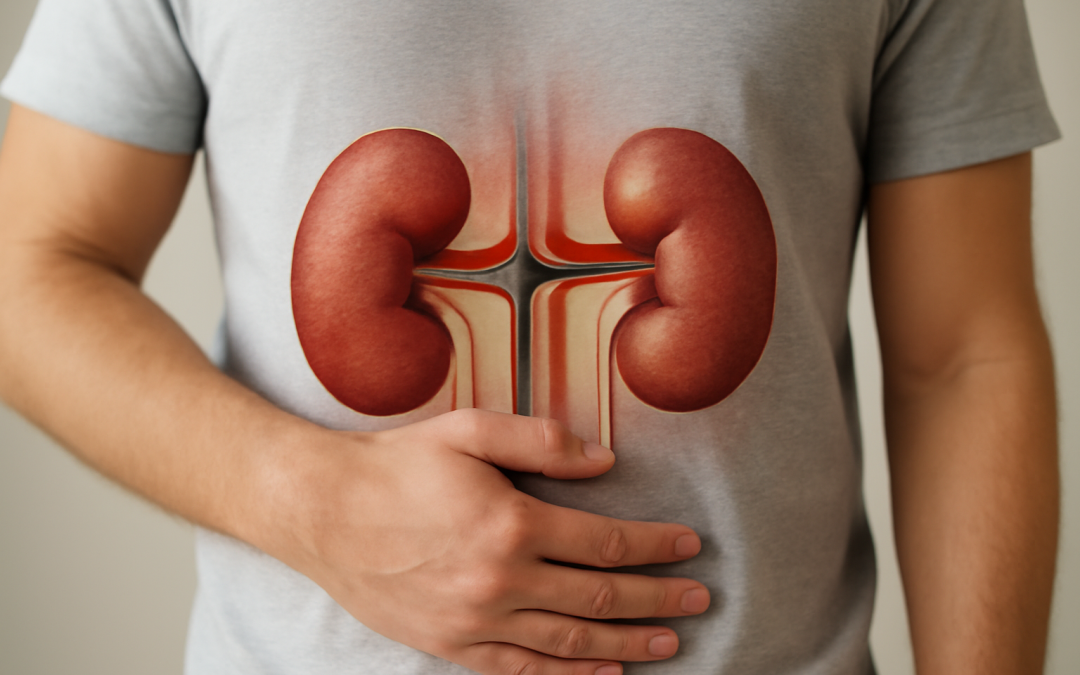
Every organ in the human body plays a vital role, but the specific functions carried out by the kidneys are nothing short of extraordinary. These bean-shaped organs, each roughly the size of a fist, are responsible for maintaining balance within the body’s internal environment, a process critical to our survival. Far beyond simply filtering waste, kidneys regulate a myriad of processes essential for life, affecting everything from blood pressure control to red blood cell production. Understanding how your kidneys keep you alive offers deep insight into the complexity of human physiology and underscores the importance of caring for these remarkable organs.
At the core of kidney function is their ability to filter blood, which is continuously supplied to them via the renal arteries. Each kidney contains around one million tiny filtering units known as nephrons. These nephrons work tirelessly to sift through the approximately 50 gallons of blood processed daily, separating waste products, excess fluids, and toxins from valuable substances the body needs to retain. This filtration process is incredibly selective, ensuring that essential nutrients like glucose and certain ions remain in the bloodstream, while harmful substances are routed towards elimination.
Waste and excess fluid collected by the kidneys are converted into urine, which then travels down the ureters to the bladder before leaving the body. This elimination process is crucial because, without it, toxic substances would accumulate in the bloodstream and swiftly lead to life-threatening conditions. The kidneys’ proficiency in filtering and cleaning the blood acts as a natural defense system, protecting the body from chemical imbalances and poisoning.
One of the key ways the kidneys maintain homeostasis—the body’s internal balance—is by regulating the volume and composition of body fluids. Fluid balance is essential for many cellular processes, as even minor shifts can disrupt normal function. The kidneys carefully adjust the amount of water reabsorbed back into the bloodstream, influenced by signals from hormones such as antidiuretic hormone (ADH). When the body is dehydrated, ADH levels rise, prompting the kidneys to conserve water and produce concentrated urine. Conversely, when hydrated, the kidneys allow excess fluid to be expelled, maintaining optimal hydration levels.
Electrolyte balance is another critical aspect controlled by the kidneys. Sodium, potassium, calcium, and phosphate ions must be kept within narrow concentration ranges to facilitate nerve signaling, muscle contractions, and bone health. The kidneys selectively reabsorb or excrete these electrolytes depending on the body’s current needs. For instance, if potassium levels rise in the blood to dangerous levels, the kidneys respond by eliminating more potassium through the urine, preventing potentially fatal cardiac arrhythmias.
The kidneys also play a pivotal role in regulating blood pressure. This might seem surprising at first, but their influence is profound. Specialized cells within the kidneys sense changes in blood flow and pressure and respond by adjusting the release of the enzyme renin. Renin triggers a cascade of events known as the renin-angiotensin-aldosterone system (RAAS), which results in the constriction of blood vessels and retention of sodium and water, thereby increasing blood pressure. This mechanism ensures that vital organs receive adequate blood supply. When this system malfunctions, it can lead to conditions like hypertension or hypotension, emphasizing the kidneys’ crucial role in cardiovascular health.
Beyond filtering and fluid regulation, kidneys contribute to the body’s ability to produce essential hormones. One such hormone is erythropoietin (EPO), which stimulates the bone marrow to produce red blood cells. When oxygen levels in the blood are low—due to factors like anemia or high altitudes—the kidneys ramp up EPO production, boosting red blood cell output to enhance oxygen transport. This function highlights the kidneys’ importance not only in metabolic cleansing but also in ensuring that tissues receive the oxygen necessary for energy production and survival.
Kidneys also assist in regulating the balance of acids and bases in the body’s fluids, a process known as acid-base homeostasis. The cells within the nephrons manage the reabsorption of bicarbonate ions and the excretion of hydrogen ions, helping to keep the blood’s pH within a tight range of about 7.35 to 7.45. This balance is critical for normal cellular activities because even slight deviations in blood pH can disrupt enzyme function and metabolic pathways, sometimes with fatal consequences. The kidneys’ ability to fine-tune this balance complements the respiratory system’s contributions, together maintaining a stable internal environment.
Another dimension of kidney function lies in their remarkable ability to adapt to changing conditions. When one kidney is damaged or removed, the other often enlarges and increases its filtration capacity to compensate. This renal plasticity demonstrates how indispensable the kidneys are; life can be sustained on just one healthy kidney because of this adaptive response. However, prolonged stress, disease, or injury can overwhelm this compensatory mechanism, leading to chronic kidney disease or kidney failure.
Chronic kidney disease (CKD) represents a significant threat to human health worldwide. Persistent damage to the kidneys can result from diabetes, high blood pressure, infections, or genetic disorders. As the filtering capacity declines, waste products accumulate, fluids build up, and electrolyte imbalances become more common. One of the most serious consequences is uremia, a condition where toxic waste levels in the blood rise dangerously high, necessitating treatments like dialysis or kidney transplantation. This underscores how critical kidney health is to overall well-being and longevity.
Maintaining healthy kidneys requires attention to lifestyle factors affecting their function. Proper hydration is fundamental; water enables the kidneys to flush out waste products effectively. A diet low in excessive salt, processed foods, and sugars can reduce the burden on the kidneys by preventing hypertension and diabetes, two leading causes of kidney disease. Regular exercise, avoiding smoking, and monitoring medications that may be nephrotoxic (damaging to the kidneys) are also essential steps in kidney preservation.
Furthermore, early detection and management of kidney-related conditions can dramatically improve outcomes. Routine screening—through blood tests measuring creatinine and blood urea nitrogen (BUN) levels, and urine tests checking for protein or blood—provides valuable information about kidney health. When abnormalities are found early, interventions can be tailored to slow or halt disease progression. Education about symptoms such as swelling, changes in urine output, or unexplained fatigue can prompt timely medical attention, again highlighting the vital nature of the kidneys in maintaining life.
Scientific advancements continue to deepen our understanding of kidney function and disease. Research into regenerative medicine, such as stem cell therapy and bioengineered kidney tissues, holds promise for future treatment options. Innovations in dialysis technology have also improved quality of life for patients facing kidney failure. Despite these advances, prevention remains the cornerstone of kidney health due to the complexity and limited ability to fully replace natural kidney functions.
In addition to their well-known roles, kidneys also interact with other organ systems to maintain overall health. For instance, by regulating blood pressure, they influence heart function; through erythropoietin production, they support oxygen delivery to all tissues; and by balancing electrolytes and fluids, they affect nerve and muscle function. This interconnectedness emphasizes that kidney health cannot be viewed in isolation—it is integral to the body’s systemic harmony.
Ultimately, the kidneys are silent heroes working continuously behind the scenes, filtering, balancing, regulating, and producing substances essential for life. Without their meticulous and multifaceted efforts, the body’s internal environment would rapidly deteriorate, making survival impossible. Because their contribution is so critical, taking proactive steps to protect kidney health is among the most impactful decisions one can make for long-term wellness.
Understanding how your kidneys keep you alive shines a light on the incredible sophistication of these organs and the complexity of human biology as a whole. Recognizing their importance encourages mindful health choices and appreciation for the intricate processes sustaining life every moment. The kidneys may go unnoticed amid the body’s many functions, but their importance is undeniable—they are truly vital to life itself.