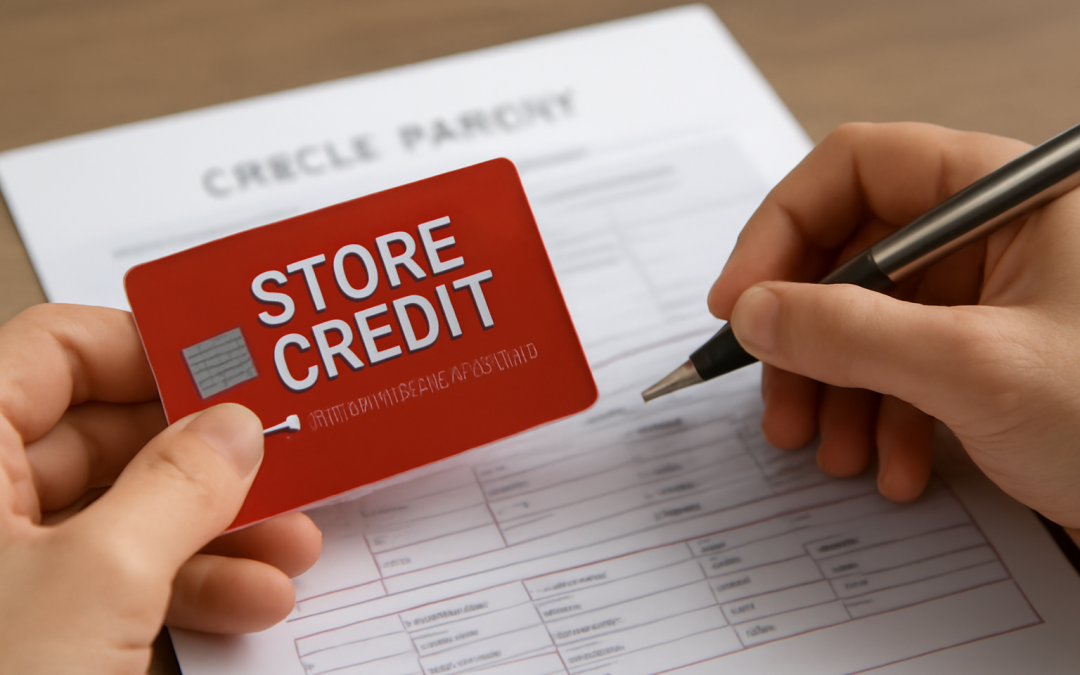
Navigating the complexities of credit management is an essential part of maintaining a healthy financial life, and understanding how different types of credit impact your score is fundamental. Store credit cards are a common form of credit offered by retailers, often promising benefits such as discounts, special financing, and rewards tailored to frequent shoppers. While these cards can be appealing due to perks and ease of approval, it is crucial to recognize their unique influence on credit reports and overall credit scores.
When you apply for a store credit card, the issuer will likely perform a hard inquiry on your credit report, which can temporarily lower your credit score by a few points. Although this drop is usually minor and short-lived, multiple credit inquiries in a short time frame can suggest to lenders that you are seeking new debt aggressively, which may be viewed as a higher risk. This initial impact is just one of many factors to consider before deciding to open a store credit card account.
One significant aspect of store credit cards is how they contribute to your credit utilization ratio, which is the amount of credit you are using compared to your total available credit. If you open a store card in addition to your other credit lines, you increase your total available credit, which can potentially lower your utilization ratio if you maintain low balances. A lower utilization ratio generally benefits your credit score. However, this depends heavily on how you manage the card; maxing out a store card or carrying a high balance can quickly raise your utilization and negatively affect your score.
Another factor to consider is the credit limit on store credit cards. These cards often come with lower credit limits compared to major credit cards, which can make it easier to inadvertently use a high percentage of the credit available, thereby increasing your utilization rate. Additionally, smaller credit limits mean that your overall available credit might not increase significantly, limiting the positive impact on your credit profile. Careful budgeting and regular payments are essential to ensure these cards do not become liabilities.
Payment history remains the most critical factor in credit scoring models, accounting for approximately 35% of your score. In this regard, store credit cards function just like any other credit account. Making payments on time consistently can help build a positive credit history, while missed or late payments are reported and can severely damage your credit standing. Since many store credit cards charge high interest rates, carrying a balance over time without paying it off can also lead to financial strain, making it harder to maintain on-time payments.
While responsible use of store credit cards can enhance your credit mix—which accounts for about 10% of your credit score—these cards typically fall under revolving credit accounts. Having a variety of credit types, such as installment loans and revolving credit lines, can be favorable for your credit health. However, if store cards are your only form of credit, lenders might view your credit history as less diverse, potentially affecting creditworthiness assessments. Thus, using store credit cards alongside other forms of credit can help cultivate a more robust credit profile.
It is worth noting that some store cards are co-branded with major issuers, which means they might report to all three credit bureaus and are subject to the same reporting standards as other credit cards. This reporting ensures that your activity—good or bad—is reflected across your credit reports. Yet, certain store cards, especially those designed for customers with limited credit histories or poor credit, might have more stringent terms and higher interest rates, which could pose challenges to maintaining good credit health if not managed carefully.
Another subtle effect of store credit cards on your credit is how they influence the average age of your credit accounts. Opening a new store card reduces the average account age, a factor that makes up around 15% of your credit score. A shorter average account tenure might result in a temporary dip in your credit score. Over time, however, if the account remains in good standing, it can positively contribute by demonstrating long-term credit responsibility.
It is also important to consider the potential impact of closing a store credit card account. While it might seem logical to close an account you do not use, doing so can reduce your total available credit and increase your overall utilization ratio, which may hurt your credit score. Moreover, closed accounts eventually fall off your credit report, which can affect your average account age and the length of your credit history. In most cases, keeping a store card open with a zero balance is more beneficial than closing it.
Utilizing store credit cards wisely involves balance and planning. Taking advantage of promotional offers such as no-interest periods on purchases or special discounts can be a savvy financial move if you pay off balances in full before any interest accrues. However, carrying balances beyond promotional periods or only making minimum payments can result in high interest charges, making the card more expensive over time and increasing the risk of debt accumulation and credit damage.
Another potential concern with store credit cards is the temptation to overspend. Because these cards often come with store-specific incentives, consumers may find themselves purchasing more frequently or in greater quantities than they otherwise would, increasing their overall debt burden. This behavior might not only affect your personal finances but also your credit score if balances rise too high relative to your credit limits or if payments become difficult to manage.
In contrast, if you manage your store credit cards prudently by treating them like regular credit cards—paying off the balance in full each month and avoiding unnecessary purchases—they can be a valuable tool for building credit. Responsible use helps diversify your credit portfolio and can contribute positively to your credit history through consistent, timely payments and low credit utilization.
It is also prudent to monitor your credit report regularly after opening a store card. Ensuring that the issuer reports your payments accurately to the credit bureaus is critical. Errors in reporting can occur, such as late payments being incorrectly recorded or balances being misreported, and these inaccuracies can be disputed to protect your credit standing.
Some consumers may hesitate to apply for store credit cards due to concerns about credit impact or the belief that these cards are only for people with poor credit. While it is true that some store cards are marketed toward subprime borrowers, many offer opportunities for credit building or improving credit scores when used responsibly. In fact, budget-conscious shoppers who pay their balances promptly can benefit from the savings and credit-building aspects of these cards simultaneously.
On the other hand, if you already carry multiple credit cards or have substantial existing debt, adding store credit cards to your financial portfolio should be considered carefully. Managing several accounts can increase the risk of missing payments or accumulating more debt than you can handle. Additionally, hard inquiries from multiple applications within a short period can signal financial distress to lenders, potentially lowering your creditworthiness.
In conclusion, store credit cards have a multifaceted relationship with your credit. They can positively impact credit scores when used conscientiously by increasing available credit, contributing positively to payment history, and diversifying credit types. Conversely, they pose risks due to often higher interest rates, lower credit limits, and the temptations to overspend. Understanding these dynamics and applying disciplined credit habits is essential to leverage store credit cards as beneficial tools within your broader financial strategy. Through careful management, store credit cards can aid in building and maintaining good credit over time without jeopardizing your financial health.