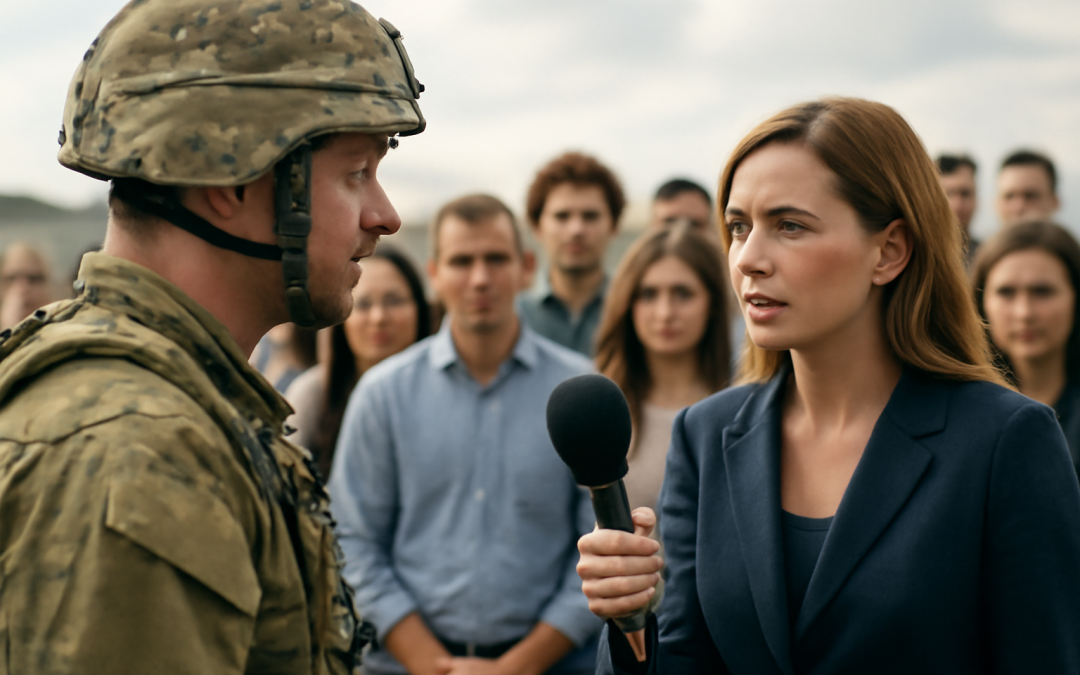
The way war is reported plays a significant role in shaping public opinion, influencing not only how conflicts are perceived but also how societies respond to them. From the early days of conflict journalism to the modern era marked by rapid information dissemination, war reporting serves as a critical conduit between the battlefield and the broader population. Journalists’ accounts, images, and narratives help frame understanding, evoke emotional responses, and potentially sway political and social attitudes toward military engagements. The complexities embedded in this process reveal the profound impact war reporting has on the collective consciousness and decision-making of nations.
One of the primary ways war reporting influences public opinion is by humanizing the abstract, often distant realities of conflict. Without vivid accounts, many conflicts might remain merely news headlines or geopolitical statistics. Frontline journalism captures not only tactical movements and military strategies but also the lived experiences of soldiers, civilians, and refugees caught in the turmoil. These stories resonate deeply with audiences, creating empathy and raising awareness about the human cost of warfare. When reporters highlight the suffering of innocent lives or depict the devastation wrought on communities, public opinion often shifts toward condemnation of the violence and increased calls for peace or humanitarian intervention.
However, the nature of war reporting is fraught with challenges that affect its impact. Access to conflict zones is often restricted, and journalists rely on military escorts or embedded arrangements that can lead to partial perspectives. Governments and armed groups may impose censorship or manipulate information to serve political objectives, shaping narratives to justify their actions or vilify opponents. Such constraints can limit the scope of reporting, hindering the public’s ability to receive a full and balanced picture of events. The degree of press freedom in a country significantly influences how transparently war is covered and, consequently, how genuinely public opinion is informed.
Another critical aspect is the role of visual imagery and technology in war reporting. Photographs, videos, and live broadcasts bring stark realities into living rooms, creating an immediacy and visceral impact that text alone often cannot achieve. Iconic images from past wars—like the famous photograph of the “Napalm Girl” during the Vietnam War—have had far-reaching effects on public sentiment and policy debates. With the rise of digital media and real-time streaming, audiences worldwide now receive continuous updates, often accompanied by graphic visuals. While this can enhance public engagement, it also raises ethical questions about the potential desensitization to violence or the exploitation of suffering for sensationalism.
The influence of war reporting extends beyond emotional reactions; it significantly shapes political discourse and government accountability. Public opinion molded by war coverage can pressure leaders to alter military strategies, negotiate peace, or withdraw forces. Democratically elected governments, in particular, must be responsive to citizens influenced by media narratives. The Vietnam War is a clear example of how pervasive reporting—highlighting battlefield realities and the human toll—elicited widespread anti-war movements, directly impacting U.S. policy decisions. Conversely, governments sometimes attempt to manage or suppress unfavorable media to maintain public support for their military campaigns, underscoring the ongoing tension between information dissemination and political control.
Furthermore, war reporting affects how societies interpret the causes and consequences of conflicts. Media framing influences which aspects are emphasized—whether the focus is on heroism, villainy, strategic calculations, or humanitarian crises. Framing can shape narratives around justification, responsibility, and morality, thereby guiding public judgment. For example, reports that emphasize terrorism or national duty may cultivate support for military action, while those foregrounding civilian casualties may lead to skepticism about the legitimacy of the war. These competing frames compete for dominance within public discourse, ultimately determining societal attitudes toward violence and peace.
The emergence of social media and citizen journalism has added layers of complexity to the impact of war reporting on public opinion. Ordinary people, often caught in the midst of conflicts, share firsthand accounts and visual content, bypassing traditional media filters. This democratization of war reporting can enhance transparency and provide alternative perspectives, challenging official narratives and contributing to a more nuanced understanding of the conflict. However, it also complicates information verification and creates fertile ground for misinformation, propaganda, and emotional manipulation. The viral nature of social media content means that public opinion can shift rapidly, influenced by both credible evidence and unverified or false reports.
Moreover, the psychological effects of war reporting on the audience cannot be ignored. Continuous exposure to graphic violence, suffering, and geopolitical tension has the potential to induce anxiety, fear, compassion fatigue, and political disengagement. While deeply moving reports can mobilize humanitarian responses and peace advocacy, an overwhelming barrage of negative war news may lead to emotional numbing or resignation. Media outlets thus face the delicate task of balancing truthful reporting with sensitivity to the audience’s emotional limits, aiming to inform without overwhelming or desensitizing.
The professional ethics of war journalists play a pivotal role in shaping public opinion responsibly. Ethical reporting requires careful consideration of accuracy, impartiality, and respect for the dignity of those affected by conflict. Journalists must navigate dangers and dilemmas, seeking to report facts without becoming instruments of propaganda. Their commitment to truth-telling often involves exposing uncomfortable realities and challenging official versions of events. When war reporters uphold rigorous standards, the public benefits from reliable information that fosters informed discourse, critical thinking, and democratic accountability, reinforcing society’s capacity to respond judiciously to war-related challenges.
Additionally, the historical context of war reporting underscores its evolving relationship with public opinion. Early war correspondents in the 19th and early 20th centuries often encountered censorship and romanticized portrayals of conflict. The Vietnam War marked a transformative era when televised reports brought graphic war violence into American homes, profoundly altering public attitudes. Contemporary conflicts continue to witness shifts in media practices, including multimedia storytelling, embedded journalism, and increased public access to diverse viewpoints. This evolution reflects broader societal changes in communication technologies and values, underscoring the dynamic and enduring influence of war reporting on public perception.
Cross-cultural differences also play a role in how war reporting affects public opinion. Media in different countries may emphasize contrasting aspects of the same conflict, reflecting national interests, historical experiences, and societal values. For instance, coverage within a country involved militarily might stress heroism and sacrifice, fostering patriotic support, whereas foreign media might highlight human rights abuses and humanitarian crises, eliciting concern or condemnation. These divergent portrayals contribute to varied public responses globally and complicate international understanding and cooperation around conflicts.
The commercial imperatives of modern media also impact the nature of war reporting and, therefore, public opinion. News outlets face pressures to attract audiences, often leading to sensationalized or dramatized coverage that prioritizes conflict portrayals with emotional appeal over nuanced analysis. While compelling storytelling can engage the public, there is a risk of oversimplification and perpetuation of stereotypes. The demand for constant content—especially in the digital age—may result in superficial or repetitive coverage that informs less effectively or fuels polarized opinions. Thus, the economic model of media is another factor shaping how war narratives are constructed and received.
In recent years, the rise of “fake news” and targeted disinformation campaigns has posed new challenges for war reporting’s impact on public opinion. States, non-state actors, and interest groups use strategic misinformation to manipulate narratives and public perception, often with sophisticated digital tools. This creates confusion, mistrust in reliable sources, and polarization within societies. Combatting this phenomenon requires critical media literacy among audiences and a concerted effort from journalists and platforms to promote transparency and fact-checking. The battle over truth in war reporting, therefore, remains a crucial front alongside the physical conflicts themselves.
Despite these challenges, the importance of war reporting in shaping public opinion remains indisputable. Quality journalism contributes to democratic governance by enabling citizens to assess the costs, motives, and legitimacy of military actions. It can inspire collective action, humanitarian aid, and peacebuilding efforts, drawing global attention to underreported issues. As conflicts continue to evolve with technology and geopolitical shifts, so too must war reporting adapt to maintain relevance and integrity in influencing public attitudes constructively.
Ultimately, the impact of war reporting on public opinion is a testament to the power of information in the contemporary world. The stories brought from distant battlegrounds help societies grapple with complex moral and political questions. They influence how people think, feel, and act in relation to armed conflict, shaping the broader contours of peace and violence in international relations. Recognizing the profound responsibility borne by those who cover wars is crucial, as is the role of informed audiences in scrutinizing and engaging with such content thoughtfully. Understanding this dynamic is essential to fostering an informed, compassionate, and vigilant society capable of navigating the grave realities of war.