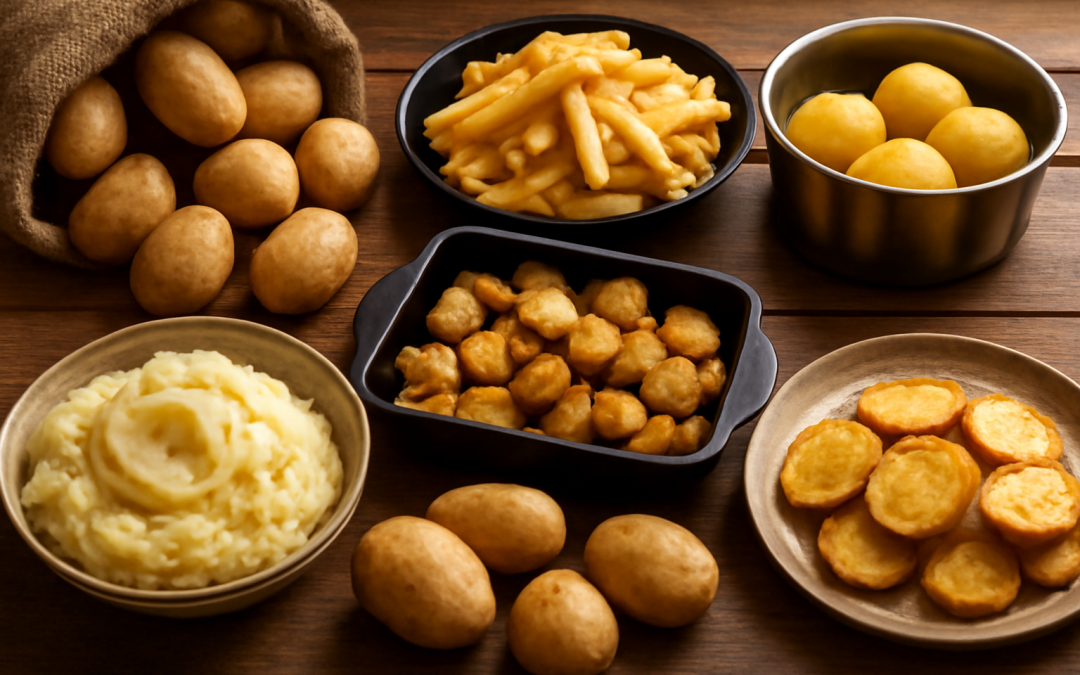
Potatoes have been a staple food in countless cultures for centuries, offering not only sustenance but also incredible versatility in the kitchen. Their unique texture and mild flavor make them adaptable to a wide array of cooking methods, transforming this humble tuber into a comforting side dish, an indulgent snack, or even the centerpiece of a meal. From roasting to boiling, frying to mashing, the technique used to prepare potatoes dramatically influences their taste, texture, and nutritional profile. Understanding these various cooking methods unlocks the potential to tailor potatoes perfectly to any cuisine or preference.
One of the oldest and most straightforward ways to prepare potatoes is by boiling them. This method involves immersing peeled or unpeeled potatoes in water and heating until tender. Boiling is particularly popular when the goal is to create mashed potatoes, potato salads, or simply to cook potatoes as a side dish. The key is to avoid overcooking, which can cause the potatoes to become waterlogged and mushy, losing their desirable firmness. Different varieties of potatoes, such as waxy or starchy types, behave differently when boiled; waxy potatoes hold their shape better, making them ideal for salads, while starchy potatoes break down more easily and are excellent for fluffy mashed potatoes.
Steaming is a gentler alternative to boiling that preserves more of the potato’s nutritional content because the potatoes aren’t submerged directly in water. This method uses steam to cook the potatoes, allowing them to soften while retaining their natural sweetness and nutrients. Steamed potatoes often have a firmer texture and a cleaner flavor profile compared to their boiled counterparts. This technique also allows for the skin to remain intact if desired, making it perfect for dishes like steamed new potatoes served with herb butter or simply with a sprinkle of salt.
Baking potatoes is a method that turns the tuber into a hearty and comforting dish. When baked whole, potatoes develop a crispy, flavorful skin with a soft and fluffy interior. This method requires longer cooking times but yields a wonderful depth of flavor as the starches break down and the natural sugars caramelize. Baked potatoes can be enjoyed plain or loaded with toppings such as sour cream, cheese, bacon, chives, or chili. The type of potato is crucial here; Russet potatoes with their high starch content and thick skin are considered the best for baking because they become fluffy inside and develop a crispy outer shell.
Roasting potatoes enhances their natural sweetness and creates a crispy texture that many find irresistible. This method involves cutting potatoes into evenly sized pieces, tossing them in oil along with herbs and seasonings, then cooking them in a hot oven. The high heat of roasting caramelizes the surface of the potatoes, producing a golden-crisp exterior and a tender, fluffy interior. Experimenting with different herbs like rosemary, thyme, or garlic during roasting can elevate the flavor, making roasted potatoes an attractive side dish for any main course, from roasted meats to grilled vegetables.
Frying potatoes is arguably one of the most popular methods worldwide, resulting in a satisfyingly crunchy outside and a soft, warm inside. French fries and potato chips are the most famous fried potato dishes, each requiring specific cuts and frying techniques. Deep frying submerges the potatoes in hot oil, which quickly cooks and crisps the surfaces. Achieving the perfect fry involves controlling oil temperature and cooking time to avoid greasiness or undercooked centers. Pan frying, on the other hand, uses less oil and gives potatoes a slightly different texture, with a crisp exterior and a more rustic finish. Home cooks often favor frying for its ability to produce indulgent, crowd-pleasing results.
Microwaving potatoes offers a fast and convenient option for cooking when time is limited. While this method won’t produce the crispy skin of baking or roasting, microwaving efficiently cooks the potato’s interior, making it soft and ready to eat in minutes. This technique is useful for quickly preparing potatoes for mashing or as a base for toppings. To maximize even cooking, potatoes should be pierced with a fork and occasionally turned during microwaving. Additionally, finishing microwaved potatoes with a quick time in a conventional oven can restore some crispness to the skin.
Grilling potatoes adds a smoky, charred flavor that transforms the tuber into a delectable accompaniment to barbecues and outdoor meals. Potatoes can be sliced into rounds, wedges, or even cooked whole when wrapped in foil. The dry heat of the grill sears the surface, creating a crispy crust while softening the inside. To enhance the flavor, it’s common to toss potatoes in oil, salt, and spices before grilling. This method brings a unique dimension to potatoes and pairs beautifully with grilled meats, vegetables, or simple salads.
Another noteworthy approach is slow cooking, which tenderizes potatoes gradually over several hours. Potatoes cooked in a slow cooker absorb the flavors of accompanying ingredients, making them ideal for stews, curries, and casseroles. This method is excellent for breaking down tougher potato varieties and melding flavors uniformly. Slow cooking is low-maintenance and convenient, requiring minimal attention while delivering rich, flavorful results with tender potatoes that effortlessly dissolve into the dish or retain some shape according to cooking time.
Potatoes also shine when used in combination with other cooking techniques. For example, parboiling potatoes before roasting or frying helps to reduce cooking time and ensures a perfectly fluffy inside while achieving a crisp crust. This dual approach is popular when making oven-roasted potatoes or classic French fries, where the initial gentle cooking softens the potato, and the final high-heat method creates a desirable crunch. Additionally, partially boiling potatoes before mashing guarantees a smoother texture without lumps.
The choice of potato variety significantly impacts the success of different cooking methods. Common types include starchy potatoes like Russets, which absorb liquids and fluff up well, making them perfect for baking and mashing. Waxy potatoes such as Red Bliss and New Potatoes hold their shape during boiling and roasting, resisting disintegration in salads or stews. All-purpose varieties like Yukon Gold provide a balance between waxy and starchy characteristics, lending themselves well to roasting, mashing, and frying with a creamy, moist finish. Selecting the right type involves considering the desired end texture and how the potato will be incorporated into the dish.
Nutritionally, potatoes are a rich source of carbohydrates, primarily starch, alongside vitamins such as vitamin C, B6, potassium, and dietary fiber when the skin is consumed. However, cooking methods can influence both their nutritional value and calorie content. Boiling and steaming tend to preserve nutrients while adding minimal fat, whereas frying significantly increases calorie content due to oil absorption. Baking retains most nutrients if the skin is eaten, and roasting can enhance flavor without adding extra fat if done with minimal oil. Balancing health considerations with taste preferences is an important aspect of deciding how to prepare potatoes.
Despite their versatility, potatoes can present challenges in cooking, like ensuring evenness and preventing sogginess. For example, when roasting or frying, uniform cutting is crucial to promote even cooking and browning. Soaking sliced potatoes before frying removes excess starch, which helps achieve a crispier texture. Overcrowding a pan or baking tray reduces heat circulation leading to uneven cooking or steaming rather than roasting. Proper seasoning at different stages—during cooking or just before serving—also enhances flavor without overwhelming the natural taste of the potatoes.
International cuisines have embraced the flexibility of potatoes, adapting them to local tastes and culinary traditions. In Latin America, potatoes are boiled or mashed and served with spicy sauces or meats. European dishes often feature potatoes roasted or gratinated with cheeses and creams. In India, potatoes are fried or incorporated into curries and snacks like samosas. The global popularity of potatoes is evidence of their remarkable ability to be transformed by diverse cooking techniques, able to complement any flavor profile from spicy to creamy to smoky.
Experimentation with herb and spice combinations further expands the culinary spectrum for cooked potatoes. Aromatics such as garlic, rosemary, thyme, paprika, cumin, and black pepper are commonly added when roasting or frying, boosting flavor depth. Even simple additions like a sprinkle of sea salt or a pat of butter after steaming or microwaving can elevate the eating experience. Such enhancements complement the potato’s neutral character, allowing it to shine without overpowering dishes.
In recent years, innovative cooking techniques, such as air frying, have gained popularity for preparing potatoes with reduced oil, resulting in a healthier alternative to traditional frying. Air fryers circulate hot air around potato pieces, producing crispy textures similar to deep frying but with less fat. This method suits those seeking to enjoy classic favorites like French fries or potato wedges with fewer calories and less grease, all while maintaining convenience and speed.
In sum, potatoes are a remarkably adaptable ingredient, capable of being transformed through a wide variety of cooking methods to suit any occasion or preference. Whether cooked gently by boiling or steaming, crisped to perfection through roasting, grilling, or frying, or slowly simmered in stews, the way potatoes are prepared makes all the difference to their texture, flavor, and nutritional qualities. Understanding the characteristics of different potato varieties and the impact of various cooking techniques empowers cooks to make informed choices in the kitchen. By mastering these methods, potatoes can move beyond a simple side dish to become a star element in both everyday meals and gourmet presentations. The endless possibilities they offer continue to inspire creativity and comfort at every table.