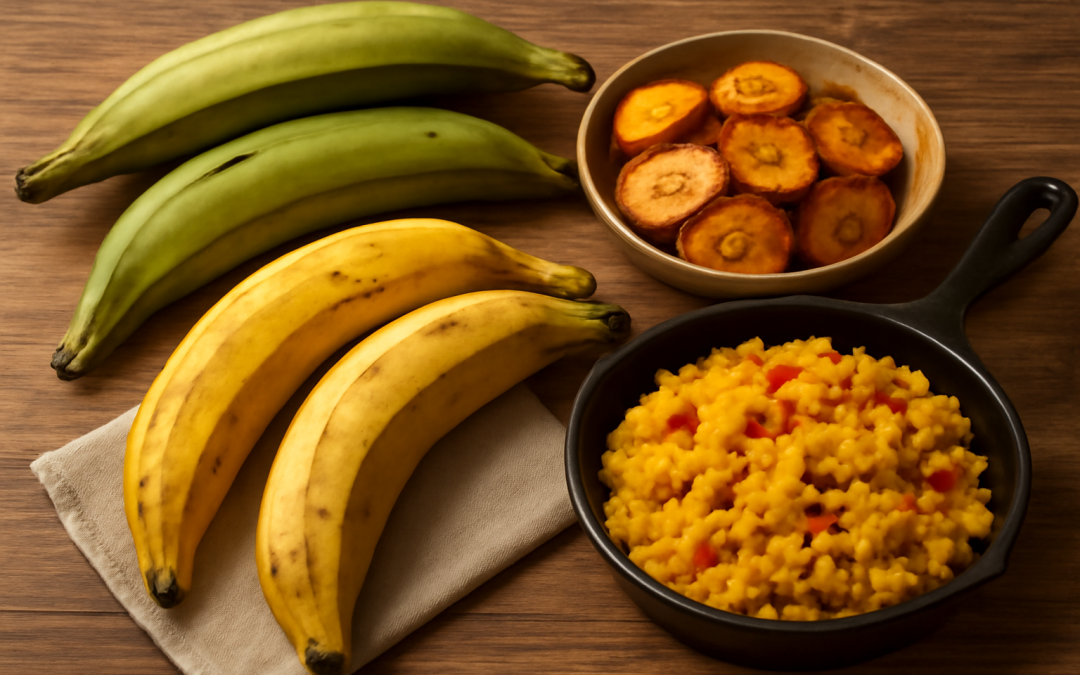
Plantains occupy a unique and cherished place in culinary traditions around the world, especially in tropical and subtropical regions. Their versatility as a food source extends far beyond the simple banana-like appearance they share. Rich in carbohydrates and capable of being prepared in multiple stages of ripeness, plantains serve as a staple, comfort, and festive food across many cultures. Understanding the characteristics of plantains and their diverse cooking uses opens up an entire universe of flavors and textures that perfectly complement savory and sweet dishes alike.
The plantain, often mistaken for a regular banana, differs primarily in its starch content and culinary application. Unlike bananas, which are eaten primarily as a sweet fruit, plantains are usually cooked before consumption due to their starchy and less sweet nature when unripe. This makes plantains particularly valuable as a carbohydrate source similar to potatoes, bread, or rice. Their large size and firm texture allow them to be sliced, mashed, fried, baked, or boiled, adapting well to countless recipes from appetizers to desserts. Understanding how to select the right stage of ripeness based on the desired dish is essential to harnessing the full culinary potential of plantains.
Green plantains are the unripe form and are firm and starchy with very little sweetness. In this stage, they are used similarly to potatoes or other root vegetables. Because of their firm texture, green plantains hold up well to frying, boiling, and baking. One of the most popular cooking uses in this stage includes making tostones, a beloved snack in Latin American and Caribbean cuisine. Tostones are twice-fried slices of green plantains that become crispy on the outside and soft and creamy on the inside. Another common preparation is mashing boiled green plantains to create mofongo, a traditional Puerto Rican dish often flavored with garlic, pork cracklings, or shrimp. This use underscores the plantain’s role as a hearty base that can be transformed with the addition of robust seasonings.
As plantains ripen, they transition from green to yellow and eventually black, becoming sweeter and softer. Yellow plantains are semi-ripe, offering a unique balance between starchiness and sweetness. This stage is ideal for frying, where the natural sugars caramelize, resulting in a golden, slightly sweet, and tender dish. In many African and Caribbean countries, these ripe plantains are sliced and fried as a side dish known as “fried plantains” or “dodo.” This simple yet flavorful method showcases the fruit’s adaptability and capacity to satisfy a craving for something both sweet and savory. The caramelization process enhances the depth of flavor, making the plantain a favorite comfort food.
Fully ripe plantains, marked by black skin and soft flesh, have the highest sugar content and can almost be eaten raw, although cooking enhances their taste and texture. They are often used in desserts or sweet preparations. In some Central American and Caribbean cultures, ripe plantains are baked or grilled whole until caramelized and tender, bringing out natural, rich sweetness. Additionally, mashed plantains can be mixed with sugar, spices, and coconut milk to create puddings and cakes. This versatility proves that plantains are not solely a savory ingredient but have also carved out a prominent niche in sweet treats. The ripening stage allows chefs and home cooks alike to manipulate textures and flavors, transforming this fruit into entirely different culinary experiences.
Beyond traditional frying and baking, plantains have found innovative uses in contemporary cooking styles. Grating green plantains to make fritters or pancakes introduces crispy, savory layers, sometimes combined with vegetables or cheeses for novel textures. In some West African cuisines, plantain flour, made by drying and grinding plantains, serves as a gluten-free alternative in baking, highlighting the plantain’s role in inclusive, health-conscious diets. Further, plantains can be thinly sliced and dehydrated to make chips, widely embraced as a crunchy snack alternative to potato chips. These developments underscore the plantain’s enduring relevance and its ability to evolve in global cuisines.
Plantains also offer significant nutritional benefits that complement their broad culinary uses. They are rich in complex carbohydrates, making them an excellent energy source, especially in regions where high-calorie, nutrient-dense foods are essential. Alongside carbohydrates, plantains provide dietary fiber, vitamin A, vitamin C, and potassium, contributing to digestive health, immune support, and muscle function. The versatility of cooking techniques—from frying to boiling to roasting—affects the nutritional profile but generally allows plantains to retain significant amounts of their vitamins and minerals. This nutritional richness partly explains their longstanding popularity as a staple in many traditional diets.
In various cultural contexts, plantains not only feed but signify tradition and identity. In West African and Caribbean communities, plantains are more than a foodstuff; they carry social and ceremonial importance. For example, plantains are frequently served during celebrations, family gatherings, and holidays, often symbolizing prosperity and comfort. Recipes handed down through generations often highlight plantains as a key ingredient, reinforcing bonds within communities and families. This cultural lineage enriches the cooking uses of plantains, embedding them with stories and heritage beyond mere sustenance.
Cooking with plantains also encourages creative flexibility due to their ability to absorb both bold spices and subtle flavors. When fried, they can be seasoned with salt, pepper, chili powder, or even sweet toppings like honey and cinnamon. Their neutral, starchy foundation acts as a perfect canvas for marinades or dips, pairing beautifully with avocado, beans, or even seafood. Plantain-based dishes often strike a balance between texture and taste, combining crunchy edges or smooth creaminess with vibrant seasonings. This flexibility makes plantains an ideal ingredient for home cooks seeking to experiment while honoring tradition.
Moreover, plantains have a practical advantage in that they store well throughout their varying degrees of ripeness. Green plantains can be kept for several weeks without spoiling, allowing cooks to plan meals ahead. The gradual ripening process enables multiple uses from a single batch, turning from starch-heavy side dishes to delightfully sweet desserts as the fruit matures. This adaptability reduces waste and maximizes the value of home-grown or purchased plantains, making them cost-effective and sustainable for households large and small.
In exploring the many cooking uses of plantains, it is also crucial to acknowledge some common challenges and tips for preparation. The thick skin of plantains can be tough to peel, especially when green. Using a sharp knife to cut off the ends and scoring the peel before removing it helps simplify this task. Additionally, green plantains often require soaking or rinsing after slicing to remove excess starch and prevent oxidation, ensuring a better texture and color retention during cooking. Being mindful of these preparation techniques enhances the success of plantain dishes significantly.
Combining plantains with other ingredients further expands their culinary reach. Plantain chips paired with spiced hummus make an excellent snack, while plantain stew with meats or beans creates a rich, hearty meal. In some Latin American countries, plantain is integrated into layered casseroles with cheese and meats, similar to lasagna, adding depth and contrast between soft plantain layers and melted toppings. This dish highlights how plantains can function as an alternative starch, replacing pasta or potatoes but providing a wholly different flavor profile and nutritional composition. Adaptations such as these highlight the plantain’s breadth and its ability to cross cultural culinary boundaries.
The environmental impact of cultivating plantains is another factor worth noting, as they grow well with relatively low agricultural inputs in tropical climates. Plantain plants are hardy and offer high yields, providing food security in regions vulnerable to climate variability. This sustainability factor further enhances their appeal as a food source and ingredient in diverse cooking traditions. The balance of ecological responsibility and nutritional benefit situates plantains at the intersection of healthy eating and environmentally conscious food choices.
In professional kitchens and street food stalls alike, plantains often serve as an accessible, crowd-pleasing ingredient. Their quick preparation methods, such as frying and roasting, allow for fast service, while their comforting taste satisfies a wide range of palates. Many food vendors across the Caribbean, Africa, and Latin America specialize in plantain-based dishes, often pairing them with sauces, grilled proteins, or fresh salads. This culinary simplicity yet flavor richness paves the way for plantains to remain a beloved ingredient in both casual and fine dining scenarios worldwide.
The growing availability of plantains in supermarkets outside of their native regions illustrates their rising global popularity. As more people gain exposure to world cuisines, the desire to incorporate plantains into at-home cooking grows. Recipes for plantain dishes can now be found in numerous international cookbooks, food blogs, and cooking shows, encouraging food enthusiasts to experiment with this exceptional fruit. Thanks to its versatility and approachable taste, plantains are increasingly embraced not only by those with traditional connections but also by adventurous new cooks looking to expand their culinary repertoire.
In conclusion, the plantain is far more than a simple banana relative; it is a multifaceted food with extensive culinary uses that cater to all stages of ripeness and styles of cooking. Whether green, yellow, or black, plantains offer the opportunity to craft unique dishes ranging from crispy fried snacks to rich savory main courses and luscious desserts. Their adaptability, nutritional value, cultural significance, and sustainability make them a remarkable ingredient worthy of exploration in both home kitchens and professional culinary environments. Mastering the art of cooking with plantains opens doors to a world of flavor and tradition, ensuring their enduring place in global cuisine for generations to come.