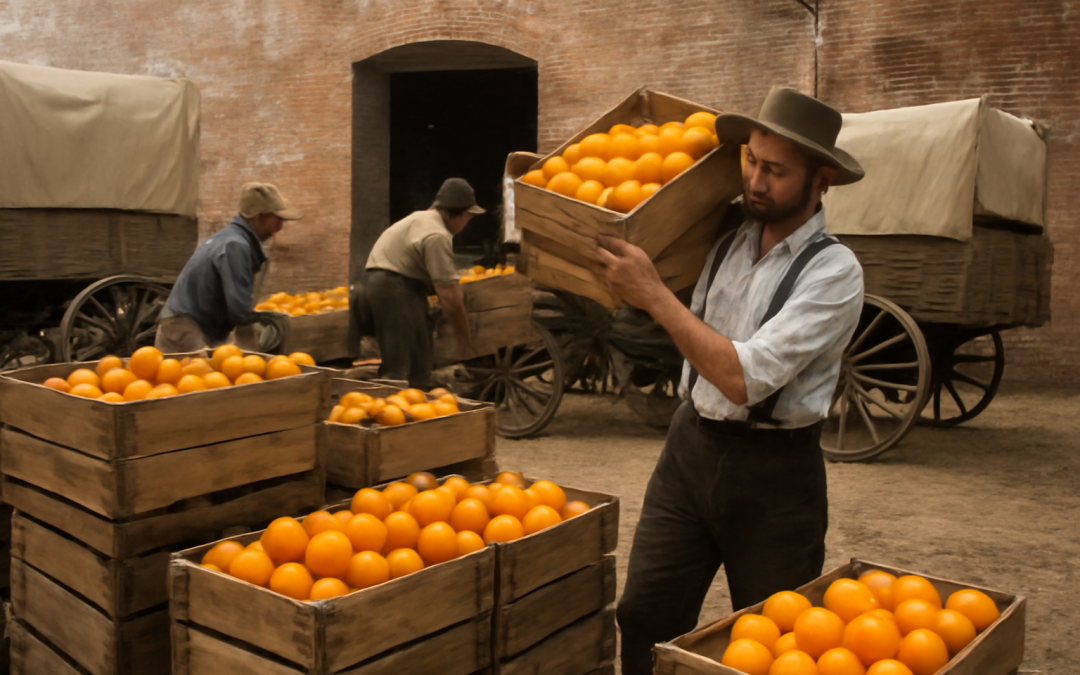
The journey of citrus fruits across the globe is a vibrant tapestry woven through centuries of trade, exploration, and cultural exchange. These fruits, known for their zesty flavors and refreshing qualities, have not only shaped diets but have also influenced economies and international relations. The history of citrus trade is a fascinating reflection of human curiosity and innovation, revealing how a fruit native to one corner of the world came to be cherished and cultivated nearly everywhere. Understanding this history provides insight into the ways commerce and botany intertwined to create a vast network that continues to thrive today.
Originally, citrus fruits grew wild in regions of Southeast Asia, particularly in parts of India, China, and Malaysia. Early on, they were prized for their medicinal properties and unique taste, yet it was in these limited geographic zones that they remained primarily localized. The importance of citrus began to grow as ancient traders discovered the fruit’s potential far beyond the confines of its native environment. The early trade routes of the East, most notably those connecting India, Persia, and the Middle East, played a crucial role in the dissemination of citrus varieties such as citron and pomelo.
The spread of citrus into the Mediterranean world marked a pivotal chapter in its trade history. The ancient Greeks and Romans were among the first Western civilizations to encounter these fruits, though it is believed that the Romans had limited access to citrus during their empire’s height. It was through the expansion of the Roman Empire and the trade routes established along the Mediterranean coast that citrus fruits slowly began to reach European shores. Historical records suggest that the citron was highly regarded during Roman times, particularly for its fragrance and use in religious and ceremonial contexts.
Following the fall of the Roman Empire, much of Europe saw a decline in sophisticated agricultural practices, and citrus cultivation diminished considerably. However, the fruit found a resurgence during the Islamic Golden Age. Muslim traders and explorers expanded cultivation in the Middle East and North Africa, introducing improved agricultural techniques and diverse citrus types to these regions. The Arabs played an instrumental role in refining citrus growing practices, influencing the fruit’s spread into Spain and other parts of the Iberian Peninsula during the medieval period. Their detailed botanical knowledge and irrigation methods were critical in transforming arid landscapes into productive citrus groves.
The Age of Exploration, spanning from the late 15th to the 17th century, was a transformative era for the global citrus trade. As European explorers set sail looking for new territories and trade routes, they encountered new varieties of citrus and began actively cultivating them in their colonies. The Portuguese and Spanish were especially vital in moving citrus plants around the globe. For example, Spanish missionaries introduced orange and lemon trees to the Americas, particularly in regions like Florida, California, and the Caribbean. These introductions had profound impacts, eventually laying the foundation for the large-scale citrus industries that flourished in these areas centuries later.
The economic importance of citrus promptly became evident as it was integrated into the complex trade systems established by European powers. Citrus fruits were not only enjoyed for direct consumption but were valued for their juice, zest, and essential oils. These components found uses in cooking, perfumery, and medicine. Moreover, citrus fruits became essential in long sea voyages for preventing scurvy among sailors due to their high vitamin C content. This practical medicinal use further increased the demand for citrus and stimulated trade networks that extended well beyond the fruit’s origins.
By the 18th and 19th centuries, technological and agricultural advances contributed to the citrus trade’s expansion. The development of better transportation methods, including railroads and steamships, made it possible to move perishable goods like citrus fruits over greater distances more efficiently. This expansion became particularly prominent in the Mediterranean basin, the United States, and later in South America. Florida emerged as a dominant player in the citrus trade, with its warm climate perfectly suited for growing oranges, grapefruits, and other varieties. Citrus cultivation became a pillar of agricultural economies in these regions, with exports growing steadily as global demand increased.
The 20th century witnessed further globalization of the citrus trade, with scientific improvements in cultivation, pest control, and harvesting techniques boosting yield and fruit quality. Advances in refrigeration technology played a pivotal role by allowing citrus to be stored and shipped internationally without spoiling, opening new markets in Europe and Asia. Countries like Brazil, the United States, Spain, and South Africa became major producers and exporters of citrus fruits. The citrus industry became a significant agricultural sector and an important source of employment and economic development in many producing countries.
Throughout this extensive trade history, challenges such as disease outbreaks, pest infestations, and changing climate conditions continually tested the resilience of citrus cultivation and trade. Famous examples include citrus greening disease, which has severely impacted groves in the Americas and Asia. The global trade in citrus had to adapt by investing in research for disease-resistant varieties, improved agricultural practices, and diversified production areas. These efforts highlight the dynamic interaction between commerce, science, and environmental factors that continues to shape the citrus industry today.
In parallel with its economic significance, the cultural impact of the citrus trade has been substantial. Citrus fruits became symbols of hospitality, prosperity, and health in various societies. Iconography and art across many cultures feature these fruits, attesting to their deep-rooted association with abundance and wellbeing. Culinary traditions worldwide evolved around citrus flavors, incorporating their zest and juice into dishes, beverages, and desserts. The global spread of citrus thus also reflects a rich exchange of culinary and cultural identities, making the fruit a universal ingredient cherished in countless kitchens.
More recently, the rise of global health awareness has further boosted the citrus trade. With growing recognition of the nutritional benefits of citrus fruits such as vitamin C, antioxidants, and fiber, consumers around the world have increasingly incorporated them into their diets. The food and beverage industry responded by developing a wide array of citrus-based products, from fresh juices and preserves to flavored snacks and supplements. This trend has further internationalized the trade, encouraging innovation in cultivation, processing, and marketing of citrus fruits.
Today, the citrus trade remains a complex and vibrant part of global agriculture and commerce. Modern supply chains link growers in countries like Mexico, Spain, and South Africa with consumers in North America, Europe, and Asia. This connectivity depends on sophisticated infrastructure including refrigeration, transport logistics, quality control systems, and international trade agreements. As demand continues to evolve, particularly with emerging markets and changing dietary habits, the citrus trade adapts by exploring new varieties, sustainable practices, and value-added products to stay competitive.
The history of citrus trade thus encapsulates a remarkable human journey, from ancient wild groves in Asia to global orchards and markets. It is a story of discovery, adaptation, and continuous innovation shaped by diverse cultures and economies. As we look ahead, the trade will likely face new challenges and opportunities, including environmental sustainability, genetic research, and digital technologies. Nonetheless, the enduring appeal of citrus fruits ensures that they will remain a beloved and vital commodity, connecting people across continents and generations through their bright flavors and historical legacy.