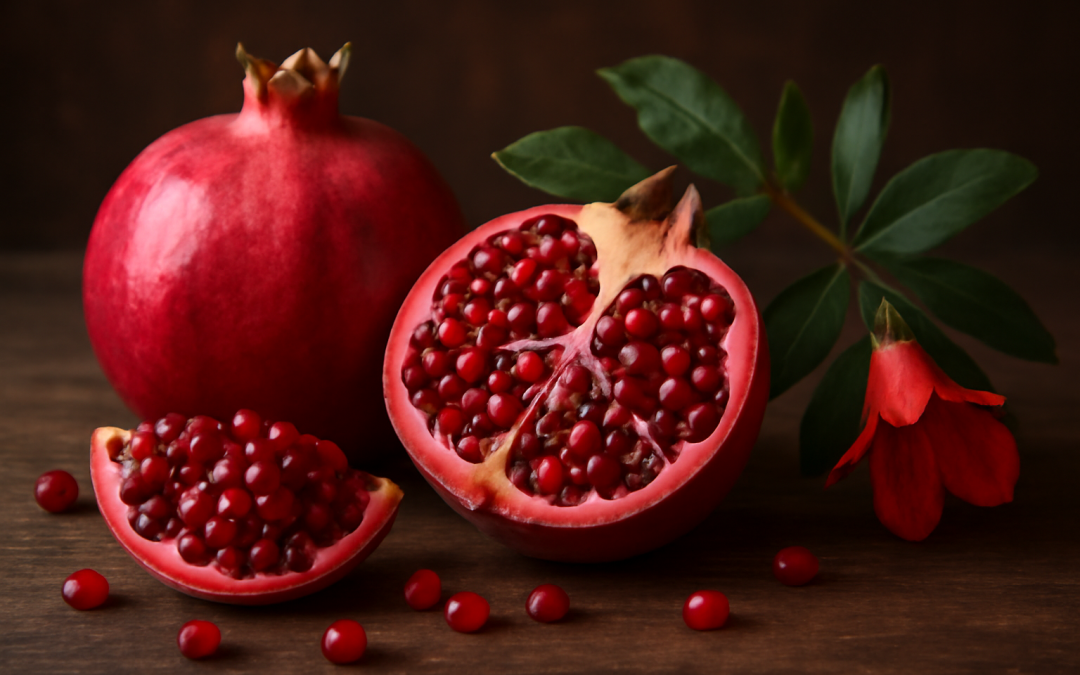
The alluring fruit, with its ruby-red seeds nestled within a leathery rind, captivates not only through its taste but also through its rich symbolic legacy. For centuries, pomegranates have played an essential role in human culture, transcending mere nourishment to embody complex ideas and ideals. This fruit’s intricate design and prolific seed count have inspired symbolic interpretations across various religions, mythologies, and cultural traditions, making it a potent emblem that continues to resonate in contemporary thought and art.
Historically, the pomegranate has been recognized as a symbol of fertility and abundance. Its multitude of seeds represents prolific reproduction and the perpetuation of life. In many ancient societies, this fruit was considered sacred for this very reason, believed to hold the power to encourage growth in the natural world. The abundance of seeds became a metaphor for prosperity, not only in terms of population but also in wealth and spiritual richness. This association with fertility has made pomegranates a common motif in marriage ceremonies and fertility rites, where they serve as a hopeful promise for offspring and prosperity.
In the realm of mythology, the pomegranate’s symbolism takes on a profound narrative depth. One of the most well-known stories originates from Greek mythology, involving Persephone and Hades. Persephone’s consumption of pomegranate seeds in the underworld bound her to return there for a part of each year, thus explaining the seasonal cycle of growth and dormancy in nature. The myth transformed the fruit from a mere agricultural product into a symbol of death and rebirth, as well as the complex interplay between life’s light and shadow. It portrayed the pomegranate as a bridge between worlds, representing both an end and a new beginning.
Religious traditions across the world have also embraced the symbolism of the pomegranate. In Judaism, it is one of the seven species mentioned in the Torah, and it holds a special place during Rosh Hashanah, symbolizing righteousness and the hope that one’s good deeds will be as plentiful as the seeds of the pomegranate. The fruit’s appearance, often said to contain 613 seeds, corresponds with the traditional number of commandments in the Hebrew Bible, reinforcing its spiritual significance. Similarly, in Christianity, the pomegranate has been used to symbolize resurrection and eternal life. Its abundant seeds are seen as a metaphor for the church’s many believers unified within a single body.
Beyond its religious and mythical contexts, the pomegranate holds aesthetic and symbolic value in art and literature. Renaissance painters often included the fruit in their works to convey themes of fertility, regeneration, and divine wisdom. The intricate pattern of seeds inside the fruit visually resonates with the concept of complexity and unity coexisting within a simple exterior. Poets and writers have drawn upon this symbolism as well, employing the pomegranate as a metaphor for themes such as passion, temptation, and knowledge. The fruit’s dual nature—its tough outer shell and the vibrant, bursting seeds inside—serves as a compelling symbol for hidden truths and inner beauty.
In addition to its symbolic meanings, the pomegranate has practical significance that enhances its metaphorical richness. It grows in diverse climates, from the Mediterranean to parts of Asia and the Americas, which has contributed to its widespread cultural adoption. The notion of the pomegranate as a symbol of life and fertility is therefore deeply intertwined with its physical presence in regions historically reliant on agriculture, where its fruits are both sustenance and signifiers of seasonal cycles. Its cultivation and harvest have often been communal activities, tightly woven into the rhythms of rural life, further emphasizing its role as a symbol of community and continuity.
The significance of the pomegranate extends to modern interpretations as well. In contemporary spirituality and holistic wellness circles, it is praised not only for its nutritional benefits but also for its symbolism of health and vitality. Its seeds, bursting with antioxidants, mirror its age-old representation as a source of life and rejuvenation. This modern appreciation underscores the persistence of the fruit’s symbolic power, harmoniously blending ancient meanings with contemporary values of wellness and natural beauty.
Furthermore, the pomegranate features prominently in cultural festivals and rituals around the world, continuing to represent prosperity, hope, and good fortune. In some traditions, offering pomegranates during celebrations is a way of inviting blessings and ensuring a fruitful year ahead. This practice not only connects communities with their heritage but also keeps the symbolic essence of the fruit alive. Whether through symbolic gifting or ritual consumption, the pomegranate remains a tangible link between past beliefs and present-day expressions of human aspiration.
From a psychological perspective, the fruit symbolizes the tension between external appearances and internal realities. Its tough, often unnoticed outer rind contrasts sharply with the rich, vibrant interior packed with seeds. This metaphor resonates in human experience, where external toughness can conceal inner rewards or vulnerabilities. As a symbol, the pomegranate invites reflection on the nature of hidden treasures within ourselves and others, encouraging a deeper appreciation for complexity beneath the surface.
In literature, the fruit’s symbolism is often used to explore themes of temptation and desire. Its scarlet seeds evoke sensuality and passion, a visual cue for narratives involving love, lust, and the bittersweet nature of human relationships. The act of breaking open a pomegranate can symbolize the unveiling of secrets or the opening of new experiences, further lending the fruit an aura of mystery and transformation. As such, it remains a favorite symbol for authors seeking to deepen the emotional resonance of their works.
This layered symbolism has also found expression in visual culture, from ancient mosaics to modern graphic design. The pomegranate’s unique structure, with its sealed compartments and clustered seeds, makes it a compelling artistic motif. Its recurring presence in decorative arts, jewelry, and architecture speaks to its enduring appeal as a symbol of beauty, unity, and life’s cyclical nature. Artists often use the pomegranate to evoke a connection between human creativity and the natural world, highlighting a shared pattern of diversity and cohesion.
The fruit’s complexity is mirrored by its symbolic versatility, which allows it to hold different meanings across cultures and contexts. For some, it is a sacred fruit that embodies divine favor and spiritual fulfillment. For others, it signifies earthly pleasures, fertility, and abundance. In still other settings, it becomes a symbol of mortality and regeneration, embodying the cycles of death and rebirth integral to human existence. This multiplicity of meanings makes the pomegranate a rare and fascinating symbol, capable of bridging cultural divides and historical epochs.
Ecologically, the pomegranate also symbolizes resilience and survival. Its hardy nature, thriving in arid and challenging environments, reminds us of adaptability and strength in adversity. Such qualities have contributed to its symbolic association with endurance and perseverance. Communities have revered the fruit as a testament to life’s persistence despite hardship, a reflection of hope during difficult times.
As global interest in cultural symbols and traditions continues to grow, the pomegranate occupies a special place in discussions about identity and heritage. It serves as a cultural icon that honors ancestral knowledge and connects it to modern narratives. The fruit’s significance has been embraced in literary works, culinary arts, fashion, and even political symbolism, indicating its ongoing relevance. This dynamic presence in contemporary discourse highlights the fruit’s role as a living symbol, constantly evolving yet rooted in deep historical traditions.
In culinary traditions as well, the pomegranate holds symbolic meaning. It is often used in dishes and rituals meant to signify prosperity, renewal, and celebration. Its bright seeds add not only flavor and texture but also visual symbolism to meals during holidays and festivals. The sharing of pomegranate seeds can symbolize unity and the spread of joy, making it a culturally significant ingredient beyond its nutritional content.
The enduring fascination with this fruit underscores a universal human impulse to find meaning and symbolism in the natural world. The pomegranate’s rich history, spiritual connotations, and aesthetic appeal illustrate the power of symbols to communicate complex ideas and emotions. Whether viewed as a gift from the gods, a representation of cyclical time, or a metaphor for hidden potential, the pomegranate continues to inspire and captivate.
Ultimately, the pomegranate’s symbolism reflects fundamental aspects of the human condition: life and death, fertility and barrenness, unity and multiplicity, concealment and revelation. Its layered meanings invite continual exploration and interpretation, ensuring that it remains a potent emblem across time and cultures. Through these myriad symbolic associations, the fruit encourages reflection on the interconnectedness of existence and the enduring hope that characterizes human life. This profound legacy ensures that the fruit’s place in cultural and symbolic history will remain vital for generations to come.