Ceiling fans are more than just a fixture in many homes; they are vital components of indoor comfort throughout every season. Proper ceiling fan maintenance ensures these devices operate efficiently, offering both energy savings and improved airflow no matter the time of year. Whether you rely on your fan to circulate cool air in the summer or to gently redistribute warm air during the colder months, ongoing upkeep is essential to keep it running smoothly and quietly. Neglecting maintenance can lead to decreased performance, increased energy consumption, and even safety hazards.
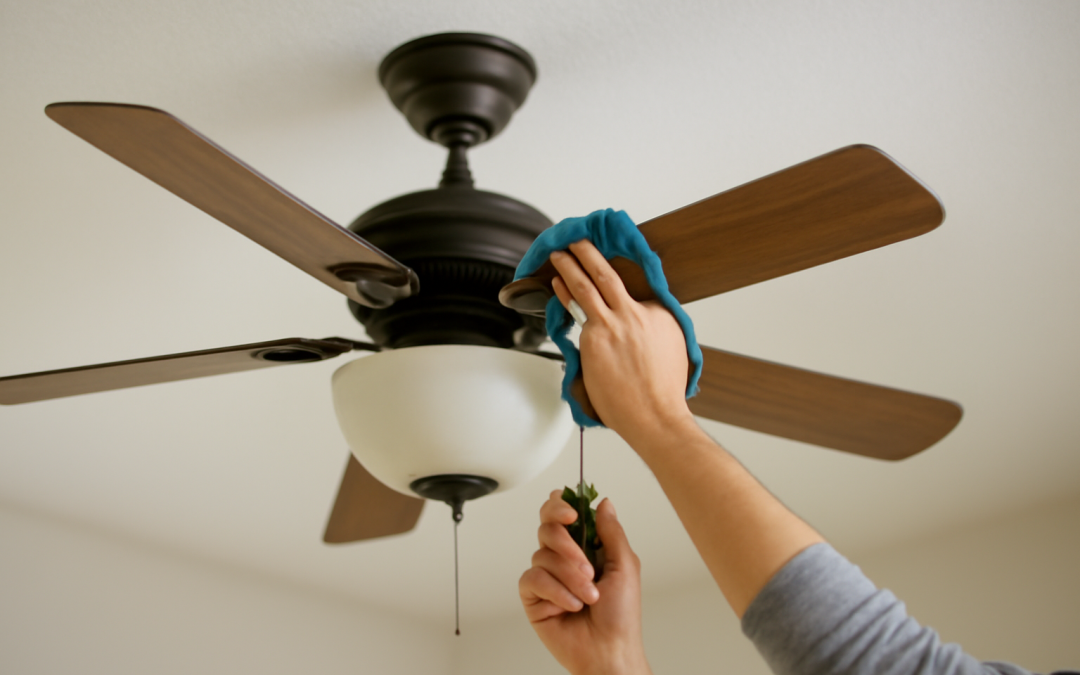
A key aspect of ceiling fan maintenance begins with regular cleaning. Dust and dirt accumulate quickly on the blades, motors, and housing. Over time, this buildup not only diminishes air quality but also causes the fan to work harder than necessary, straining the motor and shortening its lifespan. Using a soft cloth or a microfiber duster to clean the blades and the fan motor exterior can prevent this issue. In some cases, you may need a mild soap solution for stubborn grime, but be cautious not to let water seep into the electrical components. Consistent cleaning every few months is generally sufficient to maintain optimal performance.
Another crucial part of upkeep involves checking the fan’s hardware and electrical connections. The screws that secure the blades and the mounting bracket can loosen due to the vibrations produced during operation. When screws become loose, the fan may wobble or produce noise, which not only undermines your comfort but also signals potential wear and damage. Tightening these screws regularly and inspecting the electrical connections prevents these issues. It is also wise to examine the wiring for any signs of wear or damage and to replace parts as necessary to avoid electrical faults or fire hazards.
Balancing the blades is often overlooked but is critical for smooth, quiet fan operation. If the fan wobbles noticeably when running, this imbalance will eventually cause stress on the motor and hardware. Balancing kits are inexpensive and easy to use, typically including small weights that attach to the blades to counteract unevenness. Before balancing, ensure all blades are clean and free of warps or cracks. In cases where a blade is damaged or warped, replacement is often the best option for maintaining proper balance and performance.
Seasonal adjustments enhance the efficiency of ceiling fans and contribute to year-round comfort. Most fans have a switch to reverse the direction of blade rotation. During warm months, blades should rotate counterclockwise to push air downward, creating a wind-chill effect that makes you feel cooler. In colder seasons, the fan should rotate clockwise at a low speed to gently pull cool air upward and push warm air trapped near the ceiling down the walls and into the living space. Flipping this switch as the seasons change helps in reducing heating and cooling costs and extends the functional versatility of the fan.
In addition to regular cleaning, tightening, balancing, and adjusting direction, the lubrication of the fan’s motor bearings is another important maintenance task. While many modern fans come with sealed bearings that do not require oiling, some older models or premium fans have oil ports. Using the recommended type of lubricant can eliminate squeaky noises and reduce friction, further extending the life of the fan. If your fan’s user manual specifies lubrication, be sure to follow its instructions carefully to avoid voiding warranties or damaging the motor.
Electrical components such as pull chains and wall switches may also need occasional care. Pull chains used to adjust fan speed or turn the fan on and off can become stiff or break with frequent use. Lubricating the chain mechanism with an appropriate product or replacing worn chains helps maintain smooth operation. Similarly, damaged or outdated wall switches can interfere with fan speed control and should be replaced when malfunctioning. Ensuring switch wiring is secure and handling any flickering or intermittent issues promptly will keep the fan operating reliably.
In some instances, fans may exhibit unusual sounds such as humming, rattling, or grinding, which signal underlying problems needing prompt attention. These noises can result from loose components, worn motor bearings, or debris caught in the blades or motor housing. Addressing these problems early not only prevents complete fan failure but also enhances the overall comfort of the living environment by minimizing noise pollution. If you are uncomfortable troubleshooting electrical or mechanical issues on your own, consult a licensed technician to safely perform inspections, repairs, or replacements.
For those looking to improve the energy efficiency of their ceiling fans, periodic maintenance plays a significant role. Clogged blades and poorly balanced components cause the fan to use more electricity while delivering less airflow, reducing its cost-effectiveness. By contrast, a well-maintained fan uses minimal energy and supports environmental sustainability by lowering reliance on air conditioning and heating systems. Additionally, upgrading fan blades to lighter or more aerodynamic models may enhance efficiency, though this should be done in consultation with manufacturer guidelines to ensure compatibility.
Proper installation is foundational to effective ceiling fan maintenance and long-term performance. Ensuring that the fan is securely mounted to a ceiling joist or a support box rated for fan use prevents excessive vibration and wobbling. The mounting system should be inspected yearly for any signs of wear or looseness. Fans installed improperly not only perform poorly but can also present serious safety hazards. If you’re installing a new fan or suspect your current mount is inadequate, professional installation services can provide peace of mind and compliance with electrical codes.
Technology advancements have led to the emergence of ceiling fans equipped with smart features, including remote controls, programmable timers, and integration with home automation systems. Maintaining these more complex fans involves additional steps, such as updating firmware when necessary and troubleshooting wireless connections. Manuals for smart fans often provide specific instructions on battery replacements, sensor cleaning, and software updates to optimize functionality. Embracing these technologies can increase convenience and energy savings, but they also require commitment to a tailored maintenance routine beyond traditional hardware care.
In environments with a lot of moisture or dust, ceiling fan maintenance should be intensified. Fans installed in kitchens, bathrooms, or workshops are more susceptible to dirt buildup, corrosion of metal components, and electrical issues due to humidity. Choosing fans designed for damp or outdoor locations and implementing frequent cleaning and maintenance schedules can mitigate these risks. Regularly inspecting for rust and replacing parts when necessary will ensure reliability and prolong the fan’s usability even under challenging conditions.
Seasonal maintenance checks are also an ideal opportunity to evaluate fan blade alignment and angle. The pitch of the blades directly impacts air movement and overall efficiency. Most residential fans come with blades angled between 12 and 15 degrees. Over time, physical impacts or loosened mounts can alter this angle, reducing airflow and comfort. Adjusting the pitch requires precise tools and experience, so if your fan is not performing as expected even after cleaning and balancing, consulting a professional may be warranted.
Noise reduction is a frequently overlooked benefit of comprehensive ceiling fan maintenance. Fans that hum, buzz, or rattle can detract from the atmosphere of any room. Quiet operation is often a sign of proper lubrication, balanced blades, and secure mounting. For homeowners sensitive to noise or those who use fans in bedrooms, achieving a nearly silent fan operation can significantly enhance quality of life. Implementing a thorough maintenance routine pays dividends not only in functional airflow but also in environmental comfort.
When it comes to safety, an improperly maintained ceiling fan can pose real risks. Loose mounts can lead to fans falling, worn electrical components might cause short circuits or fire hazards, and damaged blade assemblies could shatter under operation. Regular inspection and proactive maintenance reduce these hazards, providing peace of mind alongside comfort. Always prioritize the use of manufacturer-recommended replacement parts to ensure compatibility and safety standards are maintained.
In addition to physical maintenance, cleaning or replacing ceiling fan light fixtures and bulbs is part of year-round care. Dust accumulation on light covers and bulbs reduces brightness and can cause overheating in some cases. Inspecting bulbs for proper wattage and disposing of any flickering or failing bulbs ensures safe illumination. Many ceiling fans combine lighting and airflow functions, making them multipurpose devices that benefit from attention to each component during routine maintenance.
Ultimately, successful ceiling fan maintenance for year-round use is a blend of routine care, seasonal adjustments, and timely repairs. By systematically cleaning, tightening, balancing, lubricating, and inspecting the fan, homeowners can enjoy the benefits of enhanced air circulation, lowered energy costs, and extended equipment lifespan. Proactive upkeep is an investment in both comfort and safety, transforming a basic household fixture into a reliable ally against the extremes of temperature and humidity. Taking these maintenance steps seriously eliminates surprises and guarantees that ceiling fans continue to perform effectively through every change in the seasons.
Maintaining a ceiling fan is a straightforward yet critical process to ensure ongoing comfort and efficiency throughout the year. The integration of cleaning, mechanical care, electrical upkeep, and smart technology management creates a comprehensive approach to fan care that pays off by preventing premature wear and unexpected failures. Whether your goals include energy conservation, noise reduction, or simply enjoying balanced airflow during hot summers and chilly winters, consistent maintenance is the key to unlocking the full potential of your ceiling fan as a year-round comfort solution.