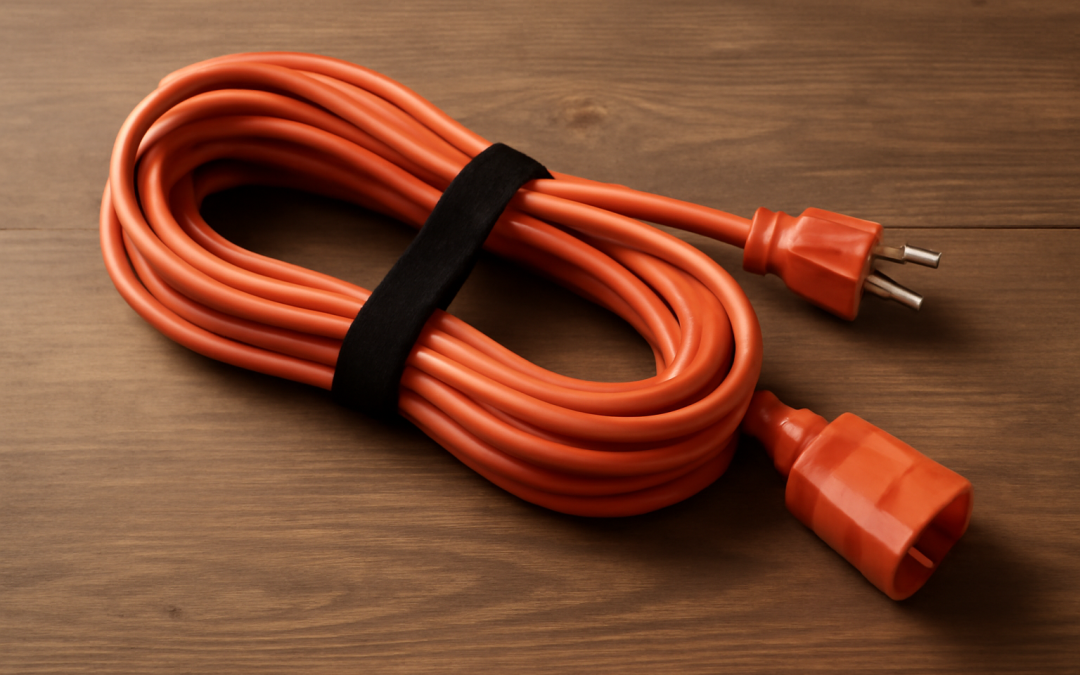
Extension cords are indispensable tools in both residential and professional settings, providing the flexibility to power devices where outlets are scarce or out of reach. However, despite their critical function, extension cords often receive little attention in terms of proper storage and maintenance. Poor care can lead to decreased performance, safety hazards, and a shorter lifespan, making it essential to understand the best practices for handling extension cords. Proper extension cord storage and care not only extends the usability of the cords but also safeguards users from potential electrical dangers.
When dealing with extension cords, one of the most common issues stems from improper storage. Wrapping cords haphazardly or stuffing them into a drawer or tool box can result in tangling, kinks, or internal wire damage. These damages are often invisible at first glance but can create hot spots or electrical shorts over time. To avoid this, extension cords should be neatly coiled using a technique that prevents twisting or sharp bends. The over-under method of coiling is especially effective because it preserves the internal wiring’s integrity and allows for quick, tangle-free deployment. This method involves alternating the direction of each loop, which counteracts the natural tendency of cables to twist.
Another important consideration for extension cord storage involves environmental conditions. Storing cords in damp, humid, or excessively hot areas can degrade their insulation material, leading to cracks and brittleness. This damage compromises the cords’ ability to protect against electrical shock. Ideally, extension cords should be stored in a dry, cool environment away from direct sunlight and extreme temperature fluctuations. If cords have been used outdoors, they should be cleaned and completely dried before storage to prevent mold, mildew, or corrosion on the connectors.
Regular maintenance is just as crucial as proper storage. Before using any extension cord, visually inspect the entire length for frayed wires, exposed copper strands, or cracked insulation. Pay particular attention to the plug ends, as these are high-stress points prone to damage. Plug pins that are bent, corroded, or loose could lead to poor connections or electrical arcing. If any damage is detected, the cord should be replaced immediately; attempting to repair extension cords without professional expertise can be risky and may violate local electrical codes.
Cleaning extension cords can also improve their longevity. Dust and dirt buildup on plugs and connectors can interfere with proper electrical contact. A gentle wipe with a cloth slightly dampened with a mild detergent solution can remove grime. For stubborn residue on prongs, a soft brush or fine sandpaper can be used carefully to restore a clean surface, but this should be done sparingly to avoid removing protective coatings. It’s important that cords are completely dry before plugging them in again to avoid any electrical hazards.
Labeling cords can also enhance organization, particularly in environments where multiple extension cords are in use, such as workshops or construction sites. By clearly marking each cord with its length, intended use, or maximum amperage rating, users can quickly select the right cord for the job. This reduces the likelihood of overloading cords, which is a common cause of overheating and potential fire risk. Extension cords should be selected based on their gauge rating and the power demands of the devices they will serve. Undersized cords under excessive loads can quickly deteriorate, making careful matching a critical aspect of extension cord care.
In addition to physical storage methods, using appropriate cord reels or storage spools can make a significant difference. These devices provide structured spaces for winding cords, prevent tangling, and often include locking mechanisms to keep the cord in place. Many cord reels are portable, allowing for easy transport to different job sites or areas within a home. When purchasing a cord reel, ensure it is rated for the cord gauge and length to avoid undue stress. Cord reels also encourage regular inspections and maintenance by keeping the entire length of the cord visible and accessible.
For those who frequently use extension cords outdoors or in tough conditions, extra precautions are necessary. Cords designed specifically for outdoor or heavy-duty use usually have reinforced insulation and weather-resistant sheathing, but even these require mindful storage and care. After each use, these cords should be inspected for cuts, abrasions, or embedded debris such as small stones or wood splinters that could damage the insulation. Outdoor cords should never be left exposed to direct sunlight for prolonged periods, and when not in use, they should be stored inside a container or cabinet designed for outdoor tools.
Safety plays a vital role in extension cord management. Besides regular maintenance, ensuring cords do not become tripping hazards is essential. Cords left sprawled across floors or walkways can cause accidents, so using cable protectors or securing cords along walls or under rugs can prevent mishaps. Moreover, extension cords should never be modified with makeshift repairs such as electrical tape patches, as these are temporary and unreliable, often leading to serious safety issues.
Seasonal care is another aspect often overlooked. For example, during winter months, extension cords used with holiday lights or heating devices should be inspected for cold weather damage. Cold temperatures can make the insulation stiff and prone to cracking if handled roughly. Conversely, extreme heat in summer can soften insulation and make cords more vulnerable to cuts and abrasions. During off-seasons, storing extension cords in climate-controlled conditions helps maintain the integrity of the materials.
The practice of investing in quality extension cords pays dividends over time. Cheaper, poorly made cords tend to deteriorate faster and are more likely to develop faults that pose safety risks. By choosing cords from reputable manufacturers that comply with safety standards such as UL (Underwriters Laboratories) certification, users can be confident in their durability and performance. Beyond purchase, these premium cords often come with user guidelines for care and storage, helping to prolong their service life.
In commercial settings, extension cord care may require adherence to specific workplace safety standards and regulations. Employers should develop policies governing the inspection, storage, and replacement of extension cords to ensure consistent safety practices. Routine training for workers on how to properly handle extension cords minimizes misuse and prevents accidents. Documenting inspections and maintenance activities also helps track cord condition and lifespan, enabling timely replacement before critical failures occur.
As technology advances, some extension cords now feature built-in safety enhancements such as circuit breakers or surge protectors. While these features add layers of protection, they do not replace the need for proper storage and care. Even the most advanced cords are vulnerable to damage from neglect, so adherence to fundamental storage and maintenance principles remains crucial.
Ultimately, extending the life and ensuring the safety of extension cords requires a thoughtful, methodical approach. Consistent attention to storage, regular maintenance, appropriate usage, and adherence to safety protocols preserves the cords’ functionality and protects users. By adopting well-informed extension cord care habits, homeowners and professionals alike can avoid costly replacements, reduce downtime, and prevent hazardous situations. Investing time and effort into proper extension cord management is a simple step that yields long-term reliability and peace of mind.