In the vast and varied tapestry of hip hop history, few projects have carried as much weight and influence as those emerging from the West Coast scene. This region, with its sun-soaked streets and gritty realities, fostered a sound distinct from the East Coast’s boom-bap or the Southern drawl, creating its own culture and style that resonated nationwide and beyond. A true blueprint for this movement, “The Chronic,” redefined the genre and laid the foundation for future artists who aspired to capture the essence of West Coast life. The Chronic review not only represents a critique of an album but an exploration of an era, a culture, and an undeniable legacy.
Released in the early ’90s, “The Chronic” stood out not just for its sonic innovation but also for its bold storytelling and production techniques. Dr. Dre, the mastermind behind the project, was already respected for his work with N.W.A., but this solo debut took his vision to new heights. The album’s production embraced the lush, synthesized beats of G-funk while weaving in funk samples from artists like Parliament-Funkadelic. This fusion generated a smooth yet hard-hitting soundscape that perfectly mirrored the lifestyle and struggles of its creators. From the opening track, listeners are drawn into a world that feels simultaneously laid-back and charged with energy.
One of the most remarkable aspects of this project is how it captured the complexities of West Coast urban life. The Chronic review cannot ignore the way the lyrics mirror the social and political climate of the time—addressing issues like police brutality, gang violence, and systemic inequality. Tracks such as “Nuthin’ but a ‘G’ Thang” and “Let Me Ride” not only provide unforgettable hooks and catchy rhythms, but also highlight a culture trying to assert itself amid adversity. The lyrical content speaks to both the aspirations and frustrations of a generation seeking to make sense of their environment through music.
The Chronic’s influence extends far beyond its immediate commercial success. Its production style became a blueprint for countless artists and producers who sought to emulate its fusion of heavy basslines, melodies, and funk samples. Dr. Dre’s use of layered instrumentation, particularly the incorporation of synthesizers and background vocals, set new standards for quality and creativity in hip hop production. This evolution of sound helped propel West Coast rap into mainstream consciousness and sparked new collaborations and rivalries that shaped the genre for years.
Beyond just Dr. Dre’s prowess as a producer, the album introduced audiences to an impressive roster of collaborators who would also go on to shape hip hop culture. Snoop Dogg’s debut presence on this album arguably launched one of the most iconic careers in rap history. His laid-back flow and charismatic delivery on tracks like “Gin and Juice” were already distinct, but combined with Dre’s production, it created a listener experience that was both fresh and timeless. This partnership exemplified the collective spirit behind much of West Coast hip hop’s rise—an interdependent community whose members pushed one another to innovate.
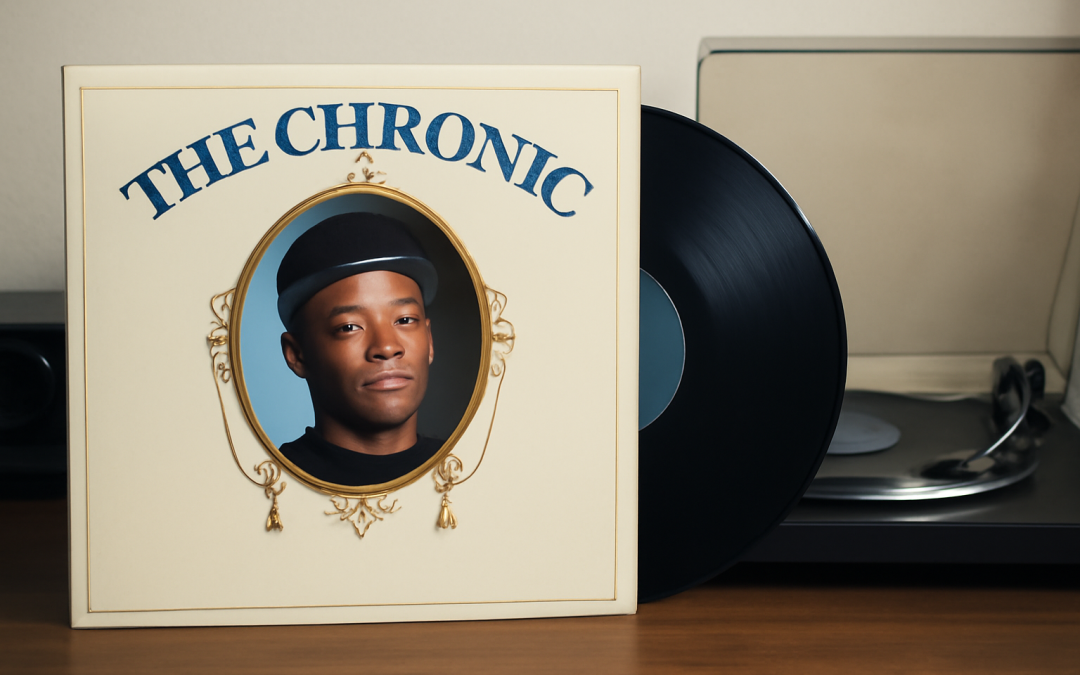
The Chronic review also highlights the album’s visual and cultural impact. The cover art, designed with a photographic style reminiscent of a Blaxploitation movie poster, immediately set a tone of defiance and coolness. This imagery became synonymous with the West Coast lifestyle that Dre and his peers sought to portray. The music videos accompanying the singles further reinforced this narrative, showcasing the beaches, cars, and street scenes familiar to the album’s audience. This integration of music and visual storytelling played a key role in establishing the identity of a regional hip hop culture.
One cannot examine the significance of this album without acknowledging the controversy it sparked. The explicit lyrics and unapologetic depiction of street life drew sharp criticism from various media and political figures, who feared the glorification of violence and misogyny. Yet, this pushback only underscored the authenticity of the work. The Chronic review shows us that these themes were not meant to sensationalize but to depict reality from a specific perspective. In a world saturated with sanitized narratives, the album’s raw honesty struck a chord with listeners who felt unseen or unheard elsewhere in popular culture.
Moreover, the album’s layered storytelling goes beyond surface-level bravado. Beneath the beats and hooks lies a reflective examination of identity, ambition, and resilience. The Chronic review reveals how the tracks often navigate between celebration and caution, between the allure of wealth and the dangers inherent in the paths taken to achieve it. This complexity grants the album a timelessness, allowing new generations of fans to find relevance despite changing cultural landscapes. The emotions and experiences conveyed are not confined to a moment but echo the broader human struggle for respect and self-determination.
In the broader context of hip hop’s evolution, The Chronic represents a turning point. It helped cement Los Angeles and the surrounding areas as major hubs for rap music, challenging the dominance of New York’s scene. The album’s success proved that regional sounds could translate to a national and even global audience without losing their unique flavor. This democratization of hip hop was essential in fostering the genre’s growth into the multi-faceted powerhouse it is today. The chronic review shows how this album’s legacy can be heard in the beats of countless artists who followed, carrying pieces of its DNA into new musical frontiers.
Production values on this album were meticulously crafted, setting a benchmark for the industry. Dr. Dre’s attention to sonic detail created a clear, potent listening experience that balanced vocals and instrumentation impeccably. The spacious mixes allowed for both lyrical clarity and instrumental richness, something not always achieved in hip hop at the time. This flawless production elevated the material and earned The Chronic enduring praise from critics and producers alike. The review of this album underscores how its technical aspects contributed significantly to its artistry and appeal.
Additionally, the narrative arc across the album’s tracks creates a consistent thematic journey. The sequencing invites listeners to move through different moods and environments, from party anthems to introspective moments. This cohesion adds to the sense that the album is not just a collection of singles but a complete work with artistic integrity. Each song builds on the others, reinforcing motifs of pride, struggle, and the celebration of community. This conceptual approach to album-making set a precedent for future releases in hip hop and other genres.
The Chronic also had a profound impact on the sociocultural landscape beyond music. It played a part in shifting perceptions about West Coast urban communities, offering an insider’s perspective that challenged mainstream stereotypes. By giving voice to the everyday realities of people often marginalized in society, the album contributed to a broader conversation about race, class, and opportunity in America. Its artistic success helped validate hip hop as a serious cultural form capable of expression and influence beyond entertainment alone.
Listening to The Chronic today remains a powerful experience, revealing nuances that might be missed by casual listeners. The layers of lyrics, sounds, and moods invite repeated engagement and deeper interpretation. The chronic review points to the album’s status as a classic not only for historical reasons but because it continues to resonate artistically and emotionally. As hip hop has evolved, treasuring foundational works like this ensures that the roots and origins of the genre’s diversity remain visible and appreciated.
Ultimately, this album is a testament to the power of vision and perseverance. Dr. Dre’s ability to channel personal and collective experience into a coherent and innovative project underscores the potential of music to transcend barriers. The Chronic review affirms that this album’s influence extends through generations, inspiring countless artists to explore their own voices while respecting the groundwork laid before them. It stands as a milestone not only in West Coast hip hop but in the broader narrative of music history.
In conclusion, the legacy of this project lies in its multifaceted contribution to music, culture, and societal discourse. Its groundbreaking production, compelling narratives, and cultural authenticity combined to create an enduring blueprint for West Coast hip hop. The Chronic review highlights how this album continues to inspire, challenge, and reflect both the spirit of an era and the timeless qualities of great art. For those who seek to understand hip hop’s evolution, it remains an essential touchstone—and a masterclass in how music can shape and define a movement.