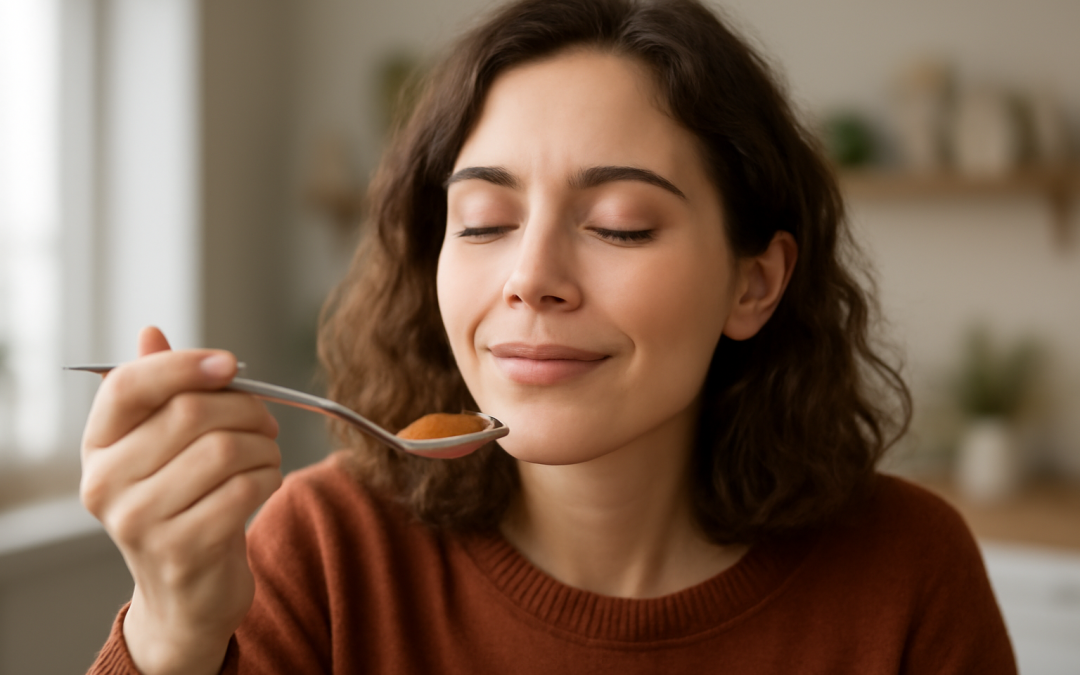
The intricate relationship between our senses and memory has long fascinated scientists and psychologists alike. Among these interactions, the connection between flavor and memory stands out as particularly compelling, partly because it involves a complex integration of sensory experiences and emotional responses. Flavor memory is not merely about recalling the taste of a food or beverage; it encompasses a rich tapestry of sensations, emotions, and contextual associations that shape how we perceive and remember flavors. Understanding this phenomenon offers profound insights into how the brain processes taste and why certain flavors can evoke vivid recollections or emotional reactions even years after they were first encountered.
At the core of flavor memory is the unique way our sensory systems work together. Flavor is not solely dictated by taste buds detecting basic tastes such as sweet, sour, salty, bitter, and umami; it is also heavily influenced by the olfactory system, the sense of smell. When we eat, volatile compounds from the food travel to the olfactory receptors in the nasal cavity, creating a rich array of smells that blend with the taste signals. This combination of taste and smell signals is processed in the brain, particularly in the orbitofrontal cortex, which plays a crucial role in integrating multisensory information. This integration forms the basis of flavor as a holistic sensation, and it is this integrated sensory input that the brain encodes as flavor memory.
The hippocampus, a region widely known for its essential role in the consolidation of long-term memories, is intimately involved in flavor memory as well. When a flavor is experienced, especially in a context laden with emotional or novel significance, the hippocampus helps bind together the sensory experience with the surrounding environment and emotional state. This is why certain foods can trigger autobiographical memories or feelings with remarkable clarity. For instance, the taste of a particular spice or the smell of baked bread can suddenly transport an individual back to a specific moment in childhood or an important life event, a phenomenon often referred to as the “Proustian effect,” named after the French writer Marcel Proust who famously described such an experience.
It is not only the brain’s memory centers that shape flavor recall but also the plasticity of sensory neurons. Research has shown that the neurons responsible for detecting taste and smell can adapt based on repeated exposures, resulting in changes in perception. This neuroplasticity means that flavor memory is dynamic rather than static; repeated exposure to certain tastes can either strengthen positive associations or, conversely, lead to aversions. This mechanism is part of why cultural and familial backgrounds strongly influence flavor preferences. Foods that are commonly eaten during formative years become deeply embedded in the flavor memory system, often contributing to lifelong preferences or dislikes.
Moreover, emotional context plays a pivotal role in flavor memory formation and retrieval. The amygdala, which is involved in processing emotions and rewards, interacts closely with other memory-related regions to modulate how flavor memories are stored and recalled. When a flavor experience is paired with strong positive emotions—such as the joy surrounding a festive meal or the comfort of a familiar homemade dish—the resulting flavor memory is more robust and enduring. Conversely, negative emotional experiences linked to a particular flavor, such as food poisoning or unpleasant social contexts, can lead to avoidance behaviors and aversive memories.
Scientific studies have delved into the nuances of how flavor memory develops and changes over time. For example, children tend to have stronger flavor aversions than adults, possibly because early taste experiences are strongly connected to survival instincts aimed at avoiding harmful substances. As the brain matures, individuals gain a greater ability to modulate these aversions through repeated exposure and learning, which explains why palates often expand in adulthood. Interestingly, the elderly often experience diminished flavor memory as sensory modalities like taste and smell decline with age, which can impair appetite and nutritional intake. This deterioration highlights the interdependence between sensory acuity and the ability to retrieve flavor memories.
The science of flavor memory goes beyond human experience to inform various industries, including food production, marketing, and healthcare. In the culinary world, chefs often leverage knowledge of flavor memory to craft dishes that evoke nostalgia or create memorable dining experiences. This understanding allows for the intentional use of familiar ingredients or combinations that tap into collective flavor memories shared by cultural groups. Similarly, the food and beverage industry uses flavor memory research to tailor products that resonate with consumers’ emotional and sensory expectations, enhancing brand loyalty and customer satisfaction.
In healthcare settings, flavor memory has practical applications in improving patient outcomes, particularly among individuals with cognitive impairments such as Alzheimer’s disease or dementia. Since flavor memory is closely intertwined with emotional memory, familiar tastes can sometimes stimulate recognition and positive responses in patients who may have difficulty with verbal communication or other forms of memory. Therapeutic interventions that utilize familiar smells and tastes are being explored as non-pharmacological approaches to enhance quality of life and cognitive engagement in these populations.
Current research also investigates how genetics influence flavor perception and memory. Variations in taste receptor genes can affect not only sensitivity to certain tastes—such as bitterness or sweetness—but also how flavor memories are encoded and retrieved. These genetic differences help explain why people have diverse flavor preferences and why some individuals are more prone to developing intense flavor memories, whether positive or negative. Furthermore, ongoing studies are exploring how epigenetic factors, including diet and environmental exposures, interact with genetic predispositions to shape flavor memory throughout life.
Another dimension of flavor memory involves its social and cultural context. Food is deeply embedded in cultural identities, rituals, and social interactions, and, as a result, flavor memories often carry shared meanings and symbolism. Communal eating experiences help to strengthen social bonds through the collective creation and reinforcement of flavor memories. This reinforces the idea that flavor memory is not only an individual sensory and emotional construct but also a social phenomenon that contributes to group identity and cohesion.
Technological advancements, such as neuroimaging and sensory testing methodologies, have enabled greater exploration of the neural underpinnings of flavor memory. Functional magnetic resonance imaging (fMRI) studies have revealed distinct brain activation patterns when subjects recall flavors compared to other types of memories, underscoring the specialized nature of flavor processing. These tools also allow researchers to examine how flavor memory interacts with other cognitive functions such as attention, decision-making, and learning.
The interplay between flavor and memory further influences dietary behavior and nutrition. Positive flavor memories can encourage consumption of healthy foods if earlier exposure was favorable, while negative associations can contribute to aversions and poor dietary choices. Understanding these psychological dimensions can assist dietitians and public health officials in designing more effective nutrition interventions that not only appeal to taste but also leverage memory and emotional connections.
In sum, flavor memory is a multifaceted phenomenon that integrates sensory perception, neural processing, emotional context, genetic factors, and social environment. This rich interplay underlies the profound ability of certain tastes and smells to transport individuals through time, evoke emotions, and solidify cultural ties. Recognizing and harnessing the science behind flavor memory opens promising pathways for innovation in culinary arts, medicine, marketing, and beyond. Ultimately, it reminds us that eating is not just a biological necessity but a deeply meaningful experience shaped by the invisible threads of memory.