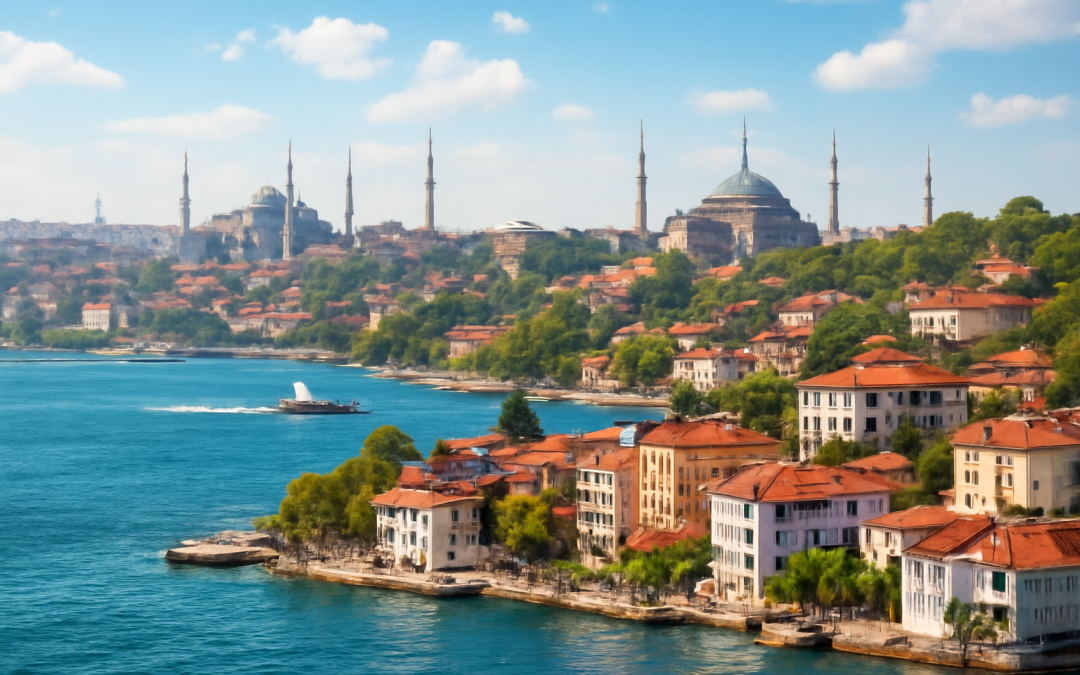
Turkey offers a captivating blend of history, culture, and natural beauty that few countries in the world can match. From the bustling streets of Istanbul to the serene coastal towns hugging the Aegean and Mediterranean seas, visitors are enveloped in a land where ancient civilizations meet modern vibrancy. This rich tapestry invites travelers to explore a diverse array of experiences, from exploring sprawling bazaars and towering mosques to lounging on pristine beaches and sailing azure waters.
At the heart of any journey through Turkey lies Istanbul, a city that spans two continents and countless historical epochs. Formerly known as Byzantium and Constantinople, Istanbul has been the capital of several great empires, including the Roman, Byzantine, and Ottoman. This millennium-spanning heritage is visible everywhere—from the majestic Hagia Sophia with its soaring dome and Byzantine mosaics, to the imposing Topkapi Palace, home to Ottoman sultans for centuries. Walking through Istanbul’s neighborhoods offers a sensory feast as the aroma of spices, roasting chestnuts, and fresh simit fills the air. The Grand Bazaar stands as a labyrinthine emporium where artisans sell everything from exquisite carpets to intricate jewelry, while the adjacent Spice Bazaar tempts visitors with fragrant herbs, dried fruits, and vibrant teas.
Beyond Istanbul’s urban allure, Turkey’s coastline beckons with a vastly different charm. Stretching thousands of kilometers along both the Aegean and Mediterranean, this coastline is dotted with ancient ruins, charming villages, and sun-drenched beaches. The Aegean coast is particularly renowned for its blend of turquoise waters and centuries-old sites such as Ephesus, where the sprawling amphitheater and the Library of Celsus recall a time when the city was a major cultural hub. Nearby seaside towns like Çeşme offer windsurfing and vibrant nightlife, while Alaçatı captivates with its cobblestone streets and boutique hotels set among vineyards and olive groves.
Moving southward toward the Mediterranean, the Turkish Riviera—also known as the Turquoise Coast—offers a spectacular stretch of coast defined by crystal-clear waters, dramatic cliffs, and pine-covered mountains. Towns like Kaş and Kalkan dazzle with charming harbors, boutique accommodations, and an atmosphere that blends laid-back luxury with deep historical significance. These areas are perfect for exploring underwater ruins via scuba diving, or taking boat trips to secluded coves where quiet beaches invite relaxation far from the crowds.
The combination of cultural treasure troves and natural beauty creates a journey that is both enriching and rejuvenating. Whether wandering through Istanbul’s historic Sultanahmet district, where the Blue Mosque’s elegant minarets pierce the skyline, or strolling along the promenade in Bodrum with its whitewashed buildings and vibrant nightlife, the sense of place remains undeniably Turkish. Adding to this is the warmth and hospitality of the local people, whose traditions and customs invite visitors to experience Turkish tea culture, sample mezes and kebabs, and participate in festivals that celebrate seasonal changes and communal bonds.
Culinary exploration plays a prominent role during any visit to these regions, with both Istanbul and coastal areas offering cuisine that reflects their geographical and historical diversity. In Istanbul, mezze plates brimming with rich hummus, smoky eggplant dishes, and fresh seafood along the Bosphorus deliver a sensory adventure, while street vendors offer simit rings and hearty börek pastries. Along the coasts, the fresh catch of the day transforms into grilled fish and shrimp dishes, often enjoyed al fresco overlooking the sea. Olive oil, lemons, and herbs like oregano and thyme give the cuisine a distinctly Mediterranean character, making meals here not only delicious but deeply tied to the landscape.
For those interested in history, the empire-building narratives continue beyond Istanbul and into many coastal archaeological sites. The ancient city of Troy on the northern Aegean coast presents layers of myth and legend intertwined with real historical ruins. Nearby Pergamon is another highlight, boasting temples, a theater carved into the hillside, and the remains of one of the ancient world’s most impressive library complexes. These sites remind travelers how Turkey serves as a cradle of civilizations, where Hellenistic, Roman, Byzantine, and Ottoman legacies intermingle seamlessly.
Nature lovers will appreciate that Turkey’s coastal regions offer more than just beaches and antiquities. The Taurus Mountains form a dramatic backdrop to many Mediterranean towns, providing hiking opportunities through rugged landscapes and cedar forests. The Dalyan delta, a short distance from the coastal resorts, is a sanctuary for endangered loggerhead turtles and a birdwatcher’s paradise, dotted with reed beds and mud baths. Meanwhile, the thermal springs in Pamukkale, with its surreal terraces of mineral-rich waters, offer a unique combination of wellness and UNESCO World Heritage status.
Transportation in Turkey supports easy access to both city and coast, with well-developed networks of highways, ferries, and regional airports. Ferries crossing the Bosphorus in Istanbul offer spectacular views of the city’s skyline and connect Asian and European parts in minutes. Along the coast, frequent minibuses and rental cars enable tourists to explore hidden gems and less-visited villages nestled between larger towns. This accessibility encourages a flexible itinerary, allowing visitors to experience the frenetic energy of Istanbul alongside the tranquil pace of seaside life.
Seasonality is also a compelling factor when planning a trip, as the coastal areas offer distinct advantages depending on the time of year. Summer months bring peak beach conditions and bustling tourist spots, while spring and autumn provide milder weather, suitable for hiking, cultural site visits, and more intimate encounters with local communities. Winters, though colder and wetter, reveal a quieter Turkey where fewer tourists visit, allowing a more contemplative exploration of cities like Istanbul and opportunities for culinary indulgence in cozy traditional restaurants.
One cannot overlook the significance of festivals and cultural events that animate both Istanbul and coastal towns throughout the year. Istanbul’s International Film Festival and Istanbul Biennial celebrate contemporary arts, drawing global attention and fostering a vibrant creative atmosphere. On the coasts, local harvest festivals showcase agricultural traditions, music, and dance, offering an authentic glimpse into Turkish rural life. Events such as the Bodrum Ballet Festival and the Kaş International Culture and Art Festival highlight the thriving art scenes in these picturesque settings.
While the modern conveniences of city life are evident in Istanbul’s chic cafes and luxury hotels, the city’s historic essence remains deeply intact, presenting an enduring link to its past. The Bosphorus itself symbolizes this connection—a vital waterway that has linked East and West for centuries, lined by palaces, ancient fortresses, and charming fishing villages. Cruises along this strait offer a unique perspective on how natural geography has shaped trade, defense, and cultural exchange, making it an unmissable experience for visitors.
The deep spirituality of the region also speaks to the enduring faith communities and religious architecture found throughout both Istanbul and the coastal areas. Ottoman mosques, Byzantine churches, and ancient synagogues reflect a mosaic of beliefs that have coexisted for centuries. Visiting these sacred spaces, from the glittering interiors of the Süleymaniye Mosque to the quiet serenity of the Church of St. Nicholas in Demre, provides insight into the city and country’s complex identity and the values that continue to influence everyday life.
For adventurous souls, the coastal waters present numerous possibilities for outdoor activities beyond sunbathing and swimming. Sailing tours along the Lycian coast, known as the Blue Cruise, combine stunning sea views with the chance to explore secluded bays and ruins accessible only by boat. Kayaking and snorkeling in crystal-clear coves reveal underwater grottoes and marine life, offering a unique way to connect with the natural environment. Inland, trekking routes like the Lycian Way offer multi-day hikes through varied terrain, dotted with ancient ruins and traditional shepherd villages, blending physical challenge with cultural discovery.
Shopping in Istanbul and coastal resorts further enriches the travel experience, with a focus on handcrafted goods and unique local products. Istanbul’s markets and boutiques provide a vast array of items from hand-woven carpets and leather goods to ceramics and spices. Along the coast, artisans produce pottery, textiles, and jewelry that often draw on traditional motifs and techniques passed down through generations. Collecting these pieces is not only a way of taking home a tangible memory but also supporting the continuity of Turkey’s rich artistic heritage.
The hospitality industry in these regions expertly balances modern comfort with authentic experiences. Boutique hotels housed in historic buildings allow guests to immerse themselves in the character of their surroundings while enjoying contemporary amenities. Many accommodations emphasize sustainability and local sourcing, bringing farm-to-table dining into focus and promoting eco-tourism practices. This alignment with responsible tourism ensures that the natural and cultural riches of Turkey’s landscapes are preserved for future generations.
Every journey through the country underscores a distinct sense of place and continuity. Despite rapid modernization and the influx of global influences, Istanbul and the coastal towns maintain identities deeply rooted in their histories and geographies. Stone streets in Istanbul’s historic districts coexist with glass skyscrapers; seaside villages retain their fishing traditions even as luxury yachts dot the harbors. This blend creates a multifaceted narrative that invites travelers to explore multiple layers of Turkey’s present and past.
The culinary and cultural experiences also extend into the realm of music and dance, where traditional forms thrive alongside contemporary expressions. In Istanbul, one can attend performances of the whirling dervishes, a spiritually evocative practice embodying centuries-old Sufi traditions. Coastal festivals often feature folk dances and music that express local identities and histories, keeping alive the communal spirit of celebration and storytelling. Engaging with these performances enriches the visitor’s understanding of the country’s intangible cultural heritage.
In practical terms, travelers benefit from well-developed infrastructure that supports a seamless exploration of both Istanbul and the coastal areas. Public transportation in Istanbul, including trams, metros, and ferries, facilitates movement around the sprawling metropolis, enabling easy access to major sites and neighborhoods. Along the coast, rental cars and mini-buses offer the flexibility to visit remote beaches, archaeological sites, and charming villages. Many tour operators also provide guided experiences that delve into specific interests such as history, cuisine, or nature, allowing for a personalized approach.
Turkey’s diverse landscapes and cultural offerings create a journey that appeals to a wide range of interests, whether the traveler seeks historical immersion, nature, culinary discovery, or simply relaxation by the sea. Istanbul’s dynamic energy contrasts beautifully with the tranquil rhythms of coastal life, creating travel experiences that are layered, varied, and deeply rewarding. Across these destinations, the sense of welcoming and shared history invite visitors to step beyond simple tourism and become part of a living story, unfolding across millennia.
In conclusion, the journey through Turkey’s vibrant cityscapes and stunning coastal regions reveals a nation that seamlessly integrates its rich past with a dynamic present. The interplay between Istanbul’s urban allure and the serene coastal retreats underscores Turkey’s unique geographical and cultural position bridging continents and traditions. Every moment spent exploring this diverse tapestry enriches the soul and broadens the mind, leaving visitors with memories that are as vivid and enduring as the landscapes themselves. This blend of history, nature, and hospitality ensures that travelers come away inspired and enriched, carrying with them a profound appreciation for one of the world’s most captivating destinations.