Maintaining a fence is an essential task for any property owner who values aesthetics, privacy, and security. Whether the fence is made of wood, vinyl, or metal, proper upkeep not only extends its lifespan but also enhances the overall appearance of the outdoor space. Each material comes with its own set of challenges and maintenance requirements that, when followed diligently, ensure the fence remains sturdy and visually appealing. Understanding these differences is crucial to keeping a fence in top condition year after year.
Wood fences are cherished for their natural beauty and versatility, but they demand consistent attention to prevent weather-related damage. Wood is prone to issues such as warping, rotting, and insect infestation, especially in regions with high humidity or extreme weather changes. One of the most critical steps in maintaining a wood fence is regular inspection for cracks, loose nails, or splintering wood, which can be early signs of deterioration. Addressing these problems promptly can prevent more extensive damage and preserve the fence’s structural integrity.
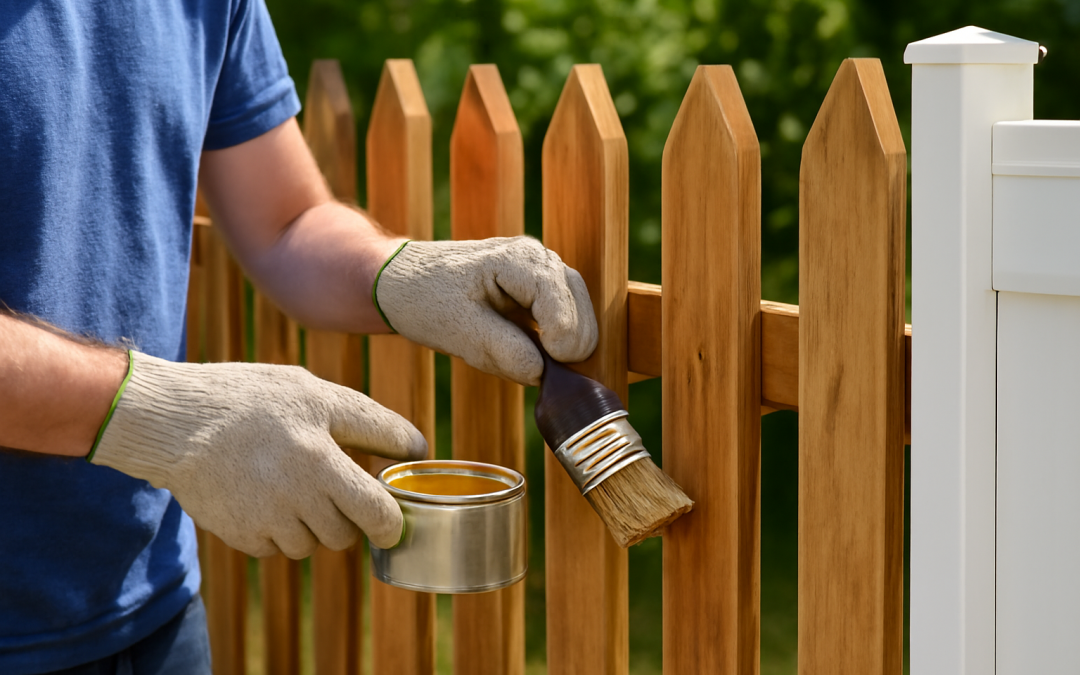
Cleaning a wooden fence involves removing dirt, mildew, and algae that accumulate over time. Using a soft brush combined with a mixture of water and mild detergent is often effective for routine cleaning, while occasionally pressure washing may be necessary to restore the fence’s original appearance. However, care should be taken with pressure washing to avoid damaging the wood fibers. After cleaning, applying a weather-resistant sealant or stain provides a protective barrier against moisture and ultraviolet rays, which are primary culprits in wood degradation.
Regular sealing or staining every two to three years is recommended to keep the wood protected and vibrant. These treatments help to repel water and block UV radiation, which causes the wood to fade and crack. Choosing the right product depends on the wood type and the desired finish, with oil-based stains typically penetrating deeper but requiring more frequent reapplication compared to water-based options. Additionally, reattaching any loose panels or rails ensures the fence remains sturdy and safe.
Vinyl fences have gained popularity because of their durability and low-maintenance nature, making them a suitable choice for those who want a fence that requires less ongoing effort. Vinyl resists rot, insect damage, and weathering, but it is not completely maintenance-free. Dirt and grime can dull its finish, and over time, the vinyl can develop surface scratches. Regularly washing the fence with soap and water helps to maintain its pristine appearance. Using a soft cloth or sponge prevents scratching the surface and preserves the fence’s glossy look.
For tougher stains or mildew, a mild bleach solution can be applied, followed by a thorough rinse to avoid chemical buildup. It is important to avoid harsh solvents or abrasive cleaners, as these can cause discoloration or damage to the vinyl material. Occasionally inspecting the fence for cracks or broken panels is also advisable since vinyl can become brittle in extremely cold weather or suffer impact damage from heavy objects. Repairing or replacing damaged sections promptly will retain the fence’s functional and aesthetic value.
Unlike wood, vinyl doesn’t require repainting or sealing, which simplifies its upkeep significantly. However, keeping vegetation trimmed around the base of the fence prevents mold and algae growth that thrive in damp conditions. Additionally, checking the alignment regularly ensures that the fence posts remain secure and the panels straight, maintaining the structural soundness of the fence line.
Metal fences offer a blend of strength and modern appeal, available in materials such as wrought iron, aluminum, and steel. These fences are generally more resilient to environmental damage but can face issues like rust, corrosion, and fading paint. Preventive maintenance is particularly important for metal fences to stop the formation of rust, which can weaken the metal and compromise the fence’s durability. Frequent inspection for signs of rust or chipped paint is essential, and areas of concern should be cleaned and treated immediately.
Cleaning metal fences is straightforward, typically involving a rinse with water followed by scrubbing with mild soap and a soft brush. For stubborn rust spots, using a wire brush or sandpaper helps to remove corrosion before applying a rust-inhibitive primer and fresh paint. Painting a metal fence not only refreshes its appearance but also adds a protective coating against moisture and UV damage. It is best done every few years or as soon as any paint deficiencies become apparent.
In salty or coastal environments, where metal fences are more prone to corrosion, additional protective treatments such as clear sealers or specialized paints can offer extended protection. Fixing loose or bent panels, tightening screws, and lubricating moving parts on gates ensure that the fence remains functional and pleasing to the eye. Unlike wood or vinyl, metal fences may require professional attention for welding or structural repairs due to the heavier and more complex construction.
Seasonal changes play a significant role in determining the maintenance frequency of any fence material. Harsh winters, heavy rains, intense sunlight, and fluctuating temperatures can accelerate wear and tear. Winterizing a fence may involve removing snow buildup from wood or metal fences to prevent moisture damage, while in the summer, protecting surfaces against UV exposure is a priority. Preparing fences for these seasonal impacts includes clearing debris, tightening loose components, and applying protective treatments appropriate to the material type.
Another aspect of fence maintenance involves landscaping considerations. Keeping plants, vines, and tree branches away from the fence prevents moisture retention and physical damage. Dense vegetation can trap humidity against the fence’s surface, leading to rot in wood or promoting rust in metal. Proper clearance also allows for easier access during cleaning and repairs, ensuring that the maintenance process is as effective as possible.
Pest control is particularly important for wooden fences. Insects such as termites and carpenter ants can cause serious damage if left unchecked. Applying insect-resistant treatments or barrier sprays early in the fence’s lifespan can deter these pests. Additionally, removing any nests or infestations promptly prevents further structural weakening. Metal and vinyl fences typically have less concern with pests, though it is still wise to monitor for any signs of hidden damage caused by animals in the vicinity.
Installing a fence also impacts maintenance expectations. Proper initial installation, including the use of quality materials, secure posts, and appropriate foundation methods, sets the stage for easier upkeep. A well-installed fence resists leaning, shifting, and warping, which reduces the need for frequent repairs. For example, in wooden fences, using rot-resistant wood types such as cedar or pressure-treated pine can lower the likelihood of decay and insect activity.
Adequate drainage around the fence posts is equally important to avoid standing water that accelerates deterioration. Many fences suffer from moisture-related problems when posts are buried directly into soil without proper drainage or gravel bases. Ensuring water runoff does not pool near fence lines reduces risks for all materials, as excess moisture is a common enemy to fence longevity.
Safety should never be overlooked during fence maintenance tasks. When cleaning or painting, wearing protective gear such as gloves and goggles minimizes exposure to chemicals and debris. Using ladders or power equipment must be done with care, in line with recommended safety practices, to prevent accidents. Proper handling of sharp tools and careful disposal of old paint or chemical solvents also contribute to a safe maintenance routine.
Regular maintenance has the added benefit of boosting the property’s curb appeal and value. A well-maintained fence instantly enhances the visual impression of a home or business, creating a neat and welcoming boundary. Neglect, by contrast, signals carelessness and can detract from the attractiveness of landscaping and outdoor design. Investing time and effort into routine fence care ensures a visually cohesive and inviting environment that reflects pride in property ownership.
In terms of cost-effectiveness, staying on top of fence maintenance helps avoid costly repairs or premature replacement. Addressing minor issues early prevents them from becoming serious problems that require professional restoration or complete fencing replacement. Budgeting for seasonal upkeep and periodic treatments spreads out the expense over time, making it more manageable and preserving the investment in the fence.
Environmentally, proper maintenance of fences also supports sustainability efforts. Longer-lasting fences mean fewer resources consumed for replacement materials and less waste sent to landfills. Choosing eco-friendly stains, paints, and cleaning solutions further reduces environmental impact. Moreover, maintaining the structural integrity of fences protects boundary vegetation and landscaped areas, promoting healthier outdoor ecosystems.
In essence, the key to successful fence maintenance lies in understanding the unique needs of the material used and committing to a consistent care routine. Wood requires protection against moisture, insects, and sun exposure; vinyl benefits from gentle cleaning and inspection; metal demands rust prevention, painting, and occasional repair. Careful attention year-round, coupled with proactive seasonal preparations, ensures that fences remain beautiful and functional for many years.
This approach not only safeguards an important aspect of property infrastructure but also supports the enjoyment of outdoor living spaces. With the right maintenance strategies, wood, vinyl, and metal fences can continue to provide privacy, security, and charm, standing as durable boundaries that add value and character to any home or establishment. Adopting regular care routines and addressing problems promptly transforms fence maintenance from a chore into a manageable and rewarding practice.