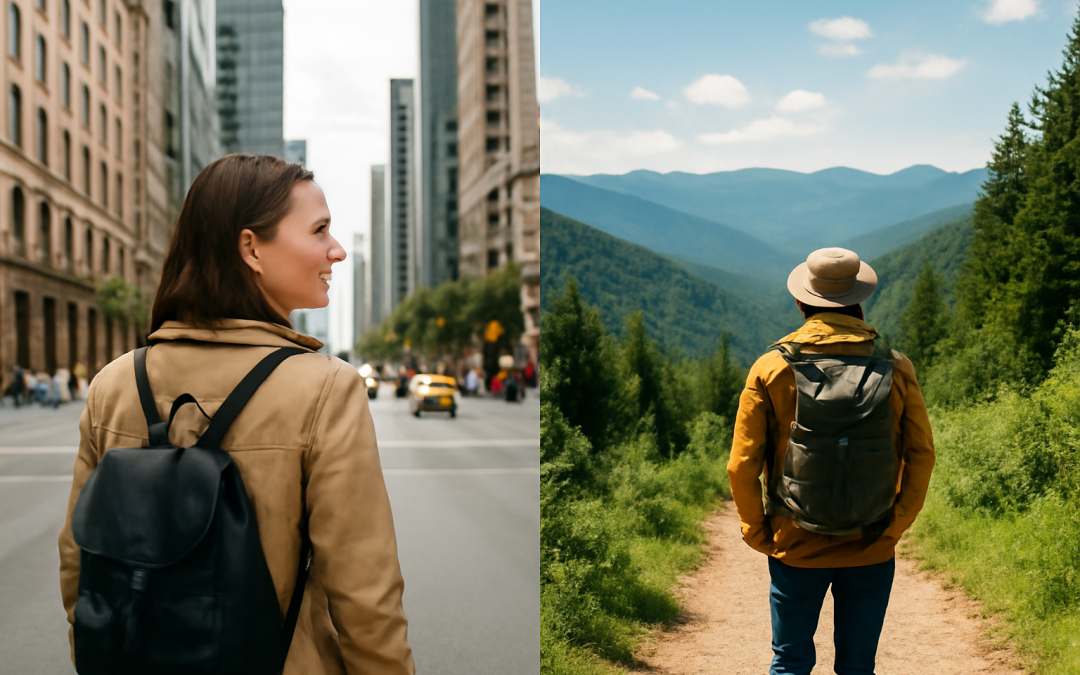
Choosing between a city break and a nature trip is a dilemma many travelers face, as both experiences offer unique advantages and cater to different preferences and needs. Whether you seek the vibrant pace of urban life or the tranquil embrace of the outdoors, understanding what each type of trip offers can help you decide which fits your lifestyle and vacation goals best. The decision hinges not only on the activities you enjoy but also on how you prefer to relax, the pace you want to maintain, and the kind of memories you wish to create.
City breaks offer a sensory overload in the best possible way. The allure of towering skyscrapers, bustling streets, and the buzz of cultural events makes cities perfect playgrounds for those who love immersion in non-stop activity. Museums, concert halls, theaters, and eateries serving a broad spectrum of cuisines bring the world to your doorstep. For travelers who thrive on structure and easily accessible entertainment, this type of trip provides convenience and excitement. Cities often have exceptional public transport networks and a wealth of accommodation options, from luxury hotels to quirky boutique stays, which make navigating and planning easier.
Moreover, urban destinations provide opportunities to engage with diverse populations and experience a blend of contemporary art, history, and modern innovation. Exploring city landmarks can satisfy even the most ardent history buffs, while shopping districts and nightlife offer endless entertainment possibilities. For those who appreciate cultural immersion yet want to avoid long hikes or nature-based physical challenges, city breaks are an ideal choice. They typically require less physical exertion, making them accessible for travelers with different activity levels or those seeking mental stimulation over physical adventure.
In contrast, nature trips cater to individuals longing for an escape from the strain of daily routines, noise pollution, and artificial environments. Time spent in forests, mountains, lakesides, or alongside the ocean provides restorative benefits that encourage slower living and mindfulness. Engaging with nature often means disconnecting from constant digital bombardment and reconnecting with the elements. The fresh air, soothing sounds of water, wind through trees, and the vastness of natural landscapes contribute to improved mental well-being and stress reduction.
When opting for a nature trip, the focus shifts from navigating urban mazes to exploring trails, wildlife, and stunning vistas. Activities such as hiking, kayaking, birdwatching, or camping foster physical health and a sense of accomplishment that many city vacations may not provide. Nature trips are also opportunities for solitude or intimate group experiences that deepen personal connections and boost creativity. For travelers who value physical activity and serenity, and who find rejuvenation in the simplicity of unspoiled environments, these trips offer profound satisfaction.
However, nature trips can sometimes pose challenges including limited access to modern conveniences and medical facilities, especially in remote areas. For those who are dependent on comfort and modern infrastructure, this might be a significant consideration. On the other hand, city breaks frequently come with more predictable amenities and services, which can ease the travel experience. This practicality makes cities particularly attractive for shorter breaks where relaxation must fit into a tight schedule.
Additionally, cultural encounters differ dramatically between the two options. City trips often provide structured opportunities to learn about human history, art, and the latest trends through museums, galleries, and historical districts. In contrast, nature trips offer education through ecological shifts, biodiversity, and the natural rhythms of life outside human development. Those interested in sustainable tourism or developing a deeper respect for environmental conservation may find nature trips deeply fulfilling and enriching. The hands-on experiences of caring for the environment or simply observing its cycles enrich the soul in ways that a city’s constructed marvels cannot fully replicate.
Another factor to consider is the social aspect of these travel styles. Cities tend to be melting pots of cultures, offering endless opportunities to meet people from various walks of life. Whether striking up a conversation in a café or joining a local event, city breaks can be deeply social, appealing to extroverted travelers or those looking to build new connections. Alternatively, nature trips often appeal to introspective travelers or small groups seeking to bond in peaceful surroundings, away from the distractions of urban life. The shared experience of overcoming natural challenges or marveling at a sunset in isolation fosters a different type of connection.
Environmental impact is an increasingly important aspect of travel decisions, and both city breaks and nature trips come with their own footprints. Urban tourism, while convenient, often involves significant energy consumption, waste, and congestion that can strain city infrastructure. In contrast, nature trips can have lower environmental impact when practiced responsibly but require careful planning to avoid disturbing fragile ecosystems. Travelers mindful of sustainability might prioritize eco-friendly accommodations and minimize waste, irrespective of whether they choose urban or wilderness destinations.
Cost is another practical consideration. City breaks vary widely depending on the metropolis chosen, with some cities being notoriously expensive due to high accommodation and dining prices. However, larger cities often provide more budget-friendly options, including hostels, public parks, and free cultural events, allowing travelers to tailor their expenses. Nature trips also range from affordable camping excursions to pricey guided adventures or luxury eco-lodges. The cost of equipment rental, park fees, or permits can add up, but the choice to camp or engage in low-impact activities enables cost control.
Travelers must also contemplate seasonality and weather preferences. Cities, with their concentrated infrastructure, often handle inclement weather better, offering indoor attractions to keep visitors entertained during rain or cold spells. Nature trips, conversely, are heavily dependent on good weather, as outdoor activities lose their appeal or accessibility when conditions deteriorate. A well-planned season can elevate the enjoyment of either trip type, but understanding these dynamics allows travelers to avoid disappointment.
Technology also influences the decision. Those who want to stay connected and have access to high-speed internet, navigation tools, and other digital comforts might lean toward city breaks. Conversely, nature enthusiasts may deliberately seek minimal connectivity to unplug and fully immerse themselves. It’s a matter of desired escape—whether from routine or from digital tethering.
In terms of personal growth, both travel styles offer valuable lessons but in different ways. Cities expose travelers to human ingenuity and adaptation, encouraging cultural curiosity and dynamism. Nature trips promote self-reliance, introspection, and an awakening to the wonders of life beyond human constructs. Understanding your personal motivations for travel—whether it is to learn, to relax, to challenge yourself, or to socialize—helps in aligning your choice with your internal desires.
Ultimately, deciding which type of trip to pursue depends largely on what you hope to gain from your time away. If you recharge through social interactions, cultural enrichment, and the comforts of civilization, a city break might be your perfect fit. If tranquility, physical activity, and reconnection to earth’s rhythms rejuvenate you, a nature trip could be the ideal choice. Many travelers find value in alternating between the two, discovering the balance between urban energy and natural calm.
Neither choice is inherently better, but rather suited to different moods, seasons of life, and personality types. By reflecting on what experiences, challenges, and environments restore your enthusiasm and peace, you can plan a getaway that truly fits you and refreshes your spirit. The joy of travel lies in discovery—be it hidden streets in a captivating city or quiet trails surrounded by untouched beauty—each path offering its own rewards, lessons, and unforgettable memories.